
Introduction
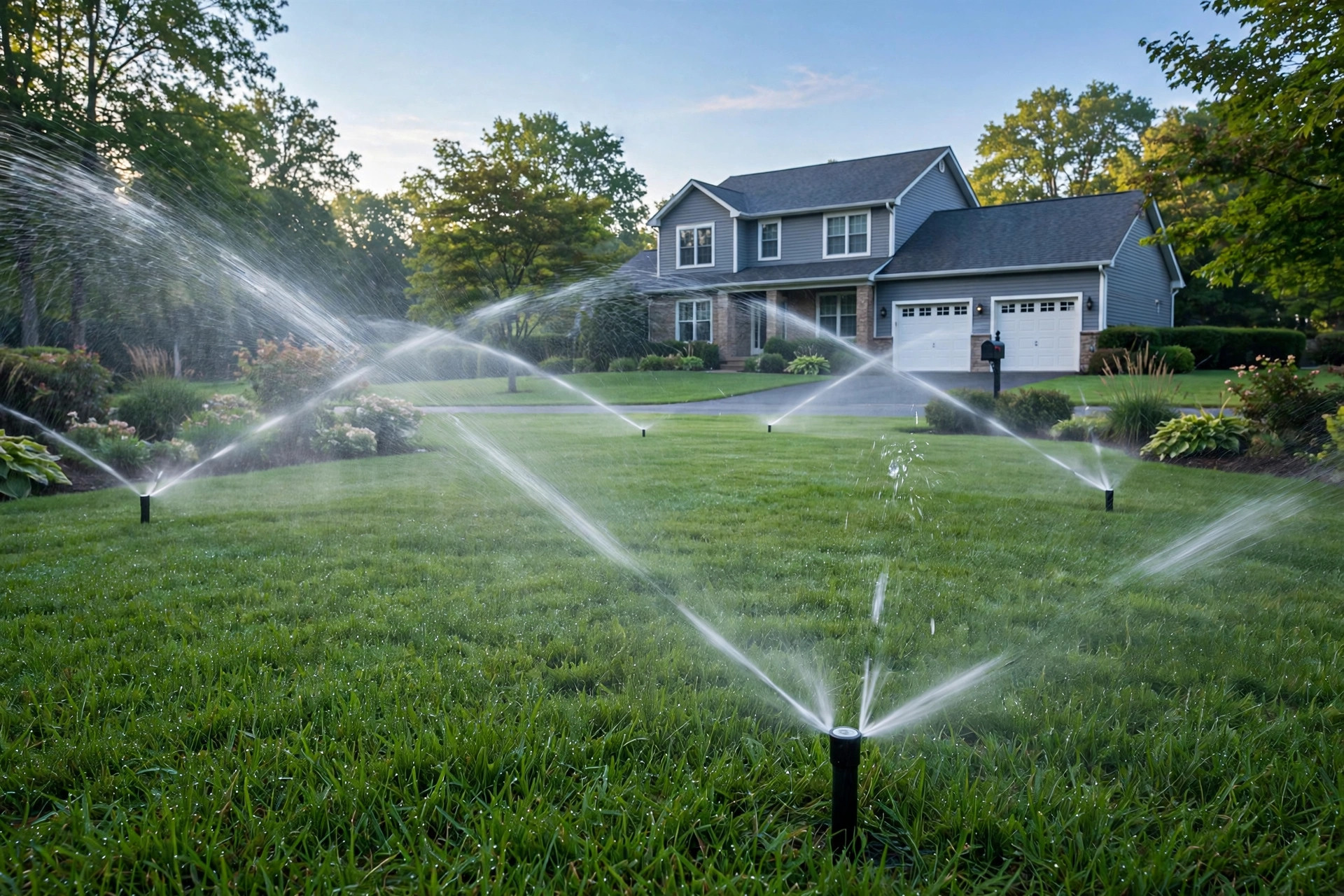
A working lawn does not happen by luck. It happens because water reaches every corner of the yard at the right time and in the right amount. When a sprinkler line breaks or a head stops turning, dry spots appear within days. That is when most homeowners start searching for a sprinkler system repair service near me. A local repair company can find the fault, fix it, and get the system running again before the grass turns brown.
Sprinkler systems look simple from the outside. Under the soil they are a network of pipes, valves, wires, and heads that must work together. A small crack in one pipe can lower pressure across a whole zone. A single clogged nozzle can leave a large ring of dead grass. Because most of the system is buried, problems are hard to see until the lawn shows the damage.
This guide explains how sprinkler repairs work, what they cost, and how to choose the right company. It also covers care tips that can prevent many common breakdowns. The goal is simple: help you spend less money and keep your yard green.
Why a Working Sprinkler System Matters: Sprinkler System Repair Service near Me
Water is the lifeblood of a lawn. Grass needs steady moisture to grow thick roots and crowd out weeds. Hand watering can work for a small yard, but it takes time and rarely covers the ground evenly. A sprinkler system does the job on a schedule, even when you are away from home.
When the system breaks down, the costs add up fast. Dead grass must be reseeded or re-sodded. That work costs far more than a simple repair. Dry soil also lets weeds take hold, and weeds are harder to remove than they are to prevent. A quick repair protects the money you have already put into the lawn.
A leaking system wastes water as well. The Environmental Protection Agency notes that household leaks can waste thousands of gallons of water each year. A broken sprinkler head or a cracked pipe is often the biggest leak on the property. Fixing it saves water and lowers the water bill. For these reasons, calling a repair service at the first sign of trouble is a wise move.
Common Sprinkler Problems That Need Repair
Most service calls fall into a few common groups. Knowing them helps you describe the problem when you call a company.
Broken or clogged heads. Lawn mowers and foot traffic can crack pop-up heads. Dirt and sand can clog the small nozzles. The sign is a head that sprays weakly, sprays in the wrong direction, or does not rise at all.
Low water pressure. If every head in one zone sprays weakly, the cause may be a leak in the line, a stuck valve, or a broken seal. Low pressure can also come from a municipal supply change, but a repair tech can test and tell.
Valves that stick open or shut. Each zone is controlled by a valve. A valve that sticks open keeps water running long after the timer stops. A valve that sticks shut keeps a zone dry. Faulty solenoids, which are the small electric parts on the valve, are a frequent cause.
Controller and wiring faults. The timer box on the garage wall sends signals to the valves through buried wires. A lightning strike, a cut wire, or a dead controller can shut down the whole system. These problems need a tech with a multimeter and know-how.
Line breaks and leaks. Roots can crush a pipe. Shovels can pierce one. Line breaks show up as a soggy patch, a geyser, or a zone with no pressure.
If you are seeing brown patches, puddles, or heads that do not pop up, ask for a quote on the full job including any sprinkler valve replacement cost the tech may find.
How to Choose a Repair Service
Not all repair companies are equal. A good company will save you money. A poor one will guess, replace parts you do not need, and leave you with the same problem. Use these steps to choose well.
Start with local companies. A firm that works in your town knows the local soil, the water rules, and the common brands installed in the area. Local firms also respond faster when a pipe bursts on a hot weekend.
Check for licenses and insurance. Many states require a license for irrigation work. Ask for the license number and proof of insurance. An insured company protects you if a worker is hurt on your property or if a line is damaged during the repair.
Ask how they charge. Some companies charge a flat trip fee plus parts and labor. Others charge by the hour. Get the pricing structure in writing before work begins. A clear written estimate prevents surprise charges at the end of the visit.
Read recent reviews. Look at reviews from the past year, not just the overall rating. Pay attention to comments about punctuality, clean work, and fair pricing. Two or three detailed reviews tell you more than a hundred short ones.
Ask about warranties. A company that stands behind its work will warranty labor for at least 30 to 90 days. Parts may carry a manufacturer warranty as well. Get the warranty terms in writing.
Request a full system check. The best value is often a company that checks every zone while fixing the main problem. A ten-minute check can catch a weak head or a small leak before it becomes a costly repair. Makers of irrigation equipment, such as Toro, publish guides that many local pros follow.
Types of Repair Services Offered
A full-service sprinkler company usually offers more than emergency fixes. Understanding the menu helps you plan for the whole season.
Emergency repairs. Burst pipes and stuck valves that flood the yard need same-day service. Many companies keep an on-call tech for these cases, often at a higher rate.
Seasonal start-up and tune-up. In spring, a tech can open the system, check each head, adjust spray patterns, and set the controller for the season. This visit catches winter damage early.
Mid-season adjustments. As summer heat rises, watering times need to change. Some companies offer a visit to reprogram the controller and raise heads that have sunk into the soil.
Valve and controller replacement. When a valve or timer wears out, replacement is better than patching. Newer controllers cut water use with rain sensors and smart scheduling. If you are thinking about an upgrade, read about smart sprinkler timer rebates for California homes to see how rebates can lower the cost.
Line repairs and re-routing. When a pipe breaks under a driveway or a new patio, the tech may re-route the line around the obstacle. This is skilled work, and the price reflects it.
What Repairs Cost
Prices vary by region and by the size of the system, but most homeowners can expect the following ranges.
A standard service call or trip fee runs from 50 to 100 dollars. This covers the visit and diagnosis. Many companies apply the fee toward the repair if you hire them.
Simple fixes are the cheapest. Replacing a sprinkler head or a nozzle usually costs 75 to 150 dollars per head, including parts and labor. Clearing a clogged filter or adjusting spray patterns may cost even less.
Valve repairs and solenoid replacements run from 150 to 300 dollars per valve. A full valve replacement with new wiring costs more, often 250 to 400 dollars.
Controller replacement ranges from 200 to 500 dollars, depending on the model and the number of zones. Smart controllers sit at the high end but can reduce water bills over time.
Line breaks are the wild card. A simple break in soft soil may cost 200 to 350 dollars to find and fix. A break under concrete or a long stretch of crushed pipe can run 500 dollars or more. Ask for a written estimate before the digging starts.
To keep costs down, fix small problems early. A ten-dollar nozzle left clogged can lead to a dead lawn that costs hundreds to reseed. If winter is hard in your area, plan for lawn irrigation winterization service near me before the first freeze.
Care and Upkeep Between Service Visits
You do not need to be an expert to keep your system healthy. A few simple habits go a long way.
Walk the yard monthly. Run each zone for a few minutes and watch every head. Look for weak spray, tilted heads, and water pooling where it should not be. Catching a problem early keeps the repair bill small.
Keep heads clear. Grass can grow over pop-up heads. Trim around them with hand shears. Keep mulch and soil from burying the heads in planting beds.
Clean the filters. Many heads have small screens that trap sand. Once a season, unscrew a few heads and rinse the screens. This takes minutes and restores full spray.
Adjust the controller with the seasons. Lawns need less water in spring and fall than in peak summer. Most controllers let you set a seasonal percentage. Lowering it by 20 percent in mild months saves water without stressing the grass.
Winterize before freezing weather. Water left in the pipes can freeze and crack them. In cold regions, a professional blowout with compressed air is the safe choice.
Mark head locations. Before any digging, landscaping, or fence work, flag your sprinkler heads and lines. Most line breaks happen during other yard projects, not from normal use.
Small parts matter. If your system struggles with weak flow, you may need the best sprinkler heads for low water pressure to match your supply.
Safety Tips for Homeowners
Sprinkler work is mostly safe, but a few cautions are worth noting.
Never dig blind. Call 811 or your local utility marking service before you dig deeper than a few inches. Sprinkler wires share the ground with electric, gas, and cable lines. Hitting a utility line is dangerous and costly.
Shut off the water before you touch a head or valve. A pressurized line can spray hard enough to injure an eye. Wear safety glasses when you clean or adjust heads.
Keep chemicals away from heads. Fertilizer and weed killer can clog nozzles and damage seals. Apply lawn products on a calm day and rinse the heads with clean water afterward.
Teach children to stay clear of running heads. A pop-up head can strike a foot or a face with force. Set watering times for early morning, when the family is indoors and the water soaks in best.
If a valve box fills with water or you smell gas near a line, stop and call a professional. Some problems are not do-it-yourself jobs. Trusted safety guidance is available from the U.S. Consumer Product Safety Commission, which covers outdoor equipment.
Frequently Asked Questions
How fast can a sprinkler system repair service near me respond? Most local companies offer appointments within two to three days in the regular season. During heat waves, when many systems fail at once, waits can stretch to a week. Emergency same-day service is often available at a higher rate. Booking a spring tune-up early keeps you out of the summer rush.
Can I repair a sprinkler head myself? Yes, in many cases. Replacing a pop-up head or a nozzle is a simple job that takes a screwdriver and about fifteen minutes. Buy the same brand and model if you can. For valve, wiring, or pipe problems, call a professional. Mistakes underground are expensive to fix twice.
Why does one zone have much lower pressure than the others? The usual causes are a leak in that zone’s line, a partially closed valve, or a stuck solenoid. A kinked line or a head with a missing nozzle can also drop pressure. A tech can test the valve with a multimeter and listen for leaks to find the cause.
How long does a typical repair visit take? A simple head or nozzle replacement takes under an hour. Valve work takes one to two hours. Finding and fixing a line break can take half a day, depending on how deep the pipe lies. Ask the company for a time estimate when you book.
Should I upgrade to a smart controller during the repair? It is often a smart move. If your old controller has failed, replacing it with a smart model adds features like rain skip and phone control. Many water districts offer rebates that cut the price. The repair visit is a good time to ask for a quote on both options.
How often should a sprinkler system be serviced? At least once a year. A spring start-up visit that checks every zone, cleans filters, and adjusts spray patterns will catch most issues. In cold climates, add a fall winterization visit. Regular service costs far less than emergency repairs and a dead lawn.
A Short Final Word
A sprinkler system is a quiet worker. It waters the lawn while you sleep and keeps the yard green through dry months. Like any machine, it needs care and the occasional repair. Learn the signs of trouble, keep up with simple upkeep, and build a relationship with a good local company. When you need a sprinkler system repair service near me, you will know what to ask, what to expect, and what a fair price looks like. That knowledge turns a stressful breakdown into a routine fix.
References
Briggs & Stratton. (n.d.). Outdoor power equipment. https://www.briggsandstratton.com Toro. (n.d.). Irrigation and lawn care equipment. https://www.toro.com U.S. Consumer Product Safety Commission. (n.d.). Outdoor product safety. https://www.cpsc.gov
Was this guide helpful?

About Robert Taylor
The My Garden US editorial team writes practical, in-depth home and garden guides for American homeowners — tested advice, no fluff.
You May Also Like

Edging Flower Beds with Stone Ideas That Lift Any Yard
March 20, 2026 0 views
Rock Garden Ideas for Front Yard That Add Lasting Curb Appeal
August 15, 2026 0 views
Top Rated String Trimmer for Thick Weeds: A Practical Guide
January 17, 2026 2 views