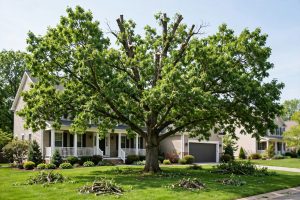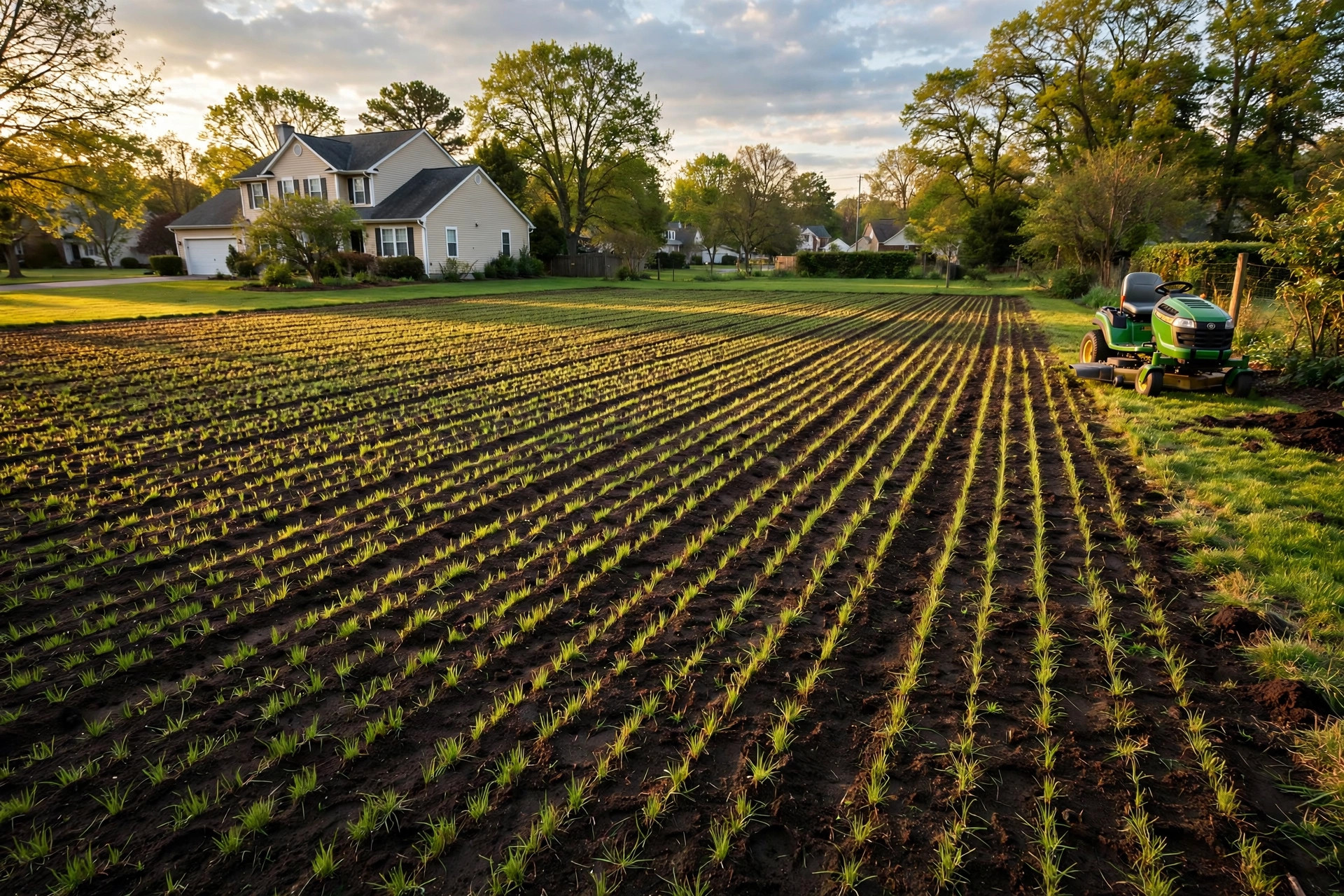

A tired lawn is a common sight in America. The grass thins. Weeds move in. Bare spots grow wider each year. At some point, mowing and feeding are not enough. The yard needs a fresh start. That fresh start is called lawn renovation. And the first question most owners ask is simple: what is the lawn renovation cost per acre usa homeowners should expect?
The honest answer is that the price moves a great deal. It can run from about $500 to $5,000 per acre or more. The size of the range comes from the many ways a lawn can be rebuilt. Seeding a thin lawn costs far less than stripping the old sod and laying new turf. Doing the work yourself costs far less than hiring a crew. This guide walks through the choices, the prices, and the care that follows, so you can plan with clear eyes.
Why Lawn Renovation Matters
A worn lawn is more than an eyesore. Thin grass lets weeds take hold. Weeds cost time and money every summer. They also spread to beds and walks. A dense, healthy lawn crowds weeds out on its own. That cuts herbicide use and mowing labor.
Property value is another reason. Real estate agents say a neat yard shapes a buyer’s first view. In many parts of the country, homes with strong curb appeal sell faster. A full acre of healthy grass makes a bold first impression.
There are practical gains too. Good turf holds soil in place. It slows rain runoff. It cools the air around a house on hot days. On a full acre, these effects are not small. A sound lawn also handles foot traffic, pets, and play better than patchy ground.
Finally, renovation can fix long-neglected problems. Old soil may be hard and sour. Drainage may fail in low spots. A full renovation lets you repair grading, ease compaction, and match the grass to the local climate. These are repairs that routine care cannot make.
How to Choose the Right Renovation Approach: Lawn Renovation Cost Per Acre Usa
Start by testing your soil. A county extension office will test a sample for a small fee. The report tells you the pH and the levels of key nutrients. Many failed seedings trace back to sour soil or missing phosphorus. Lime or fertilizer costs little next to a full job.
Walk the acre and grade the damage. Are most areas only thin, or is the ground bare? Thin lawns respond well to overseeding and feeding. Yards that are half weeds or bare dirt need heavier work. Look for drainage trouble too. Puddles after rain point to low spots that must be regraded.
Consider your climate zone. Cool-season grasses such as fescue and bluegrass fit the North. Warm-season grasses such as bermuda and zoysia fit the South. The wrong grass will fail no matter what you spend. Ask a local nursery or extension office which varieties suit your county.
Think about water. A new seeding needs steady moisture for weeks. If you lack irrigation, plan to water by hand or hire someone to do it. Acres are large. A weak watering plan is a common cause of poor results.
Match the method to your budget and your time. Light work — dethatching, aerating, overseeding — can be done over a weekend. Heavy work — tilling, regrading, sodding — may need machines and a crew. Be honest about what you can finish well.
Main Types of Lawn Renovation
Overseeding and Topdressing
Overseeding spreads new seed over existing grass. The yard is first mowed short, dethatched, and aerated. A thin layer of compost or topsoil may be added. Then seed is sown and watered. This method suits lawns that are thin but still mostly grass.
Per acre, seed alone runs roughly $100 to $400 for common varieties. Seed for a full acre takes 50 to 100 pounds, depending on the type. Equipment rental for an aerator or slit seeder adds $75 to $250 per day. Many owners finish this light job for $500 to $1,500 per acre, doing the labor themselves. Fall is the best season for this work in most regions. For a full walkthrough of timing and steps, see our guide on overseeding lawn in fall step by step.
Hydroseeding
Hydroseeding sprays a mix of seed, mulch, fertilizer, and water over bare or thin ground. A truck-mounted tank does the spraying. The green slurry holds seed in place and feeds early growth. It covers large areas fast, which is why it suits whole acres.
This method costs more than dry seeding but less than sod. Typical hired rates run $1,500 to $4,000 per acre. Slopes and rough ground favor hydroseeding because the mulch blanket resists washout. Homeowners cannot easily do this themselves since the spray rig is costly to rent.
Sod Installation
Sod is mature grass sold in rolls or pallets. It is laid on prepared soil and roots in within weeks. The result is instant. A bare acre becomes a green lawn in days rather than months. The trade is the price.
Sod material alone costs about $1,500 to $3,500 per acre in many markets. Delivery, grading, soil prep, and laying labor push the hired total to $4,000 to $10,000 per acre. Prices swing by region and grass type. Read our breakdown of cheap sod installation cost per pallet before you order. Sod demands heavy watering right after laying, so plan for the water bill too.
Full Rebuild: Till, Grade, and Start Over
A full rebuild strips the old lawn down. The ground is tilled, graded for drainage, amended with compost or topsoil, then seeded or sodded. This is the answer for lawns with hard soil, bad grading, or heavy weed infestation. It is the most thorough and the most costly choice.
Hired crews charge roughly $3,000 to $8,000 per acre for this level of work, not counting sod. Doing it yourself with rented equipment can cut the bill to $1,000 to $2,500 per acre, though an acre of tilling is hard labor. A soil test before this work is wise. It tells you exactly how much lime and compost the bare ground needs.
What Drives the Cost Up or Down
Method chosen. Seeding is cheapest. Hydroseeding sits in the middle. Sod and full rebuilds cost the most. Your lawn’s condition decides which methods are even options.
Labor. Doing the work yourself can halve the bill. An acre is large, though. Weigh your time and stamina before you commit.
Soil work. Extra lime, compost, or topsoil adds to the cost. A soil test keeps these purchases on target and avoids waste.
Grading and drainage. Fixing low spots or adding drains adds hundreds or thousands of dollars. Skip this when drainage is fine.
Region. Labor and material rates differ widely across the states. Quotes in the Northeast or on the West Coast often run higher than in the Midwest or South.
Grass variety. Common seed is cheap. Premium or patented varieties cost more. Some sod types carry a high price per pallet.
Water access. Irrigation systems raise upfront cost but protect the investment. Hand watering a full acre for a month is possible but heavy work.
Lawn Renovation Cost Per Acre: A Price Summary
Here is a rough price map for hired work and do-it-yourself work. Figures reflect common 2025 and 2026 rates across the USA. Local quotes will vary.
– Overseed and aerate (DIY): $400 to $1,200 per acre – Overseed and aerate (hired): $1,000 to $2,500 per acre – Hydroseeding (hired): $1,500 to $4,000 per acre – Sod installation (hired): $4,000 to $10,000 per acre – Full rebuild with seed (DIY): $1,000 to $2,500 per acre – Full rebuild with sod (hired): $6,000 to $12,000 per acre
Always get at least three written quotes for hired work. Ask each bidder to list every step: soil test, grading, seed or sod, starter fertilizer, and watering plan. A vague quote invites surprise charges later.
To cut costs, do the prep work yourself. You can mow short, rake, and mark sprinkler heads before a crew arrives. You can also split the project. Renovate the front acre this year and the back next year. Many contractors will quote phases separately.
Care and Upkeep After Renovation
New grass is fragile. Keep foot traffic off seeded areas for six to eight weeks. Sod can take light use after two to three weeks if it has rooted well. Tug a corner gently. If it resists, roots are holding.
Water is the key task. Fresh seed needs light watering several times a day until it sprouts. Then move to deeper, less frequent watering to train roots downward. Sod needs a daily soaking for the first week or two, then tapering.
Hold off on mowing until the new grass reaches about three to four inches. Cut only the top third. Sharp blades matter. Dull blades tear young grass and invite disease. Equipment care helps here. For instance, a sharp blade on your mower — see the maintenance advice shared by makers such as Toro and John Deere — makes a real difference on tender turf.
Feed on schedule. Starter fertilizer at seeding supports young roots. A second feeding six to eight weeks later builds density. Follow the soil test rather than guessing. Too much nitrogen burns new grass.
Watch for weeds. Hand-pull the first invaders. Most broadleaf herbicides should wait until the new grass has been mowed several times. Check the product label for the safe waiting period.
Safety Notes for Homeowners
Wear gloves, boots, and eye protection when running tillers, aerators, or seed spreaders. Rental yards can show you the controls. Keep children and pets off the work area while machines are running.
Store seed, fertilizer, and herbicides out of reach of kids and animals. Read every label before mixing or spreading. Apply chemicals on calm days to avoid drift onto beds and walks.
Call the utility marking service before any digging or tilling. In most states, dialing 811 brings locators to mark buried lines free of charge. Striking a gas or electric line is dangerous and costly.
If you hire help, check that the crew carries liability insurance and, where required, a license. Ask for references from recent jobs of similar size. A written contract protects both sides.
Power equipment needs respect. A walk-behind mower or tiller can throw debris. Clear the acre of stones, sticks, and toys first. Maker guides, such as those from Briggs & Stratton, stress checking oil and guards before each start.
Frequently Asked Questions
How long does a full lawn renovation take on one acre?
Light overseeding takes a weekend of work plus six to eight weeks of growth. A full till-and-reseed job takes one to two weeks of work and a full season to mature. Sod shows results in days but still needs a month of steady watering to root deeply.
What is the cheapest way to renovate an acre of lawn?
Doing it yourself with seed is cheapest. Rent an aerator, buy quality seed matched to your climate, and water on schedule. Many owners finish for under $1,000 per acre this way. The trade is your time and sweat.
Is hydroseeding worth it for a whole acre?
For many owners, yes. It covers ground faster than hand seeding and holds seed on slopes. The lawn renovation cost per acre usa homeowners pay for hydroseeding sits between seeding and sod. It is a strong middle choice when time matters but sod is too dear.
When is the best time to renovate a lawn?
Early fall is best for cool-season grasses in the North. Late spring to early summer suits warm-season grasses in the South. Avoid peak heat. New seed struggles in July heat almost everywhere.
Will my old weeds come back after renovation?
Some will. Weed seeds rest in soil for years. A thick new stand of grass suppresses most of them. Hand-pull early invaders and follow a sound feeding plan. Pre-emergent products can help in later seasons once the new grass is established.
Does homeowners insurance cover lawn renovation?
Almost never. Renovation is seen as routine upkeep, not sudden damage. Some policies cover lawn repair after a covered event, like a fallen tree, but check your own policy for the fine print.
A Short Final Word
Lawn renovation on a full acre is a real project. Prices run from a few hundred dollars for do-it-yourself seeding to many thousands for hired sod. The right choice depends on your lawn’s shape, your budget, and your willingness to work. Test the soil, pick the right grass, water with care, and give the young turf time. Done well, one season of effort buys years of thick green grass. That is the true measure of the lawn renovation cost per acre usa: not just the dollars spent, but the years of sound turf that follow.
References
Toro. (n.d.). Lawn care and outdoor power equipment. https://www.toro.com John Deere. (n.d.). Agriculture and turf equipment. https://www.deere.com Briggs & Stratton. (n.d.). Small engines and outdoor power. https://www.briggsandstratton.com
Was this guide helpful?

About Lisa Anderson
The My Garden US editorial team writes practical, in-depth home and garden guides for American homeowners — tested advice, no fluff.
You May Also Like
How to Choose a Fence Line Trimmer for Steep Slopes
August 14, 2026 0 views
Best Backpack Leaf Blower for Homeowners: A Practical Guide
January 30, 2026 0 views
Best Organic Lawn Care Products in the USA
January 27, 2026 0 views