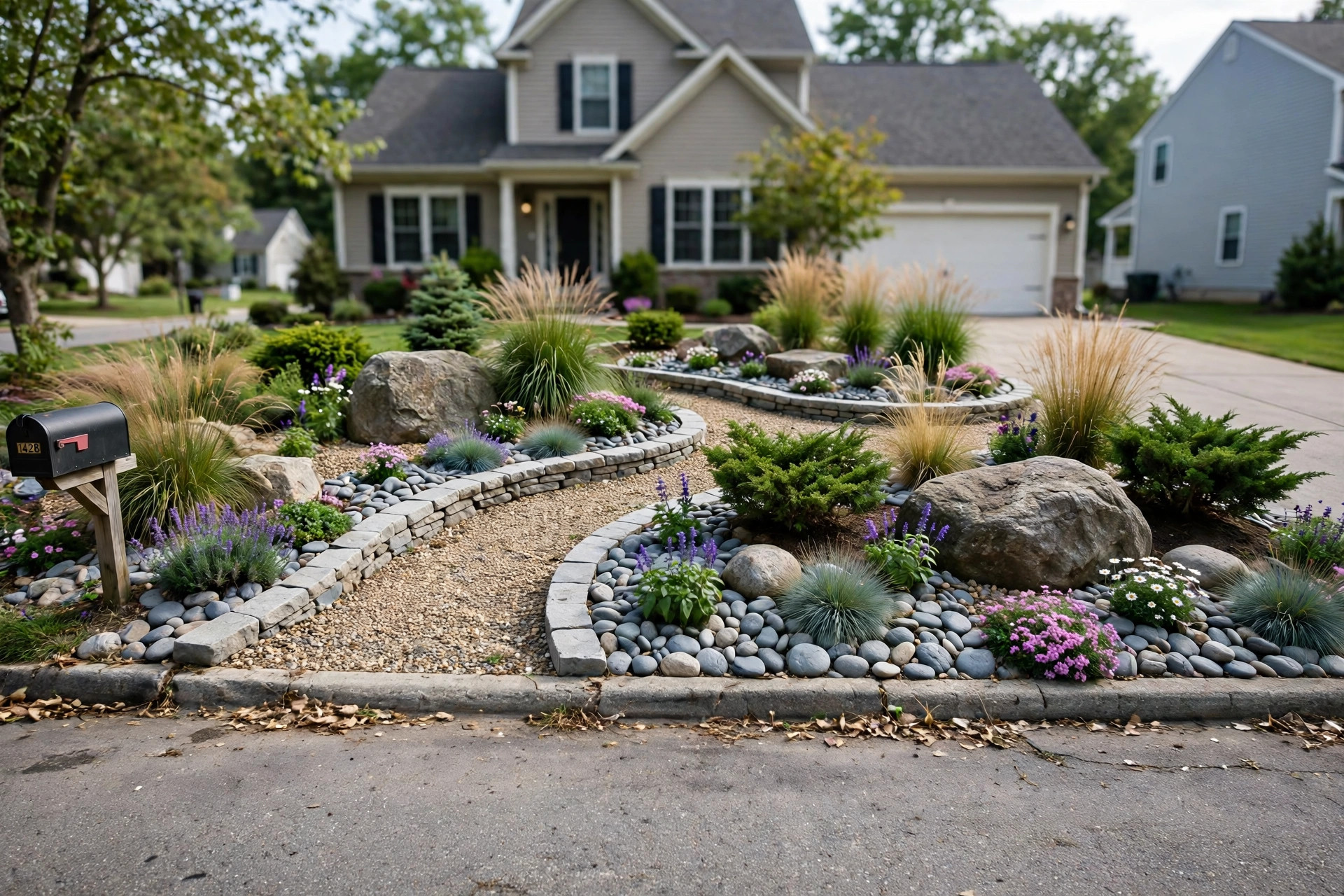
A front yard sets the tone for the whole home. It is the first thing guests see. It is the first thing buyers see. Many owners want it to look fine without hours of care each week. That is why rock garden ideas for front yard projects have grown so popular across America.
A rock garden replaces thirsty grass and fussy beds with stone, gravel, and hardy plants. It suits dry states and wet states alike. It can be small or grand. It can cost little or much. This guide walks through the best ideas, the costs, the plants, and the upkeep. By the end, you will know how to plan one that fits your home.
Why a Rock Garden Suits the Front Yard
Grass needs mowing, watering, and feeding. Flower beds need weeding and replanting. A rock garden needs far less of all three. Stone does not grow, so it never needs a cut. Gravel holds heat and drains fast, which suits dry plants.
A rock garden also looks good in every season. In spring, small bulbs and low shrubs give color. In summer, the stone frames green foliage. In fall, the colors deepen. In winter, the rock itself holds the design when plants rest.
Curb appeal is another gain. A tidy front bed with stone and clean edges tells buyers the home is cared for. Real estate agents often note that neat front yards lift first views of a house.
There is a water gain too. Many towns now limit lawn watering. Some offer rebates for lawn removal. A rock garden with native plants can cut water use sharply. That lowers the monthly bill and helps in dry years.
How to Choose the Right Design: Rock Garden Ideas for Front Yard
Start with the shape of your yard. A small square lot needs a simple bed. A wide lot can hold curves and layers. Walk to the street and look back at your home. Note the spots that catch the eye first. Those are the best places for stone.
Think about style next. A ranch home suits a natural, wild look. A colonial home suits neat beds with straight lines. A modern home suits bold gravel fields with few, strong plants.
Sun and soil matter as well. Watch your yard for one day. Note which parts get full sun and which stay in shade. Most rock garden plants want sun. For shady spots, choose ferns and shade grasses.
Plan a path through the bed if it is large. Flat stones set in gravel make a fine walk. This keeps feet off the plants and makes the bed easy to reach.
Draw your plan on paper before you buy anything. Mark the beds, the plants, and the rock zones. A simple sketch saves money and stops costly changes later.
Twelve Rock Garden Ideas for Front Yard Design
1. The Boulder Feature Bed
Place three to five large boulders in a group. Surround them with gravel and low plants. Boulders give weight and age to a new yard. Bury each stone one third deep so it looks natural, not set down.
2. The Dry Creek Bed
A dry creek is a shallow swale lined with river rock. It looks like a stream without water. It also moves rain away from the house. Line the edges with larger stones and fill the center with small river rock. Edge the curves so the line looks soft.
3. The Gravel Mulch Bed
Replace wood mulch with gravel or crushed stone around shrubs. Gravel lasts for years and needs no fresh layer each spring. For more on ground cover choices, see our guide to gravel vs mulch for landscaping beds.
4. The Alpine Corner
Alpine plants grow low and tight between stones. Creeping thyme, sedum, and dwarf iris are fine picks. Pack small rocks close and tuck plants in the gaps. This style suits a sunny corner by the porch.
5. The Stepped Slope Bed
Sloped yards wash out in rain. Build low walls of stacked stone to form steps. Each step holds soil and plants. The result looks firm and planned. This idea works well on banks by the drive.
6. The Entry Island
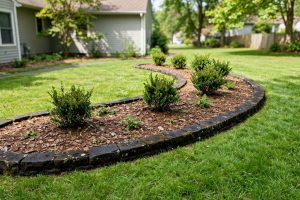
Place a round or oval bed where the walk meets the drive. One small tree or tall grass gives height. Ring it with stone edging and gravel. This island greets every visitor. Ideas for clean stone rims are covered in edging flower beds with stone ideas.
7. The Zen Gravel Field
A flat field of raked gravel with a few placed rocks gives a calm, spare look. It suits modern homes. Add one upright stone as a focal point. Keep plants few and simple, such as ornamental grasses.
8. The Mixed Border
Combine rock zones with small groups of shrubs and perennials. Use stone as the base and plants as the color. This softens the look for those who find pure stone too bare.
9. The Terraced Retaining Bed
On a steep front bank, build two or three stone retaining walls. Each terrace becomes a planting shelf. This stops erosion and adds usable space. It is one of the strongest rock garden ideas for front yard slopes.
10. The Mailbox Bed
Ring the mailbox post with a small stone bed. It is a cheap project that lifts the whole street view. Use low plants that will not block the box or the house number.
11. The Night-Lit Stone Bed
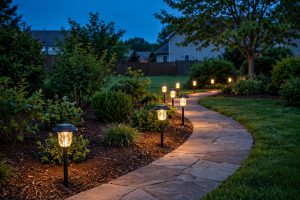
Low solar lights along a rock bed make it glow after dark. Lights placed behind boulders cast fine shadows. This adds safety near the walk as well as beauty.
12. The Native Stone Meadow
Use local stone and native plants only. The bed will blend with the land and need little water once set. Native beds also feed bees and birds. Check a state extension list for the best native picks in your zone.
What to Look for in Stone and Rock
Not all stone suits every yard. River rock is smooth and round. It suits creek beds and soft designs. Crushed stone is sharp and locks in place. It suits paths and firm beds.
Color counts. Gray and tan stone suit most homes. Red lava rock gives strong color but fades in sun. White marble chips look bright but show dirt fast.
Size counts too. Use large stones for structure, mid-size for edges, and small gravel for fill. A mix of three sizes looks natural. One size alone can look flat.
Buy from a local yard when you can. Stone is heavy and freight costs rise fast. Local stone also matches the land. For tips on sourcing, read cheap landscape rock delivery near me.
Test drainage before you spread rock. Dig a small hole, fill it with water, and time the drain. If water sits for hours, add a drain line or choose a raised bed design.
Cost and Price Guide
Costs vary by region and stone type. Small bags from a home center run a few dollars each. Bulk stone from a landscape yard costs less per ton but needs a truck or delivery.
As a rough guide, a small 100 square foot bed may cost 200 to 600 dollars in stone and fabric if you do the work. A mid-size 400 square foot design may run 1,500 to 4,000 dollars. A large terraced project with walls can pass 10,000 dollars with hired labor.
Labor is the big swing factor. Doing the work yourself cuts the cost in half or more. Hauling and placing stone is hard work, so plan help for big loads.
Plants add to the bill. Small perennials cost a few dollars each. Shrubs run higher. Buy small plants and let them grow. They catch up in two or three years.
Keep a small reserve in the budget for extras. Fabric, edging, and lights add up. A ten percent reserve covers most surprises.
Planting a Rock Garden That Thrives
Good plants make the stone look alive. Choose plants that suit your zone and sun. Hardy succulents, sedum, and hens and chicks suit dry sun. Dwarf conifers give year-round green. Ornamental grasses add motion.
Place tall plants at the back or center. Set mid plants in the middle. Tuck low creepers at the front edges. This layering gives depth from the street.
Give roots room. Cut an X in the weed fabric and dig into the soil below. Fill the hole with good soil mixed with the native dirt. Set the plant at the same depth it grew in its pot.
Water new plants well for the first month. After that, most rock garden plants want little water. Deep, rare watering beats light daily sprays.
Mulch around plants with gravel, not bark. Bark floats and rots against stone. A two inch gravel layer holds weeds down and keeps the bed tidy.
Leave room for growth. A small shrub may triple in size. Read the tag and space plants by their adult width, not their pot size.
Care and Upkeep Through the Year
A rock garden is low care, not no care. Weeds still seed into gravel. Pull them when small. A monthly walk-through keeps the bed clean.
Blow or rake leaves off the stone in fall. Trapped leaves rot and feed weeds. A leaf blower on low makes quick work of it.
Top up gravel every two or three years. Thin spots show fabric and look worn. A few fresh bags restore the finish.
Check edging each spring. Frost can lift metal or plastic edging. Push it back and restake where needed.
Prune shrubs once a year to hold their shape. Cut back dead grass tops in late winter before new growth starts.
Watch for settling. Heavy stones sink over time. Lift and reset any that tilt. This keeps walls and borders straight.
Safety Notes for Front Yard Stone
Stone near walks must be firm. Loose gravel on a slope can slide underfoot. Use flat, stable stones on paths and pack gravel well.
Keep sight lines open at the drive. Tall boulders or shrubs near the curb can block views of traffic. Keep plants low within ten feet of the street edge.
Wear gloves when placing rock. Sharp edges cut skin. Lift with the legs, not the back. Large boulders need two people or a dolly.
Check buried lines before digging. Call the local utility marking service before any deep dig. Hitting a gas or power line is a grave risk.
Some stones get hot in full sun. Dark rock can burn bare feet and stress plant roots. Light colored stone stays cooler in hot states.
If you use power tools to cut stone, wear eye and ear guards. Stone dust harms lungs, so work upwind and wear a dust mask.
Frequently Asked Questions
How much does a front yard rock garden cost?
A small do-it-yourself bed of about 100 square feet often costs 200 to 600 dollars for stone, fabric, and plants. Larger designs with walls or hired labor run into the thousands. Get three quotes if you hire the work out.
Will a rock garden hurt my home value?
A neat, well-built rock garden usually helps curb appeal. Keep the design tidy and in scale with the house. A messy or extreme design can turn buyers away, so aim for balance.
What plants grow best in rock gardens?
Sedum, creeping thyme, hens and chicks, dwarf conifers, lavender, and ornamental grasses are strong picks. Choose plants rated for your zone and sun level. Native plants need the least care.
Do I need weed fabric under the rock?
Weed fabric helps a lot. It blocks most weeds and keeps gravel from sinking into soil. Use a woven fabric that lets water pass. Cut X slits where you plant.
How do I keep weeds out of gravel?
Pull weeds while small. Keep a two inch gravel depth. Blow leaves off so they do not rot into soil. A pre-emergent product in spring can help, but read the label and keep it off desired plants.
Can I build a rock garden on a slope?
Yes, but build low stone walls or terraces first. Loose rock on a steep slope will wash down in rain. Terraces hold soil and give flat planting shelves. For steep banks, hire a mason for safe walls.
A Short Final Word
Rock garden ideas for front yard projects reward planning and patience. Sketch the design. Choose stone that suits the home. Pick hardy plants. Do the work in stages if the budget is tight. In a few seasons, you will have a front yard that looks good in January and July alike, with a fraction of the work a lawn demands.
References
Briggs & Stratton. (n.d.). Outdoor power equipment. https://www.briggsandstratton.com Deere & Company. (n.d.). Lawn care and landscaping equipment. https://www.deere.com Toro. (n.d.). Yard care products. https://www.toro.com
Was this guide helpful?

About Jennifer Lee
The My Garden US editorial team writes practical, in-depth home and garden guides for American homeowners — tested advice, no fluff.