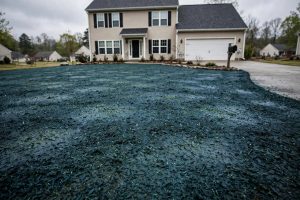

Every garden bed needs a cover. Bare soil dries out fast. It washes away in the rain. Weeds move in within a week. Most homeowners solve the problem with one of two materials: gravel or mulch. The question of gravel vs mulch for landscaping beds comes up in nearly every yard project, and the right answer depends on your plants, your budget, and how much work you want to do later.
Both materials look good. Both keep weeds down. But they behave very differently over time. Gravel is stone. It does not rot. It does not feed the soil. Mulch is wood, bark, or leaf matter. It breaks down each year and feeds the earth beneath it. One lasts for decades. The other must be renewed. This guide walks through both sides in plain terms so you can decide with confidence.
Why the Choice Matters
The ground cover you pick sets the tone for the whole bed. It affects how often you water. It affects how often you weed. It affects the health of your plants. It even affects the temperature of the soil on hot days.
Gravel is hard and dry. Rain passes through it and leaves quickly. Mulch is soft and damp. It holds water and releases it slowly. Plants with shallow roots, such as annual flowers and young shrubs, often do better with mulch. Plants that like dry soil, such as cacti and some native grasses, do well with gravel.
The choice also matters for upkeep. A gravel bed, once laid well, can last ten years or more with little care. A mulch bed needs a fresh layer every one to two years. If you dislike repeat chores, gravel may suit you. If you enjoy tending your garden each season, mulch gives you a reason to refresh the beds.
Finally, the choice affects resale value. Neat beds make a yard look cared for. Either material can do this. A tidy mulch bed looks rich and dark. A clean gravel bed looks sharp and modern. What matters most is that the bed is full, edged, and free of weeds.
What to Look For When You Decide: Gravel vs Mulch for Landscaping Beds
Before you buy, study your bed. Ask a few simple questions.
First, what grows there now? If the bed holds flowers, roses, or vegetables, mulch is usually the better friend. It feeds the soil as it breaks down. If the bed holds cactus, agave, or dry-climate shrubs, gravel keeps the roots dry and healthy.
Second, how much sun does the bed get? Gravel stores heat from the sun. On a hot afternoon, a gravel bed can feel far warmer than the air. Some plants suffer in that heat. Mulch stays cool. It shields the soil from the worst of the sun. In hot southern states, mulch often wins for beds that hold tender plants.
Third, how is the drainage? Water runs through gravel at once. This is good on slopes and in rainy zones. It can be bad in dry zones, where every drop counts. Mulch slows water down and holds it in the soil. If your yard dries out fast, mulch helps. If your yard stays wet, gravel may drain better.
Fourth, what is the slope? Mulch washes away on steep hills. A hard rain can push a fresh layer of bark chips down to the sidewalk. Gravel, once set in place, stays put much better. On a slope of more than a few feet, gravel is the safer pick.
Fifth, how much work do you want each year? Gravel suits a hands-off bed. Mulch suits a gardener who likes to refresh the beds each spring.
Types of Gravel for Garden Beds
Not all gravel is the same. The size, color, and shape change the look and the price.
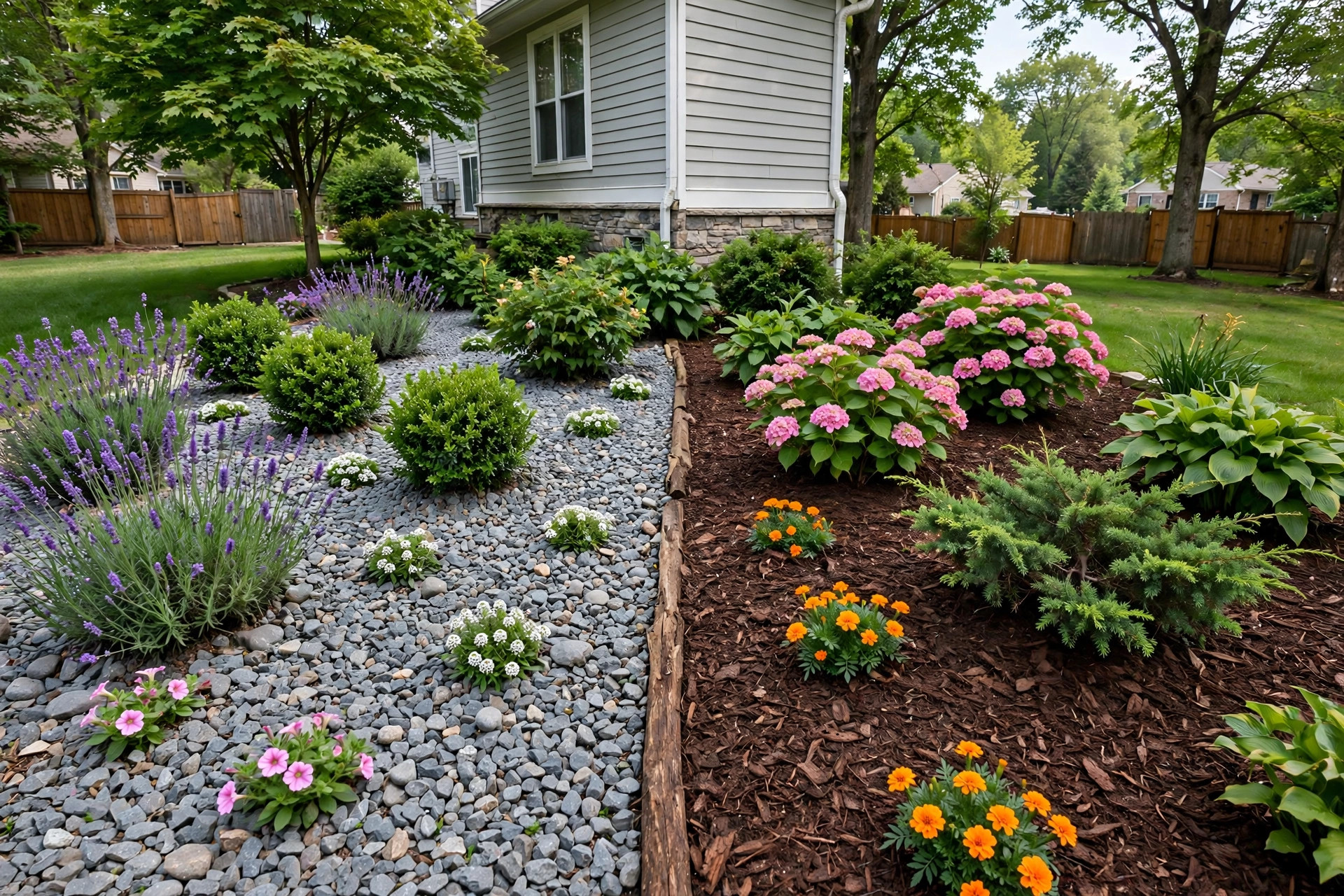
Pea gravel is small and round, about the size of a pea. It feels soft underfoot and looks natural. It is a common pick for paths and beds alike. It can shift around, so it needs a good edge to hold it in.
Crushed stone has sharp edges that lock together. It stays in place better than round gravel. It comes in colors such as gray, tan, and red.
River rock is larger and smooth, often one to three inches across. It gives a bold, dry-river look. It is heavier to move and more costly per bag, but it makes a strong design statement.
Decomposed granite is a fine material that packs down hard. It forms a firm surface that weeds have trouble crossing.
Whatever kind you pick, use a landscape fabric underneath. The fabric stops weeds from pushing up through the stones. It also stops the gravel from sinking into the soil. Good fabric, laid flat and overlapped at the seams, can double the life of a gravel bed.
Types of Mulch for Garden Beds
Mulch comes in many forms, and each has its own strengths.
Shredded bark is the most common. It knits together and stays in place on flat beds. It breaks down in about two years and leaves rich soil behind. Dark brown bark gives beds a fresh, cared-for look.
Bark nuggets are larger chunks of pine bark. They last longer than shredded bark, often three years. They can float away in heavy rain, so they suit flat beds better than slopes.
Wood chips are rough and cheap. Many tree services give them away free. They break down in one to two years.
Pine straw is long needles that knit into a mat. It is popular in the South. It is light, cheap, and easy to spread. It breaks down in about a year. If you are weighing cheap pine straw mulch delivery near me, note that delivery charges can exceed the cost of the straw itself, so buy in bulk when you can.
Leaf mulch is shredded fall leaves. It is free if you have trees. It feeds the soil fast and breaks down in one season.
For flower beds that need a fresh look each spring, many homeowners look for the best mulch for flower beds bulk delivery to keep costs down. Bulk yards of mulch often cost less than half the price of bagged mulch from a store.
Cost and Price Comparison
Price is a big part of the gravel vs mulch for landscaping beds debate. The numbers shift by region, but the pattern holds everywhere.
Mulch is cheaper to buy at first. A cubic yard of bulk bark mulch often costs between thirty and sixty dollars in much of the country. Bagged mulch from a garden center costs more per yard, often two to three times the bulk price. Most beds need a layer three inches deep, so one cubic yard covers about one hundred square feet.
Gravel costs more up front. A cubic yard of pea gravel or crushed stone often costs between fifty and one hundred dollars or more. River rock can cost far more. Delivery fees add to the bill. Gravel is heavy, and heavy loads cost more to move.
But the story flips over time. Mulch must be replaced. A bed that needs fresh mulch every two years will eat through five or six loads in a decade. Gravel, once laid, lasts for ten years or more. The only repeat cost is the odd bag to fill in thin spots.
A simple rule helps: if you plan to stay in the home for many years, gravel often costs less in the end. If you may move soon, or if you like to change the look of your beds, mulch costs less now and gives you room to change your mind later.
Do not forget the extra costs. Both beds need edging to hold the material in place. Gravel beds need landscape fabric. Mulch beds do better with fabric too, though some gardeners skip it. Rake, wheelbarrow, and gloves are the same for both.
Care and Upkeep Through the Year
A gravel bed asks for little. Rake it smooth in spring. Pull any weeds that root in the dust between the stones. Blow off fallen leaves in autumn so they do not rot into the gravel. Every few years, top up thin spots with a bag or two of matching stone. That is the whole list.
Watch for dirt building up in the gravel. Dust and bits of leaf matter settle between the stones over time. They give weeds a place to root. A hard spray with a garden hose in spring washes the fines out and keeps the bed clean.
A mulch bed asks for more. Each spring, check the depth. If it has shrunk below two inches, add a fresh layer. Pull weeds before they seed. In dry spells, water through the mulch so the soil beneath stays damp. Mulch can draw nitrogen from the soil as it breaks down, so a light feeding of balanced fertilizer each spring helps flowers stay strong.
Keep mulch a few inches away from tree trunks and house siding. A mound of mulch against a trunk, sometimes called a mulch volcano, traps moisture and invites rot and pests. A flat donut of mulch, with a clear ring around the trunk, is the right shape.
Both beds need the same spring cleanout. Cut back dead stems. Pull last year’s weeds. Edge the border so it stays crisp. An hour of spring work keeps either bed looking new.
Safety and Health Notes
Both materials are safe for normal garden use, but each has points to watch.
Gravel near play areas can be a trip risk. Small stones end up in shoes and on paths. In homes with toddlers, larger river rock is safer than pea gravel, since small stones can be a choking hazard. Keep loose gravel out of lawn areas where a mower can throw stones.
Some dark mulches are dyed with colorants. Most dyed mulches sold today use safe, iron-oxide-based color, but cheap or unmarked products can be less certain. Buy from a known yard or brand. Natural, undyed bark is always a safe choice.
Mulch can harbor insects such as termites if piled against the house. Keep mulch beds six inches or more from the foundation. A strip of gravel against the house makes a clean, pest-resistant border and is one place where gravel clearly wins.
Landscaping Design Ideas
Many of the best beds use both materials. A gravel path can run through mulch beds. A mulch bed can hold the flowers while a gravel strip lines the house. The mix gives you the soft soil benefits of mulch and the clean, dry border of gravel.
For a modern look, use gray crushed stone with simple plants such as ornamental grasses and boxwood. For a cottage look, use dark bark mulch with roses, daisies, and lavender.
Color matters. Light gravel brightens a shady bed. Dark mulch makes bright flowers pop.
Plants that pair well with both choices include native species, which suit local soil and weather with little fuss. If you want ideas, read about native plant landscaping ideas for front yards to see which plants need little water and little care.
FAQ
How deep should gravel or mulch be in a landscaping bed?
For mulch, three inches is the standard depth. Less than two inches lets weeds through. More than four inches can smother roots. For gravel, two to three inches over landscape fabric is enough.
Can I put gravel over old mulch?
It is not a good idea. Old mulch keeps breaking down under the stone. As it rots, the gravel sinks and the bed turns lumpy. It is better to rake the old mulch out, lay fresh fabric, and then spread gravel. If the old mulch is thin and nearly gone, you can rake it smooth and lay fabric over it, but results are mixed.
Which is better for keeping weeds down?
Both work well when laid right. Gravel over good fabric blocks weeds for years. Mulch three inches deep blocks most weeds, but seeds that land on top can still sprout. For beds where you plant and replant each year, mulch is easier to work with.
Does gravel hurt the soil?
Gravel does not feed the soil the way mulch does. That is fine for established shrubs. For beds you plan to keep rich and alive, mulch is the better soil builder.
How often do I need to replace mulch?
Most bark mulches last one to two years. Pine straw lasts about a year. Bark nuggets can last three years. Plan to top up each spring. A fresh one-inch layer over the old bed is often enough. Full removal is rarely needed unless the old mulch has turned sour or moldy.
Is gravel or mulch better around trees?
Mulch is better around most trees. It feeds the soil, holds moisture, and keeps mowers away from the trunk. Use a flat ring of mulch, not a mound.
A Final Word
The debate over gravel vs mulch for landscaping beds has no single winner. Gravel wins on lifespan, slope stability, and low upkeep. Mulch wins on soil health, plant growth, and first cost. The right pick is the one that fits your plants, your climate, and your habits.
If you are still unsure, try a test. Cover one small bed with gravel and another with mulch. Live with both for a season. Watch which one you enjoy more. Your own yard is the best guide you have.
For more help with yard gear and planning, the home pages of Toro, Deere, and Briggs and Stratton offer guides on mowers, trimmers, and other tools that keep beds and lawns tidy.
References
Toro. (n.d.). Outdoor power equipment. https://www.toro.com Deere. (n.d.). Agricultural and lawn care equipment. https://www.deere.com Briggs & Stratton. (n.d.). Small engines and outdoor power products. https://www.briggsandstratton.com
Was this guide helpful?

About Jennifer Lee
The My Garden US editorial team writes practical, in-depth home and garden guides for American homeowners — tested advice, no fluff.
You May Also Like
Best Robotic Mower for Slopes Reviews: What to Know Before You Buy
July 20, 2026 0 views
Lawn Soil pH Test Kit Reviews: Finding the Right Kit for Your Yard
June 24, 2026 0 views
The Best Lawn Seed for High Traffic Areas: A Complete Guide
January 1, 2026 0 views