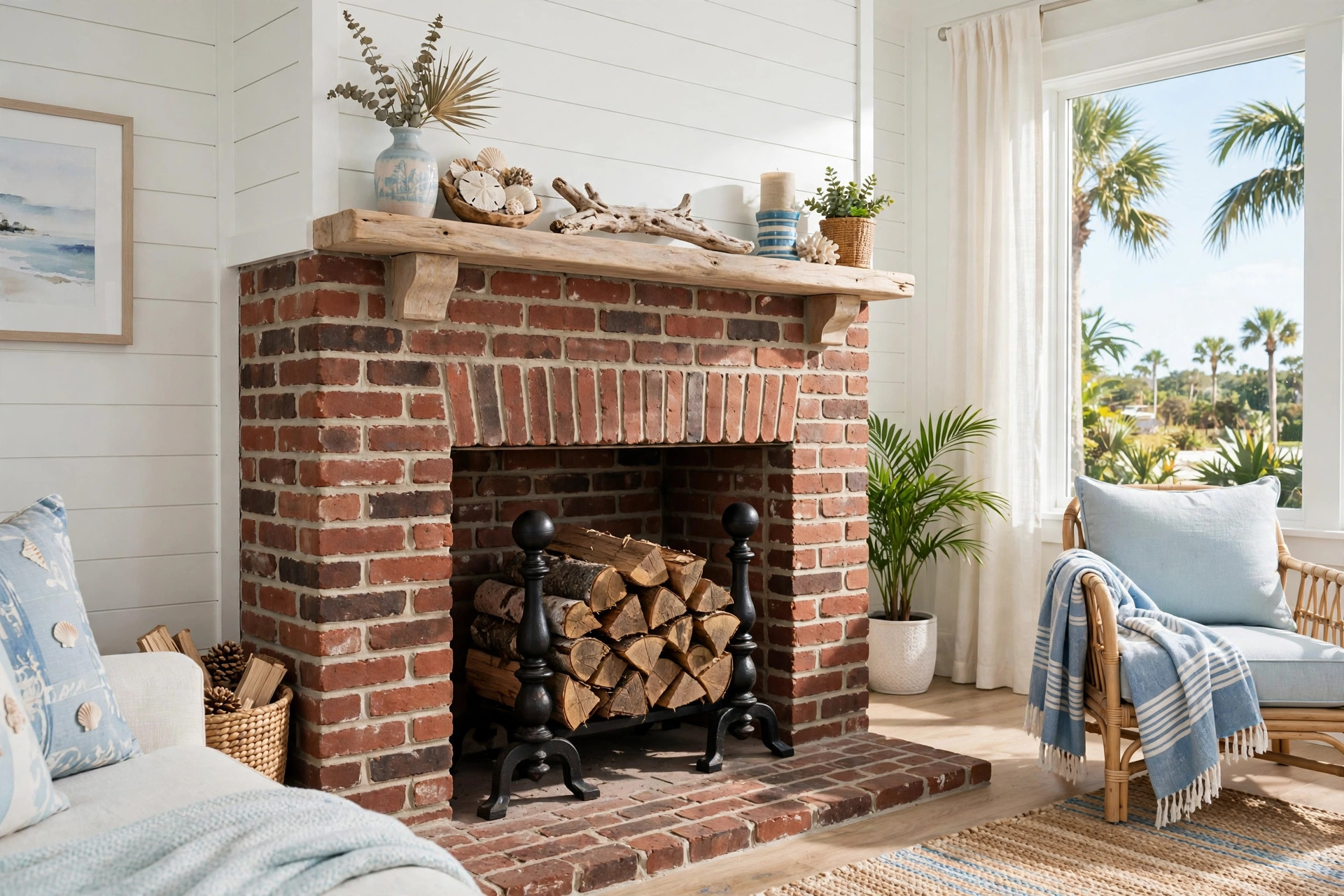

When people think of the state of Florida, they think of beaches, palm trees, and warm air. Fireplaces do not come to mind first. Yet many homes in Florida have a fireplace. They sit in living rooms, on patios, and in outdoor kitchens. When the winter nights turn cool, a fire in the hearth is a welcome sight. The top rated andirons for fireplaces for Florida homes give that fire a safe base and a finished look. Andirons are the metal supports that hold logs above the floor of the fireplace. They let air flow under the wood, so the fire burns well. They also keep the logs from rolling out onto the rug.
Florida homes present a few special conditions. The air near the coast carries salt. Salt can corrode bare metal. Indoor humidity stays high much of the year. Rust forms faster in damp air. Many Florida fireplaces burn gas logs or burn wood only on a few nights each year. A buyer should weigh these facts before choosing a set. This guide walks through what matters, what types exist, what they cost, and how to keep them sound.
Why Andirons Matter in Florida Homes
A fireplace is only as safe as its smallest part. Andirons lift the logs a few inches off the firebox floor. That gap feeds air to the flames. Air from below makes a cleaner, hotter burn. Without andirons, logs lie flat. The fire smolders. Smoke fills the room. Soot builds on the chimney walls. A simple pair of iron dogs, as andirons are also called, solves this problem.
In Florida, most fireplaces see light use. A family may burn fires from December through February, and only on cool evenings. Light use does not mean low risk. A single log that rolls forward can scorch a hardwood floor or set a rug alight. A good set of andirons holds the load in place through the whole burn. That matters even more in homes where the fireplace sits close to furniture or drapes.
There is also the question of looks. A fireplace is a focal point. Guests notice it the moment they enter the room. Andirons in brass, black iron, or brushed steel set the tone. In a coastal cottage, a simple matte black pair suits the room. In a grand living room, polished brass fronts add a touch of formality. Choosing well means the hearth looks finished all year, not only on fire nights.
What to Look for When You Choose: Top Rated Andirons for Fireplaces for Florida Homes
Not every set of andirons suits every fireplace. Measure first. The andiron must fit the depth of the firebox. Standard pairs run from 16 to 20 inches long. A shallow firebox needs a shorter set. If the andiron is too long, its legs will stick out past the front of the hearth. That is both unsafe and unsightly. Measure the firebox from front to back, then subtract two inches. That number is the right andiron length.
Weight counts. Heavier andirons stay put. Look for solid cast iron or solid brass. Hollow parts bend under heat and under the weight of large logs. Pick up the piece in the store if you can. It should feel dense and solid in the hand. Light metal sets may look fine on the shelf but fail in real use.
The front design is a matter of taste. Ball tops, urn tops, and animal heads are common shapes. The feet should sit flat on the firebox floor. Wobble is a warning sign. A wobbling andiron can tip when a log settles during the burn. Set the pair on a flat surface and press each corner. No rock should be felt.
Finish matters more in Florida than in dry states. Salt air and humidity attack bare iron. A powder-coated finish resists rust far better than plain paint. Brass fronts with a lacquer coating stay bright longer. Ask how the finish was applied. A baked-on finish will outlast a spray coat. The U.S. Environmental Protection Agency notes that moisture and poor airflow hasten corrosion in metal home parts, so a sealed finish is worth the price in a coastal home.
Types of Andirons and Options
Andirons come in several styles. Each has its strengths. The right choice depends on the fireplace, the decor, and the budget.
Cast Iron Andirons
Cast iron is the classic choice. It is heavy, dark, and honest in its looks. It takes heat without complaint. Most black fireplace sets are cast iron. They suit rustic rooms, ranch houses, and cabins. The downside is rust. In a humid garage or near an open patio, raw cast iron will spot with rust in a season. A sealed or powder-coated piece holds up much better. Many owners rub a light coat of oil on the metal once a year to keep moisture out.
Brass Andirons
Brass andirons shine. They bring warmth and light to a formal room. Solid brass is heavy and durable. It will not rust. In coastal homes, that is a real plus. The drawback is upkeep. Brass tarnishes. It needs polish to stay bright. Some owners like the dark patina that time gives. Others want a mirror shine. Either way, the metal itself lasts for decades. Lacquered brass holds its shine longer between polishings.
Steel and Wrought Iron Andirons
Wrought iron andirons are shaped by hand or by forge. They often have graceful curves and scrollwork. They are lighter than cast iron but strong. Steel andirons with a matte black finish fit modern rooms well. They cost less than solid brass. They need care against rust in Florida air. A yearly check for chips in the finish will keep them sound.
Decorative Andirons
Some andirons are made more for show than for daily fire use. Glass balls, marble details, and painted designs mark this group. They look fine in a fireplace that rarely burns. If the home has a gas log set that stays cool to the touch, decorative andirons are a safe pick. For real wood fires, choose plain, heavy-duty iron over fancy designs. Heat and ash wear down delicate finishes fast.
Cost and Price
Prices vary with metal, weight, and brand. Simple cast iron pairs start around forty to sixty dollars at national chains. A buyer can find these at Home Depot or Lowe’s, which stock hearth goods for the mild southern market. Mid-range sets in wrought iron or steel run from eighty to one hundred fifty dollars. Solid brass pairs cost more, often two hundred to five hundred dollars. Hand-forged or designer pieces can top six hundred dollars.
Price alone does not tell quality. A sixty-dollar solid cast iron pair may outlast a two-hundred-dollar light brass set in a humid garage. Check the weight in the product details. Heavier pieces within the same metal class tend to be better built. Shipping costs add up for heavy items, so buying locally in Florida can save money. Watch for seasonal sales in late winter, when hearth goods drop in price.
Related hearth goods follow the same price logic. For instance, fireplace hearth rugs price comparison usa shows how small items like rugs range widely by material and size. The same care in comparing helps here. Compare weight, finish, and warranty, not just price.
Care and Upkeep in the Florida Climate
Florida weather tests metal. Salt in the air near the coast speeds rust. Inland humidity feeds it too. A few simple habits keep andirons sound for years.
First, wipe ash and soot off the metal after each season. Ash holds moisture against the surface. A damp cloth and a dry towel are enough. Second, check for chips in the finish. A chip lets water reach bare metal. Touch up small chips with high-heat paint in black. Third, oil cast iron once a year. A thin coat of mineral oil or a hearth-specific conditioner blocks moisture. Fourth, store spare sets in a dry room, not in a damp shed.
If rust appears, act early. Light surface rust comes off with fine steel wool. Wipe the area clean, then apply high-heat paint or oil. Heavy rust that pits the metal is harder to fix. Pitted iron loses strength. A deeply pitted andiron should be replaced, not repaired. Safety must come first.
Gas fireplaces need less care. The andirons under gas logs see little soot. Still, wipe them each season. The Family Handyman site offers plain guides on hearth upkeep that fit the needs of southern homes. Dust and pet hair collect on any hearth piece, so a quick pass keeps the room tidy.
Safety
Safety rules for andirons are simple but firm. The andirons must sit fully inside the firebox. No leg should hang past the front edge. The pair must hold the logs steady with no wobble. Never overload the andirons with more wood than they can hold. A toppled load can roll embers onto the floor.
Keep a screen or glass doors in front of the fire. Sparks pop even in small fires. The screen stops them. Keep the area in front of the fireplace clear of rugs, paper, and toys. Many Florida homes place the couch close to the hearth. A top rated fireplace hearth rugs for midwest homes style rug may look nice, but a proper hearth rug made for fireplaces resists embers. Make sure the rug is rated for hearth use.
Have the chimney checked each year before fire season. Soot and creosote build up even with light use. A blocked flue pushes smoke into the room. This Old House covers the basics of chimney care in clear terms. Keep a working smoke alarm and a carbon monoxide alarm in the room. They are cheap insurance.
Children and pets need a gate or barrier near the fire. The metal stays hot long after the flames die. Teach children that the hearth is a no-play zone. Never leave a fire burning when no one is home or awake. These rules sound plain. They save lives.
Common Mistakes to Avoid
Buyers repeat a few errors. The first is buying for looks alone. A pretty pair that wobbles is a hazard. Test stability before you buy. The second is wrong sizing. Andirons that are too long stick out of the firebox. Andirons that are too short let logs roll off the front. Measure twice. The third is ignoring the finish. In Florida, a bright raw iron finish will rust by spring. Choose a sealed finish. The fourth is skipping the screen. Andirons hold logs, but they do not stop sparks. Always use a screen.
Another common error is mixing parts. A matched pair is balanced. Two single andirons of different heights tilt the load. Buy a true pair, or buy a set made to match. When a fireplace is ventless, special rules apply. Readers with gas units may want to read about ventless fireplace dampers for midwest homes to see how ventless setups differ, though local codes always have the last word.
Where Floridians Shop for Andirons
Most buyers shop in person or online. Big-box stores carry a steady stock. Specialty hearth shops offer higher-end brass and forged pieces. Online shops widen the choice. No matter the channel, read the specs. Check the length, the weight, and the finish. Read a few owner reviews. Reviews from buyers in humid states carry extra weight. If a reviewer in a coastal town reports rust in one season, believe them.
Brands with hearth lines include names like Napoleon and Heatilator, both known for fireplace goods. Product roundups on The Spruce also compare hearth accessories side by side. These sources give a fair picture of what sells and how it holds up. Compare several before you choose.
FAQ
What size andirons fit a standard fireplace?
Most standard fireboxes take andirons 16 to 20 inches long. Measure the firebox depth from front to back, then subtract two inches. That gives the right length. The front posts can be any height that fits under the lintel, but the shank must lie flat and stable.
Do andirons rust in Florida homes?
They can, yes. Salt air near the coast and high humidity inland both feed rust on bare iron. Choose a powder-coated or sealed finish. Wipe the metal clean after each season and oil cast iron once a year. Brass will not rust but needs polish to keep its shine.
Are andirons needed for gas fireplaces?
Gas log sets often rest on their own supports. Even so, many owners add andirons for looks. They make the hearth look complete. If the unit is ventless, check the manual first. Some makers bar extra metal parts that change airflow. Local code may also set rules.
Cast iron or brass: which is better?
Cast iron is cheaper, heavier, and more rugged. It needs rust care in humid air. Brass costs more and stays bright with polish. It will not rust. For a formal living room, brass fits. For a rustic room or a rental, cast iron is the plain choice.
How long do andirons last?
Solid cast iron or brass andirons can last decades with basic care. Light steel sets may last five to ten years in Florida air before rust wins. A sealed finish, yearly cleaning, and quick touch-ups stretch the life of any set.
Can I use andirons outdoors?
Yes, if the metal and finish suit outdoor use. Stainless steel or sealed cast iron works best. Raw iron rusts fast in rain and sea air. Cover the fire pit or fireplace when it is not in use. Store decorative sets indoors between seasons.
A Short Final Word
The top rated andirons for fireplaces for Florida homes are not the flashiest. They are the ones that fit the firebox, sit steady, and stand up to salt air and humidity. Measure first. Choose a sealed finish. Keep up with simple care. With those steps, a good pair will serve the hearth for many years, through cool January nights and quiet evenings by the fire.
References
Family Handyman. (n.d.). DIY home repair and maintenance. https://www.familyhandyman.com Heatilator. (n.d.). Fireplaces and fireplace products. https://www.heatilator.com Lowe’s. (n.d.). Home improvement products. https://www.lowes.com Napoleon. (n.d.). Fireplaces, grills, and heating products. https://www.napoleon.com The Home Depot. (n.d.). Home improvement products. https://www.homedepot.com The Spruce. (n.d.). Home and garden advice. https://www.thespruce.com This Old House. (n.d.). Home renovation guidance. https://www.thisoldhouse.com U.S. Environmental Protection Agency. (n.d.). Protecting human health and the environment. https://www.epa.gov
Was this guide helpful?

About Sarah Mitchell
The My Garden US editorial team writes practical, in-depth home and garden guides for American homeowners — tested advice, no fluff.
You May Also Like
Affordable Firewood Storage Racks With Free Shipping
May 21, 2026 0 views
Fireplace Installation Services Cost Guide USA
January 23, 2026 0 views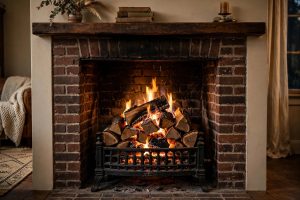
Where to Buy Fireplace Grates in Colorado
January 12, 2026 0 views