---
Table of Contents
Table of Contents
- Gas Fireplace Pilot Light Keeps Going Out: How a Pilot Light Works
- Cause 1: A Dirty or Failing Thermocouple
- Cause 2: Loose Thermocouple Connection
- Cause 3: A Clogged Pilot Orifice
- Cause 4: Drafts Blowing Out the Flame
- Cause 5: Low Gas Pressure or Supply Problems
- Cause 6: A Failing Thermopile
- Cause 7: A Bad Gas Valve
- Safety Rules to Follow
- When to Call a Professional
- Prevention: Keep the Pilot Healthy
- Frequently Asked Questions
- References
You press the knob, light the pilot, hold it for a minute, and let go. The flame dies. You try again. Same result. A gas fireplace pilot light that keeps going out is one of the most common hearth headaches, and it almost always points to a small, fixable problem. This guide walks through the likely causes in order, what you can safely check yourself, and when to call a professional. The rest of this guide covers gas fireplace pilot light keeps going out in plain language.
Gas Fireplace Pilot Light Keeps Going Out: How a Pilot Light Works
When it comes to gas fireplace pilot light keeps going out, getting the details right makes all the difference.
When it comes to gas fireplace pilot light keeps going out, getting the details right makes all the difference.
Many homeowners find that gas fireplace pilot light keeps going out is easier than they expected once they know the basics.
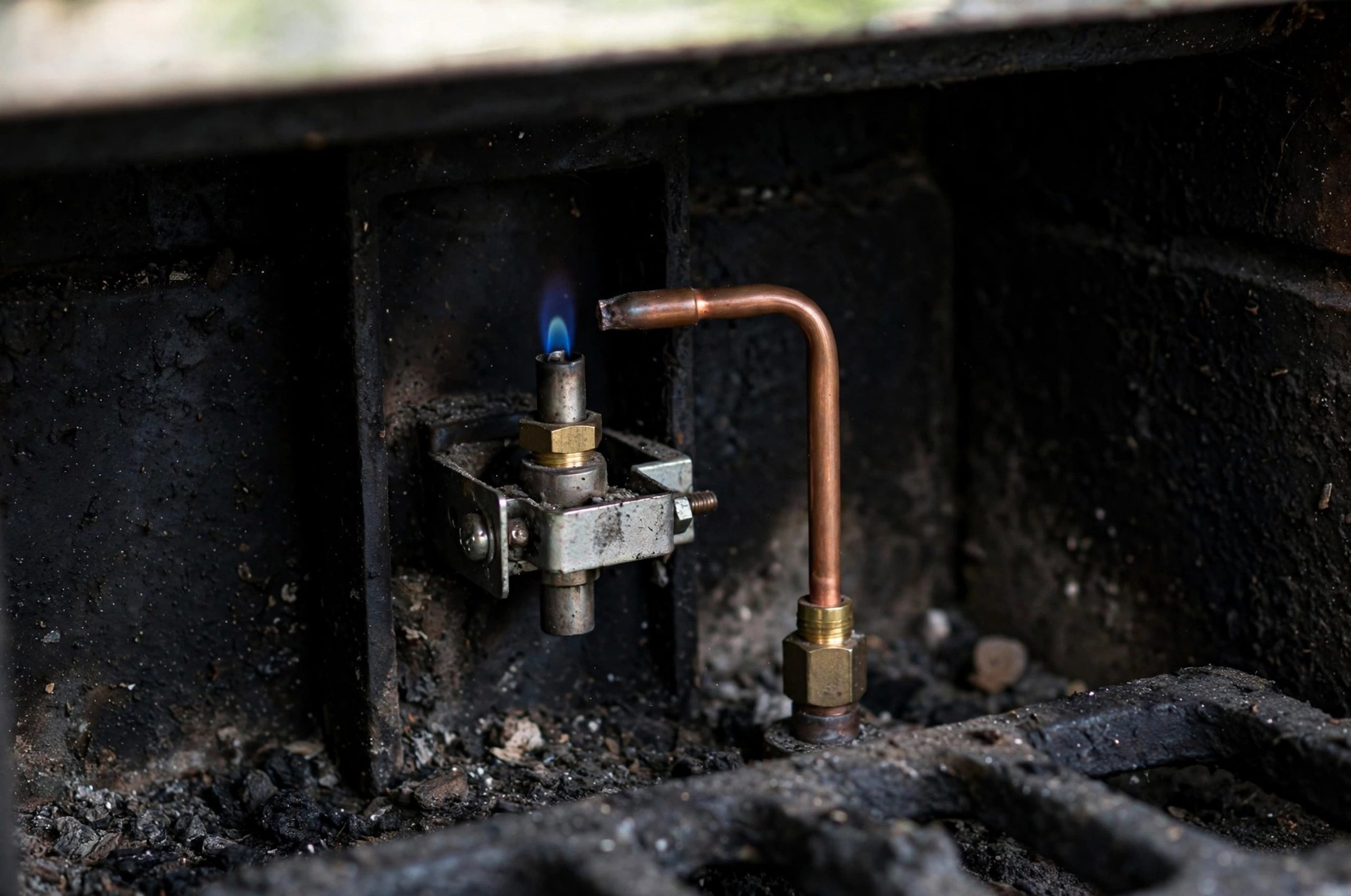
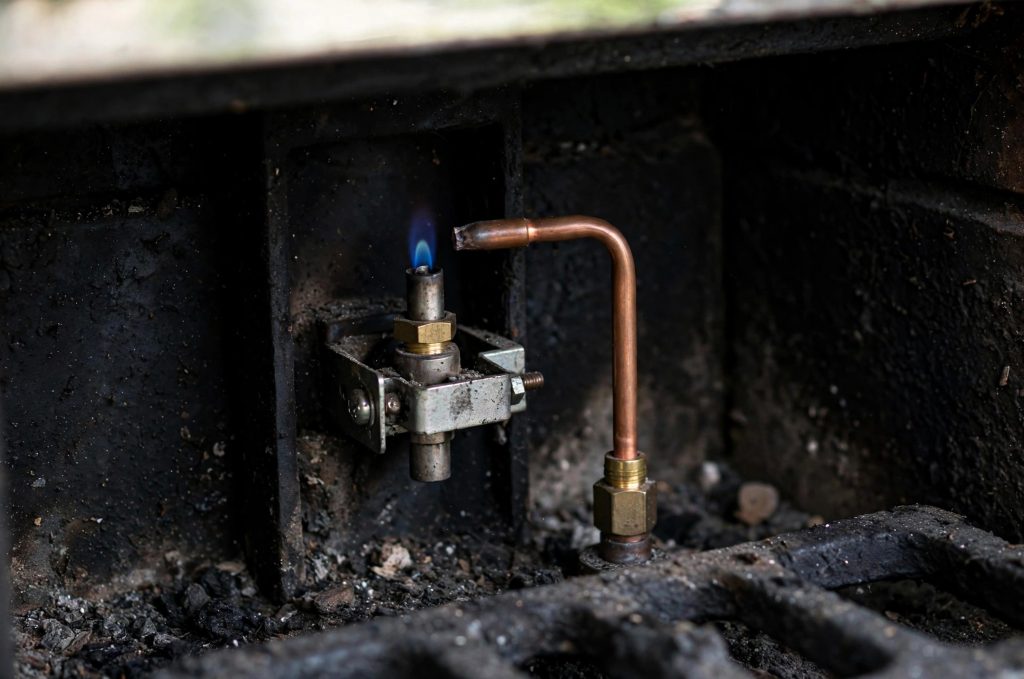
Your gas fireplace has a small pilot flame that burns all the time (in standing-pilot models) or lights on demand (in intermittent-pilot models). Next to the pilot sits a thermocouple, a thin metal probe that acts as a safety sensor. When the pilot flame heats the thermocouple, it produces a tiny electric charge that tells the gas valve to stay open. If the thermocouple cools, the valve shuts and the gas stops flowing. That is the whole safety system in a nutshell (Fireplace Adviser).
When the pilot keeps going out, it means something in that chain is failing: the flame is too weak, the sensor cannot feel the heat, or the gas supply is interrupted.
Cause 1: A Dirty or Failing Thermocouple
Many homeowners find that gas fireplace pilot light keeps going out is easier than they expected once they know the basics.
Many homeowners find that gas fireplace pilot light keeps going out is easier than they expected once they know the basics.
The key to gas fireplace pilot light keeps going out is choosing the right approach for your space and budget.
This is the number one cause. The thermocouple sits in the flame for years, collecting soot and oxidation. Over time it wears out, and a worn thermocouple cannot produce enough voltage to hold the gas valve open. Most thermocouples last five to ten years of steady use (Wellbeing Makeover).
What to try: With the gas off and the unit fully cool, find the thermocouple. It looks like a small copper rod next to the pilot assembly. Gently clean the tip with fine-grit sandpaper or emery cloth to remove soot and corrosion. Check that it sits about a quarter to a half inch into the pilot flame. If it has been bent away from the flame, carefully bend it back.
How to test: A healthy thermocouple produces at least 25 millivolts when heated by the pilot flame. You can check this with a multimeter set to millivolts. A reading below that range means replacement is due (Genesis Home Services).
Replacement thermocouples are cheap, often under thirty dollars, and swapping one is a straightforward job for anyone comfortable around gas appliances. If you are not comfortable, a service visit for this is usually quick.
Cause 2: Loose Thermocouple Connection
The key to gas fireplace pilot light keeps going out is choosing the right approach for your space and budget.
With a little planning, gas fireplace pilot light keeps going out can fit even a busy schedule.
Sometimes the thermocouple is fine but its connection to the gas valve has worked loose from vibration and heat cycles. A loose connection breaks the signal and the valve shuts, killing the pilot.
What to try: With the gas off, check where the thermocouple nut meets the gas valve. Snug it gently with a wrench. Do not overtighten. Fireplace Adviser's thermocouple guide lists loose connections as one of the most common and easiest fixes (Fireplace Adviser).
Cause 3: A Clogged Pilot Orifice
With a little planning, gas fireplace pilot light keeps going out can fit even a busy schedule.
Before you start, it helps to understand how gas fireplace pilot light keeps going out works in real homes.
The pilot orifice is a tiny opening that feeds gas to the pilot flame. Dust, spider webs, and debris can clog it, especially if the fireplace sat unused for months. A clogged orifice makes a weak, yellow, flickering flame that cannot heat the thermocouple enough. A healthy pilot flame is strong and mostly blue.
What to try: Blow out the pilot assembly with compressed air. Do not poke the orifice with a needle or pin, which can enlarge the hole and make the problem worse. If compressed air does not clear it, have a technician clean the pilot assembly (Chimney.com).
Cause 4: Drafts Blowing Out the Flame
Before you start, it helps to understand how gas fireplace pilot light keeps going out works in real homes.
A good plan for gas fireplace pilot light keeps going out saves time, money, and frustration.
If the pilot goes out more often on windy days, a draft is likely the culprit. Strong air currents can come down the chimney or through gaps in the firebox and snuff the small pilot flame.
What to try: Check that your chimney cap is in place and undamaged. A missing or damaged cap lets wind and downdrafts pour straight in. A quality chimney cap also keeps out rain, birds, and debris. Check the glass door gasket and firebox seals too. Worn seals let room drafts reach the pilot.
Cause 5: Low Gas Pressure or Supply Problems
A good plan for gas fireplace pilot light keeps going out saves time, money, and frustration.
For most people, gas fireplace pilot light keeps going out comes down to a few smart choices.
The pilot needs steady gas pressure. If the manual shutoff valve near the fireplace is only partly open, the flame will be weak. If other gas appliances in the house are also running poorly, the problem may be the supply itself.
What to try: Make sure the shutoff valve is fully open. If the whole house seems affected, call your gas utility. Gas pressure problems are not a DIY fix. Genesis Home Services notes that low pressure or a partially closed valve is a common cause of weak pilot flames (Genesis Home Services).
The key to gas fireplace pilot light keeps going out is to take it one step at a time.
Cause 6: A Failing Thermopile
For most people, gas fireplace pilot light keeps going out comes down to a few smart choices.
Some fireplaces use a thermopile instead of, or in addition to, a thermocouple. The thermopile powers the control valve and the remote receiver. A weak thermopile produces low millivolts and causes intermittent shutoffs, especially in cold weather. A healthy thermopile reads roughly 300 to 750 millivolts. If yours reads low after cleaning, replacement is the fix.
Cause 7: A Bad Gas Valve
If you are new to gas fireplace pilot light keeps going out, start with the simplest option and build from there.
If the thermocouple, connections, pilot assembly, and gas supply all check out, the gas valve itself may be failing. This is rare but it happens. Gas valve replacement is strictly a job for a qualified technician. Do not attempt it yourself.
Safety Rules to Follow
When it comes to gas fireplace pilot light keeps going out, getting the details right makes all the difference.
Gas work deserves respect. Follow these rules:
- If you ever smell gas and the pilot is out, do not try to relight it. Leave the house and call your gas utility.
- Always turn off the gas supply before cleaning or adjusting the pilot assembly.
- Let the unit cool completely before touching anything inside the firebox.
- Never bypass safety devices or force a valve to stay open.
- If you are unsure at any step, stop and call a professional.
Storables reminds homeowners that when in doubt, a qualified professional is the safe choice for gas fireplace work (Storables).
When to Call a Professional
Call a hearth technician if:
- You smell gas at any point.
- The thermocouple tests bad and you are not comfortable replacing it.
- The pilot orifice will not clear with compressed air.
- Multiple causes seem to overlap.
- The unit is old and has never been serviced.
The Hearth, Patio & Barbecue Association recommends an annual inspection and cleaning by a certified professional for every hearth appliance, including gas units (HPBA). A yearly visit catches worn thermocouples, dirty pilots, and aging gaskets before they leave you cold. A Fireplace Store and More notes that a pilot that keeps going out is one of the clear signs a service visit should not wait (A Fireplace Store and More).
Prevention: Keep the Pilot Healthy
A few habits will keep your pilot burning reliably:
- Have the fireplace serviced once a year before the heating season.
- Keep the area around the pilot assembly free of dust and pet hair.
- Make sure the chimney cap is secure before windy seasons.
- Do not store items against the fireplace that could block airflow.
- Replace the thermocouple on schedule rather than waiting for failure.
If you are shopping for a new unit, look at direct-vent gas fireplaces with modern intermittent pilot systems, which only light the pilot when the fireplace runs and avoid many standing-pilot problems. For installation or major repairs, a professional fireplace installation service is worth the cost for safety and warranty protection.
A pilot light that will not stay lit is annoying, but the fix is usually small: a cleaning, a tightening, or a cheap part. Work through the causes in order, respect the gas, and you will have your fire back soon.
Frequently Asked Questions
Should I leave the pilot light on all summer? You can turn it off during the months you never use the fireplace. It saves a small amount of gas. Just remember how to relight it in the fall, and have the unit checked before the heating season.
How much does it cost to replace a thermocouple? The part itself is inexpensive, often under thirty dollars. A service visit to diagnose and replace it typically costs far more than the part. Handy homeowners comfortable with gas appliances often do it themselves.
Is it safe to relight the pilot myself? Yes, if you follow the relighting instructions on the unit and smell no gas. If you smell gas, do not light anything. Leave the house and call your gas utility from outside.
Why does my pilot only go out on windy days? Wind is likely pushing downdrafts down the chimney or through gaps in the firebox. Check that the chimney cap is in place and undamaged, and check the door gaskets for wear. Fixing the draft path usually solves it. Keep this guide handy the next time gas fireplace pilot light keeps going out comes up.
References
A Fireplace Store and More. (n.d.). Fireplace maintenance: What to do every year. https://www.afireplacestoreandmore.com/why-regular-fireplace-maintenance-is-crucial-for-safety-and-efficiency/
Chimney.com. (n.d.). Why does my gas fireplace keep going out? https://www.chimney.com/blog/why-does-my-gas-fireplace-keep-going-out/
Fireplace Adviser. (n.d.). Most common gas fireplace pilot light issues & fixes. https://fireplaceadviser.com/gas-fireplace-pilot-light-issues-fixes/
Fireplace Adviser. (n.d.). Most common gas fireplace thermocouple problems & fixes. https://fireplaceadviser.com/gas-fireplace-thermocouple-problems-fixes/
Genesis Home Services. (n.d.). Pilot light won't stay lit. https://genesishomeservicesllc.com/blog/gas-fireplace-pilot-light-wont-stay-lit
Hearth, Patio & Barbecue Association. (n.d.). HPBA urges homeowners to prioritize fireplace safety during National Fireplace Month. https://hpba.org/hpba-urges-homeowners-to-prioritize-fireplace-safety-during-national-fireplace-month/
Storables. (n.d.). Why does my gas fireplace keep going out. https://storables.com/articles/why-does-my-gas-fireplace-keep-going-out/
Wellbeing Makeover. (n.d.). Pilot light on a gas fireplace: Quick fix guide. https://wellbeingmakeover.com/pilot-light-on-a-gas-fireplace/
Was this guide helpful?

About My Garden US
The My Garden US editorial team writes practical, in-depth home and garden guides for American homeowners — tested advice, no fluff.
You May Also Like
Top Rated Indoor Firewood Holders for Sale
April 12, 2026 14 views
Buy Ethanol Wall Fireplaces Online in Arizona: A Plain Guide
August 30, 2026 16 views
Pellet Stoves for Heating: Reviews and Buying Guide
May 11, 2026 17 views