
Many homeowners believe a fireplace has little place in the desert. Yet demand for reliable fireplace installation services in arizona grows each year. Nights in the high desert turn cold. Mountain towns see snow. Even Phoenix can dip into the low thirties in winter. A good fireplace brings warmth, charm, and value to a home in every part of the state.
A fireplace is not a simple purchase. It must meet local building codes. It must vent with care. Gas lines must be fitted by trained hands. A poor job can leak, smoke, or worse. This guide explains how to find a reliable installer, what types of fireplaces suit Arizona homes, what the work costs, and how to keep the unit safe for years.
Why a Good Installer Matters
A fireplace adds heat and beauty. It also adds risk if set in place by unskilled hands. Fire codes in Arizona towns are strict for good reason. Venting that is too short or too near a window can send fumes back into the room. A gas line with a weak joint can leak. A hearth that is too small can let sparks reach the floor.
A reliable installer knows the rules in each county. Maricopa County rules differ from those in Flagstaff or Tucson. The installer pulls permits when needed. He tests every joint. He shows the owner how to light, clean, and shut down the unit. That peace of mind is worth far more than a low bid.
What to Look For in an Installer: Reliable Fireplace Installation Services in Arizona
Start with the license. Arizona requires contractors to hold a state license from the Registrar of Contractors. Ask for the license number. Check that it is current and in good standing. A firm that cannot show a license should not touch a gas line in your home.
Look for proof of insurance. The company should carry general liability and workers’ compensation. Ask to see the papers. A real professional hands them over without complaint.
Check references. Ask for three recent jobs in your area. Call each homeowner. Ask if the crew arrived on time. Ask if the site stayed clean. Ask if the price matched the written quote. A steady record of happy clients is the best sign of reliable fireplace installation services in arizona.
Ask how long the firm has done this work. Fireplaces are a specialty. A general handyman may mean well but lack the training. Look for a shop that installs fireplaces and stoves every week of the year.
Get the quote in writing. The paper should list the make and model of the unit, the vent kit, the gas line work, the hearth materials, and the permit fee. It should state the start date and the end date. It should spell out the warranty on both parts and labor. Never pay the full sum up front. A deposit of one third is the common practice.
How to Choose the Right Fireplace for an Arizona Home
Gas Fireplaces
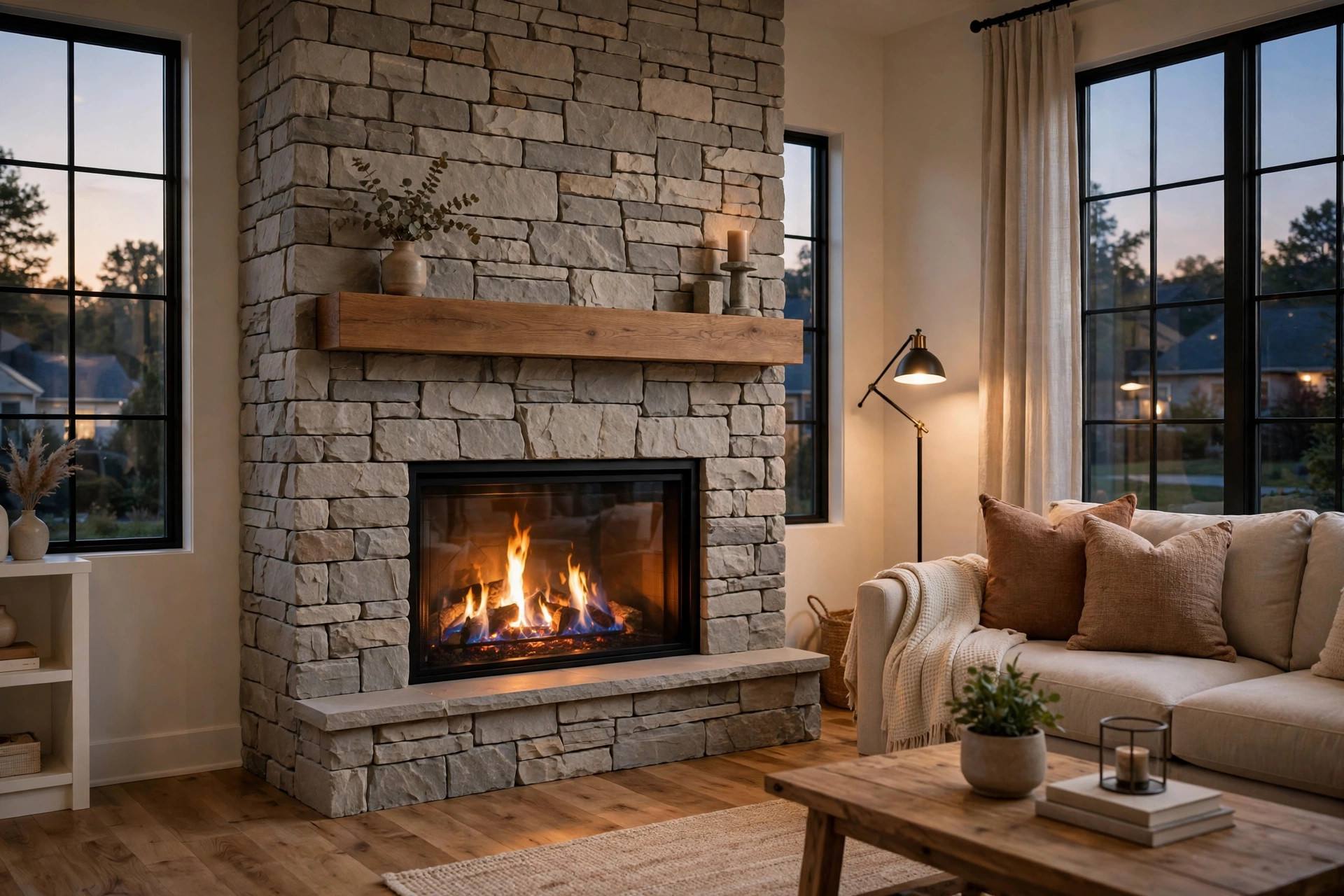
Gas is the most popular choice in Arizona. A gas log set in an existing masonry box can cost less than a full rebuild. A direct-vent gas insert seals tight and draws air from outside. These units need no chimney sweep and light with a switch or remote.
Gas suits the desert well. It gives instant heat on a cold desert night. It shuts off just as fast. Modern units burn clean and meet strict air rules in Maricopa and Pima counties.
Electric Fireplaces
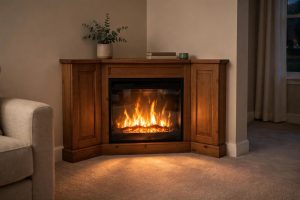
An electric unit is simple to install. It needs only a standard outlet. No vent. No gas line. No permit in most towns. An electric fireplace mantel can look like fine wood furniture while it warms a small room.
The heat output is modest. A large living room may need more. But for a bedroom, den, or condo, electric is a safe and low-cost answer.
Wood-Burning Fireplaces
Some owners love the crackle of real wood. Arizona allows wood fireplaces in many areas, but rules tighten during high fire danger days. In the Valley, the county calls “no burn” days when air quality is poor. High efficiency gas log sets and EPA-certified wood stoves are cleaner options worth a look.
A wood unit needs a sound chimney and a clear spark arrestor. In forest towns like Prescott or Show Low, the local fire district may ask for extra clearances. Your installer should know these rules by heart.
Pellet Stoves
A freestanding stove that burns wood pellets can heat a whole small home. Pellets come in bags and feed from a hopper. The stove lights itself and holds a steady temperature. Many mountain homes use them as the main heat source.
They do need power to run the auger and fan. A battery backup keeps them going in a storm.
Cost and Price in Arizona
Prices vary by type and by home. A simple gas log set, set into an old fireplace, often runs from $1,500 to $3,000 installed. A direct-vent gas insert usually falls between $3,500 and $6,500 with the vent kit and labor. A full new gas fireplace with framing and finish work can reach $7,000 to $12,000.
Electric units cost less to set. The unit itself runs $400 to $2,500. A mantel package and basic wiring can bring the total to $1,000 to $4,000.
Wood-burning installs cost more. A new prefabricated wood fireplace with chimney often runs $8,000 to $15,000. Masonry rebuilds climb higher still.
Get three written bids. Compare the same scope of work. The lowest price is not always the best value. A firm with a strong warranty and a clean record is worth a fair price. Ask what the bid leaves out. Some quotes skip the permit fee or the finish trim. Surprises at the end help no one.
Keep a small reserve of ten percent. Old homes often hide dry rot or weak framing behind the wall. A good installer warns you of this chance in advance.
Care and Upkeep After Installation
A new fireplace needs little care, but it needs regular care. Gas units should be serviced once a year. A technician cleans the glass, checks the pilot, tests the gas joints, and makes sure the vent is clear. Many owners schedule this visit in early fall, before the first cold night.
Wood units need more work. The chimney should be swept each year if the fireplace sees steady use. Creosote builds up inside the flue. It can catch fire. A certified sweep removes it and checks the liner for cracks. Guidance on safe home heating from the federal government backs up this yearly habit.
Electric units ask the least. Dust the vents. Check the cord each season. Replace the light bulbs that make the flame effect when they dim.
Store wood off the ground and away from the house. Dry wood burns cleaner and leaves less creosote. Never burn trash, painted boards, or treated lumber. They release harsh fumes.
Safety in the Desert Climate
Arizona brings its own safety notes. Dust storms can clog an outdoor vent cap. Check the cap after a big storm. Pack rats and birds love to nest in open flues. A good cap with a screen keeps them out.
Monsoon rains can drive water down a chimney. A rain cap and a sound flashing keep the flue dry. Your installer should check the roof flashing as part of the job.
Keep a working smoke alarm and carbon monoxide alarm near the fireplace. Test them each month. Change the batteries when the seasons change. Keep a small fire extinguisher within reach of the hearth.
Give the unit clear space. Keep furniture, curtains, and rugs at least three feet from the front of a wood or gas fireplace. Children and pets need a hearth gate. The glass front of a gas unit can reach high heat even when the room feels mild.
Read the owner’s manual that comes with the unit. Each model has its own limits. Follow them. A fireplace used as the maker intended will serve for decades.
Finding Installers Near You
Start with the maker. Many fireplace brands list trained dealers on their sites. A dealer trained by the factory knows the product line well. You can also browse project ideas and contractor tips to learn what a quality job looks like before you call.
Home improvement retailers often keep lists of local installers. The big stores vet these firms for license and insurance. That does not replace your own checks, but it is a fair starting point. For independent heating product research, testing labs publish ratings that help you compare models, and a home improvement store lets you see units in person before you buy.
Ask neighbors. A referral from a friend who had a smooth install is gold. Ask local hearth shops too. Even a shop that does not serve your town may know a good firm that does.
Watch for red flags. A firm that asks for full payment in cash up front is a risk. A firm with no fixed address is a risk. A bid that is half the price of the others often hides missing work. Trust your sense. A steady, plain-spoken contractor beats a smooth talker every time.
Frequently Asked Questions
Do I need a permit to install a fireplace in Arizona? In most cases, yes. Gas line work always needs a permit and an inspection. A new vent through the roof needs one too. A simple electric unit that plugs into an existing outlet usually does not. Your installer should pull the permit. Never let a contractor talk you into skipping it.
How long does installation take? A gas log set can be done in half a day. A gas insert often takes one full day. A brand new fireplace with framing, venting, and finish work can take three to five days. Weather and permit timing can add days. Ask for a written schedule.
Can I install a fireplace myself? Small electric units, yes. Anything with gas, venting, or a chimney, no. Gas work done wrong can kill. Vent work done wrong can fill a home with fumes. The license and the training exist to protect you. For step-by-step project guidance, study the basics, then hire a pro for the real work.
Which fireplace type is best for Phoenix? Most Phoenix owners pick gas. It gives quick heat for the few cold months and needs no wood storage. Electric is a close second for condos and small rooms. Wood makes less sense in the Valley, where burn bans are common.
Which type is best for Flagstaff or the White Mountains? Wood and pellet units shine in the high country. They give strong heat through long cold spells. A freestanding pellet stove can carry a cabin through winter. Gas works too, but wood fits the mountain life and the fuel is close at hand.
Will a fireplace raise my home value? Often, yes. A clean, safe, modern fireplace is a selling point in Arizona mountain towns. In the Valley it adds charm more than heat. A sloppy install adds nothing. Keep the permit records and the warranty papers for the next buyer.
A Short Final Word
A fireplace is a fine addition to an Arizona home when the work is done right. Take time to pick the right type for your town and your budget. Check the license. Read the written quote. Ask hard questions. The best installers welcome them. Then enjoy the warm glow on a cold desert night, knowing the job behind it was sound.
For more ideas on fireplace styles and home projects, browse trusted home guides. For efficient heating choices, federal resources explain what the labels mean. A little study now pays off in comfort for years.
References
Consumer Reports. (n.d.). Product reviews and ratings. https://www.consumerreports.org Family Handyman. (n.d.). DIY home repair and maintenance. https://www.familyhandyman.com Heatilator. (n.d.). Fireplaces and fireplace products. https://www.heatilator.com Lowe’s. (n.d.). Home improvement products. https://www.lowes.com Napoleon. (n.d.). Fireplaces, grills, and heating products. https://www.napoleon.com The Home Depot. (n.d.). Home improvement products. https://www.homedepot.com The Spruce. (n.d.). Home and garden advice. https://www.thespruce.com This Old House. (n.d.). Home renovation guidance. https://www.thisoldhouse.com U.S. Department of Energy. (n.d.). Energy efficiency and renewable energy. https://www.energy.gov U.S. Environmental Protection Agency. (n.d.). Protecting human health and the environment. https://www.epa.gov
Was this guide helpful?

About Robert Taylor
The My Garden US editorial team writes practical, in-depth home and garden guides for American homeowners — tested advice, no fluff.
You May Also Like

EPA Certified Marble Fireplace Surrounds for Florida Homes: A Simple Buying Guide
March 5, 2026 0 views
Affordable Electric Fireplace Mantels with Free Shipping
March 13, 2026 0 views
Top Rated Outdoor Patio Heaters Buying Guide
February 5, 2026 0 views