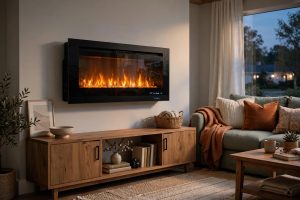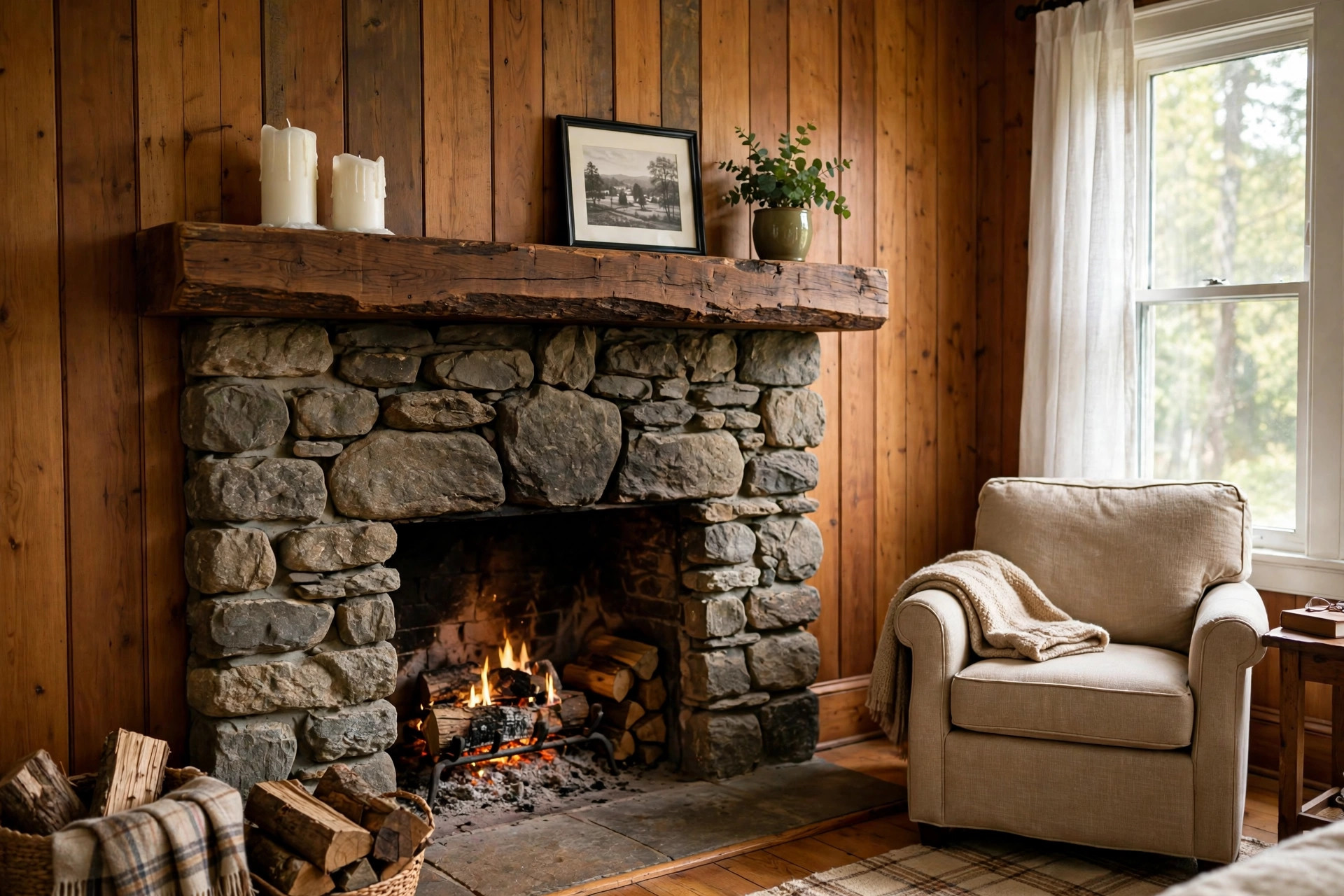

A fireplace is often the heart of a New England home. Long winters make it so. From October through April, the hearth draws the family in. A floating mantel shelf adds warmth and style to that space. It holds candles, framed pictures, and holiday wreaths. It gives the fireplace a finished look. Yet not every shelf suits every home. The search for the best floating fireplace mantels for New England homes deserves care. Climate, house style, and safety rules all play a part. This guide walks through the choices in plain terms.
Why a Floating Mantel Suits New England Homes
New England houses carry old bones. Many were built in the 1800s or early 1900s. They often have center chimneys, brick fireboxes, or fieldstone hearths. A floating mantel shelf respects this history. It mounts to the wall with hidden brackets. There are no legs, no corbels, and no posts. The shelf looks as though it grows out of the wall itself. This clean line pairs well with colonial paneling, federal moldings, and cape-style plaster.
The region also faces hard weather. Nor’easters bring cold air and wet snow. Homes heat with oil, gas, or wood. The firebox gets hot. The wall above it sees wide swings in temperature. A floating mantel shelf must stand up to that cycle year after year. Solid wood handles it best. It swells and shrinks as one piece. It does not peel or bubble the way thin veneer can.
Style matters too. New England taste runs toward the simple and the honest. A thick pine or oak beam above a stone fireplace feels right. It matches the beams in old farmhouses. It also fits newer homes built in the shingle style. Homeowners who want the top rated electric fireplace mantels for american homes often reach the same conclusion. Wood reads warm. Metal reads cold.
What to Look for When You Shop: Best Floating Fireplace Mantels for New England Homes
Start with the firebox. Measure the width of the opening. The mantel shelf should span at least the opening plus six inches on each side. A shelf that is too short looks cramped. One that is too long can crowd nearby windows or doors. Most living rooms take a shelf between 60 and 72 inches long.
Next, study the depth. Six to eight inches suits most homes. Deep enough to hold a vase or a row of candles. Shallow enough to keep clear of the heat. Check the height above the firebox too. Local codes in many New England towns ask for twelve inches of clearance between the top of the firebox opening and any wood trim. Some ask for more. Call the town building office before you drill. Rules differ from Boston to Burlington.
Look at the wood. Reclaimed barn beams have charm. They show saw marks and old nail holes. But they can hide insects or rot. New kiln-dried beams cost more yet behave better. Pine is light and cheap. Oak is hard and lasts for decades. Walnut adds dark color at a high price. Cherry starts light and darkens with age. A piece from Napoleon or a local mill can show what each species looks like in person.
Check the mounting system. The best floating fireplace mantels for New England homes use a steel rod system or a heavy-duty french cleat. The rods sink into the wall studs or the masonry. The beam slides over them. A french cleat spreads the load across a wide board. Cheap hollow boxes with light brackets sag over time. Ask the seller how much weight the mount can hold. Fifty pounds is a fair minimum for a working shelf.
Finish counts. An oil finish soaks in and shows the grain. Polyurethane seals the surface and wipes clean. Paint works for a white farmhouse look but needs touch-ups near heat. Many buyers read guides at The Spruce before they choose between oil and polyurethane.
Types and Options
Solid Wood Beams
These are the classic choice. A single chunk of wood, cut from a log or a barn timber. Thickness runs from four to eight inches. They look best over fieldstone or brick. Weight can top 100 pounds. Two people and a stud finder are needed for the job. Beam style ranks high among buyers hunting the best floating fireplace mantels for New England homes.
Boxed Mantel Shelves
A boxed shelf is hollow inside. It looks like a solid beam but weighs far less. Carpenters build them from oak or pine boards. The hollow core slides over a mounting plate on the wall. They cost less than solid beams. They also hang easier. The trade-off is strength. Keep heavy items off them.
Rustic and Live Edge
Live edge shelves keep the natural edge of the tree. Bark is stripped off. The wavy line stays. This style suits cabins in Vermont and lake houses in Maine. It pairs well with rough stone. Each piece is one of a kind. Prices swing wide based on the species and length.
Painted and Modern
Some homeowners want a smooth white shelf over a painted brick fireplace. A boxed shelf with paint-grade poplar does this well. The lines stay crisp. The look fits newer colonials and renovated capes. Sand and repaint every few years to keep it fresh.
Metal and Stone Accents
Steel brackets show at the corners in some designs. Slate or granite slabs serve as thin floating shelves. These suit modern condos in Providence or Portland. They cost more and need a mason or a metal shop to cut them.
If your hearth is part of a larger heating plan, you may also look at freestanding electric stoves reviews and buying guide for a second heat source in cold months.
Cost and Price
Prices vary with wood, size, and labor. A simple boxed pine shelf, 60 inches long, can cost 80 to 150 dollars. A solid oak beam of the same length runs 200 to 450 dollars. Reclaimed hand-hewn beams sell for 300 to 700 dollars, more for rare species like chestnut. Custom pieces from a local woodworker often land between 400 and 900 dollars.
Labor adds to the bill. A carpenter may charge 150 to 300 dollars to mount a heavy beam into masonry. Drilling into old brick takes care and special anchors. If the wall needs repair or fresh paint around the shelf, add more. Big box stores like The Home Depot and Lowe’s carry ready-made shelves that a handy homeowner can hang in an afternoon. That route keeps the total under 250 dollars in most cases.
Shipping matters for heavy beams. A 72-inch oak beam can cost 60 to 100 dollars to ship. Buy local when you can. New England has many small mills and reclaimed lumber yards. They will often cut to length and drill for the mounting hardware on site.
Care and Upkeep
Wood over a fireplace faces dry heat each winter. The furnace or the fire pulls moisture from the air. Small cracks can open along the grain. A little cracking is normal and even prized in rustic beams. Deep splits call for wood filler or a call to the mill.
Dust the shelf each week. Use a dry cloth or a soft brush. Once or twice a year, feed the wood with oil if it has an oil finish. Lemon oil and mineral oil both work. Wipe on, let it sit, wipe off. Polyurethane finishes need no oil. Wipe them with a damp cloth only. Never soak the wood.
Keep flammables off the mantel. Dried flowers, paper garlands, and fabric runners can catch a spark. Real candles need care too. Use sturdy holders and keep wicks trimmed. Many New England families switch to battery candles during the deep winter when the fire runs every night.
Check the mount once a year. Look for gaps where the shelf meets the wall. Press down gently on each end. Any wobble means the hardware has loosened. Tighten it before the shelf takes a load. Guides at This Old House and Family Handyman show how to test a wall mount with simple tools.
Safety
Safety comes first with any fireplace project. The firebox throws heat upward. Wood trim too close to the opening can scorch or catch fire. Most codes ask for at least 12 inches of clearance above the opening for a wood shelf. Thicker shelves may need more room. The EPA publishes guidance on safe home heating that every homeowner should read.
Use a fireplace screen. A mesh screen or glass doors keep sparks off the rug and off the mantel. Buyers often pair a new shelf with a fireplace glass doors reviews and buying guide to complete the project. Brands such as Heatilator make factory-built units with clear clearance charts. Follow the chart that ships with your unit. It beats any rule of thumb.
If you burn wood, get the chimney swept each year. Creosote builds up in the flue. It can ignite. A clean chimney runs cooler and safer. Keep a fire extinguisher in the room. Test smoke and carbon monoxide alarms each fall.
Never mount a mantel shelf over a fireplace that is still under construction. Let masonry cure fully. Wet mortar and hot fires do not mix. Wait the time your mason tells you. It is often a month or more.
Frequently Asked Questions
How high should a floating mantel sit above the fireplace? Most installers place the bottom of the shelf 12 to 18 inches above the top of the firebox opening. Check your local code. Some towns ask for more clearance. The shelf should also sit at a height that feels right with the ceiling. In rooms with eight-foot ceilings, 54 to 60 inches from the floor is common.
What is the best wood for a mantel over a working fireplace? Oak, hickory, and maple take heat well and resist dents. Pine works too but dents easier. Reclaimed beams add character. Kiln-dried new wood moves less with the seasons. Avoid soft, sappy woods like fresh cedar near an open fire.
Can I install a floating mantel on a brick fireplace myself? Yes, with the right tools. You need a hammer drill, masonry bits, and sleeve anchors or a steel rod kit. Mark the studs or the solid mortar joints first. Heavy beams need two people. If the brick is old and crumbling, hire a mason. Loose brick will not hold anchors.
Will a wood mantel crack above a gas fireplace? It can. Gas units put out steady dry heat. This dries the wood and can open small cracks. Choose kiln-dried wood and keep the shelf at the recommended clearance. An oil finish helps slow moisture loss. Small surface checks are normal and do not weaken the beam.
How much weight can a floating mantel hold? It depends on the mount. A steel rod system set into studs can hold 50 to 100 pounds. A french cleat on masonry can hold similar loads. Hollow box shelves hold less, often 25 to 40 pounds. Keep heavy books and large vases off the shelf. Use it for light decor.
Where can I buy a floating mantel in New England? Local lumber yards, reclaimed wood shops, and custom woodworkers are good first stops. They know the regional styles and the local codes. Big retailers also stock ready-made shelves for quick projects. Compare the wood species and the mounting hardware before you decide.
A Short Final Word
The best floating fireplace mantels for New England homes blend old charm with sound building. A solid wood beam, hung right, can serve for fifty years. Measure twice. Check the code. Buy the best wood you can afford. Hang it level and true. Then dress it for the season. Pine boughs in December. Sea glass in July. The hearth will reward you with the one thing New England winters demand. A warm place to gather.
References
Family Handyman. (n.d.). DIY home repair and maintenance. https://www.familyhandyman.com Heatilator. (n.d.). Fireplaces and fireplace products. https://www.heatilator.com Lowe’s. (n.d.). Home improvement products. https://www.lowes.com Napoleon. (n.d.). Fireplaces, grills, and heating products. https://www.napoleon.com The Home Depot. (n.d.). Home improvement products. https://www.homedepot.com The Spruce. (n.d.). Home and garden advice. https://www.thespruce.com This Old House. (n.d.). Home renovation guidance. https://www.thisoldhouse.com U.S. Environmental Protection Agency. (n.d.). Protecting human health and the environment. https://www.epa.gov
Was this guide helpful?

About Jennifer Lee
The My Garden US editorial team writes practical, in-depth home and garden guides for American homeowners — tested advice, no fluff.
You May Also Like
Top Rated Fireplace Installation Services Reviews: A Homeowner’s Guide
August 29, 2026 0 views
Buy Fireplace Blowers and Fans Online in Texas: A Complete Guide
March 29, 2026 0 views
Premium Outdoor Patio Heaters for Sale: A Simple Buying Guide
March 17, 2026 0 views