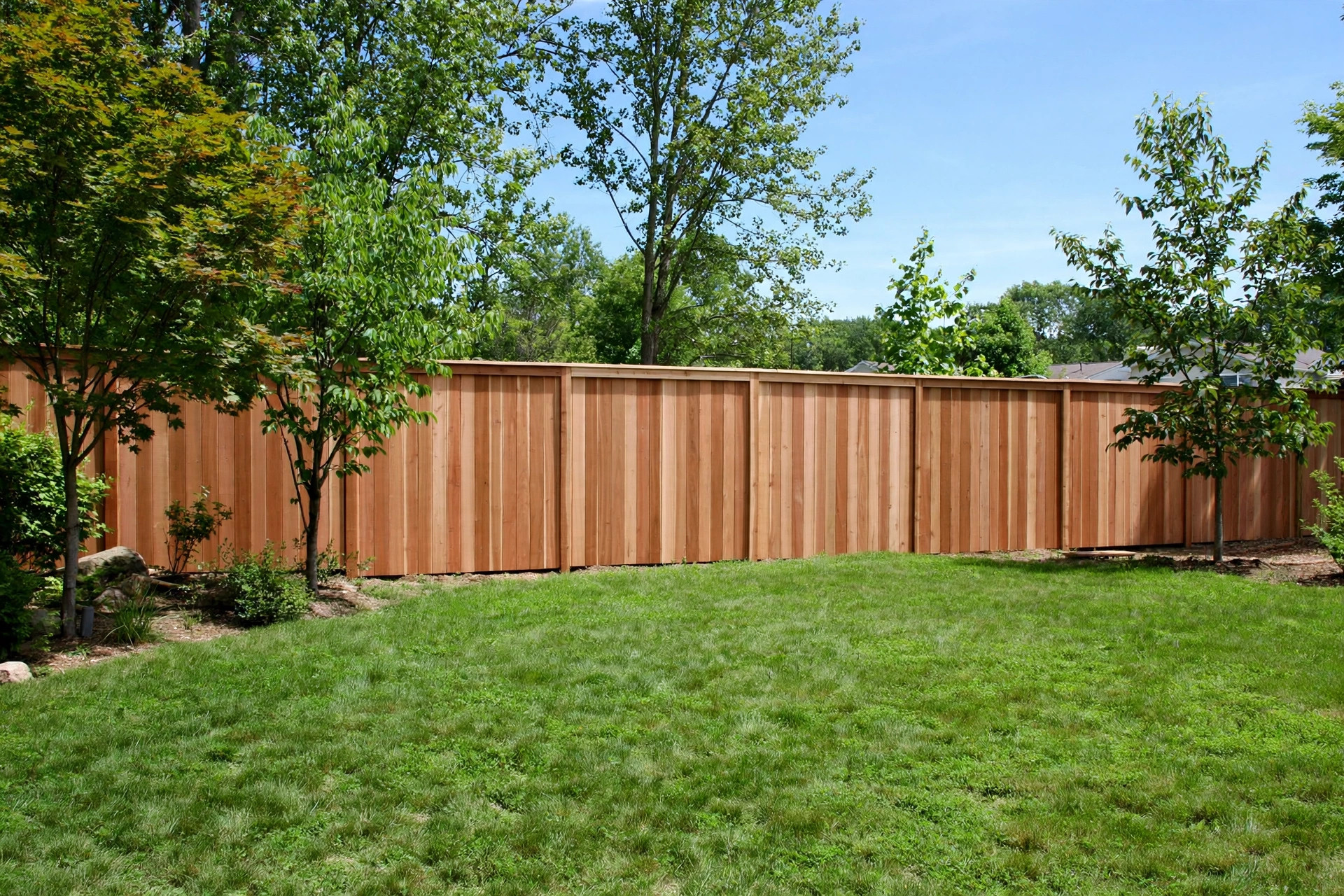

A new fence can change the way a home feels. It can add privacy, keep pets and children safe, and give a yard a clean and finished look. When homeowners search for the best fence installation contractors near me, they want a crew that shows up on time, builds straight and solid, and charges a fair price.
Why It Matters
A fence is one of the first things people see when they come to a house. It also does hard work every day. It stands in rain, wind, snow, and heat. A fence built by the best fence installation contractors near me will stand straight for many years. A fence built by a poor crew may lean, warp, or fall apart in two or three seasons.
There is more at stake than looks. A fence marks the edge of your land. If posts are set on the wrong side of the line, you may face a dispute with a neighbor. Good contractors check property lines before they dig. They also check local rules about fence height and permits, and they file the paper work.
Safety is another reason to hire well. Contractors must call the utility marking service before they dig post holes. A post hole auger can cut a gas line, an electric line, or a water main if no one checks first. Professionals take this step every time. It is the law in most states, and it protects your home and your street.
A well built fence also adds value. A solid, neat fence helps a home sell faster, especially for buyers with dogs or small children. A sloppy fence can make buyers worry about hidden problems with the rest of the house.
What to Look for When You Hire: Best Fence Installation Contractors near Me
Finding the best fence installation contractors near me takes a little homework. The search itself is simple. Ask friends and neighbors who they used. Read online reviews with care, looking for comments about punctuality, clean work sites, and fences that still look good years later. Then narrow the list to three or four companies and get written bids from each.
Check the license first. Most states and many cities require fence contractors to hold a contractor license. Ask for the license number and check it with your state licensing board. Next, ask for proof of insurance. A real contractor carries general liability insurance and workers compensation. If a worker is hurt on your land and the company has no insurance, you could be held responsible.
Look at past work. Ask each contractor for photos of recent jobs and the addresses of two or three finished fences you can drive past. A proud contractor will be glad to show them. You can also look for ideas about how pros build other outdoor projects, like those described in a top rated retaining wall builders reviews guide, which uses the same eye for solid posts and straight lines.
Get everything in writing. A clear contract should list the type and height of the fence, the material, the total length in feet, the number and size of gates, the start and finish dates, the payment schedule, and the warranty. Never pay the full price before the work begins. A deposit of one third or less is normal.
Ask how they set posts. Posts carry the whole fence. In most of the country, posts should be set at least 30 inches deep, with the bottom below the frost line in cold states. Many good crews set posts in concrete and crown the concrete so water runs away from the wood. Ask what wood they use and whether it is pressure treated or cedar. Home guides at places like The Spruce publish plain language primers on wood choices for outdoor builds.
Ask about the crew itself. Will the company owner be on site, or a foreman you can reach by phone? A standard 150 foot wood privacy fence usually takes two to four days with a trained crew. A single worker with a pickup truck may take two weeks or more, and the quality often shows it.
Finally, ask about the warranty. The best fence installation contractors near me offer at least a one year warranty on labor. Material warranties come from the maker of the fence parts. Get both warranties in writing.
Types of Fences and Services
Fence contractors build several common types of fence. Each has its own strengths and price.
Wood privacy fences are the most popular in American suburbs. They use vertical boards, usually six feet tall, with small gaps or none at all. Vinyl fences look like painted wood but never need painting, though they cost more up front. Chain link is the cheapest choice, strong and fast to install, but it gives no privacy unless slats are added. Aluminum and steel ornamental fences look like wrought iron and are common around pools and front yards. Composite fences mix wood fiber and plastic; they look like wood and resist rot, but they are heavy and pricey.
Beyond the fence itself, most contractors offer related services. Many will remove and haul away an old fence. Many build gates, which cost more than plain fence line because of the hardware and the careful fitting. Some contractors also repair fences, replacing broken boards, leaning posts, and bad gates. If you only need a small fix, a repair crew may be the better value. For entry upgrades, some homeowners pair a new fence with a new front door; a best storm door installation near me search follows the same hiring steps described here.
Some companies sell fence parts to do it yourself builders. Buying from a pro shop can be a good deal, but think twice before you build a long fence yourself. Setting posts straight and level over a long run is skilled work, and a crooked fence is hard to fix.
Retailers such as The Home Depot and Lowe’s carry fence panels, posts, and gates, and their sites list typical material prices that help you judge a bid. Trade writers at This Old House and Bob Vila explain fence types in plain terms, and hands on guides at Family Handyman show what a correct post setting looks like.
Cost and Price
Fence prices are usually quoted per linear foot. The total depends on the material, the height, the length, the ground, and the number of gates. In 2026, a wood privacy fence installed by a contractor often costs between 30 and 60 dollars per linear foot. A 150 foot fence might run 4,500 to 9,000 dollars. Vinyl often costs 45 to 75 dollars per foot installed. Chain link often costs 15 to 30 dollars per foot. Ornamental aluminum often costs 50 to 90 dollars per foot.
Several factors push the price up. Rocky soil or heavy clay makes digging slow. A sloped yard needs stepped or racked panels, which take more labor. Gates add 200 to 600 dollars each, depending on size and hardware. Removing an old fence adds labor and dump fees, often 3 to 8 dollars per foot. If the job needs a survey to mark the property line, that can add 300 to 700 dollars. Permit fees vary by town, often 50 to 200 dollars.
Get at least three bids and compare them line by line. A very low bid is a warning sign. It may mean thin materials, shallow posts, or no insurance. A very high bid may include work you do not need. Ask each bidder to break out materials, labor, gates, removal, and permits so you can see where the money goes.
Material makers publish useful background on exterior products. James Hardie and CertainTeed are known for siding rather than fences, but their homeowner guides show the same habit of comparing material life span and upkeep that smart fence buyers use. If your project also touches the house walls, a pressure treated lumber decking price comparison usa style breakdown can help you think about wood costs across the whole yard.
Watch for hidden charges. Ask whether the bid includes the cleanup of scraps and concrete bags and the repair of any lawn damage from trucks. Ask what happens if the crew hits rock and needs a different digging method. Put the answer in the contract.
Care and Upkeep
A new fence needs a little care to last. Wood fences should be sealed or stained within a few months of installation, once the wood has dried. A good stain with water repellent protects against sun and rain. Plan to restain every two to four years, depending on your climate. In wet regions, check the bottom of the boards each spring. Soil and mulch piled against wood will rot it. Keep a small gap between the ground and the boards, and trim grass and vines away from the fence.
Vinyl fences need only a wash. A garden hose and a soft brush remove most dirt. Do not use a high pressure washer at close range, which can scar the surface. Chain link fences need little care, but check the ties and tension wire each year and tighten what is loose. Ornamental metal fences may need a touch of paint where the coating is chipped, to stop rust before it starts.
Walk the whole fence once a year. Look for leaning posts, loose boards, sagging gates, and rusted hardware. A gate that drags on the ground will pull the posts out of line, so adjust the hinges early. Small fixes cost little.
Keep trees and shrubs in check. Roots can push posts out of line over time, and branches that rub the fence will wear the finish. Leave room for air to move around the fence so it dries after rain.
Safety
Fence work has real hazards, and the best fence installation contractors near me take them seriously. Before any digging, the crew must call 811, the national call before you dig number. Utility companies will mark buried lines with paint and flags, free of charge. Homeowners should never skip this step for a do it yourself post hole either.
On the job site, keep children and pets far from the work area. Ask the crew to keep tools and materials in one place and to clean up nails and screws at the end of each day. A single nail in a driveway can puncture a tire.
Concrete dust and pressure treated wood dust irritate lungs and skin. Good crews wear masks and gloves when they cut and mix. If you are near the work, stay upwind of the cutting area.
Check the weather plan. Posts set in concrete need dry hours to cure. A good contractor will not set posts in a downpour and will reschedule rather than rush. After the job, ask where the gates swing and make sure they do not open onto a street or block a walkway. For pool fences, most codes require self closing, self latching gates and a minimum height, often four feet. These rules save lives, and your contractor should know them.
Consumer testing groups such as Consumer Reports publish safety minded buying advice for home products, and the U.S. Department of Energy offers plain guidance on planning outdoor home projects.
FAQ
How long does a fence installation take? A trained crew can build a standard 150 foot wood privacy fence in two to four working days. Vinyl and ornamental metal take about the same. Chain link goes faster, often one to two days. Bad weather, rocky soil, or a long run can add days.
Do I need a permit to build a fence? In many towns, yes, especially for fences over four to six feet tall. Some towns also limit fence types in front yards. The best fence installation contractors near me will pull the permit for you or tell you exactly which office to visit. Never skip the permit. A town can order an unpermitted fence taken down.
Who is responsible for the property line? You are. A contractor can follow a line you point out, but only a licensed surveyor can mark the legal boundary with certainty. If you are unsure where your line is, pay for a survey before the crew digs.
Wood, vinyl, or chain link: which lasts longest? Vinyl and ornamental metal usually last the longest, often 20 to 30 years with little care. A well built cedar fence can last 15 to 20 years. Pressure treated pine often lasts 10 to 15 years. Chain link lasts 15 to 20 years but shows rust over time. Local climate matters more than any single number.
Should I stain or seal a new wood fence right away? Wait until the wood dries, usually four to twelve weeks after installation for pressure treated lumber. Then apply a stain with water repellent. Follow the stain maker directions for temperature and drying time.
What should I do if my neighbor objects to the fence? Talk first and listen. Show them the plan and the height. Many towns require the finished side to face the neighbor. If talks fail, check your local fence law before you build.
A Final Word
The best fence installation contractors near me are not always the cheapest or the closest. They are the ones with a license, insurance, references you can see, and a written contract that spells out every detail. Take a week to gather bids, check past work, and ask hard questions about posts, materials, and warranties. Built right, a fence will serve your family for decades with only modest care. Choose with care, and it will be one of the best improvements you ever make to your home.
References
Bob Vila. (n.d.). Home improvement advice. https://www.bobvila.com CertainTeed. (n.d.). Building materials and exterior products. https://www.certainteed.com Consumer Reports. (n.d.). Product reviews and ratings. https://www.consumerreports.org Family Handyman. (n.d.). DIY home repair and maintenance. https://www.familyhandyman.com James Hardie. (n.d.). Fiber cement siding and exterior products. https://www.jameshardie.com Lowe’s. (n.d.). Home improvement products. https://www.lowes.com The Home Depot. (n.d.). Home improvement products. https://www.homedepot.com The Spruce. (n.d.). Home and garden advice. https://www.thespruce.com This Old House. (n.d.). Home renovation guidance. https://www.thisoldhouse.com U.S. Department of Energy. (n.d.). Energy efficiency and renewable energy. https://www.energy.gov
Was this guide helpful?

About Sarah Mitchell
The My Garden US editorial team writes practical, in-depth home and garden guides for American homeowners — tested advice, no fluff.
You May Also Like
Energy Efficient House Power Washing Services Near Me
February 14, 2026 0 views
Top Rated House Number Plaques for Florida Homes: A Practical Guide
September 1, 2026 0 views
Insulated Vinyl Siding Price Comparison USA
May 5, 2026 0 views