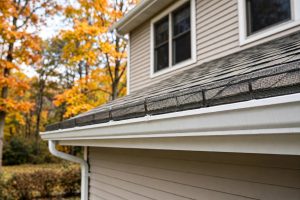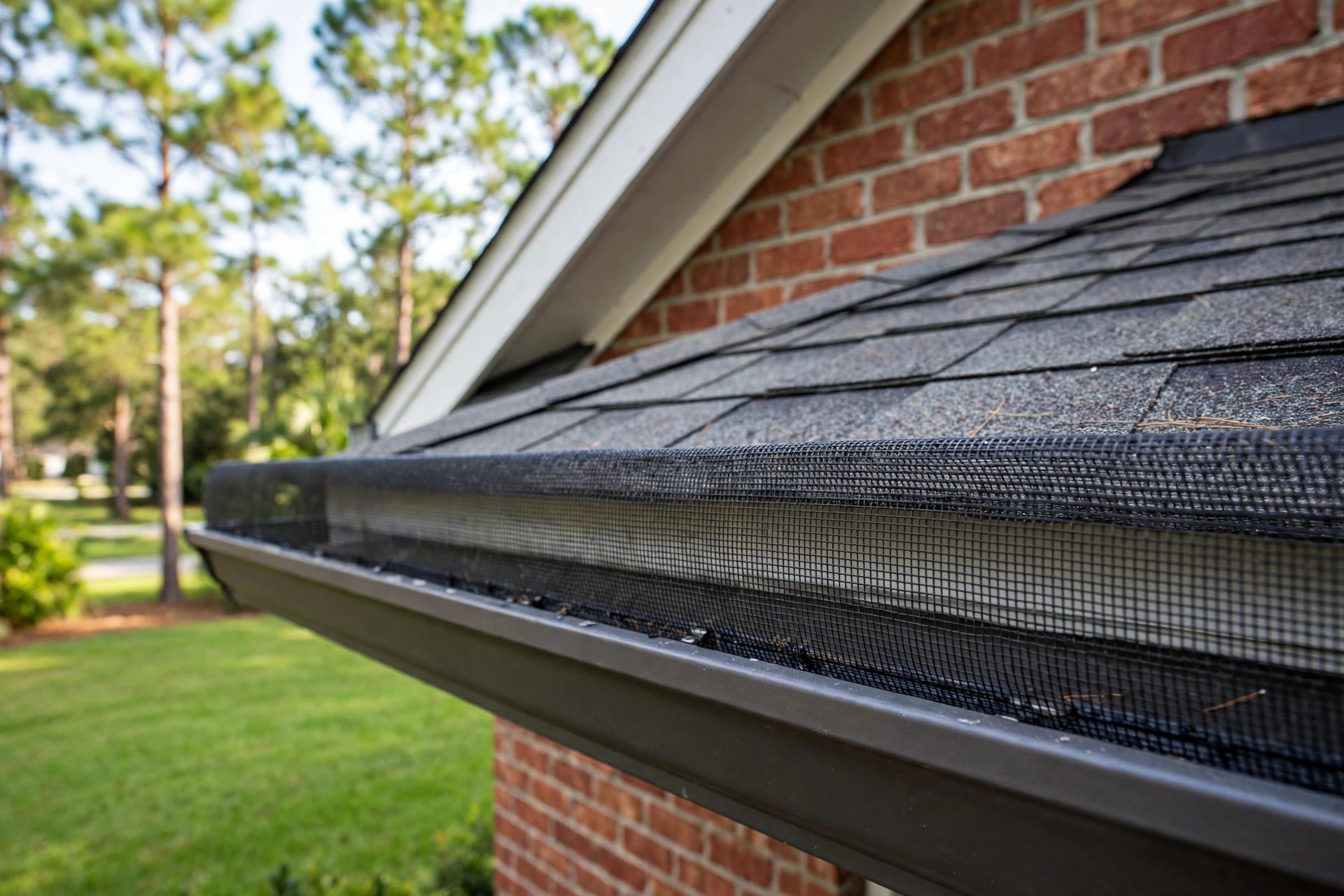

Homes in the South face hard weather. Summer storms bring heavy rain in short bursts. Tall pine trees drop needles all year. Humid air grows mold on every surface. The best seamless gutter guards for southern states stand up to all of this. They keep leaves and pine needles out of the gutters. They let water flow freely even during fast storms. A good guard also survives strong sun without warping or cracking. This guide explains what to look for, what types exist, and what they cost. It also covers care, safety, and common questions. By the end, you will know how to pick the right gutter guard for a southern home.
Why Gutter Guards Matter in the South
Clogged gutters cause real damage. Water spills over the edge instead of flowing to the downspout. It lands near the foundation. Over time, it can crack the foundation or flood a basement. In the South, this risk is higher. Storms often drop two or three inches of rain in a single hour. A gutter full of pine needles cannot handle that much water.
Southern homes also deal with pests. Standing water in a clogged gutter breeds mosquitoes. Rotting leaves attract ants and termites. Birds build nests in the soft debris. A gutter guard blocks the debris, so water keeps moving and pests lose their home. Many home and garden guides note that keeping gutters clear is one of the simplest ways to cut down on insects near the house.
Heat is another enemy. Gutters in Texas, Florida, Georgia, and the Carolinas sit in strong sun for months. Cheap plastic guards can warp and sag in the heat. Once they sag, gaps open at the edges. Leaves slip in through the gaps. That is why material choice matters so much in southern states.
Trees add to the trouble. Pine trees shed needles in every season. Live oaks drop leaves in spring. Sweet gums drop spiky seed balls. Each type of debris needs a different kind of screen. Many northern guides ignore pine needles. Southern buyers cannot.
What to Look for in a Seamless Gutter Guard: Best Seamless Gutter Guards for Southern States
Start with the mesh size. Micro mesh guards have tiny holes. They block pine needles and shingle grit. Guards with large holes let small debris pass through. In the South, micro mesh is often the safest pick.
Check the material next. Stainless steel mesh lasts the longest. It resists rust in humid air. Aluminum frames are light and strong. They do not rust. Plastic frames cost less, but heat can warp them over time. For southern summers, metal beats plastic.
Look at how the guard attaches. Some guards snap under the shingles. Others screw into the gutter lip. Guards that screw in place hold firm in high winds. Southern storms bring gusts that can lift loose guards off the gutter. A secure fit matters during hurricane season.
Make sure the guard handles heavy flow. Some fine screens shed water too well. Rain slides over the top instead of dropping in. This problem is called overshoot. Guards with a raised nose or a steep angle handle fast rain better. Ask the seller how the guard performs in heavy downpours.
Fit is also key. Seamless gutters come in standard sizes, most often five inch or six inch. The guard must match the gutter width. A guard that is too narrow leaves a gap. A guard that is too wide will not sit flat. Measure your gutters before you order. Large home improvement retailers carry guards in both standard sizes, so matching your gutter width is easy once you know it.
Think about the roof pitch. Steep roofs send water down fast. A guard on a steep roof needs a strong nose and a firm hold. Low slope roofs send water down slowly. Almost any guard works on a low slope. Your roof shape should guide your choice.
Main Types of Gutter Guards
Micro Mesh Guards
Micro mesh guards use a fine steel screen. The holes are very small. They block pine needles, seed pods, and shingle grit. Water drops through the mesh into the gutter. These are among the best seamless gutter guards for southern states with pine trees nearby. They cost more than basic screens. They also need a sturdy frame to keep the fine mesh flat. Most top rated gutter products in this class use stainless steel mesh on an aluminum frame.
Surface Tension Guards
Surface tension guards have a solid curved cover. Water follows the curve and drops into a narrow slot. Leaves and twigs fall off the edge. These guards handle heavy rain well. They are often made of aluminum. One drawback is small debris. Pine needles can slip into the slot. Homes with many pine trees may prefer micro mesh instead.
Screen Guards
Screen guards are simple metal or plastic screens. They snap or screw onto the gutter top. They block large leaves and twigs. They cost less than micro mesh. The holes are large enough for pine needles to pass through. They work best on homes with no pine trees nearby. Many do it yourself kits use this type.
Foam Inserts
Foam inserts fit inside the gutter. The porous foam blocks debris and lets water soak through. They are cheap and easy to install. In the South, they have problems. Humid air grows mold in the foam. The foam can break down in strong sun. They may need replacement every few years. They are a short term fix, not a lasting answer.
Brush Guards
Brush guards are long bristle brushes that sit in the gutter. Leaves rest on top and blow away. Water flows through the bristles. They are easy to install. Small debris can get trapped in the bristles over time. They need cleaning more often than mesh guards. They suit homes with light leaf fall.
For a related project, many homeowners also plan a full gutter upgrade at the same time. If your gutters are old or leaking, read our guide to top rated gutter installation services reviews before you buy guards. New seamless gutters and guards installed together often cost less per foot than two separate jobs.
Cost and Price Guide
Prices vary by type and by who installs them. Do it yourself screen guards cost about two to four dollars per foot. A typical home has about two hundred feet of gutter. That puts the material cost at four hundred to eight hundred dollars. You also need tools and a ladder.
Micro mesh guards cost more. Do it yourself kits run about four to seven dollars per foot. Professional installation raises the total to ten to twenty five dollars per foot. For two hundred feet, a pro job can cost two thousand to five thousand dollars. The price sounds high, but the guard can last twenty years or more.
Surface tension guards fall in the middle. Installed cost often runs eight to fifteen dollars per foot. Foam inserts and brush guards are the cheapest. Foam costs about one to two dollars per foot. Brush guards cost about three to five dollars per foot.
Labor prices are higher in large southern cities. Quotes in Atlanta, Houston, and Miami may run above the national range. Get three written quotes before you sign. Ask each company what brand they use. Ask about the warranty. A long warranty on both parts and labor is a good sign. You can compare product lines and prices at home improvement stores to see what a fair material cost looks like before the quotes come in. Homeowners who want a pro job can compare installers in our guide to energy efficient gutter installation services for homeowners.
Watch out for high pressure sales. Some companies quote a big price, then drop it fast when you hesitate. A fair price does not need games. Ask for the final price in writing. Make sure the quote lists the guard brand and the warranty terms.
Care and Upkeep
Gutter guards cut down on cleaning, but they do not end it. Check the guards twice a year. Spring and fall are good times. Look for leaves piled on top of the mesh. Brush them off with a soft broom or a leaf blower. Do not use a pressure washer. The strong spray can dent the mesh or push it out of place.
Look at the downspouts too. Guards keep big debris out, but fine dirt still washes in. Dirt can build up at the elbows. Flush each downspout with a garden hose once a year. If water backs up, take the elbow apart and clear it by hand.
Trim tree branches that hang over the roof. Less overhang means less debris. Keep branches at least six feet from the roof edge. This also helps the shingles dry faster after rain. Damp shade grows mold on shingles and siding. Makers of durable exterior siding remind owners that keeping walls and trim dry is the best defense against rot and mold.
Watch for rust and sagging. Steel mesh guards rarely rust, but the screws can. Check the screws every few years. Tighten any that have worked loose. If a section sags, water will pool on it. A sagging guard needs repair or replacement.
In pine country, expect more work. Pine needles can mat on top of fine mesh. A quick brush after windy days keeps the mesh clear. This small habit keeps the system working for years.
Safety First
Gutter work means ladder work. Most falls happen on ladders. Use a sturdy extension ladder with a firm footing. Place it on level ground. Never lean past your belt buckle to reach a far spot. Move the ladder instead. Wear gloves when you touch metal guards. The edges can be sharp.
Never clean gutters in a storm or on a wet roof. Wet shingles are slippery. Lightning is a real risk in the South. Wait for dry weather. Tell someone you are on the ladder. Keep a phone in your pocket in case you need help.
If your home is two stories, think hard about hiring a pro. A fall from twenty feet can kill. Professional crews carry the right ladders and safety gear. The cost is worth it. You can learn more about the parts around the gutter line, such as trim and boards, in our article on weather resistant soffit and fascia repair for homeowners. Trusted renovation experts also advise leaving high gutter work to trained crews.
Electrical lines are another hazard. Some homes have power lines near the gutter line. Keep metal ladders and long tools well clear of the wires. If a line touches the gutter area, call the power company before you start.
Frequently Asked Questions
Do gutter guards work with pine needles?
Yes, if you pick the right type. Micro mesh guards block pine needles well. Screen guards with large holes do not. Surface tension guards can let needles into the slot. If pine trees stand near your home, choose micro mesh with a metal frame.
Will gutter guards stop all cleaning?
No. They cut cleaning way down, but some care is still needed. Fine dirt and small seeds wash through the mesh. Leaves can pile on top of the guard. Plan on a quick check twice a year. That is far less work than cleaning open gutters four or more times a year.
Can I install gutter guards myself?
Many types are made for do it yourself work. Screen guards, foam inserts, and brush guards are simple to place. Micro mesh and surface tension guards are harder. They need exact fitting and firm fastening. If you are not steady on a ladder, hire a professional. DIY project guides can help you judge which jobs are safe for a first timer.
Do gutter guards void my roof warranty?
Some do. Guards that slide under the shingles can lift them. Some shingle makers say this voids the warranty. Ask your roofer before you install. Roofing product makers publish warranty terms that show which add ons are allowed. Choose a guard that screws to the gutter lip if you want to avoid touching the shingles.
How long do gutter guards last in the South?
It depends on the material. Stainless steel mesh guards can last twenty years or more. Aluminum covers last fifteen to twenty years. Plastic guards may last five to ten years in strong sun. Foam inserts often need replacement within three to five years. Heat and humidity wear out cheap materials fast.
Are gutter guards worth the cost?
For most southern homes, yes. Professional cleaning costs one hundred fifty to three hundred dollars per visit. Many homes need three or four visits a year. Guards pay for themselves in a few years. They also protect the foundation and the roof edge from water damage. Step by step home repair guides show how the savings add up over the life of the guard.
A Final Word
The best seamless gutter guards for southern states are built for heat, heavy rain, and pine needles. Micro mesh guards with steel screens and aluminum frames lead the field. Pick a guard that fits your gutters and fastens firm against the wind. Compare three quotes. Check the warranty. With the right guard in place, your gutters will run clear through storm season after storm season.
References
Bob Vila. (n.d.). Home improvement advice. https://www.bobvila.com CertainTeed. (n.d.). Building materials and exterior products. https://www.certainteed.com Family Handyman. (n.d.). DIY home repair and maintenance. https://www.familyhandyman.com James Hardie. (n.d.). Fiber cement siding and exterior products. https://www.jameshardie.com Lowe’s. (n.d.). Home improvement products. https://www.lowes.com The Home Depot. (n.d.). Home improvement products. https://www.homedepot.com The Spruce. (n.d.). Home and garden advice. https://www.thespruce.com This Old House. (n.d.). Home renovation guidance. https://www.thisoldhouse.com
Was this guide helpful?

About David Wilson
The My Garden US editorial team writes practical, in-depth home and garden guides for American homeowners — tested advice, no fluff.
You May Also Like

Where to Buy Double Hung Windows in Texas: A Complete Guide
May 16, 2026 0 views
Top Rated Asphalt Shingle Roofing for USA Homes: A Buyer Guide
January 10, 2026 0 views
Best Wood Siding Replacement for Homeowners: A Complete Guide
August 23, 2026 0 views