
Introduction
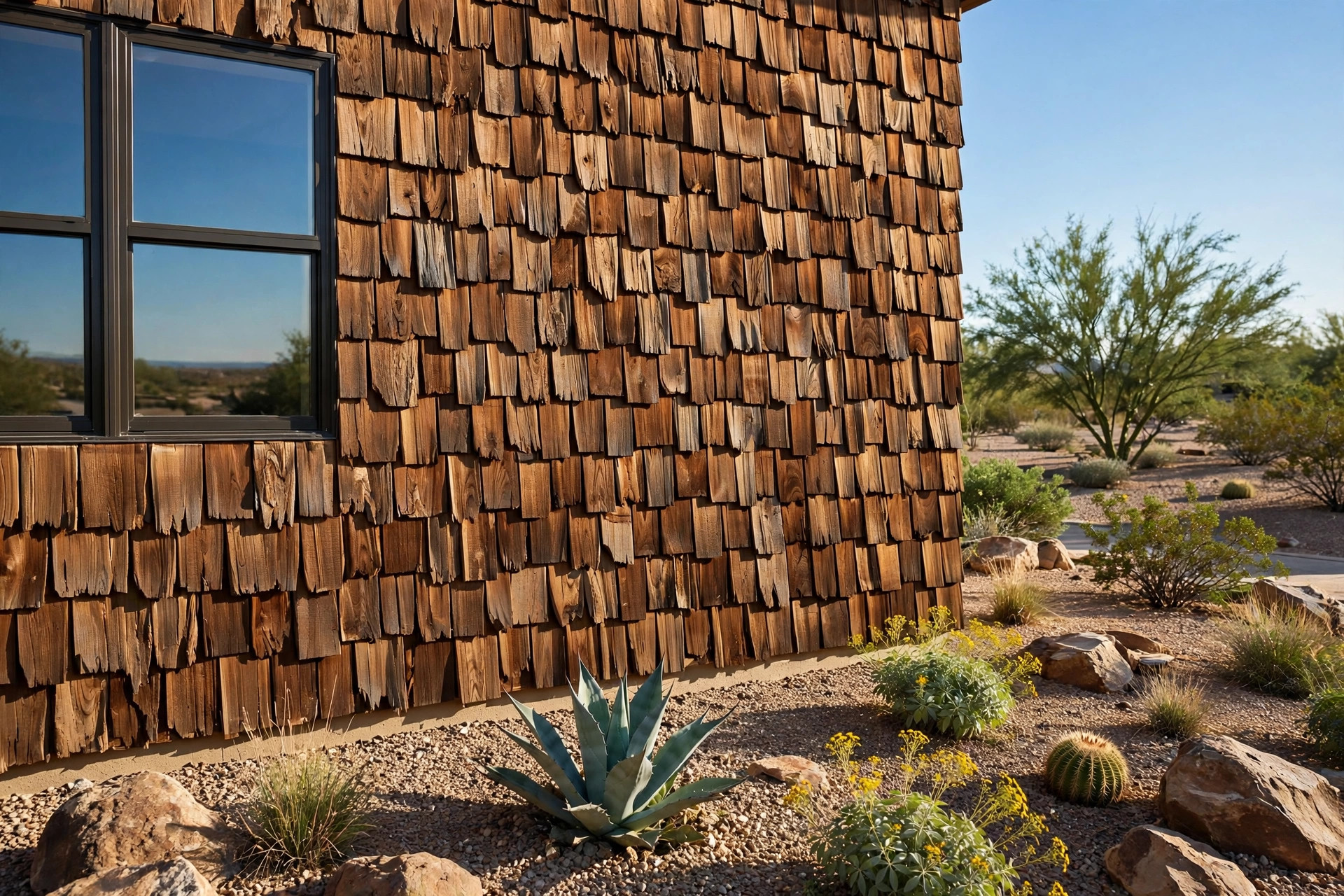
Many homeowners want to buy cedar shake siding online in Arizona. They love the look of natural wood. They like the rough texture and the warm color. They also like the ease of online shopping. A homeowner in Phoenix or Tucson can order siding from a laptop. The bundles arrive at the door or the job site. There is no need to drive to lumber yards all over town. But buying siding online takes care. Wood siding is not a small buy. It covers the whole house. A wrong choice costs time and money. This guide walks through the process in plain steps. It covers why cedar shakes suit some Arizona homes. It shows what to look for before you order. It lists the main types of shakes. It gives a clear view of cost. It explains care in desert heat. It ends with safety notes, answers to common questions, and a short final word.
Why Cedar Shake Siding Matters for Arizona Homes: Buy Cedar Shake Siding Online in Arizona
Arizona homes often wear stucco. Stucco is cheap and tough in dry heat. But many buyers want more character. Cedar shake siding gives a house a hand-made, classic feel. Each shake is split or sawn by hand or machine. No two shakes look quite alike. This gives the wall depth and shadow lines. A ranch home in Scottsdale looks softer with shakes. A cabin near Flagstaff looks right at home with them.
Cedar also fits the desert climate in some ways. Western red cedar holds up well to dry air. It does not warp as fast as some soft woods. It resists rot and insects when treated right. That said, the Arizona sun is harsh. Heat and UV rays dry out wood fast. A homeowner who plans well can still get many good years from cedar shakes. The key is the right product, the right finish, and steady upkeep. Buying online opens up more choice than any one local yard can stock. You can compare grades, cuts, and treatments side by side. You can also find composite shake options that look like cedar but need less care.
What to Look for When You Order Online
Buying siding sight unseen asks for extra care. The wood you get should match the wood you expected. Start with the grade. Cedar shakes come in numbered grades. Premium or Number 1 grade shakes are clear and straight. They have no knots on the face. Lower grades show knots and grain flaws. For a house wall, most builders pick premium or Number 1. Lower grades work for sheds or fences.
Next, check the cut. Hand-split shakes have a rough, rugged face. Tapersawn shakes have a smoother sawn face. Hand-split gives the classic look. Tapersawn installs flatter and costs less to install. The product page should name the cut in plain words. If it does not, ask before you buy.
Look at the size. Shakes come in lengths of 18, 24, and 32 inches. Longer shakes cover more and look bolder. The page should list the exposure. Exposure is how much of each shake shows after install. Typical exposures run from 7 to 10 inches. Wider exposure covers more area with fewer pieces. It also changes the look.
Check the treatment. In Arizona, fire codes matter. Some towns ask for fire-treated shakes. Check local rules before you order. Many online sellers offer shakes treated with fire retardant. Others sell untreated wood. Know what your town allows.
Read the shipping terms with care. Cedar shakes are heavy. Bundles weigh many pounds. Shipping cost can be high. Some sellers ship free over a set order size. Others charge by the mile. Arizona buyers should check whether the seller delivers to rural zip codes. Flagstaff, Prescott, and small towns may cost more or take longer. Ask about the return policy too. If a bundle arrives cracked or warped, you need a clear way to get a refund or a new bundle.
Types of Cedar Shake Siding You Can Buy Online
Online stores sell several kinds of shakes. Each has pros and cons. The main choice is between real wood and composite.
Real Cedar Shakes
Real shakes are cut from western red cedar. They give the truest look and smell. They take stain well. They age to a silver gray if left natural. Many buyers love that aged look on desert homes. Real cedar costs more than composite in most cases. It also needs stain or sealant every few years. Sites like Lowe’s and Home Depot list real cedar shake products with specs and buyer reviews. Reviews help a lot. They show how the shakes looked on real homes.
Composite and Fiber Cement Shakes
Composite shakes copy the look of cedar. They are made from fiber cement, engineered wood, or plastic blends. They cost less to maintain. They resist fire, rot, and insects better than real wood. In hot Arizona sun, they hold color longer. Makers like James Hardie and CertainTeed sell fiber cement siding that mimics wood shake. These products need paint or factory finish. They last for decades with little care. The trade-off is the feel. Up close, composite does not match real cedar grain. From the street, most people cannot tell.
Rebutted and Rejointed Shakes
Some shakes are cut with square edges. These are called rebutted and rejointed. They install in straight, even lines. They give a cleaner, more modern look. Standard shakes have rough edges and a more rustic look. Both types are real cedar. The choice comes down to taste.
Stain and Finish Options
Many online sellers offer pre-stained shakes. The stain goes on in the factory. It coats all sides, even the back. This protects the wood better than site staining. It also saves labor. Pre-stained bundles cost more up front. But they can pay off in Arizona heat. A good factory stain blocks UV rays from day one. If you buy unfinished shakes, plan to stain them soon after install. Waiting too long lets the sun dry and crack the wood.
Cost and Price of Cedar Shake Siding in Arizona
Cedar shake siding is not the cheapest cladding. It sits in the mid to high range. Real cedar shakes cost more than vinyl or stucco. The price varies by grade, length, and treatment. As a rough guide, real cedar shake material runs higher per square foot than common vinyl. Composite shake products often fall in a similar range, with less labor for upkeep later.
Labor is a big part of the bill. Installing shakes takes skill and time. Each piece goes up by hand. A good crew charges more than a vinyl crew. In Arizona, labor rates vary by city. Phoenix and Tucson have many siding crews. Smaller towns may have fewer, which can raise the price.
Shipping adds cost too. Bundles ship by truck freight in many cases. Some online sellers roll freight into the price. Others list it at checkout. Always check the full delivered price before you compare two sellers. A cheap per-bundle price can hide a big freight fee.
Do not forget the extras. You will need underlayment, nails or staples, trim boards, and stain. You may need new flashing around windows and doors. If old siding comes off first, add tear-off and disposal cost. A full wall job can also pair well with soffit and fascia repair for a clean finished edge.
To keep cost down, order a little extra. Most pros order 10 percent more than the wall area. This covers cuts, waste, and bad pieces. Running short mid-job costs more. A second freight delivery can wipe out any savings. The price guides at This Old House and Bob Vila give useful ranges for siding projects and help you set a budget.
Care and Upkeep in the Arizona Desert
Cedar shakes need care. Arizona heat makes that care more urgent. The sun is the main enemy. UV rays break down wood fibers. Heat bakes out moisture. Windblown dust wears the surface. A good finish slows all of this.
Stain or seal the shakes on schedule. Most makers suggest restaining every three to five years in harsh sun. South and west walls may need it sooner. Walk the house once a year. Look for gray, dry spots. Look for cracks and splits. Small cracks are normal. Wide splits let water in. In Arizona, rain is rare but comes hard in monsoon season. Water that gets behind shakes can rot the wall. Fix problem spots fast.
Keep plants away from the walls. Bushes trap moisture against the wood. They also give insects a path to the siding. Leave a few inches of air between plants and shakes. Keep sprinklers from hitting the walls. Constant wetting rots cedar fast.
Clean the siding once a year. A soft brush and mild soap wash off dust and grime. Do not use a high-pressure washer up close. Strong pressure gouges the wood and strips the finish. Guides at Family Handyman and The Spruce show safe cleaning steps for wood siding.
Watch for pests. Termites and carpenter ants like wood. Cedar resists them better than pine, but it is not proof against them. A yearly pest check is wise in Arizona. Look for mud tubes near the base of walls. Look for small holes or sawdust piles. Call a pest pro at the first sign.
Safety Notes Before You Buy and Install
Siding work has real risks. Take them in stride.
Fire safety comes first in Arizona. Wildfire risk is high in many areas. Check with your city or county on fire codes. Some areas ban untreated wood siding. Others allow it with fire-retardant treatment. The state fire marshal and local building offices give the final word. Buy only what your code allows. Keep the yard clear of dry brush near shake walls.
Ladder safety matters. Shake install means long hours on ladders and scaffolds. Falls hurt. Hire a pro crew with proper gear if you are not used to high work. If you do it yourself, use a stable ladder, wear non-slip shoes, and never reach too far to the side.
Dust is another issue. Cutting cedar makes fine dust. The dust can irk lungs and eyes. Wear a dust mask and safety glasses when you cut. Work upwind when you can. A simple mask goes a long way.
Old paint can hide lead. If your home was built before 1978, the old siding may have lead paint. Do not sand or scrape it without a lead-safe plan. Federal rules cover lead-safe work. A certified pro knows the steps. This matters most when old siding comes off before the new shakes go on. If your exterior project also touches stucco repair, the same lead rules apply.
Frequently Asked Questions
Can I really buy good cedar shake siding online?
Yes. Many trusted sellers list cedar shakes online with full specs. Look for clear grade labels, cut type, size, treatment, and reviews. Big retailers and mill-direct sellers both ship to Arizona. Check freight cost and return terms before you pay.
How long does cedar shake siding last in Arizona heat?
With good finish and steady care, real cedar shakes can last 20 to 30 years on Arizona walls. Composite shakes can last longer with less care. Sun and heat shorten life if the finish is skipped. Restain on schedule to get the full life.
Is real cedar or composite shake better for Phoenix?
It depends on your goals. Real cedar looks and feels best. It needs more care. Composite shake needs less care and resists fire better. In high fire-risk zones, composite or fiber cement is often the safer pick. Both look good from the street.
How much should I order for my house?
Measure each wall. Multiply width by height. Subtract large windows and doors. Add 10 percent for waste. Round up to full bundles. When in doubt, order a little extra. Matching a stain lot later is hard.
Do I need a permit to install shake siding in Arizona?
Most cities ask for a permit for siding replacement. Rules vary by town. Call your local building office before work starts. They will tell you the permit steps and any fire code rules for wood siding.
Can shakes go over my old stucco?
In some cases, yes. The wall must be sound and dry. Furring strips go over the stucco. Then shakes nail to the strips. A pro should check the old wall first. Trapped moisture behind the new siding causes rot. Get an expert view before you decide.
Final Word
To buy cedar shake siding online in Arizona is a smart move when you plan well. Start with the right grade and cut. Pick a treatment that meets local fire codes. Compare the full delivered price, not just the bundle price. Order extra to cover waste. Stain on time and walk the walls each year. Do these things and cedar shakes will give your home a warm, classic face for many years. The desert sun is tough, but good wood and steady care are tougher.
References
Bob Vila. (n.d.). Home improvement advice. https://www.bobvila.com CertainTeed. (n.d.). Building materials and exterior products. https://www.certainteed.com Family Handyman. (n.d.). DIY home repair and maintenance. https://www.familyhandyman.com James Hardie. (n.d.). Fiber cement siding and exterior products. https://www.jameshardie.com Lowe’s. (n.d.). Home improvement products. https://www.lowes.com The Home Depot. (n.d.). Home improvement products. https://www.homedepot.com The Spruce. (n.d.). Home and garden advice. https://www.thespruce.com This Old House. (n.d.). Home renovation guidance. https://www.thisoldhouse.com
Was this guide helpful?

About Robert Taylor
The My Garden US editorial team writes practical, in-depth home and garden guides for American homeowners — tested advice, no fluff.
You May Also Like
Premium Paver Walkway Installation Near Me: A Homeowner’s Guide
March 30, 2026 0 views
Top Rated Gutter Installation Services Reviews: A Homeowner’s Guide
February 3, 2026 0 views
Home Exterior Design Services Cost Guide USA
January 30, 2026 0 views