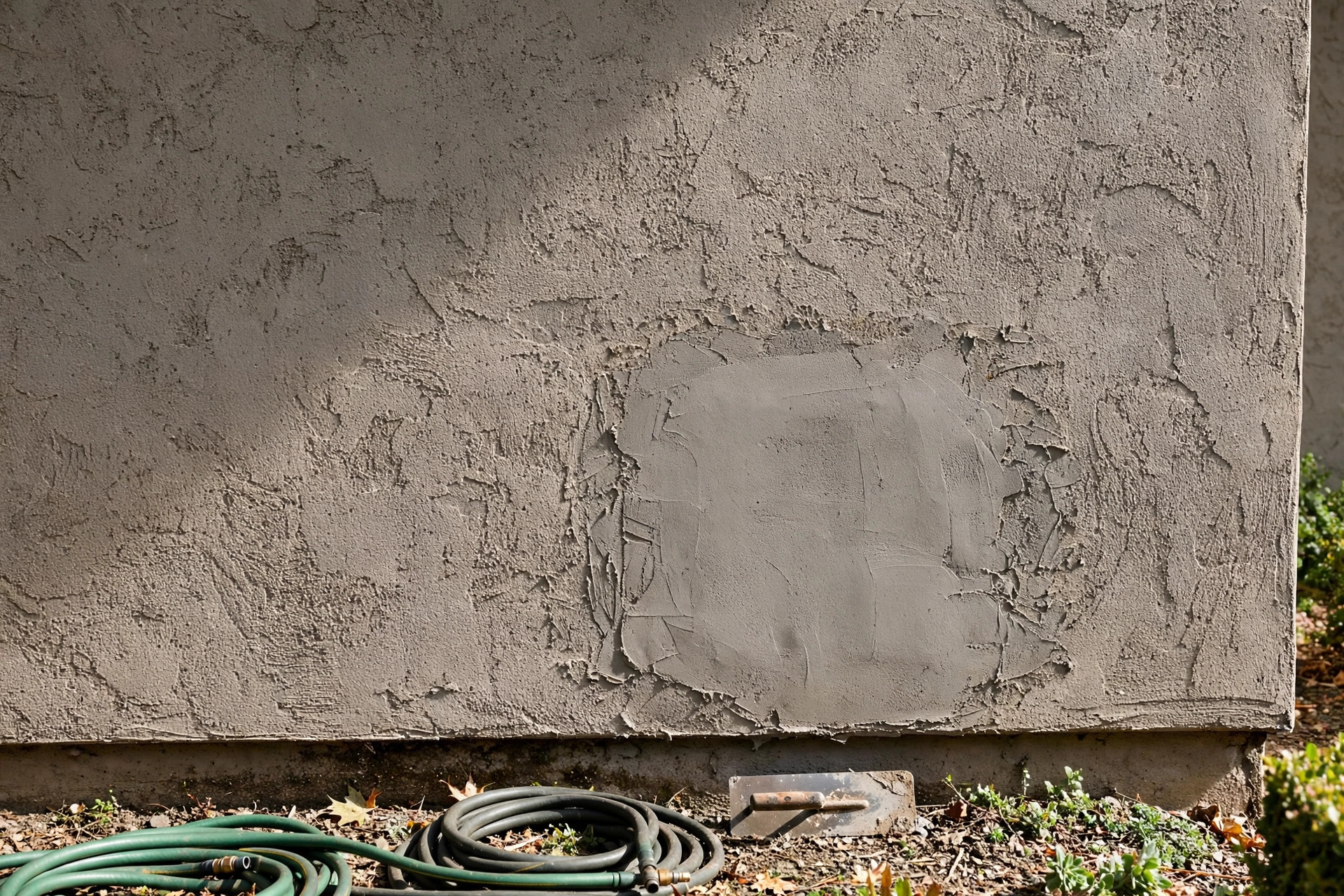

Stucco has covered American homes for more than a century. It is durable, handsome, and well suited to dry and warm climates. But even the best stucco cracks, chips, and wears with time. This stucco exterior repair cost guide usa gives homeowners a plain picture of what repairs cost in 2026, what drives those prices, and when to call a contractor instead of doing the work alone.
Why Stucco Repair Matters
Stucco is more than decoration. It is the outer skin of the wall. It keeps rain out, blocks wind, and protects the wood frame behind it. A small crack may look like a cosmetic problem. Left alone, it can let water seep into the wall. Over months and years, that moisture can rot wood, rust metal lath, and grow mold inside the wall cavity.
Early repairs are almost always cheaper. Filling a hairline crack costs a few dollars in materials. Replacing a rotted section of wall can cost thousands. A walk-around of the house twice a year, in spring and fall, will catch most problems while they are still small. Note any new cracks, stains, or soft spots, and deal with them before the next rainy season. Pay special attention to the walls below roof lines and around chimneys, where leaks often start.
How Stucco Fails: Common Damage Types: Stucco Exterior Repair Cost Guide Usa
Hairline Cracks
Thin surface cracks are the most common stucco problem. They often come from normal settling of the house, changes in temperature, or small flaws in the original mix. Most hairline cracks are less than one-eighth of an inch wide. On their own they are not dangerous, but water can enter through them and widen them during freeze and thaw cycles.
Water Damage and Soft Spots
Stains under windows and doors, blistered paint, or areas that feel soft when pressed all point to water trapped behind the stucco. This damage usually runs deeper than the surface. The water often enters through failed flashing or failed caulking around openings. Finding and fixing the water source matters more than patching the surface alone. If the entry point stays open, the damage will return.
Chipped, Loose, or Missing Stucco
Impact from hail, lawn equipment, or falling branches can chip the surface. In bad cases, whole pieces of stucco pull loose from the wall. Bulging sections that sound hollow when tapped mean the stucco has lost its bond to the lath. Loose pieces should be removed so they do not fall on someone, and the bare area should be patched or re-coated before water reaches the underlayment.
Stucco Repair Costs in 2026
Repair costs in the United States vary by region, by the size of the job, and by the type of damage. The table below gives typical 2026 ranges gathered from contractor pricing and home-improvement cost guides. Use them as a starting point, not as a fixed quote.
| Repair Type | Typical Cost Range (2026) | |—|—| | Small crack filling, DIY | $10 to $50 in materials | | Small crack repair, hired out | $150 to $350 per visit | | Patch repair (a few square feet) | $300 to $800 | | Re-stucco of one wall section | $1,500 to $4,000 | | Full re-stucco, average home | $7,000 to $18,000 | | Paint and seal coat after repair | $1,200 to $3,500 |
Small Crack Repairs
Filling a hairline crack is the cheapest repair. A tube of masonry caulk or elastomeric stucco patch costs under twenty dollars. Contractors usually charge a minimum service fee for small jobs, often between $150 and $350, which is why many homeowners handle small cracks themselves. The work is simple: clean the crack, fill it, tool it smooth, and let it cure.
Patch Repairs
Patches cover damaged areas from a few inches to a few square feet. A proper patch takes more than a skim coat. The loose material must be cut back to sound stucco, the area cleaned and primed, and new stucco applied in layers so it bonds and matches the old texture. Most patch repairs cost between $300 and $800, with the high end for textured or colored finishes that are hard to match.
Large Resurfacing and Re-Stucco
When damage covers a whole wall or the stucco is failing in many places, a full resurface or re-stucco makes more sense than endless patches. A contractor strips or bonds over the old surface and applies fresh stucco. For an average single-family home, a full re-stucco usually runs from $7,000 to $18,000 in 2026 dollars, depending on the region and the finish. This is the one job on this list where matching texture and color is not a concern, since the entire surface is new.
For comparison with other siding projects, see our vinyl siding installation cost guide usa and the foundation crack repair cost guide usa, which cover similar repair-versus-replace decisions for different wall systems.
What Drives the Cost Up or Down
Several factors move a stucco job from the low end to the high end of the range.
Size of the damaged area. This is the main driver. Labor rises with square footage, and matching color and texture takes longer on larger areas.
Texture and finish. A smooth sand finish is quick to match. A heavy lace or Spanish texture takes a skilled hand and more time. Custom colors and integral color mixes cost more than plain gray cement stucco painted afterward.
Access. Repairs on a one-story wall at ground level are simple. Work above the first floor needs ladders or scaffolding, which adds labor and safety cost.
Extent of hidden damage. If water has reached the sheathing or framing, the job grows from a surface repair into a wall rebuild. Contractors price this after opening the wall, which is why hidden damage often brings a revised estimate.
Regional labor rates. The same job costs more in coastal California than in rural Texas. Dense urban markets carry higher labor rates and higher permit fees.
DIY Repairs vs Hiring a Contractor
Homeowners can safely handle hairline cracks and small chips with basic tools and a careful hand. Pre-mixed stucco patch, a margin trowel, a spray bottle, and a stiff brush cover most small jobs. Work on a cool, shaded day so the patch does not dry too fast, and mist the area with water to help the new stucco bond.
Hire a contractor when the damage is large, when water has gotten behind the wall, or when texture matching matters for curb appeal. Also call a professional if the wall feels soft, if stucco is bulging, or if cracks are wider than a quarter inch. These signs often mean the problem runs deeper than the surface, and an experienced stucco contractor can open the wall safely and rebuild it in the right order. One more reason to hire out is time. A skilled crew finishes a large patch in a day, while a homeowner may need a full weekend and still struggle with the texture. Weigh the value of your own time against the cost of the quote before you decide.
Get at least three written quotes for any job above a few hundred dollars. Ask each bidder whether the price includes texture and color matching, and get the warranty terms in writing. Reviews and cost examples on sites such as Angi and HomeAdvisor can help you compare what similar jobs cost in your area.
Care and Upkeep After Repair
Stucco lasts longest when it is kept clean and sealed. Inspect the walls twice a year and reseal cracks as they appear. Keep sprinklers aimed away from walls, since repeated wetting wears down the surface and feeds mold. Trim plants and bushes so leaves and branches do not trap moisture against the wall.
Most stucco needs repainting every ten to fifteen years. An elastomeric paint made for masonry bridges tiny cracks and sheds water better than standard exterior paint. Before painting, wash the walls with a garden hose or a low-pressure washer to remove dirt and loose material. Repair shops and supply guides at The Home Depot and Lowe’s carry masonry-safe cleaners and paints suited to stucco.
If you like the look of alternative siding, our best cedar shake siding for southern states guide covers a classic option for warm-climate homes.
Safety Notes
Stucco dust contains silica. When you cut, grind, or sand old stucco, wear a proper dust mask or respirator, eye protection, and gloves. Work upwind outdoors so the dust blows away from you. Keep children and pets away from the work area until the dust has settled.
Old homes may have lead paint over the stucco. If your house was built before 1978, test the paint before sanding or scraping, and follow lead-safe work practices if the test is positive. Ladders and scaffolding bring their own risks; never lean out past the side rails, and have a helper foot the ladder on second-story work.
Frequently Asked Questions
How much does it cost to repair stucco cracks in 2026?
Small hairline cracks cost $10 to $50 in materials as a DIY job, or $150 to $350 for a contractor’s minimum visit. Larger crack networks that need patching usually run $300 to $800. These ranges come from 2026 contractor pricing and home-improvement cost references.
Can I repair stucco myself?
Yes, for small cracks and chips. Clean the crack, fill it with masonry caulk or pre-mixed stucco patch, tool it smooth, and keep it damp while it cures. Leave large patches, bulging sections, and water-damaged areas to a contractor, since these jobs often hide deeper wall damage.
How long do stucco repairs last?
A proper repair done with good materials can last twenty years or more. The key is fixing the cause, not just the symptom. If the crack came from water entering at a window, reseal the window too, or the repair will crack again.
Why does my stucco keep cracking?
The most common causes are house settling, temperature swings, and water intrusion. Hairline cracks from settling are normal and easy to seal. Cracks that keep returning in the same spot, or cracks wider than a quarter inch, deserve a professional look, since they may signal structural movement.
Should I paint or seal repaired stucco?
Yes. Once the patch has fully cured, usually after several days, prime and paint the repair to match the wall. An elastomeric masonry paint seals hairline cracks and adds years of life to the surface. Many homeowners seal the whole wall for a uniform look.
How do I find a good stucco contractor?
Look for a contractor with several years of stucco-only experience, a license where your state requires one, and references from recent jobs. Ask to see texture samples of their repair work, since matching is the hardest part of the job. Project galleries and how-to guides at This Old House, Bob Vila, and Family Handyman show what quality stucco work looks like.
A Short Final Word
Stucco repair is one of the most forgiving home-exterior jobs, but it rewards prompt action. Seal small cracks when you see them, keep water away from walls, and do not let soft spots or bulges wait. With that simple habit, a stucco home will look fine and stay dry for decades. For a deeper look at exterior products and systems, the CertainTeed and James Hardie homepages describe modern cladding options, and The Spruce keeps a steady library of stucco care articles for homeowners.
References
Angi. (n.d.). Home services marketplace. https://www.angi.com Bob Vila. (n.d.). Home improvement advice. https://www.bobvila.com CertainTeed. (n.d.). Building materials and exterior products. https://www.certainteed.com Family Handyman. (n.d.). DIY home repair and maintenance. https://www.familyhandyman.com HomeAdvisor. (n.d.). Local home service professionals. https://www.homeadvisor.com James Hardie. (n.d.). Fiber cement siding and exterior products. https://www.jameshardie.com Lowe’s. (n.d.). Home improvement products. https://www.lowes.com The Home Depot. (n.d.). Home improvement products. https://www.homedepot.com The Spruce. (n.d.). Home and garden advice. https://www.thespruce.com This Old House. (n.d.). Home renovation guidance. https://www.thisoldhouse.com
Was this guide helpful?

About Robert Taylor
The My Garden US editorial team writes practical, in-depth home and garden guides for American homeowners — tested advice, no fluff.
You May Also Like

Best Stucco Exterior Repair Near Me: How to Find a Trusted Contractor
May 26, 2026 0 views
Buy Mailbox Posts Online in Florida: A Complete Guide
April 7, 2026 0 views
Home Exterior Design Services Cost Guide USA
January 30, 2026 0 views