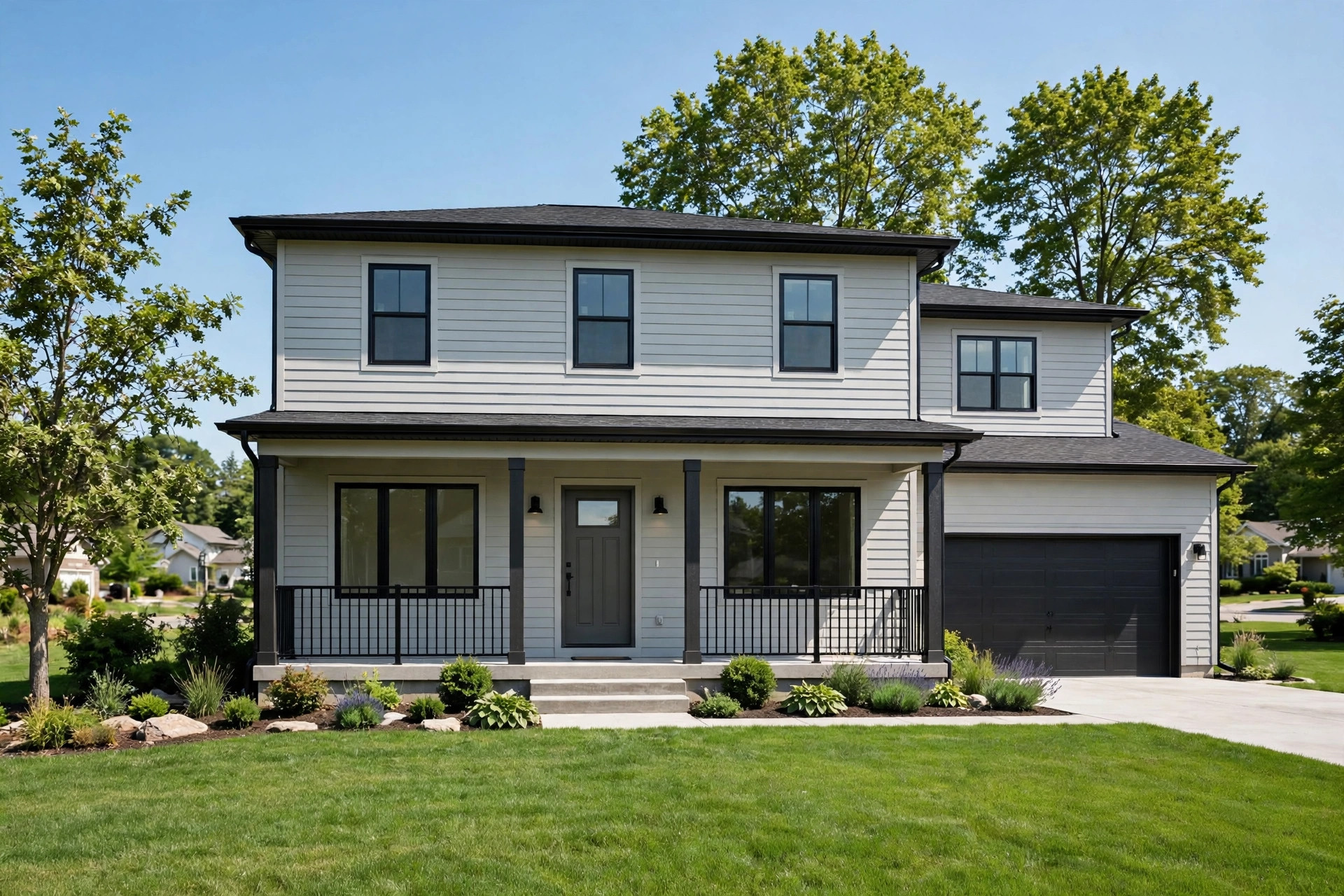
A home with worn siding looks tired long before its time. Paint peels, boards rot, and wind finds every weak seam. A budget friendly fiber cement siding panels buying guide helps you sort the choices without wasting money. Fiber cement is a mix of cement, sand, and plant fibers pressed into boards and panels. It looks like wood but stands up to weather far better. This guide walks through what to look for, what it costs, and how to keep it in good shape once it is on your walls.
Why Fiber Cement Siding Makes Sense
Fiber cement has earned its place on American homes over the last forty years. It resists fire, insects, and rot. Wood siding can burn or be eaten by termites. Vinyl can melt in heat or crack in deep cold. Fiber cement holds firm in most climates, from the wet coast to the dry plains.
It also lasts. Many makers stand behind their boards for thirty years or more. That long life matters when you are on a budget. A cheap skin that must be replaced twice is no bargain. A mid-priced siding that lasts decades is often the better deal. Homeowners who want the look of wood without the constant upkeep often land on fiber cement for this reason.
The material takes paint well. You can buy primed boards and paint them in your own color, or you can buy factory finished panels with baked-on color. Both paths work. Factory color costs more at the start but saves years of repainting.
What To Look For When Buying: Budget Friendly Fiber Cement Siding Panels Buying Guide
Panel Profiles and Styles
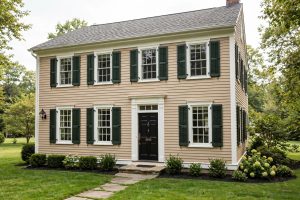
Fiber cement comes in several shapes. Lap siding is the classic look: long boards laid in overlapping rows. It fits most home styles. Vertical panels give a modern, clean line. Board and batten, a vertical style with raised strips, suits farmhouses and cottages. Shingle style mimics cedar shakes for a coastal or craftsman feel.
Measure your home and note which style fits its bones. A colonial home often wears lap siding best. A ranch or modern home can carry vertical panels. Some owners mix the two, using lap on the body and board and batten on the gables.
Thickness and Durability
Standard lap boards run about five sixteenths of an inch thick. Panels for vertical use can run up to seven sixteenths. Thicker panels cost more but take impact better and sit flatter on the wall. In areas with hail or strong winds, the thicker stock pays for itself.
Check the warranty. A long warranty signals faith in the product. Read the fine print. Some warranties demand proper flashing and clearance from the ground, or they do not apply.
Color and Finish
If you plan to paint, buy primed boards. The primer must be covered within a set time, so plan your painting days before the boards arrive. Use good exterior paint in two coats. A quality paint job on fiber cement can last fifteen years.
Factory finished panels cost more per board but arrive with color baked on. The finish resists fading and chalking. For a busy owner with no wish to paint, this is the practical choice. Either way, choose colors that suit your roof and trim. Light colors show less dust. Dark colors show rich detail but fade faster in strong sun.
Reading the Warranty
A warranty is only as good as its terms. Most fiber cement makers offer a limited warranty of thirty years or more on the boards themselves. The finish carries its own shorter warranty when you buy factory color. Read both. Many warranties demand that the boards sit at least six inches above the soil. They also demand metal flashing over windows and doors and a rain gap behind the panels in wet climates. Miss these steps and the maker may deny a claim.
Keep your receipt, the install contract, and the product line name in a folder. If a board fails years later, you will need these papers to file a claim. Some makers prorate the warranty, paying less as the years pass. That is normal. What matters most is proper install. A strong board hung the wrong way will not last, warranty or not.
Types and Options
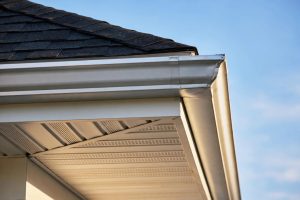
Beyond the four main profiles, fiber cement offers specialty pieces. Trim boards wrap windows and corners. Fascia boards cap the roof edge. Soffit panels close the underside of eaves and often carry vent holes. Corner boards give a crisp edge where two walls meet.
Accessories add up, so price them with the main panels. A job that lists only the siding cost can surprise you at checkout. Ask your supplier for a full list: starter strips, flashing, caulk, nails, and trim. Buying the whole system from one maker keeps the warranty clean.
Some lines include fiber cement only in the field panels, with vinyl or wood trim. Keep it simple. Match your trim to your siding maker when you can. The Home Depot and Lowe’s stores carry full lines of panels, trim, and the tools for the job, which helps when you need to keep one order on one truck.
Cost and Price
Material prices for fiber cement lap siding often run from about two dollars to eight dollars per square foot, before labor. Panels can run a bit higher. Paint, trim, and flashing add to the bill. A full professional install on an average home often lands between eight thousand and twenty thousand dollars, depending on size, region, and style.
To keep costs down, get three bids. Ask each bidder to break out material, labor, tear-off, and disposal. Tear-off of old siding can add a large sum, and some crews charge extra for two-story work. A plain rectangular home costs less to side than a home with many gables and dormers.
Do not chase the lowest bid alone. Ask each contractor how long they have worked with fiber cement. The material cuts with dust and needs special blades and masks. A crew that treats it like wood may cut corners you will pay for later. For a look at how the numbers stack up against other skins, see our vinyl siding installation cost guide usa. Shoppers comparing budgets may also want our budget friendly metal siding for homes buying guide and budget friendly brick veneer siding for midwest homes.
Timing matters. Late winter and early spring are often slower months for siding crews, and some dealers run sales. Ask your supplier when prices dip. If you can wait a month or two, you may save real money.
How Installation Works
A good install starts with a flat, dry wall. The crew strips old siding or lays the new skin over sound old siding, then checks the sheathing. Rotten sheathing must be replaced. A weather barrier goes up next. It sheds water that gets behind the panels.
Panels hang with a small gap at joints and ends. The gaps let the boards move with heat and cold. Caulk fills some joints, but many modern lines need no caulk at panel ends. Follow the maker’s sheets. They spell out nail type, nail spacing, and clearance from soil and roof lines. James Hardie, the best known maker of fiber cement siding, publishes clear install guides for each of its lines.
Cutting makes fine dust that harms lungs. Crews should cut outdoors with dust control and wear masks. The Family Handyman site has plain step by step notes on cutting and fastening fiber cement for owners who like to understand the work before hiring it.
Care and Upkeep
Fiber cement asks little. Wash it once or twice a year with a garden hose and a soft brush. A mild soap clears most grime. Keep sprinklers off the walls. Constant spray grows mildew and stains the boards.
Check caulk joints each spring. Recaulk where it has cracked or pulled away. Keep six inches of clearance between the bottom course and the soil. Mulch piled against the wall holds water and voids the warranty. Trim plants back so air can move behind the boards.
Repaint primed boards when the paint shows wear. Most good jobs last ten to fifteen years. Factory finished panels need no paint, only washing. If a board cracks from a hard blow, one panel can be swapped out without tearing the whole wall. For general upkeep ideas, Bob Vila keeps a steady stream of plain home care advice.
Safety
Cutting fiber cement makes silica dust. Breathing it over time can harm the lungs. Always cut outdoors or with a dust collecting saw. Wear a proper respirator, not a paper dust mask. Keep children and pets away from the cutting area.
Installed fiber cement is safe. It does not off-gas and it will not burn. It contains no asbestos in modern lines. Old homes may have asbestos siding from decades past. If your tear-off turns up gray, brittle boards from the old days, stop work and have them tested before you go on. This Old House has covered old-house siding removal with care and good sense.
Frequently Asked Questions
How long does fiber cement siding last?
Most makers expect thirty to fifty years with normal care. The boards outlast most paint, so plan on one or two repaints over the life of the skin. Factory finished lines often carry color warranties of fifteen years or more.
Is fiber cement better than vinyl?
It depends on your aims. Fiber cement costs more but looks richer and resists fire and impact better. Vinyl costs less and needs no paint, but it can crack in cold and melt near grills. The Spruce has weighed both sides for many home types.
Can I install fiber cement myself?
A skilled owner can side a small garage or shed. A full house is a big job. The boards are heavy and the dust is harsh. Most owners do better hiring a crew with fiber cement experience. If you try a small project, read the maker’s guide first and wear proper protection.
Does fiber cement add to home value?
Good siding lifts curb appeal, which helps resale. Buyers know fiber cement for its long life and low upkeep. CertainTeed, another major siding maker, notes that strong exteriors are a common selling point in home listings.
What colors work best?
Light neutrals suit most homes and hide dust well. Bold colors make a statement but fade faster. Match the siding to your roof first, then to the trim. Test a large sample board on the wall and look at it in morning and evening light before you commit.
How do I find a good installer?
Ask neighbors, check reviews, and call three crews. Ask each how many fiber cement jobs they did last year. Ask for photos of past work and two past clients you can call. A clear written bid with a schedule beats a handshake every time.
A Short Final Word
Fiber cement siding panels reward the careful buyer. Know your style, price the full system, hire a crew with real experience, and keep the walls clean. The result is a home that looks sharp and stands firm through storms, sun, and seasons. It is not the cheapest skin on the shelf, but over a long life it is one of the best values a homeowner can buy.
References
Bob Vila. (n.d.). Home improvement advice. https://www.bobvila.com CertainTeed. (n.d.). Building materials and exterior products. https://www.certainteed.com Family Handyman. (n.d.). DIY home repair and maintenance. https://www.familyhandyman.com James Hardie. (n.d.). Fiber cement siding and exterior products. https://www.jameshardie.com Lowe’s. (n.d.). Home improvement products. https://www.lowes.com The Home Depot. (n.d.). Home improvement products. https://www.homedepot.com The Spruce. (n.d.). Home and garden advice. https://www.thespruce.com This Old House. (n.d.). Home renovation guidance. https://www.thisoldhouse.com
Was this guide helpful?

About Sarah Mitchell
The My Garden US editorial team writes practical, in-depth home and garden guides for American homeowners — tested advice, no fluff.