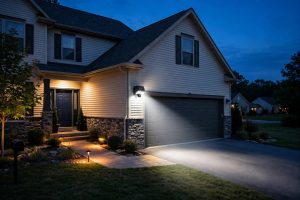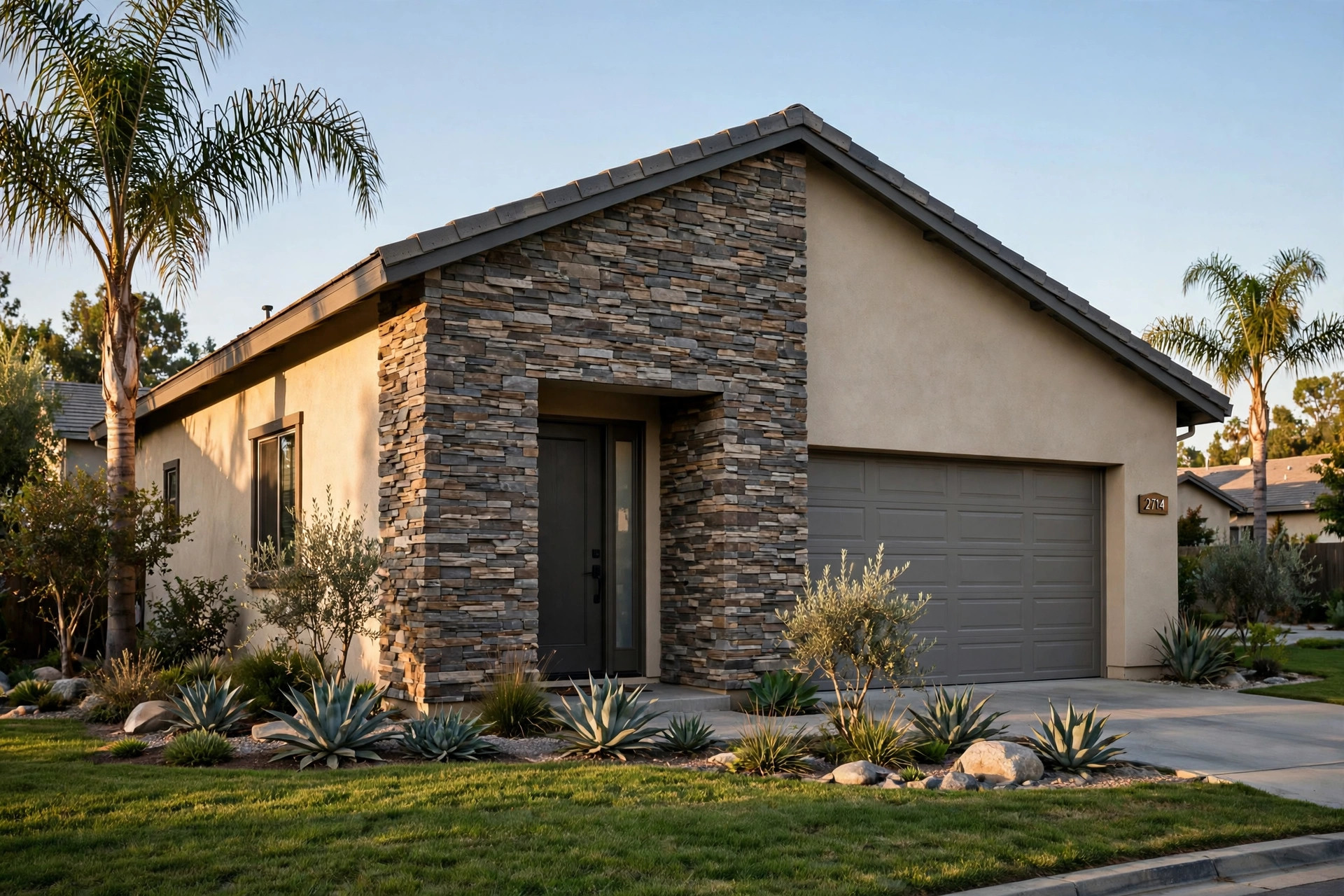

Many home owners ask where to buy stone veneer panels in california. Stone veneer panels give a house the look of solid stone without the weight and the cost of full stone walls. The panels are thin pieces of manufactured stone or sliced natural stone that fasten to a wall frame. They work well on fronts of homes, garden walls, and outdoor fireplaces. In California, heat, sun, and dry air shape how they should be chosen and set. This guide walks through the types, the places to buy, the prices, and the steps to care for them.
Why Stone Veneer Panels Matter
A front wall sets the tone of a whole house. Stone brings weight and age to a new build. It also breaks up long runs of flat siding. Panels are lighter than full bed-depth stone, so most wood frames can carry them without extra footings. That lowers the cost of labor and the cost of materials. Many panels interlock or come in fixed widths, which makes them faster to install than loose stone.
In California, the climate favors veneer. Rain is light in much of the state, so water damage is less of a worry than in wet regions. Sun is the bigger foe. Long exposure to strong light can fade cheap color mixes over the years. Good panels use iron oxide pigments that run through the body of the stone, so they hold color far longer. Wild fire zones add one more test. Stone veneer on cement board counts as a non combustible finish in most county rules. Check local rules before you buy.
Types of Stone Veneer Panels: Where to Buy Stone Veneer Panels in California
Manufactured Stone Panels
Manufactured panels are cast from concrete with molds taken from real stone. They copy ledge stone, field stone, river rock, and brick patterns. Each panel covers several square feet, which speeds up the work. Color runs through the body of the stone, so chips do not show a gray core. Prices are lower than natural stone, and one person can handle most panels.
Natural Stone Veneer Panels
Natural panels are cut from real quarried stone into thin tiles or interlocking sheets. Granite, slate, quartzite, and limestone are common. They cost more and weigh more, but no two pieces look alike. The feel under the hand is real stone because it is real stone. Some installers prefer them for high-end jobs where close inspection is expected.
Corner Pieces and Trims
Panels alone leave a plain edge at corners. Makers sell matching corner pieces that wrap the turn and hide the seam. Sill pieces, caps, and outlet boxes are also made to match. Buy them at the same time as the flat panels so colors match from the same dye lot. A batch number on the box tells you the lot.
How to Choose Panels for a California Home
Start with the style of the house. A Spanish stucco home takes a rough ledge stone in warm tans. A ranch house pairs well with a tight stacked pattern. A modern home may want a cool gray slate in straight lines. Bring a sample board home and hold it against the wall in morning and evening light. Stone that looks fine in a store can read too dark on a shaded wall.
Check the weight. Most manufactured panels run 8 to 12 pounds per square foot, and natural stone runs 12 to 15 pounds. A standard wall frame with proper sheathing handles this if the installer uses the right lath and mortar. On foam sheathing, special fasteners may be needed. Ask the maker for the install sheet and follow it line by line.
Panels go over a weather barrier with a drainage gap behind them in most systems. This lets trapped water escape. In fog belts near the coast, salt in the air can leave white film on some stones. A breathable sealer helps and should be renewed every few years.
Related exterior projects follow the same shopping logic. If you are weighing other wall coverings, our insulated vinyl siding price comparison for USA homes shows how panel costs stack up against insulated siding, and the energy efficient cedar shake siding buying guide covers wood options for buyers who want a natural look. For older homes, the top rated wood siding replacement reviews may help you decide between repair and a full change of material.
Plan the order. Measure wall height times width and subtract big openings like garage doors. Add 10 percent for cuts and waste. Corner pieces are counted by the linear foot. Buy them with the flat panels so colors match from the same dye lot, and keep a few spares for future repairs.
Where to Buy Stone Veneer Panels in California
This is the heart of the question: where to buy stone veneer panels in california. You have several good routes, and the best one depends on your budget, your schedule, and how much choice you need.
Big Home Improvement Stores
The two large chains carry manufactured stone panels in most of their California stores. Home Depot stocks several brands and styles on the shelf, and its website shows which stores in your area carry each style. You can order online for delivery or store pickup. Prices are easy to compare, and returns are simple if you overbuy. Staff can point you to the mortar, lath, and flashing in the masonry aisle, so you leave with a full kit in one trip.
Many buyers start at these stores because stock is deep and sales are common in spring. A single weekend sale can cut 15 to 20 percent off a whole pallet. Ask for the flat delivery rate to your zip code before you check out.
Masonry Supply Yards
Specialist masonry yards sell both manufactured and natural stone in wider ranges than the chains. Yards in Los Angeles, San Diego, Sacramento, the Bay Area, and the Central Valley keep sample walls outdoors so you can see full courses in real light. Staff at a real yard know stone and can tell you which lines hold up best in desert heat or coastal salt air. They also stock the matching corners, caps, and trims the chains sometimes skip. If your job is large, ask for a pallet price, and ask the yard for referrals to installers it has worked with for years.
Direct From Makers and Online
Several makers sell direct through their websites or through authorized dealers listed on their sites. Siding and wall cladding makers such as CertainTeed publish dealer locators that show stocking dealers near your address. Buying through a dealer gives you full warranty support and the newest color lines. Online sellers ship panels in crates by freight. This route works well in rural parts of California far from a yard. Compare freight quotes, since stone is heavy and freight adds real money.
When you buy online, order one box first as a sample. Photographs on a screen shift color. A sample lets you check the true tone, the thickness, and the fit of the interlock before you commit to the whole order. Keep the sample board until the job is done in case you need to order more.
Cost and Price Ranges
Manufactured panels in California usually run 6 to 12 dollars per square foot for materials. Natural stone panels run 12 to 25 dollars per square foot. Corner pieces cost 8 to 15 dollars per linear foot for manufactured lines and more for natural stone. Mortar, lath, flashing, and a weather barrier add 2 to 4 dollars per square foot. Labor for a pro install runs 10 to 20 dollars per square foot in most California markets, more in the Bay Area and Los Angeles.
A small front accent of 100 square feet in manufactured stone may total 2,000 to 4,000 dollars installed. A full front of 400 square feet may run 8,000 to 18,000 dollars. Natural stone can double these figures. Get three written bids that each list the panel brand and style, the footage, the trim count, and the install method.
Homeowners who do the work themselves save the labor cost but should budget time. A first-timer lays about 20 to 30 square feet a day once the wall is prepped. Rent a wet saw for cuts. It keeps dust down and gives clean edges. If the wall is high, rent proper scaffolding. Ladders and heavy panels are a poor mix.
Installation Basics
Good results come from good prep. The wall needs solid sheathing, a weather barrier, and metal lath or a panel system approved by the maker. Starter strips keep the first course level. Mortar is troweled on the back of each panel and pressed hard into the lath so it keys in. Joints are tooled while the mortar is still soft. Work from the corners inward so the cuts land in the field where they draw less notice.
DIY guides from Bob Vila walk through each step with photographs, and Family Handyman has project plans that list tools and materials in plain order. Both sites note the same hard rule: never bridge a control joint in the wall behind with a rigid panel. The wall moves a little with heat, and the panel must let it move.
Keep the work area shaded on hot days. Mortar that dries too fast loses strength. Mist the wall lightly in desert heat and stop work in high wind. In the mountains, do not set stone when night lows will drop below freezing for two days. Frozen mortar crumbles in spring.
Care and Upkeep
Stone veneer asks for little care. Wash it once a year with a garden hose and a soft brush. Stay away from pressure washers set high. They can drive water behind the panels and can scar the surface. A mild soap helps on soot near a grill or a fireplace. Rinse well so soap does not dry in the joints.
Look over the wall each spring for cracked joints and for panels that sound hollow when tapped. Repoint small cracks with a mortar that matches in color. In fire country, keep plants and mulch a foot or more from the wall. Stone does not burn, but dry plants against the house do.
Seal when the maker says to. Many manufactured lines need no sealer. Some natural stones do, and the maker will name a breathable product. Finish suppliers such as Sherwin-Williams stock clear sealers and the stains used to tint trim to match stone tones. A sealer keeps out stains from sprinkler water and from cooking smoke. Test it on a spare panel first. A sealer that darkens the stone more than you like can be thinned or skipped.
If you add plantings around a new veneer foundation, garden suppliers such as Burpee carry shrubs and ground covers that stay low against the wall and keep roots away from the mortar line. And if the veneer wraps a wall that holds windows, fresh window coverings inside can finish the look so the inside matches the new outside.
Safety Notes
Stone is heavy. A box of panels can weigh 60 pounds or more. Lift with the legs and get help for crates. Wear gloves with grip, safety glasses, and a dust mask when cutting. Silica dust from stone cutting harms lungs, so cut wet and keep the saw downwind. Follow the federal guidance on dust and job site safety published by the EPA for home renovation work.
On the wall, every panel must be fully supported by mortar and fasteners per the maker sheet. A panel that is only spotted with mortar can pop off in an earthquake. California codes in shake zones may call for extra fastening. Hire a licensed contractor for structural walls, and pull a permit when your city asks for one. The U.S. Department of Energy notes that exterior wall upgrades are a good time to check insulation and air sealing behind the cladding.
An outdoor kitchen set against a veneer wall adds plumbing to the plan. Use fixtures rated for outdoor use, and keep hose bibs and sinks clear of the stone so winter drips do not stain it. Kitchen makers like Kohler sell outdoor-rated sinks that pair well with a stone backsplash wall.
Frequently Asked Questions
How much does stone veneer cost per square foot in California?
Manufactured panels cost about 6 to 12 dollars per square foot for materials, and installed jobs run 18 to 32 dollars per square foot in most California markets. Natural stone costs more, and high labor rates in big cities push the top end higher.
Can I install stone veneer panels myself?
Yes, if you are handy and patient. Panel systems are made for skilled do-it-yourselfers. Read the maker install sheet, prep the wall right, and rent a wet saw. Start on a low garden wall to learn the rhythm before you take on the front of the house.
Will stone veneer help in wild fire areas?
Stone itself does not burn, and it is often used in fire-hardened home designs. It is not a shield on its own. Keep a clear zone of gravel at the base of the wall and pair the wall with fire-rated vents and eaves. Check your county rules for the exact finish standards.
How long do stone veneer panels last?
A well set manufactured stone wall lasts 30 to 50 years with light care. Natural stone lasts longer, often the life of the house. Most failures come from poor prep or poor drainage, not from the stone itself.
Do panels need a sealer in California sun?
Many manufactured lines are made to go without sealer. Some natural stones benefit from a breathable sealer, mainly to block stains. Ask the maker, not the store clerk, and test on a spare piece.
Where is the cheapest place to buy in California?
The big chains win on price for common manufactured styles, mainly during sales. Masonry yards often win on natural stone and on full-pallet pricing. Online sellers can win in rural areas once freight is counted.
A Final Word
Stone veneer panels give a California home a strong, lasting face without the cost of solid stone. Choose a pattern that fits the house, buy all pieces from one dye lot, and set them over a proper drained wall. Shop the big stores, the local yards, and the makers direct, and compare full costs with trim and freight included.
References
Blinds.com. (n.d.). Window blinds, shades, and shutters. https://www.blinds.com Bob Vila. (n.d.). Home improvement advice. https://www.bobvila.com Burpee. (n.d.). Seeds, plants, and gardening supplies. https://www.burpee.com CertainTeed. (n.d.). Building materials and exterior products. https://www.certainteed.com Family Handyman. (n.d.). DIY home repair and maintenance. https://www.familyhandyman.com Kohler. (n.d.). Bathroom and kitchen fixtures. https://www.kohler.com Sherwin-Williams. (n.d.). Paints and coatings. https://www.sherwin-williams.com The Home Depot. (n.d.). Home improvement products. https://www.homedepot.com U.S. Department of Energy. (n.d.). Energy efficiency and renewable energy. https://www.energy.gov U.S. Environmental Protection Agency. (n.d.). Protecting human health and the environment. https://www.epa.gov
Was this guide helpful?

About Emily Rodriguez
The My Garden US editorial team writes practical, in-depth home and garden guides for American homeowners — tested advice, no fluff.
You May Also Like
Reliable Home Exterior Design Services in Colorado
June 9, 2026 0 views
Budget Friendly Seamless Gutter Guards With Free Shipping
April 24, 2026 0 views
Budget Friendly Pressure Treated Lumber Decking for Sale: A Homeowner Guide
January 21, 2026 0 views