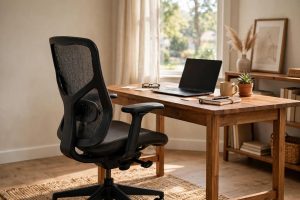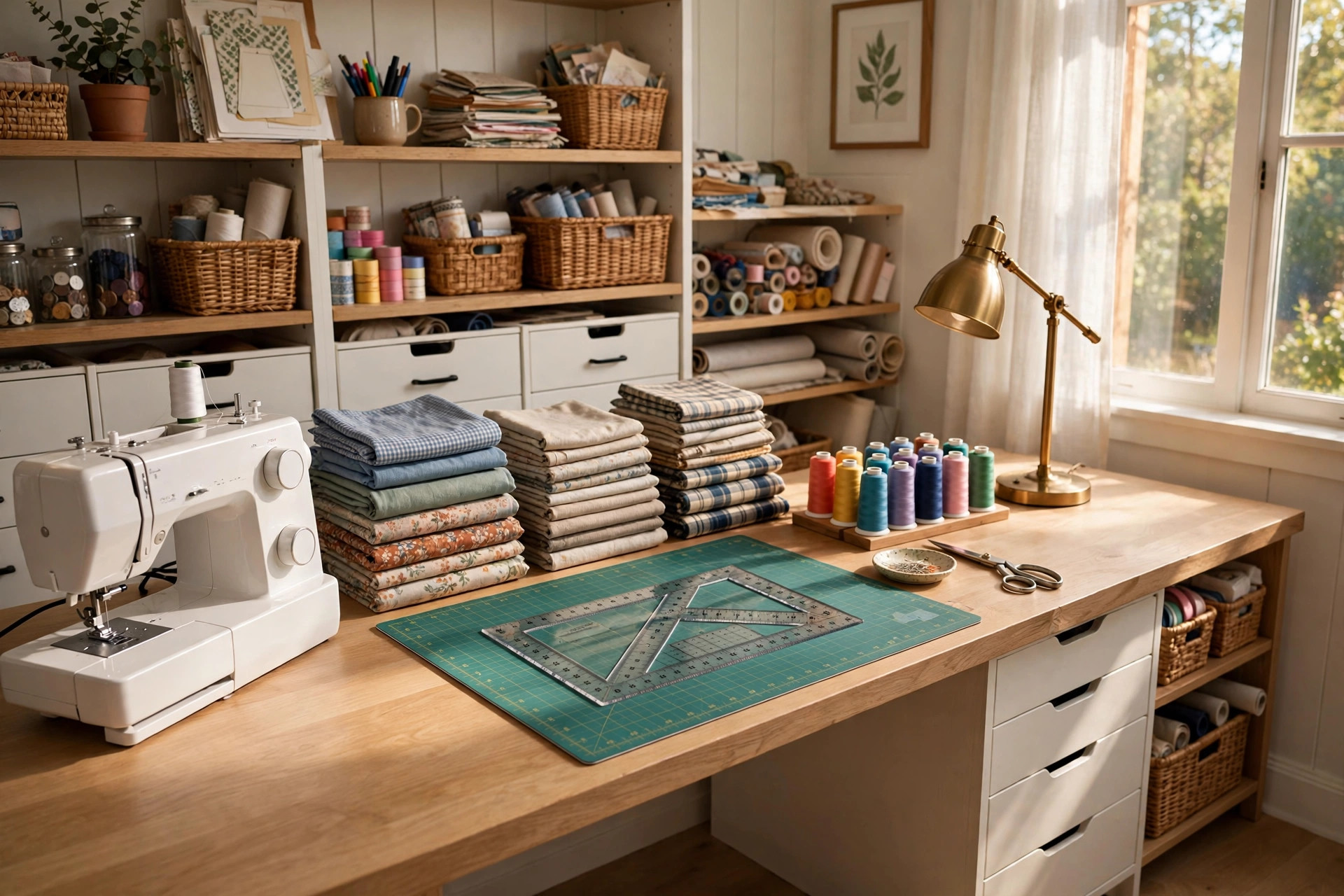

A home office that doubles as a craft and sewing space asks more of a desk than a normal office does. The best home office desk for crafters and sewing is not simply a table for a computer. It is a work surface that must hold a sewing machine, spread out fabric, carry cutting mats and rulers, and still leave room for a laptop. This guide looks at what such a desk should offer, how to choose one, and how much to expect to pay.
Craft and sewing work has grown in many American homes. People sew clothes, quilt, scrapbook, paint, and build models at the same desk where they answer email. A desk that serves both uses keeps the room orderly and the work comfortable. The sections below give plain advice on size, strength, storage, cost, care, and safety.
Why the Right Desk Matters for Crafters and Sewing Work
Craft work spreads out
Craft projects take space. A quilt top can measure several feet across. A sewing pattern needs room to lay flat. Scrapbook paper, stamps, and inks each claim a corner. When the desk is too small, the worker ends up using the floor or the bed. That slows the work and strains the back. A wide desk keeps the whole project in view at once.
Sewing machines need a stable base
A sewing machine weighs between fifteen and thirty pounds. At speed it vibrates. A light or wobbly desk will shake with every seam. The stitching suffers, and the machine can walk across the surface. A desk built for crafters and sewing work stays firm. It holds the machine steady so stitches stay even.
Comfort protects long sessions
Crafters often sit for two or three hours at a stretch. A desk at the wrong height forces the shoulders up or bends the neck down. Over weeks this brings pain. The right desk height, with room for the legs and a proper chair, lets the body stay relaxed. Comfort is not a luxury. It is what lets a person keep sewing year after year.
A shared room needs clear zones
Many crafters share the home office with a partner or with office work. One desk must serve two purposes. A wide desk makes this possible. Office tools claim one end. Craft tools claim the other. When the craft project ends, the fabric folds away and the office half stays clear. A desk that is too narrow forces the two uses to fight. Clear zones keep both the work and the peace.
How to Choose: What to Look For: Best Home Office Desk for Crafters and Sewing
Surface size and depth
Measure first. A good craft desk is at least 48 inches wide and 24 inches deep. Many crafters prefer 60 inches wide or more. Depth matters too. A sewing machine sits 15 to 20 inches front to back. Behind it you need space for fabric to feed through. A desk that is too shallow pushes the machine to the edge. For tight rooms, a small corner desk with drawers for an apartment office can still work if the main work zone stays deep enough.
Weight capacity and stability
Check the listed weight limit before buying. A desk rated for 100 pounds or more will carry a machine, an iron, fabric stacks, and a computer without complaint. Solid legs matter more than looks. Tapered wood legs, steel frames, and crossbars all add firmness. If the desk wobbles in the store display, it will wobble more at home under load.
Storage and cable management
Crafters own tools. Scissors, rotary cutters, thread spools, bobbins, pins, and patterns all need a home. Drawers built into the desk keep these close. A lower shelf holds fabric bins or a serger. Cable holes or trays keep the sewing machine cord and lamp cord from tangling. For extra storage that can roll aside when not needed, a rolling file cabinet for home office organization pairs well with a craft desk.
Chair fit and leg room
The desk must suit the chair. Leave at least 24 inches of clear knee space under the top. If the desk has a modesty panel or a low crossbar, make sure it does not hit the knees. Armrests should slide under the desk top or clear it by an inch. A sewing chair with adjustable height gives more room to match the desk to the body.
Light placement
Good light decides where the desk goes. Natural light from a side window is best for matching thread colors and seeing fine stitches. Place the desk so the window sits to the left of a right-handed crafter. A desk lamp fills in on dark days. Choose a lamp with a wide shade that throws light across the whole work zone, not a narrow spot. The lamp should sit opposite the working hand so shadows do not fall on the seam.
Position in the room
Set the desk with its back to a wall for stability and easy cable routing. Leave 36 inches of open floor behind the chair so you can stand and step back to check a large piece. If the room has a closet, its doors can hold pegboards for tools and keep the desk top clear. Measure doorways before the desk arrives so the pieces fit through on delivery day.
Types of Desks That Suit Craft and Sewing Spaces
Wide flat-top desks
The classic choice is a simple wide desk with no drawers above the knees. These desks cost less and give the largest open surface. A separate drawer unit can slide under one side. Budget-friendly options from IKEA offer wide tops at low prices, and many crafters start there. Flat tops also suit quilters who need to lay out large pieces.
L-shaped and corner desks
An L-shaped desk gives two work zones. The machine sits on one arm. Cutting and pressing take the other arm. The corner stays free for the computer or for stacking cut pieces. This layout suits small rooms because it uses wall space well. Corner designs with drawers combine the work surface with storage in one piece.
Height-adjustable desks
Some crafters stand for cutting and sit for sewing. A height-adjustable desk moves between the two. An adjustable height desk converter for an existing table adds this feature to a desk you already own. Full height-adjustable models from UPLIFT Desk rise and fall at the touch of a button. Ergonomic desk makers like Herman Miller also build sit-stand desks with smooth, quiet motors. Workplace research from Steelcase notes that changing posture through the day reduces back strain, which matters for long craft sessions.
Desks with built-in storage
Some desks come with drawers, shelves, and cubbies as part of the frame. These save the step of buying storage separately. Shallow drawers hold thread and notions. Deep drawers hold fabric. Before choosing one, check that the storage does not steal knee room. The best designs put storage at the sides and keep the center clear.
Fold-down and drop-leaf desks
When space is very tight, a fold-down desk helps. Drop leaves extend the work surface for cutting and fold away when the sewing machine rests. Wall-mounted fold-down tops serve as a pressing station that vanishes after use. These suit renters and small apartments. The trade-off is less weight capacity, so keep the heavy machine on the fixed part of the top and use the leaves for light work only.
Cost and Price Ranges
Prices for craft-ready desks run from low to high. A simple wide top with basic legs costs 80 to 200 dollars. Desks with drawers and shelves cost 200 to 500 dollars. Solid wood or large L-shaped desks cost 500 to 1,000 dollars. Height-adjustable desks cost 400 to 1,200 dollars depending on size and motor quality. Custom sewing cabinets with drop leaves and machine lifts can pass 1,500 dollars.
Set a budget before shopping. A mid-range desk of 300 to 600 dollars serves most crafters well. It gives a wide, stable surface with useful storage. Wide selections at Wayfair let buyers compare many desks in this range at once. Buying guides from PCMag and independent desk reviews from Wirecutter help sort good value from poor. Spending more makes sense for a full-time sewing business. For hobby use, a sturdy mid-range desk is enough.
Care and Upkeep
A craft desk lasts longer with simple care. Dust the surface each week with a dry cloth. Wipe spills at once, since water stains wood tops. Keep a self-healing cutting mat under rotary cutters so blades never touch the desk. Place a heat-safe pad under the iron. Tighten leg bolts twice a year, because vibration from the sewing machine can loosen them. Oil drawer slides with a drop of household oil if they start to stick. A desk mat under the chair protects both the floor and the desk legs from scuffs. With this care, a good desk serves for ten years or more.
Safety Tips for Craft Desks
Craft desks hold sharp tools and hot irons, so safety counts. Keep the iron on a stable heat-safe stand, never on the bare desk top. Store rotary cutters with the blade closed and out of reach of children. Route power cords along the back of the desk so no one trips. A surge protector guards the sewing machine and lamp from power spikes. Check that the desk cannot tip. Tall storage units should fasten to the wall. For more craft room ideas on The Spruce, crafters can find tested setups that keep tools handy yet safe.
Frequently Asked Questions
What size desk is best for a sewing machine?
A desk at least 48 inches wide and 24 inches deep suits most machines. Larger machines and sergers need 60 inches wide. The machine base should sit at least 3 inches from every edge for safety.
Can I use a regular office desk for sewing?
Yes, if it is wide and strong enough. Many office desks carry a sewing machine well. The test is simple. Sit at the desk with the machine in place. If your elbows rest at a right angle and the desk does not shake when the machine runs, it works.
Is a standing desk good for sewing?
Sewing itself is best done sitting, because foot pedal control needs a steady leg. But cutting, pressing, and pinning are easier standing. A height-adjustable desk gives both. Use the high setting for prep work and the low setting for machine work.
How much weight should a craft desk hold?
Look for a rating of at least 100 pounds. A sewing machine, iron, fabric, and computer together weigh 60 to 80 pounds. The extra margin keeps the desk firm when you lean on it during cutting.
What is the best desk material for craft work?
Solid wood and thick laminate tops resist scratches and heat best. Thin particle board chips at the edges. A smooth laminate surface lets fabric slide easily under the needle, which many quilters prefer.
A Final Word
The best home office desk for crafters and sewing is the one that fits the room, holds the machine steady, and keeps tools within reach. Wide surface, firm frame, and smart storage matter more than style. Take measurements before you shop. Compare prices with care. A well-chosen desk turns a corner of the home into a true craft studio, and it will serve every project for years to come.
References
Herman Miller. (n.d.). Office furniture and ergonomic seating. https://www.hermanmiller.com IKEA. (n.d.). Home furnishings. https://www.ikea.com PCMag. (n.d.). Technology product reviews. https://www.pcmag.com Steelcase. (n.d.). Office furniture and workplace research. https://www.steelcase.com The Spruce. (n.d.). Home and garden advice. https://www.thespruce.com UPLIFT Desk. (n.d.). Standing desks and ergonomic office furniture. https://www.uplift-desk.com Wayfair. (n.d.). Furniture and home goods. https://www.wayfair.com Wirecutter. (n.d.). Product reviews from The New York Times. https://www.nytimes.com/wirecutter
Was this guide helpful?

About Robert Taylor
The My Garden US editorial team writes practical, in-depth home and garden guides for American homeowners — tested advice, no fluff.
You May Also Like
Rolling File Cabinet for Home Office Organization
July 8, 2026 0 views
LED Desk Lamp with Wireless Charging Base: A Practical Guide for Home Offices
May 30, 2026 0 views
Home Office Desk Pad With Mouse Pad Combo: What You Should Know
May 20, 2026 0 views