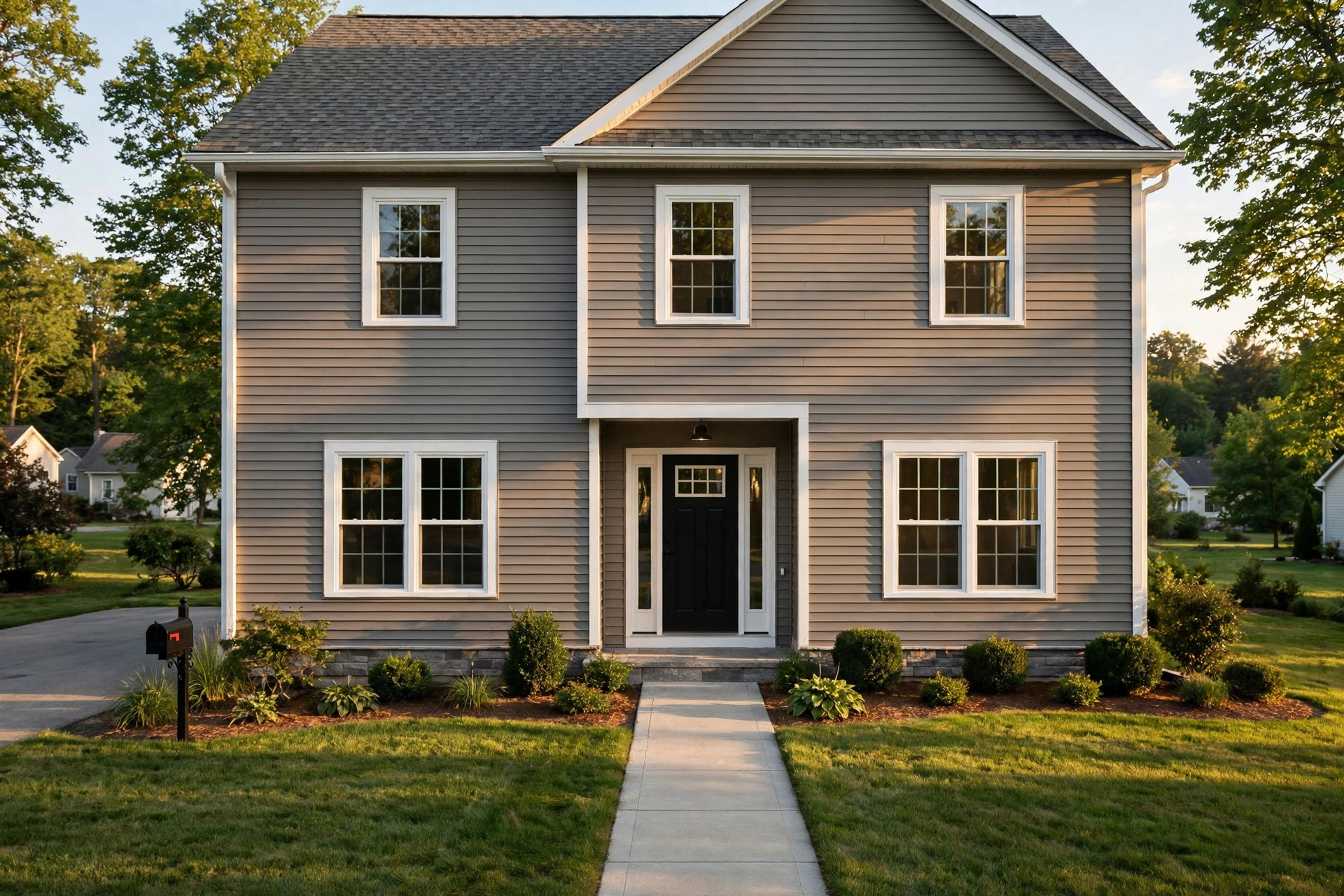

When you start an insulated vinyl siding price comparison usa search, the numbers can look strange. One quote says six dollars per square foot. Another says fourteen. Both men seem sure. Both men measure the same house. So why is the price so different? This guide gives a plain answer. It explains what insulated vinyl siding costs across the United States, why quotes vary, and how to compare them like a careful buyer. It uses simple words and honest numbers. By the end you will know what to pay, what to avoid, and which questions to ask before you sign.
Why the Price of Insulated Vinyl Siding Matters
Siding is not paint. You cannot fix a bad job with one more coat. Once the panels are on, they stay for twenty or thirty years. A good job keeps rain out, holds heat in, and makes the house look new. A bad job warps in the sun, rattles in the wind, and invites mold behind the walls.
Insulated vinyl siding adds a foam back to each panel. The foam fills the hollow space behind standard vinyl. This gives the wall a firmer feel and a small boost in thermal resistance. Many homeowners like it because the wall looks straighter and feels less like plastic. Energy savings are real but modest, and honest siding durability research helps set fair expectations about what any exterior wall can do.
Price matters because the job is large. A typical American home needs twelve hundred to two thousand square feet of siding. A difference of three dollars per square foot means four thousand to six thousand dollars on the final bill. That is why comparison shopping is worth a few hours of your time.
How to Compare Insulated Vinyl Siding Prices: Insulated Vinyl Siding Price Comparison Usa
A fair insulated vinyl siding price comparison usa starts with one rule. Compare full jobs, not single numbers. A price per square foot means little until you know what it includes. Always ask each contractor for a line-by-line quote.
Material Cost
The panels are the largest part of the job. Basic insulated vinyl siding sells for about one dollar and fifty cents to three dollars and fifty cents per square foot, material only. Thick panels with dense foam cost more. Cheap panels with thin foam cost less. The difference shows in the wall. Thin foam dents. Thick foam holds its shape for years.
Ask what brand and panel thickness the quote uses. A quote that names the product is a better quote than one that says “premium siding” and names nothing. Retail materials pricing at national home centers can give you a floor to judge bids against.
Labor Cost
Labor is the second largest part. Crews in the United States charge about two dollars and fifty cents to six dollars per square foot for installation. Big cities cost more. Small towns cost less. A skilled crew is worth the pay. Siding that is nailed too tight will buckle in heat. Siding that is nailed too loose will blow off in wind. Detailed siding advice from seasoned remodelers explains why proper nailing technique matters so much.
Tear-Off and Prep
Many quotes hide the cost of removal. Old siding must come down. Rot must be fixed. Walls may need a new water barrier. Tear-off adds about one dollar to two dollars and fifty cents per square foot. Ask if the quote includes dumpster fees and repair of sheathing. A low bid that skips prep is not a low price. It is an unfinished job.
Warranty and Paperwork
A full quote names the warranty on both panels and labor. Panel warranties run twenty-five years to lifetime, with limits. Labor warranties run one to ten years. Ask for both in writing. Also ask who pulls the permit and who pays for it. These small lines stop big fights later. Guidance on manufacturer warranty information shows what written coverage usually includes and what it leaves out.
Types and Options of Insulated Vinyl Siding
Not all insulated siding is the same. Three choices drive most of the price difference.
Panel Profiles
Clapboard is the classic look. Each board overlaps the one below. Dutch lap adds a small groove that throws a neat shadow line. Board and batten stands the boards up and down for a farmhouse style. Shake and shingle profiles copy wood shingles. Fancy profiles cost more because fewer crews stock them and the trim takes longer.
Foam Backing
The foam is usually expanded polystyrene. Good foam is rigid, resists water, and locks to the panel. Cheaper foam can crumble or soak up water if the wall stays wet. Ask whether the foam is contoured to the full panel or only glued in spots. Full contact gives a stronger wall and better wind ratings.
Grade and Color
Builders grade is thin and light. It bends in your hand. Mid grade is the common choice for most homes. Heavy grade is thick, with deep wood grain pressed into the surface. Dark colors cost more because they need heat-resistant resins. Bright white is the cheapest color on every price list. For visual ideas on profiles and colors, browse home exterior ideas before you meet a contractor.
Cost and Price: What the Numbers Look Like
Here is a simple insulated vinyl siding price comparison usa buyers can trust. These are national averages for 2026, installed, with tear-off included.
– Small home, 1,200 square feet of wall: nine thousand to sixteen thousand dollars. – Average home, 1,600 square feet of wall: eleven thousand to twenty-two thousand dollars. – Large home, 2,200 square feet of wall: fifteen thousand to thirty thousand dollars.
Per square foot, most honest quotes land between seven dollars and twelve dollars, all in. Quotes below six dollars should raise questions. Quotes above fourteen dollars should come with a clear reason, such as steep walls, tall ladders, or custom trim work.
Price moves by region. The Southeast and Midwest run lower. The Northeast and the West Coast run higher. Coastal homes may need stainless fasteners and extra wind ratings, which add cost. A vinyl siding installation cost guide for your own state will narrow these ranges further.
Five things push your price up:
1. Tall walls. Anything above one story needs scaffolds and more labor time. 2. Corners and windows. Every cut and trim piece takes minutes that add up. 3. Old siding removal. Two layers of old siding double the tear-off time. 4. Rot repair. Soft sheathing must be replaced before new panels go on. 5. Custom colors. Special orders can take weeks and cost more per box.
Three things pull your price down:
1. Off-season work. Late fall and winter crews bid lower in cold states. 2. Simple walls. A square ranch house costs far less than a home with dormers. 3. Bundled jobs. New siding with new brick veneer siding buying guide accents or new gutters can earn a package discount.
Always get three written quotes. Read each one twice. The middle quote is often the fair one, but the details matter more than the order.
Care and Upkeep
Insulated vinyl siding asks little of you. That is part of its charm. A wash once a year keeps it bright. Use a garden hose and a soft brush. Mix a cup of mild soap in a gallon of warm water. Work from the bottom up so dirty water does not streak clean panels. Rinse from the top down.
Never use a pressure washer at full force. High pressure drives water behind the panels and can dent the foam back. If you must use one, keep it under fifteen hundred pounds per square inch and hold the wand two feet from the wall. Step-by-step DIY maintenance walkthroughs show the right technique for safe washing.
Check the caulk around windows and doors each spring. Re-caulk cracks before rain finds them. Trim bushes back six inches from the wall so leaves do not trap moisture. Look at the bottom edge of the siding after storms. Panels should hang free so water can drain. If a panel is cracked, most crews can replace a single piece in under an hour.
The foam back adds one care note. Do not lean a hot grill against the wall. Vinyl softens in heat. Insulated panels keep their shape better than hollow ones, but a hot grill can still leave a melt mark. Keep grills and fire pits at least ten feet from the wall.
Safety
Siding work is safer than roofing, but it is not free of risk. Crews work on ladders and scaffolds. They cut panels with saws that throw sharp dust. A good contractor carries liability insurance and workers compensation. Ask for proof. Call the insurer to check the policy is current. This one step protects you if a worker is hurt on your land.
Lead paint is a real concern on older homes. Houses built before 1978 may have lead under old siding. Federal rules require certified crews to handle lead-safe work. Ask if your home falls in this group and whether the crew is certified. It costs more, but it keeps your family safe.
Fire safety matters too. Vinyl siding melts in high heat. It will not feed a fire the way wood does, but it will not stop one either. Keep brush clear of the walls. Store firewood away from the house. In wildfire areas, ask your local fire office about defensible space rules before you choose any siding. For warm climates with extra weather demands, our insulated vinyl siding for Florida homes page covers heat and storm concerns in detail.
Frequently Asked Questions
How much does insulated vinyl siding cost per square foot in the USA? Most installed jobs cost seven to twelve dollars per square foot, with tear-off included. Material alone runs one dollar and fifty cents to three dollars and fifty cents. Labor, removal, trim, and permits make up the rest. Get line-by-line quotes to compare fairly.
Is insulated vinyl siding worth the extra money over standard vinyl? It depends on your goals. The wall looks straighter and feels more solid. It resists dents and wind better. Energy savings are small, often a few percent on heating and cooling. If you plan to stay in the home for many years, the upgrade is usually worth it. If you plan to sell soon, standard vinyl may be the better value.
How long does insulated vinyl siding last? With fair care, thirty to forty years is common. Panels carry long warranties, but warranties cover defects, not storm damage or bad installation. The foam back does not rot. The weak points are caulked joints and places where water sits. A yearly wash and quick repairs keep the system strong.
Can I install insulated vinyl siding myself? A skilled do-it-yourselfer can side a small shed or garage. A whole house is a different job. Panels expand and contract with temperature. Nails must sit loose in the slots, not tight. Flashing around windows must shed water in the right order. Mistakes hide behind the wall for years. Most homeowners hire a crew. If you try it, study cost guides and installation manuals first, and start with one small wall.
Does insulated vinyl siding need house wrap underneath? Yes. The foam back is not a weather barrier. A proper wrap or rain screen lets water drain down and out. Skipping the wrap is a shortcut that causes rot. Make sure your quote names the wrap product and its installation method.
What colors are available, and do dark colors cost more? Most lines offer twenty to forty colors, from white and cream to deep blue and forest green. Dark colors cost more because they use special heat-resistant vinyl. They also fade faster in strong sun. If you love a dark color, ask for the fade warranty terms in writing.
A Short Final Word
A careful insulated vinyl siding price comparison usa is not hard. It takes three quotes, one calm afternoon of reading, and the courage to ask plain questions. Name the product. Name the warranty. Count the tear-off. Check the insurance. The cheapest bid is rarely the cheapest job, and the dearest bid is rarely the best wall. Choose the crew that explains the work in clear words. That crew will usually give you a wall that stands straight, sheds rain, and still looks fine when the next decade rolls around. Check local availability at retailers near you to compare panel brands in person before the crew arrives.
References
Bob Vila. (n.d.). Home improvement advice. https://www.bobvila.com CertainTeed. (n.d.). Building materials and exterior products. https://www.certainteed.com Family Handyman. (n.d.). DIY home repair and maintenance. https://www.familyhandyman.com James Hardie. (n.d.). Fiber cement siding and exterior products. https://www.jameshardie.com Lowe’s. (n.d.). Home improvement products. https://www.lowes.com The Home Depot. (n.d.). Home improvement products. https://www.homedepot.com The Spruce. (n.d.). Home and garden advice. https://www.thespruce.com This Old House. (n.d.). Home renovation guidance. https://www.thisoldhouse.com
Was this guide helpful?

About Robert Taylor
The My Garden US editorial team writes practical, in-depth home and garden guides for American homeowners — tested advice, no fluff.
You May Also Like
Best Outdoor Security Cameras for California Apartments
February 23, 2026 0 views
Best Sliding Patio Doors for Small Apartments: A Practical Guide
July 24, 2026 0 views
Top Rated Brick Veneer Siding for Texas Homes
January 17, 2026 0 views