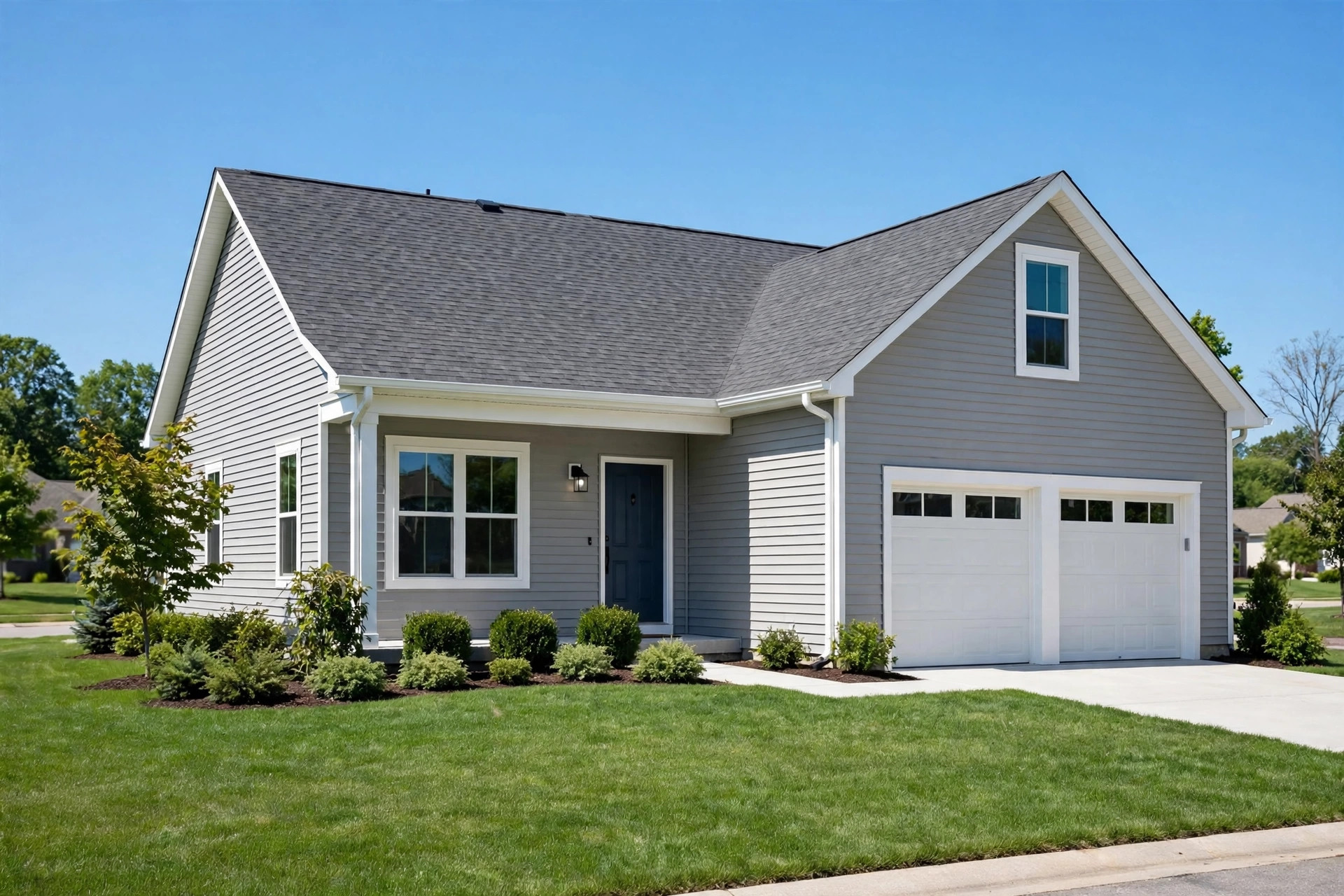

A home with old, worn siding looks tired. Paint peels. Wood rots. Rain finds its way in. Many owners turn to vinyl as an answer. It costs less than wood or fiber cement. It asks for little care. It comes in many colors.
This vinyl siding installation cost guide for USA homeowners lays out the numbers in plain terms. You will learn what the work costs on average, what drives the price up or down, and how to judge a fair bid. No jargon. No sales talk. Just the facts a homeowner needs before signing a contract.
Why Vinyl Siding Costs Matter
New siding is one of the larger home projects. It covers the whole house. Labor is heavy. Mistakes cost real money. A clear cost picture helps you plan a budget, compare bids, and avoid a bad deal. It also helps you see where saving money is smart and where it is not.
Siding protects the walls behind it. It sheds rain. It stands up to wind. It adds a layer of insulation value when paired with the right underlayment. Vinyl is the most common choice in the United States because it balances cost and life span. Most jobs run between three dollars and eight dollars per square foot for materials and labor together, though the range can be wider.
Average Cost of Vinyl Siding Installation in the USA: Vinyl Siding Installation Cost Guide Usa
Across the country, a full-house vinyl siding job often lands between $6,000 and $16,000. The middle of the road sits near $10,000 to $12,000 for a typical two-story home. Small homes may cost less. Large homes with many corners and trim pieces may cost more.
Prices are often quoted per square foot. Standard vinyl siding material runs about one to three dollars per square foot. Labor adds two to five dollars more. Premium and insulated vinyl cost more, often five to nine dollars per square foot installed.
Region matters. Labor rates in the Northeast and the West Coast run high. The South and the Midwest tend to run lower. Rural work can cost less in labor but more in travel and material delivery. City work can cost more due to parking, permits, and tight access.
What Drives the Price Up or Down
Size of the Home
Siding is sold and priced by area. A ranch home of 1,200 square feet of wall space costs less than a two-story home of 2,400 square feet. Corners, gables, and dormers add labor time. Each one needs cut pieces and trim. A plain box shape is the cheapest to side. A home with many angles is not.
Type and Grade of Vinyl
Standard vinyl is thin and light. It costs the least. Thick or premium vinyl holds its shape better and resists denting. Insulated vinyl has a foam backing. It costs the most but adds energy value and a solid feel. If you compare brands, check the panel thickness. Thicker panels last longer and look flatter on the wall.
Removal of Old Siding
Some crews install new vinyl over old wood or aluminum siding. This saves tear-off cost but adds risk. Rot or insects can hide under the old layer. Full removal adds one to two dollars per square foot. It also lets the crew inspect the sheathing and add a house wrap.
House Wrap and Insulation
A weather barrier under the siding keeps water out and lets the wall dry. House wrap adds cost but protects the home. Foam insulation boards add more cost and raise the energy rating. In cold states, this extra layer can cut heat loss through the walls.
Trim, Soffit, and Fascia
Siding is not only the flat panels. Corners, window trim, door trim, soffit, and fascia add material and labor. A home with many windows costs more to trim out. Some bids skip these items to look cheap. A full bid lists them.
Labor and Contractor Skill
Good crews cost more. They set panels straight. They leave room for movement. They flash windows well. Cheap crews rush. Panels buckle in heat. Water gets in behind corners. The lowest bid is often the most costly in the long run.
Types of Vinyl Siding and Their Costs
Horizontal Lap Siding
This is the common style. Panels run left to right and overlap. Dutch lap adds a shadow line. Beaded styles add a round edge. Standard lap costs the least and suits most homes.
Vertical Siding
Panels run up and down. This style suits barns, farmhouses, and modern homes. It costs a bit more because it needs more trim and care at the top and bottom edges.
Shake and Shingle Styles
These panels copy the look of cedar shakes. They cost more than lap siding. They suit gables and accent walls. Many owners mix shakes on the gable with lap below to save money.
Insulated Vinyl Siding
Foam backs each panel. It adds rigidity and a small R-value. It costs the most of the vinyl types. Owners in hot or cold zones often choose it for comfort and lower bills.
New Installation vs. Replacement
New construction is simpler. The walls are bare. The crew works fast. Replacement is harder. Old siding must come off. Sheathing may need repair. Rotten boards must be cut out. Weather barriers must go on.
For more on how insulation-backed options price out, see this related read on insulated vinyl siding price comparison. And if you are weighing other wall finishes, this stucco exterior repair cost guide covers a common alternative.
Cost by Region in the USA
The South often shows the lowest installed prices. Labor is steady and weather allows year-round work. The Midwest sits near the national average. The Northeast and the Pacific Northwest run higher due to labor cost and code rules. California cities run highest of all in many cases.
Material cost stays fairly even across regions. Shipping adds a bit in remote areas. Labor is the main swing factor. Get bids from local crews who know your area codes and weather.
Labor Costs Explained
Labor often makes up half the bill. Crews charge by the square foot or by the square. A square in siding trade talk means 100 square feet. A crew may charge $200 to $400 per square for labor alone.
A good bid breaks out labor and material. It names the brand and the panel grade. It lists tear-off, wrap, trim, and cleanup. It states the time line. It states the warranty on work. Ask each bidder the same set of questions. Compare like with like.
Extra Costs to Watch For
Permits add $100 to $500 in most towns. Dumpster rental and waste haul add $300 to $700. Rotten sheathing repair can add $500 to $2,000 or more. Lead paint rules add cost on older homes if paint is disturbed.
Scaffolding on steep or tall homes adds labor time. New gutters are often done at the same time and add $1,000 to $3,000. Painting is not needed for vinyl, which is one of its cost perks.
How to Get a Fair Bid
Get three bids at least. Ask for proof of license and insurance. Ask how many vinyl jobs the crew did last year. Ask for two past jobs you can drive by. Ask what brand and grade they plan to use. Ask how they handle rot found under the old siding.
Put it in writing. The contract should list the full price, the start date, the finish date, the material brand, the panel style, the color, the warranty terms, and the payment plan. Never pay the full sum up front. A common plan is one third to start, one third at mid point, and the rest at the end.
DIY vs. Hiring a Pro
Vinyl siding looks simple. The tools are basic. But the details decide the result. Panels must hang loose on nails to allow movement. Windows must be flashed so water runs out, not in. J-channels must be cut clean.
A handy owner can side a small shed or garage. A full house is a pro job for most people. Falls from ladders cause real harm each year. A bad water detail can rot a wall for years before it shows. Most owners save money by hiring right, not by doing it all themselves.
Care and Upkeep After Installation
Vinyl asks for little. Wash it once a year with a garden hose and a soft brush. Use mild soap for dirt. Do not use a strong pressure washer up close. It can drive water behind the panels and crack them.
Check the caulk lines at trim each spring. Look for loose panels after storms. Keep shrubs cut back six inches from the wall. Keep mulch off the bottom course. Small care keeps the siding straight and tight for decades.
Life Span and Value
Good vinyl siding lasts 20 to 40 years. Cheap thin panels last less. Thick premium panels last more. Sun is the main enemy. South and west walls fade first. Dark colors fade faster than light ones.
New siding can lift resale value. Buyers like a home that needs no paint. Real estate pros often rank siding replacement high among projects that return value. It will not return every dollar, but it moves a home faster in many markets.
Safety Notes
Work at height is the main risk. Crews must tie off on steep roofs. Ladders must stand on firm ground. Power lines near the work zone need care. Nails and cut metal trim can cut hands.
On homes built before 1978, test for lead paint before disturbing old layers. Federal rules require trained crews for lead work in many cases. Asbestos siding on very old homes needs a licensed removal firm. Do not break or sand it yourself.
FAQ
How much does vinyl siding cost per square foot installed? Most jobs run $3 to $8 per square foot installed. Standard grades sit at the low end. Premium and insulated grades sit at the high end.
How long does a vinyl siding job take? A typical home takes one to two weeks. Small homes may take a few days. Large or complex homes may take three weeks or more.
Can new vinyl go over old siding? Sometimes yes, if the old siding is flat and sound. Most pros prefer full removal. It lets them check the wall and add a weather barrier.
Does vinyl siding need painting? No. The color runs through the panel. Paint will not stick well and voids most warranties. If you want a new color, replace the siding.
What is the cheapest way to side a house? Standard thin vinyl in a light color on a simple home shape is the cheapest path. Get three bids and pick the middle one from a licensed crew.
Does insulated vinyl siding pay for itself? It adds comfort and a small energy gain. It rarely pays back its full extra cost in energy bills alone. Owners choose it for the solid look and feel as much as the savings.
A Short Final Word
Vinyl siding is a sound buy for most American homes. Know the average cost. Know what shapes it. Get written bids from proven crews. Pick a fair middle price, not the lowest one. Do that, and the house will look sharp and stay dry for decades.
If you are still weighing styles, this piece on cedar shake style siding for southern homes shows a popular accent option. Cost questions answered here should make your next bid review a calm, clear task.
For more background, see This Old House, Bob Vila, and Family Handyman. For more background, see The Spruce, The Home Depot, and Lowe’s. Buying guides are also published by James Hardie and CertainTeed.
References
Bob Vila. (n.d.). Home improvement advice. https://www.bobvila.com CertainTeed. (n.d.). Building materials and exterior products. https://www.certainteed.com Family Handyman. (n.d.). DIY home repair and maintenance. https://www.familyhandyman.com James Hardie. (n.d.). Fiber cement siding and exterior products. https://www.jameshardie.com Lowe’s. (n.d.). Home improvement products. https://www.lowes.com The Home Depot. (n.d.). Home improvement products. https://www.homedepot.com The Spruce. (n.d.). Home and garden advice. https://www.thespruce.com This Old House. (n.d.). Home renovation guidance. https://www.thisoldhouse.com
Was this guide helpful?

About David Wilson
The My Garden US editorial team writes practical, in-depth home and garden guides for American homeowners — tested advice, no fluff.
You May Also Like
Stone Veneer Panels Reviews and Buying Guide
May 7, 2026 0 views
Best Retaining Wall Builders Near Me: A Complete Hiring Guide
February 8, 2026 0 views
Buy Vinyl Replacement Windows Online in the USA: A Simple Guide
August 13, 2026 0 views