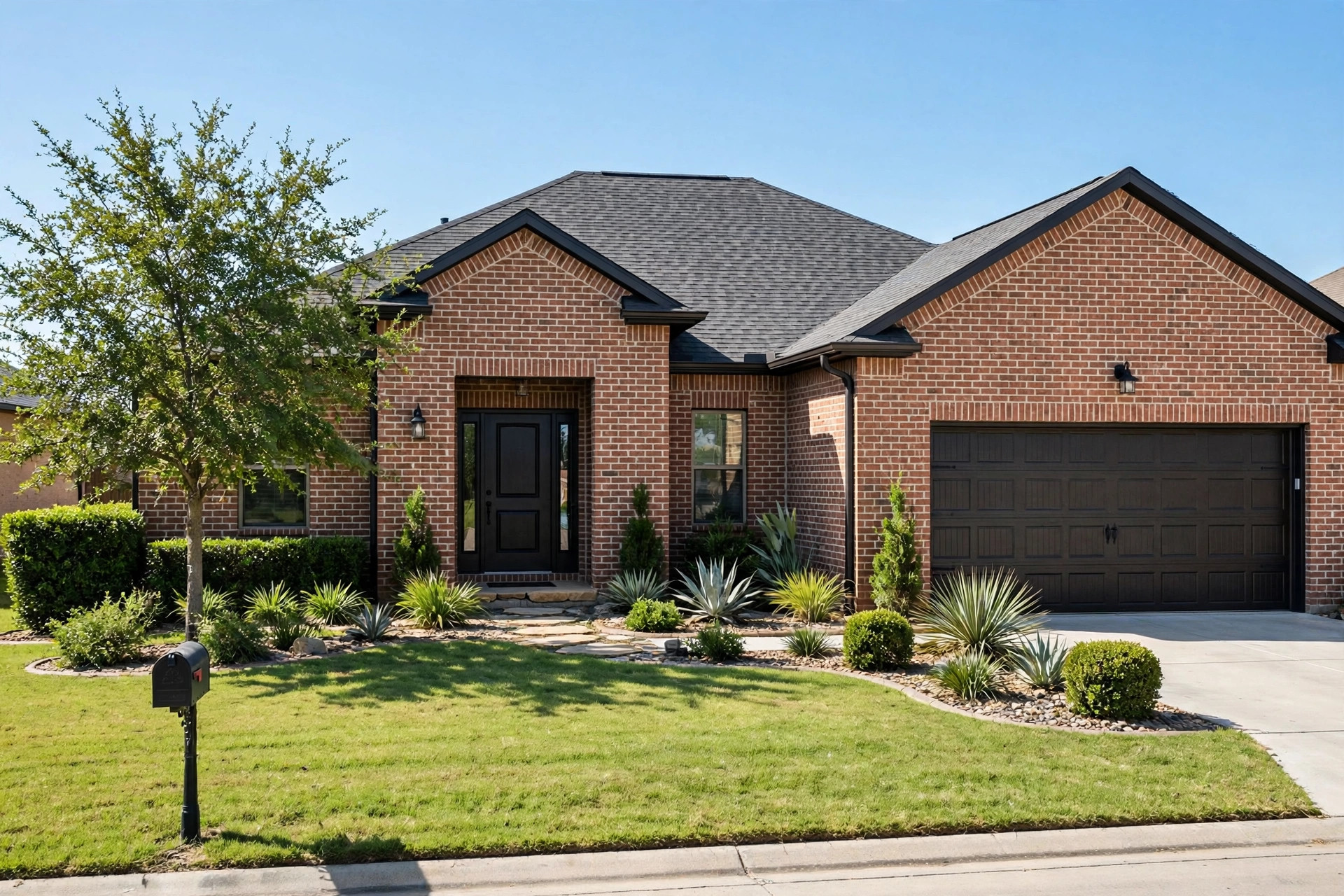

Texas is hard on houses. Summer heat pushes past one hundred degrees. Spring storms bring hail and high wind. Humidity sits heavy along the Gulf Coast. A homeowner in this state needs siding that can take all of that and still look good year after year. That is why so many people search for top rated brick veneer siding for texas homes before they start a build or a remodel. Brick veneer gives the classic look of solid brick without the full weight and cost of a structural brick wall. It is a single layer of brick set in front of the framed wall, tied back to the structure with metal straps. Done right, it lasts for decades and asks for very little care.
Why Brick Veneer Makes Sense in Texas
The first reason is the heat. Brick holds warmth slowly. A brick veneer wall with an air gap behind it can keep direct sun off the sheathing and slow the transfer of heat into the house. This does not replace insulation, but it helps the wall assembly work better. The U.S. Department of Energy notes that wall systems matter in hot climates, and brick is a strong choice for exterior walls in the South. You can read more at energy.gov.
The second reason is wind. Texas sees tornadoes, hurricanes, and straight-line storms. A brick veneer that is tied to the frame with proper anchors resists windblown debris better than thin vinyl or bare fiber cement. Hail that dents metal siding often leaves brick unharmed. Insurance companies in storm zones often look kindly on brick homes.
The third reason is simple pride of place. Brick is part of the Texas landscape. From ranch houses outside Dallas to brick colonials in Houston, the look fits. Homeowners who shop for top rated exterior lighting fixtures for midwest homes know that exterior details matter, and brick veneer gives a home a finished, solid feel that paint and thin siding cannot match.
What to Look for When You Choose Brick Veneer: Top Rated Brick Veneer Siding for Texas Homes
Not all brick is the same. When you shop for top rated brick veneer siding for texas homes, keep these points in mind.
Clay Content and Firing
Real brick is made from clay that is shaped and fired in a kiln. High-fired brick is dense and hard. It absorbs less water. In Texas, that matters. Heavy rain followed by hot sun can punish soft brick. Ask the supplier about the brick’s absorption rate. Lower absorption means better weather resistance. A good dealer will share test data without trouble.
Size and Thickness
Full-size brick veneer is about three and five-eighths inches deep. It is the classic choice. Thin brick is a cut-down version, about half an inch to one inch thick, glued or set in mortar over a backer board. Thin brick costs less to ship and install, and it works well for accents or interior walls. For a full Texas home exterior, most builders still prefer full-size veneer for its depth and strength.
Color and Texture
Texas homes look best in warm tones: reds, browns, tans, and sandy blends. Dark brick absorbs more heat, which is a real factor in a state where July afternoons are brutal. Light or medium blends reflect a bit more sun. Texture also plays a role. Smooth brick sheds dust easily. Rough, tumbled brick hides dirt and gives a rustic feel. Order full-size samples and look at them on your lot in morning and afternoon light before you decide.
Ratings and Reviews
Look for products with a track record. The Spruce and Bob Vila publish guides on exterior materials that can help you compare options. The Spruce covers siding materials in plain language, and Bob Vila offers contractor-grade advice for homeowners. Read manufacturer warranties too. A fifty-year warranty on brick is common among the better makers.
Types and Options
Full-Size Brick Veneer
This is the standard. Masons lay it course by course in mortar, with a one-inch air space between the brick and the wall sheathing. Weep holes at the bottom let moisture escape. Metal ties connect the brick to the framing every sixteen inches. When done to code, full-size veneer is the toughest option on this list. It costs more in labor, but it is the choice most Texas builders recommend for whole-house siding.
Thin Brick Veneer
Thin brick is real brick, just sliced thin. It goes up with mortar or adhesive over cement board. It is lighter, faster to install, and cheaper. It suits accent walls, porch columns, and gables. For a full exterior in hail country, it is less proven than full veneer. Still, for homeowners on a budget, thin brick veneer for Texas exteriors can deliver the look at a lower price.
Brick Veneer Panels
Panels are factory-made sheets with thin brick already set in them. A crew mounts the panels to the wall like large tiles. Installation is fast. The look is good from the street. Panels cost more per square foot than loose thin brick, and repairs are harder because a damaged panel may need full replacement. They suit DIY-friendly projects and small areas.
Comparing With Other Sidings
Brick veneer is not the only strong choice. Fiber cement siding from makers like James Hardie is popular in Texas for its fire and rot resistance. CertainTeed also makes respected exterior products. Brick costs more up front than fiber cement or vinyl, but it needs no repainting and can outlast both. Weigh the long view, not just the bid price.
Cost and Price in Texas
Prices move with the market, but some ranges hold steady. In Texas, installed full-size brick veneer often runs from twelve to twenty-five dollars per square foot, including labor and materials. Thin brick installed over backer board often runs from eight to fifteen dollars per square foot. Panels fall in a similar range to thin brick.
What drives the price? Labor is the biggest factor. Masonry is skilled work, and good masons in Texas stay busy. Brick choice matters too. Common local brick costs less than imported or hand-made specialty brick. The shape of the house matters as well. A simple rectangle is cheap to brick. A house with many corners, arches, and tall gables needs more cuts and more time.
Get at least three written bids. Ask each contractor to break out materials and labor. Ask how they handle the air gap, flashing, and weep holes. These details are where cheap jobs fail. Retailers like Home Depot and Lowe’s carry thin brick and panels for smaller projects, and their sites list current material prices that help you sanity-check a bid.
Many homeowners also pair a brick project with other exterior upgrades. If you are refreshing the whole outside of the house, you might look at vinyl replacement windows at the same time, since new windows and new veneer share flashing details that are easier to get right together.
Care and Upkeep
Brick veneer asks for little, but not nothing. Walk around the house once a year and look at the mortar joints. Hairline cracks are normal. Wide or crumbling joints need tuckpointing, which is the repair of old mortar. Catch it early and the fix is small.
Keep sprinklers off the brick. Constant wetting feeds mildew and can stain the wall. Trim bushes back so air moves along the wall. Check weep holes at the base of the wall each spring. Mud daubers and debris can plug them, and plugged weeps trap water.
Washing is simple. A garden hose and a soft brush handle most dirt. Avoid high-pressure washers on old mortar. They can blast joints loose. If you need a stronger clean, the Family Handyman site has step-by-step guides for safe masonry cleaning. A mild mix of water and dish soap works on most grime. Rinse from the top down so dirty water does not streak the clean brick below. For white powder stains, called efflorescence, a stiff dry brush often does the job. These salts come out of the brick and mortar as water moves through the wall. They look worse than they are. Never paint brick veneer to hide stains without fixing the moisture source first. Paint traps water and causes spalling, where the brick face flakes off.
Safety
Masonry work has real risks, and Texas heat makes them worse. If you hire the work out, confirm the contractor carries liability insurance and workers’ compensation. Ask who supervises the crew. For DIY thin brick projects, wear a dust mask when cutting brick. Silica dust from masonry cuts is a known lung hazard. Cut wet when you can, and work in the shade during summer.
Ladders and scaffolds need firm, level footing. Texas clay soil shifts with rain, so check scaffold legs after storms. Keep children and pets away from the work zone. Fresh mortar and stacked brick are heavier than they look.
Fire safety is one of brick’s quiet strengths. Brick does not burn. In wildfire-prone parts of Central and West Texas, a noncombustible veneer is a smart layer of defense. The EPA offers guidance on fire-resistant building choices for homeowners in risk zones.
Frequently Asked Questions
Is brick veneer as strong as solid brick walls? For a house, yes, in practical terms. The veneer carries no roof load. The wood or steel frame does that. The veneer’s job is to shed weather and look good. Tied to the frame with metal anchors, it handles Texas wind and hail very well. Solid brick walls belong to old commercial buildings, not modern homes.
How long does brick veneer last in Texas? The brick itself can last a century. Mortar joints may need tuckpointing every twenty-five to forty years, depending on exposure. South and west walls take the most sun and weather, so they age fastest. A well-built veneer with proper flashing often outlives the roof above it.
Does brick veneer need insulation behind it? Yes. The veneer is not insulation. The wall cavity behind it should hold proper batt or foam insulation, plus a weather barrier. The one-inch air gap between brick and sheathing lets the wall dry. Do not fill that gap with insulation. It is there to manage moisture.
Can I install thin brick veneer myself? A handy homeowner can handle a small thin-brick project, like a porch column or an accent wall. Full-house veneer is not a DIY job. It needs footings or lintels, proper ties, flashing, and weep holes. Mistakes hide inside the wall and show up years later as water damage. This Old House walks through masonry basics for those who want to learn the craft at thisoldhouse.com.
Will brick veneer raise my home value? In Texas markets, brick homes often sell at a premium over vinyl-sided homes. Appraisers note exterior material. Buyers like the low upkeep. The return depends on your neighborhood. In areas where brick is the norm, it protects value. Where it is rare, it can set your home apart.
What pairs well with a brick veneer exterior? Classic pairings include painted wood or fiber cement trim, standing-seam metal roof accents, and simple landscaping. Outdoor living upgrades also suit brick homes. Some owners add pergola installation kits to the patio for shade that matches the home’s solid feel.
A Final Word
Choosing top rated brick veneer siding for texas homes is a long-term decision. The upfront cost runs higher than thin sidings, but the payoff is a home that stands up to heat, hail, and time with little fuss. Pick a dense, well-fired brick in a tone that suits your lot. Hire a mason with local references. Mind the details: ties, flashing, weep holes, and mortar. Do that, and your brick veneer will still look strong decades from now, long after trendier sidings have been replaced twice.
References
Bob Vila. (n.d.). Home improvement advice. https://www.bobvila.com CertainTeed. (n.d.). Building materials and exterior products. https://www.certainteed.com Family Handyman. (n.d.). DIY home repair and maintenance. https://www.familyhandyman.com James Hardie. (n.d.). Fiber cement siding and exterior products. https://www.jameshardie.com Lowe’s. (n.d.). Home improvement products. https://www.lowes.com The Home Depot. (n.d.). Home improvement products. https://www.homedepot.com The Spruce. (n.d.). Home and garden advice. https://www.thespruce.com This Old House. (n.d.). Home renovation guidance. https://www.thisoldhouse.com U.S. Department of Energy. (n.d.). Energy efficiency and renewable energy. https://www.energy.gov U.S. Environmental Protection Agency. (n.d.). Protecting human health and the environment. https://www.epa.gov
Was this guide helpful?

About Emily Rodriguez
The My Garden US editorial team writes practical, in-depth home and garden guides for American homeowners — tested advice, no fluff.
You May Also Like
Best Replacement Window Installation Near Me: A Simple Guide for Homeowners
August 25, 2026 0 views
Buy Vinyl Replacement Windows Online in the USA: A Simple Guide
August 13, 2026 0 views
Best House Power Washing Services Near Me: How to Choose the Right One
July 8, 2026 0 views