Most people never think about their windows until one of them breaks. Glass is the weak point of almost every home. A thrown rock, a storm branch, or a burglar’s elbow can turn a pane of glass into an open hole in a matter of seconds. That is why the window security film installation cost usa homeowners pay has become such a common question. Window security film is a thin, tough sheet of clear plastic that is bonded to the inside of the glass. When the glass breaks, the film holds the pieces together. That slows a thief down and keeps storm debris out. It is a small change that can make a real difference. If you are thinking about adding it, the first question is always the same: what will it actually cost? The honest answer is that prices vary widely. A simple do-it-yourself roll can cost a few dollars per square foot, while thick film put on by a professional crew on large or hard-to-reach windows can cost much more. This guide walks through the numbers, the choices, and the steps in plain terms, so you can plan with a clear head.
Why Window Security Film Matters
Glass keeps the weather out, but it does little to keep a person out. A standard window pane breaks with one sharp blow. That gives an intruder a quiet, fast way in. Security film does not make glass unbreakable. No film can promise that. What it does is hold broken glass in the frame. An intruder must strike the same spot again and again to get through, and most thieves will not take that kind of time. They move on to an easier target. That is the whole point. The film buys time and draws attention.
Storms are the other reason. High winds throw branches, signs, and small stones at your windows. In hurricane and tornado states, building codes often call for impact-resistant glass. Security film on regular glass is not a full substitute for impact glass, but it is a step in the right direction. It keeps the wind and rain out after a pane fails, which protects the roof and walls of the house from the inside pressure that can tear a home apart.
There is also safety. Broken glass sends sharp shards flying. In a home with children or pets, that is a real hazard. Film keeps the shards stuck to the sheet, which cuts the risk of cuts and injuries. Some films also block ultraviolet light, which slows the fading of floors, rugs, and furniture. For all these reasons, many homeowners now treat security film as part of a larger home protection plan, alongside window locks for double-hung windows and other simple hardware.
Types of Window Security Film: Window Security Film Installation Cost Usa
Standard clear security film
This is the most common choice. It is clear, so it does not change the look of the house from the street. It comes in 4, 8, and 12 mil thicknesses. For most homes, 8 mil is the sweet spot. It is thick enough to slow an intruder but not so thick that it is hard to install on ordinary windows.
Tinted security film
Tinted film adds privacy and cuts solar heat. It works well on street-facing windows and on west-facing rooms that get hot in the afternoon. The tint can range from light smoke to dark bronze. Check local rules before choosing a dark tint, since some towns and states limit how dark window film can be on homes.
Decorative and frosted film
Frosted film lets light in but blocks the view. It is a good pick for bathroom windows and for glass doors. Some frosted films are also made in security thicknesses, so you get privacy and protection in one product.
Combination films
Some products combine security, solar control, and ultraviolet blocking in one sheet. These are the most expensive rolls, but they solve several problems at once. They are popular in hot southern states, where heat and storms are both a concern.
Window Security Film Installation Cost in the USA
Typical price ranges
The window security film installation cost usa market has a wide range. For a professional job, most homeowners pay between 7 and 20 dollars per square foot. That includes the film and the labor. A standard double-hung window has about 8 to 12 square feet of glass. That means one window often costs between 60 and 240 dollars when a pro does the work.
Thicker films and edge attachment systems raise the price. A full-house job on a two-story home with twenty windows can run from 1,500 to 5,000 dollars or more. The high end usually includes premium film, frame attachment, and hard-to-reach upper windows.
Do-it-yourself kits are much cheaper. A roll of 8 mil security film that covers about 25 square feet can cost 40 to 90 dollars at a home store. That works out to roughly 2 to 4 dollars per square foot for the material alone. The trade-off is your time and the quality of the result. A poor installation can bubble, peel, or trap dust under the film.
What drives the price up or down
Several factors move the final bill. Window size is the first. Large picture windows and sliding glass doors need more film and more labor. Window count is the second. Most installers offer a lower per-window price when they do the whole house at once.
Film thickness is the third factor. A 12 mil film costs more than a 4 mil film, both in material and in labor, because it is harder to cut and handle. Edge attachment systems are the fourth factor. A simple film installation is one price. Adding a wet glaze sealant or a mechanical anchor around the frame can add 3 to 8 dollars per square foot.
Access is the fifth factor. Ground-floor windows are easy. Second-story windows need ladders and more care, so they cost more. Finally, location matters. Labor rates in big coastal cities are higher than in small towns. A quote in California or New York will usually beat a quote in Ohio or Arkansas for the same job.
Professional installation vs do-it-yourself
A professional crew brings clean tools, sharp blades, and experience. They can wrap a whole house in a day or two. Most pros also offer a warranty on the work, which covers bubbles and peeling for several years. If the film fails, they come back and fix it.
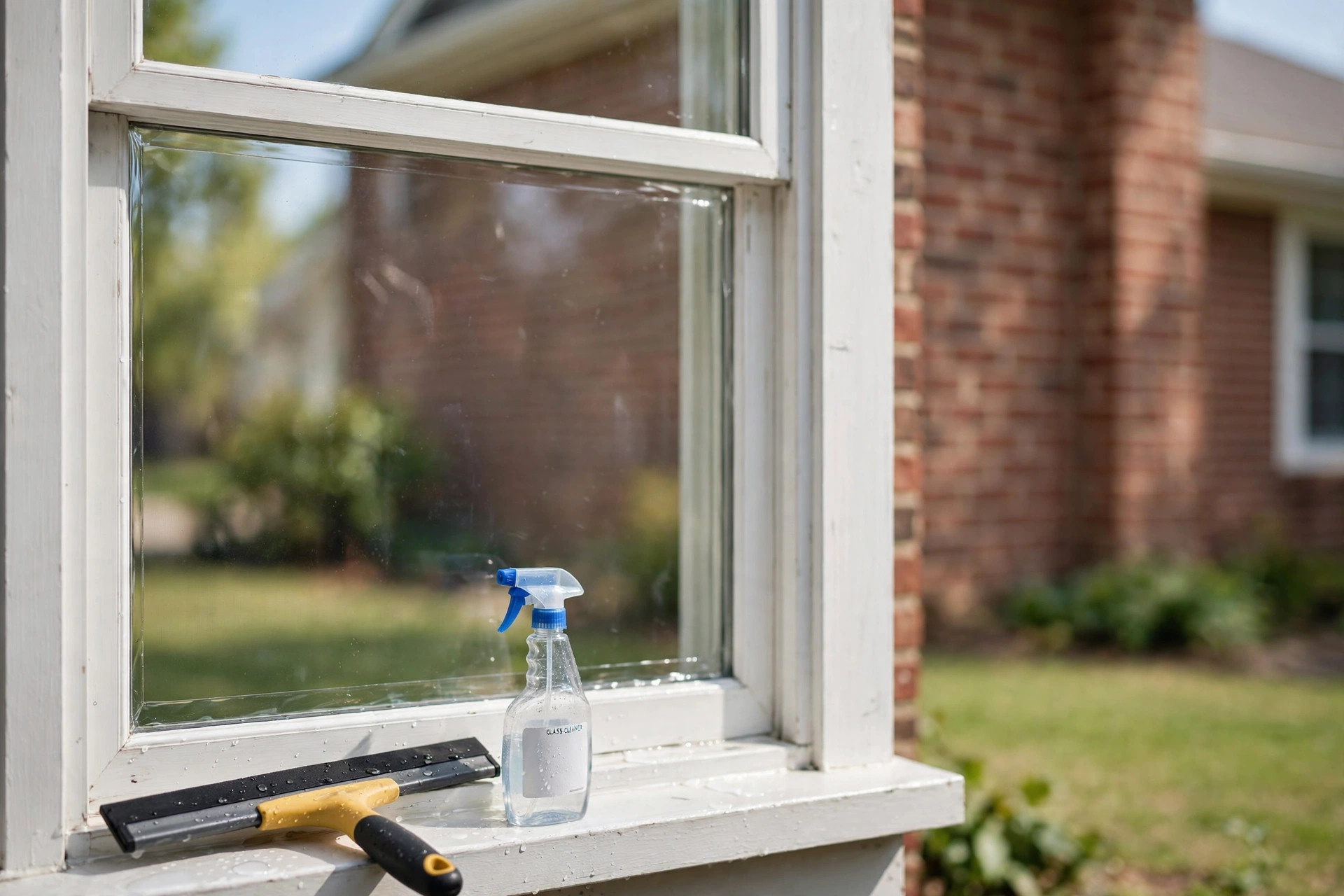
Doing it yourself saves money, but it is a slow job. Each window takes 30 to 60 minutes for a beginner. You need a spray bottle, a squeegee, a sharp utility knife, and a lint-free cloth. The glass must be perfectly clean before you start. Any dust left behind will show as bubbles. For small jobs, like two or three ground-floor windows, a careful homeowner can get good results. For a whole house, most people are happier hiring a pro.
If you are comparing quotes, ask each installer the same questions. What thickness of film do you use? Is the price per square foot or per window? Does the price include an edge sealant? What is the warranty? Get at least three written quotes before you decide. Product reviews and buying guides from sources like Consumer Reports can also help you judge the quality of different film brands before you talk to installers.
How to Choose the Right Film
Start with your goal. If break-in protection is the main concern, choose an 8 mil or thicker clear film and ask about edge attachment. If heat and glare are the problem, look at tinted combination films. If privacy is the goal, consider frosted film for the right rooms.
Next, check the warranty. Good films carry a manufacturer warranty of 10 years or more against peeling, bubbling, and discoloration. The installer should add a labor warranty on top of that. A company that will not put its warranty in writing is a warning sign.
Then look at the glass itself. Security film works best on annealed glass and on tempered glass. It is not recommended for some types of wired glass or for very old, wavy glass, because the bond may be uneven. A good installer will inspect your windows first and tell you if any of them are poor candidates.
It also helps to think about the rest of your security plan. Film is one layer. Many homeowners pair it with window alarm sensors that sound when a window is opened, or with cameras and video doorbells from companies like Ring. Whole-home systems from providers such as SimpliSafe and ADT are another common layer. Tech reviewers at CNET, PCMag, and The Verge publish regular comparisons of these systems, which can help you build a plan that fits your budget.
Care and Upkeep
Security film is low maintenance, but it needs a short curing period. After installation, do not clean the windows for at least 30 days. The adhesive needs that time to bond fully to the glass. You may see a slight haze or small water bubbles in the first weeks. These usually fade as the film dries.
When you do clean, use a soft cloth or a soft sponge with a mild soap and water. Avoid ammonia-based glass cleaners, which can damage some films over time. Do not use razor blades, steel wool, or rough scrub pads on the film. For general home care guidance, sites like The Spruce offer simple cleaning routines that work well for filmed windows.
Check the edges once a year. If an edge starts to lift, call the installer before it gets worse. Small lifts can often be re-sealed. Ignored lifts grow and collect dirt, which ruins the bond. With proper care, a quality film lasts 10 to 20 years before it needs replacement.
Safety Notes
Security film is a safety product, but it must be installed with care. The U.S. Consumer Product Safety Commission sets standards for glass safety in homes, and film should meet or support those standards rather than work around them. Never put film on the outside of the glass unless the product is rated for exterior use. Exterior sun and weather will break down most interior films in a short time.
Keep in mind that filmed windows are harder to break from the inside too. In a fire, a filmed window may be harder to use as an escape route. Make sure every bedroom has a workable escape plan that does not depend on breaking a filmed window. Talk with your local fire department if you are unsure.
If you hire an installer, confirm that the company carries liability insurance. Ask for proof. Film installation involves ladders, sharp blades, and work around your home. A proper company will have no trouble showing its paperwork. Also keep product boxes and receipts. If you ever sell the house, the buyer will want to know what was installed and when.
Frequently Asked Questions
How much does it cost to put security film on house windows?
For professional work in the United States, expect 7 to 20 dollars per square foot, installed. A single standard window often runs 60 to 240 dollars. A full-house job with twenty windows can run 1,500 to 5,000 dollars or more, depending on film thickness, edge attachment, and local labor rates. Do-it-yourself rolls cost about 2 to 4 dollars per square foot for the material alone.
Is window security film worth the money?
For many homeowners, yes. It does not make glass unbreakable, but it turns a one-second break-in into a long, noisy struggle. That is often enough to send a thief elsewhere. It also cuts storm damage and lowers the risk of injury from broken glass. Compared with the cost of replacing a broken window and dealing with a burglary, the film is a modest investment.
Can I install security film myself?
Yes, on small and easy windows. Ground-floor windows with simple frames are the best candidates. Buy a quality 8 mil film, clean the glass until it is spotless, and work slowly. Watch the maker’s instruction video first. For second-story windows, large picture windows, or a whole house, hire a professional. The quality gap between a pro job and a first-time DIY job is large.
How long does window security film last?
A quality film from a known maker lasts 10 to 20 years indoors. The exact life depends on sun exposure, film quality, and how well it was installed. South-facing windows age faster than north-facing ones. When the film starts to haze, peel, or discolor, it is time to replace it.
Does security film stop burglars completely?
No. Nothing stops a determined intruder with enough time and tools. Film is a delay device, not a wall. Its value is that it forces an intruder to spend time and make noise, which raises the chance of being seen or heard. Used with good locks, basement window security bars, and an alarm system, it is part of a strong defense.
Will security film damage my windows?
When installed correctly on suitable glass, no. Problems come from poor installation, from using the wrong film on the wrong glass, or from thermal stress on certain glass types in hot climates. A qualified installer will check your glass type first and warn you if film is a bad fit. Ask about thermal stress cracks before you sign, especially if you live in a very sunny region. Smart home shoppers often research their options on Google Store and in buying guides before choosing a security upgrade, and the same habit pays off with window film.
A Final Word
Window security film is one of the quieter upgrades a homeowner can make. It does not flash, beep, or need batteries. It simply sits on the glass and waits for the day it is needed. The window security film installation cost usa shoppers see can feel like a wide range, but once you know your window count, your film thickness, and whether you want edge attachment, the numbers settle down fast. Get three quotes, read the warranty line by line, and pick the installer who answers your questions in plain language. A clear window, a firm film, and a fair price are all within reach.
References
ADT. (n.d.). Home security and automation. https://www.adt.com CNET. (n.d.). Technology news and reviews. https://www.cnet.com Consumer Reports. (n.d.). Product reviews and ratings. https://www.consumerreports.org Google Store. (n.d.). Smart home devices. https://store.google.com PCMag. (n.d.). Technology product reviews. https://www.pcmag.com Ring. (n.d.). Smart home security devices. https://www.ring.com SimpliSafe. (n.d.). Home security systems. https://www.simplisafe.com The Spruce. (n.d.). Home and garden advice. https://www.thespruce.com The Verge. (n.d.). Technology news and reviews. https://www.theverge.com U.S. Consumer Product Safety Commission. (n.d.). Product safety information. https://www.cpsc.gov
Was this guide helpful?

About James Carter
The My Garden US editorial team writes practical, in-depth home and garden guides for American homeowners — tested advice, no fluff.