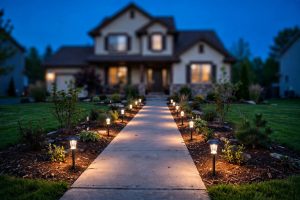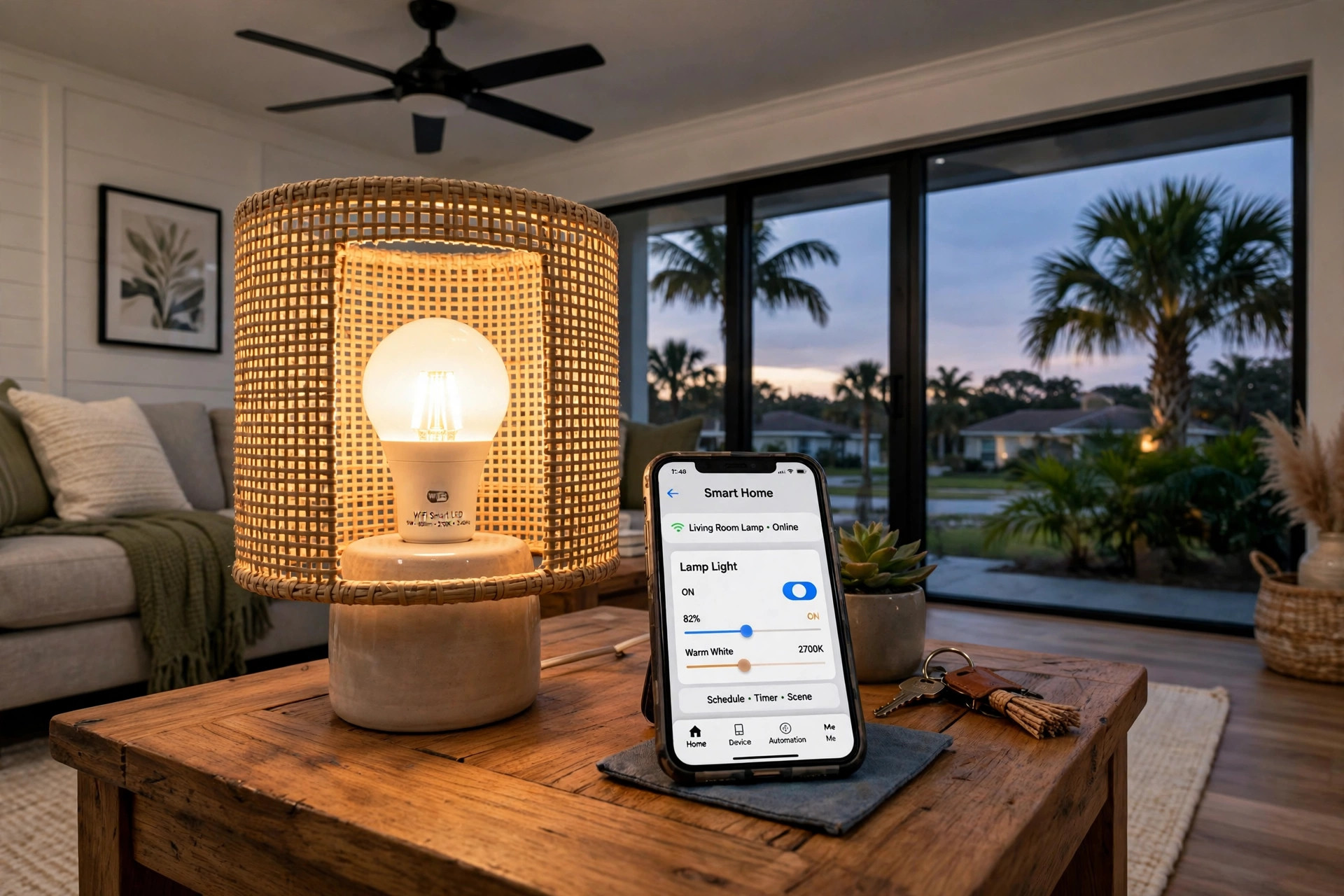

Many homeowners are now switching to wifi smart bulbs florida homes usa buyers search for when they want easier control of their lights. These bulbs connect to a home WiFi network. They allow a person to turn lights on and off, change color, and set schedules from a phone or a voice assistant. There is no need for special wiring. The bulb screws into a normal socket, just like an ordinary bulb.
Florida homes have some special needs. The climate is hot and humid. Summer storms bring lightning and power cuts. Many homes have outdoor porches, lanais, and pool areas that need light after dark. A smart bulb can make daily life simpler. It can also save money on the power bill. This guide explains what to look for, what kinds are sold, what they cost, and how to keep them working well.
Why WiFi Smart Bulbs Matter in Florida
Florida is one of the sunniest states in the country. Still, people use electric lights for many hours each day. Rooms that face away from the sun need light in the morning. Kitchens, halls, and closets need light at night. Outdoor areas need light for safety after sunset.
A smart bulb gives a homeowner more control than a plain bulb. With a phone app, the lights can be dimmed without a dimmer switch. They can be set to turn on at sunset and turn off at bedtime. When the family is away on vacation, the lights can be set to a random pattern. This makes the house look lived in. That can discourage break-ins.
Energy use is another reason to pay attention. Lighting is a steady part of every home power bill. The United States Department of Energy notes that lighting is a major part of home electricity use. LED smart bulbs use far less power than the old incandescent bulbs they replace. Over a year, the savings add up. In a Florida home, where air conditioning already pushes bills high in summer, every saving helps.
Smart bulbs also help with comfort. A bright white light is good for cooking and reading. A warm dim light is better for the evening. A smart bulb can move between both in seconds. Some can show many colors, which is fun for parties and holidays.
What to Look For When You Choose: Wifi Smart Bulbs Florida Homes Usa
Brightness and Color
Brightness is measured in lumens. For a living room or kitchen, look for about 800 lumens per bulb. That is close to the old 60-watt bulb. For a hallway or closet, 450 lumens may be enough.
Check the color range too. Most smart bulbs offer warm white to daylight white. This is measured in Kelvins. A value near 2700K gives warm light. A value near 5000K gives bright daylight light. Color-changing bulbs, often called RGB bulbs, can also show red, blue, green, and many shades in between. For most rooms, a tunable white bulb is enough. Color bulbs are best for bedrooms, game rooms, and outdoor accent lights.
App and Voice Control
Every smart bulb brand has its own phone app. Read recent reviews of the app before you buy. The app should be simple to use. It should let you group bulbs by room. It should let you set timers and schedules without trouble.
Check that the bulb works with the voice assistant you use. Many bulbs work with the major assistants, but not all of them do. If you plan to say “turn off the living room lights,” make sure the bulb supports that command. Setup is usually simple. You screw in the bulb, open the app, and follow the steps to join the bulb to your WiFi network.
One word of caution. Most smart bulbs connect to the 2.4 GHz band of a home WiFi network. Many Florida homes have routers that combine 2.4 GHz and 5 GHz under one network name. If setup fails, try the 2.4 GHz band alone. Router help pages and guides on home lighting sites can walk you through it.
Indoor and Outdoor Ratings
Florida homes blur the line between inside and outside. Screened porches, lanais, and covered patios are used as living space. If you plan to put smart bulbs in these areas, check the rating. Bulbs marked for damp locations can handle humidity and covered outdoor spots. Bulbs marked for wet locations can handle direct rain.
A standard indoor bulb should never go in an open fixture outside. Humidity can get inside the electronics. Heat can shorten the life of the bulb. Makers such as Philips sell outdoor-rated smart lights made for porches and gardens. For porch walls and entry doors, many homeowners pair smart bulbs with outdoor wall lanterns that are built for the weather.
Types and Options
Several kinds of WiFi smart bulbs are sold in the United States.
Standard A19 smart bulbs. These are the most common. They fit the normal screw socket found in table lamps, floor lamps, and ceiling fixtures. They are the best choice for a first purchase.
BR30 floodlight smart bulbs. These fit recessed ceiling cans. Many Florida homes have recessed lights in kitchens and lanais. A smart BR30 bulb lets you dim and schedule those lights too.
Outdoor smart bulbs and fixtures. These are built with sealed bodies. They resist rain, salt air, and insects. Near the coast, salt air can corrode cheap metal parts. Look for bulbs with rust-resistant housings if you live near the beach.
Smart light strips. These are flexible strips of small LEDs. They stick under kitchen cabinets, behind televisions, or along stair rails. They give a modern look and use very little power.
Smart plugs as an alternative. If you already like your current bulbs, a WiFi smart plug can turn a lamp on and off by schedule. It cannot dim or change color, but it is cheap and simple.
Brand choice matters less than it once did. Many good bulbs are sold at large home improvement retailers and home improvement stores. Lighting specialists and lighting retailers carry a wider range of styles and brands. Before you buy a full set, buy one bulb. Test it in your home, with your WiFi, and with your voice assistant. If you like it, buy the rest.
Cost and Price
Smart bulbs cost more than plain LED bulbs, but prices have fallen over the years.
A single white-tunable smart bulb often costs between eight and fifteen dollars. A color-changing bulb often costs between ten and twenty-five dollars. Multipacks bring the price per bulb down. A four-pack of color bulbs may cost thirty to fifty dollars.
Outdoor-rated smart bulbs cost more. Expect twenty to forty dollars each. Smart floodlight bulbs for recessed cans sit in the middle range.
The real saving comes from the power bill. LED bulbs use about eighty percent less energy than old incandescent bulbs. The energy-efficient lighting facts from the federal program show how much a home can save by switching. A Florida home that replaces twenty old bulbs with LEDs may save over a hundred dollars a year. The bulbs pay for themselves in the first year or two. After that, the savings are pure gain.
Watch for sales. Bulbs are often marked down during holiday weekends. If you are also shopping for porch lighting, you can often find wall lantern deals at the same time and save on shipping by ordering together.
Care and Upkeep
Smart bulbs need little care, but a few habits will keep them working well.
Keep the firmware updated. Bulb makers release updates through the phone app. Updates fix bugs and close security holes. Turn on automatic updates if the app offers them.
Do not use a smart bulb with an old wall dimmer switch. Old dimmers cut the power in a way that can make the smart bulb flicker or buzz. Set the wall switch to full on. Do all dimming through the app. If a room has a physical dimmer you cannot remove, ask an electrician about a smart-bulb-friendly switch.
In Florida, summer storms cause short power cuts. After a power cut, some bulbs turn back on at full brightness. Others return to their last setting. Check the “power-on behavior” in the app. Set it to “last state” so a night storm does not flood your bedroom with light at three in the morning.
Heat is the enemy of electronics. Do not put a smart bulb in a small enclosed fixture unless the box says it is safe for enclosed use. Trapped heat shortens the life of the bulb. In a hot garage or attic space in Florida, this matters even more.
Clean the bulbs once or twice a year. Dust on the bulb cuts the light output. Wipe the bulb with a dry cloth when the power is off. For outdoor bulbs, check for insect nests around the socket. Mud daubers and wasps love porch fixtures in Florida.
Safety
Smart bulbs are safe when they are used as directed. Still, a few safety points deserve attention.
Buy bulbs with a recognized safety mark. Look for UL or ETL on the box. These marks mean the bulb passed independent safety tests. Avoid no-name bulbs from unknown sellers. Cheap electronics can overheat.
Do not exceed the wattage printed on the fixture. A smart bulb draws little power, so this is rarely a problem. But it is still a good rule to follow.
Keep the app and the home WiFi secure. Use a strong password on the router. Update the router firmware. A smart bulb is a small computer on your network. Most brands are trustworthy, but basic network hygiene is wise. Guides on sites like The Spruce offer simple steps for securing a smart home.
For outdoor security lighting, smart bulbs are only one piece. Many Florida homeowners combine smart bulbs with motion sensor flood lights. The flood light gives bright light when movement is detected. The smart bulb gives soft scheduled light the rest of the night. Together, they make a porch or driveway much safer.
Lightning is common in Florida. A whole-home surge protector, installed by an electrician, protects all the electronics in the house, including smart bulbs. It is a modest one-time cost that can prevent many headaches.
Frequently Asked Questions
Do WiFi smart bulbs work during a power outage?
No. Like every other electric light, a smart bulb needs power to work. When the power returns, most bulbs turn back on. Check the power-on setting in the app so the bulb behaves the way you want after an outage.
Will smart bulbs slow down my WiFi?
One or two bulbs will not. If you install thirty or forty bulbs, they do add traffic to the network. Most modern routers handle this fine. If your WiFi is already weak in some rooms, fix the coverage first. A mesh WiFi system helps large Florida homes with concrete block walls, which can block signals.
Can I use smart bulbs in a ceiling fan?
Yes, if the bulb fits the socket and the fan fixture allows the bulb’s size and weight. Smart bulbs are slightly heavier than plain bulbs because of the electronics inside. Do not use them with the fan’s built-in dimmer. Set the fan light to full power and dim through the app.
Do I need a hub for WiFi smart bulbs?
No. That is the main advantage of WiFi bulbs over some older systems. The bulb talks directly to your router. You need only the bulb and the maker’s phone app. A hub can add features, but it is not required.
Are smart bulbs worth it in a rental home?
Yes. They are one of the best upgrades a renter can make. They need no wiring changes. When you move out, you unscrew them and take them with you. Put the old plain bulbs back in the sockets. The landlord will never know the difference.
How long do smart bulbs last?
A good LED smart bulb is rated for about fifteen thousand to twenty-five thousand hours. In normal home use, that is many years. Heat, frequent power surges, and enclosed fixtures can shorten the life. In Florida, surge protection and open fixtures help the bulbs reach their full rated life.
A Final Word
WiFi smart bulbs are a simple upgrade with a real payoff. They give better control of light. They cut the power bill. They add a layer of security when the family is away. For Florida homes, with their porches, lanais, and long bright summers, they fit the way people live.
Start small. Buy one or two bulbs. Learn the app. See how the light feels in your rooms. Then expand room by room. Choose outdoor-rated bulbs for porches and damp spots. Keep the firmware updated. Set the power-on behavior before storm season. With those simple steps, your smart bulbs will serve you well for years.
References
ENERGY STAR. (n.d.). Energy efficient products. https://www.energystar.gov Lamps Plus. (n.d.). Lighting and home decor. https://www.lampsplus.com Lowe’s. (n.d.). Home improvement products. https://www.lowes.com Lumens. (n.d.). Lighting and ceiling fans. https://www.lumens.com Philips. (n.d.). Lighting products. https://www.philips.com The Home Depot. (n.d.). Home improvement products. https://www.homedepot.com The Spruce. (n.d.). Home and garden advice. https://www.thespruce.com U.S. Department of Energy. (n.d.). Energy efficiency and renewable energy. https://www.energy.gov
Was this guide helpful?

About Jennifer Lee
The My Garden US editorial team writes practical, in-depth home and garden guides for American homeowners — tested advice, no fluff.
You May Also Like
LED Recessed Lights: Reviews and Buying Guide for American Homes
June 6, 2026 0 views
Kitchen Island Pendants: A Complete Guide for American Homes
March 14, 2026 0 views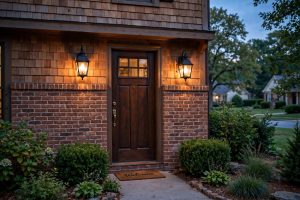
Where to Buy Outdoor Wall Lanterns in the USA
June 15, 2026 0 views