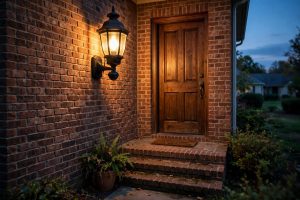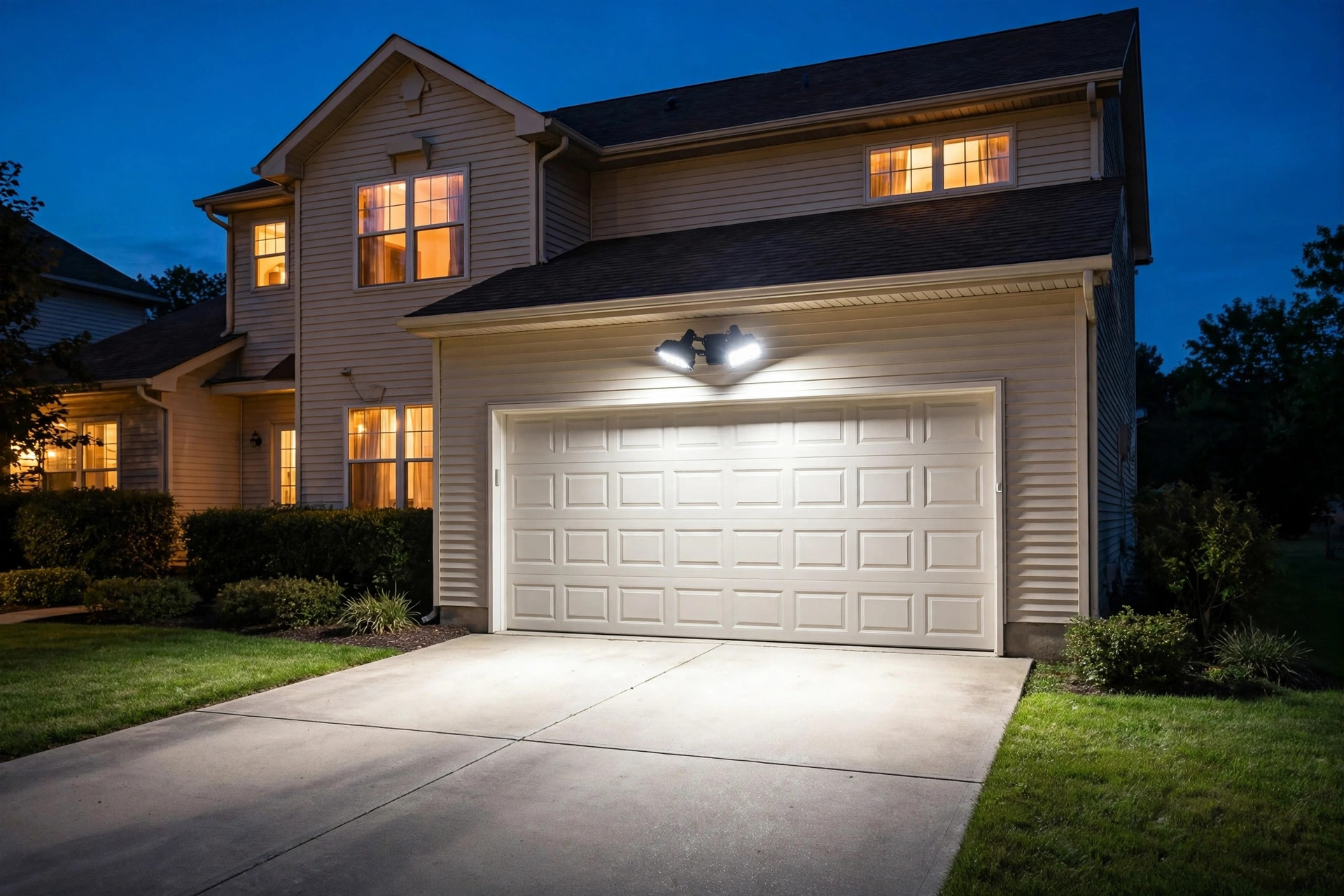

Few home upgrades pay off as well as a good motion flood light. This motion flood lights reviews buying guide usa walks you through the main points of buying and using one. A motion flood light watches over your driveway, your porch, and your back yard. It turns on by itself when something moves. It scares off intruders. It lights the way for guests. And it saves energy, since it only shines when it is needed.
Shoppers often feel lost in the aisle. Boxes show big numbers and strange terms. Lumens, kelvins, detection zones: the words blur together. This guide puts the jargon into plain English. It covers the main types, the prices you can expect, and the care these lights need. By the end, you should feel sure about what to buy and how to set it up.
Why Motion Flood Lights Matter
A dark yard is an open door to trouble. Police reports often note that burglars pick dark houses first. Light takes away cover. A motion light adds surprise to the mix. A thief who sets off a bright light may think someone is home and watching. Many will leave rather than risk it.
Safety comes next. Wet steps, dark paths, and uneven driveways cause falls each year. A motion flood light comes on when you walk up the steps with an armful of groceries. It shows you the curb. It shows you the edge of the porch. Elderly family members gain extra sure footing.
Then there is simple comfort. You pull into the driveway late at night. The light snaps on. You can see the front door lock clearly. Your guests can find the walkway. Your dog can be let out in a yard you can actually see. A motion light works like a quiet guard that never sleeps.
What to Look for When You Shop: Motion Flood Lights Reviews Buying Guide Usa
The main features sound technical, but they are easy to grasp. Here are the ones that truly matter in everyday use.
Brightness and Beam Coverage
Brightness is measured in lumens. Old bulbs used watts, but lumens tell you how much light you actually get. A typical motion flood light for a home runs between 1,000 and 3,000 lumens. A small porch may need only 1,000. A long driveway or a wide back yard may need 2,500 or more.
Beam coverage is about spread. A narrow beam throws light far but leaves the edges dark. A wide beam covers more ground but reaches less far. Most home units cover about 180 degrees. That is enough to watch a yard corner or a garage front. If you browse lighting fixtures, you will see how makers list beam angles on each product page.
Detection Range and Angle
The sensor is the heart of the light. It watches for heat and motion. Most sensors detect people between 30 and 70 feet away. The detection angle is often around 240 degrees, which is wider than the light beam itself.
Look for a sensor you can aim. Houses sit on odd angles. A walkway may run along the side of the garage. An adjustable sensor lets you point the zone where people actually walk. It also helps you avoid false alarms from a busy street or a tree branch that sways in the wind. Adjustable sensitivity settings serve the same goal. You can turn down the reach so passing cars do not trip the light all night.
Power Source: Hardwired or Solar
Hardwired lights connect to your home wiring. They give steady, strong power. They are the best pick for bright light and cold winters. They do need a junction box and some wiring work.
Solar lights charge by day and shine by night. They install in minutes with a few screws. No wires run to them. They suit renters and far corners of a big lot. Their weak point is dim winter sun. On cloudy weeks, the light may burn for a shorter time. If your winters are dark, choose a model with a large panel and a strong battery, or stick with hardwired power.
Color Temperature and Dusk-to-Dawn Modes
Color temperature is measured in kelvins. Warm light sits around 2700K. Daylight-white light sits near 5000K. Many buyers pick 5000K for security lights because it makes detail sharp and colors clear. Warm light feels softer but can wash out faces on a camera.
Some lights add a dusk-to-dawn mode. The light burns at low power all night, then flares bright when motion hits. This suits porches that stay lit anyway. It uses more energy than pure motion mode, but Energy Star certified models keep the draw low.
Types of Motion Flood Lights
Hardwired LED Flood Lights
The classic choice is a hardwired LED flood light with one or two heads. An electrician or a handy owner mounts it to a junction box on a wall or eave. It draws power from the house circuit. Modern LED versions last for years and use little electricity.
These lights shine the brightest. They stand up to heat, cold, and rain. Many now link to phone apps so you can change timers and dim levels from the couch. Prices start around twenty dollars for a basic unit and climb past one hundred fifty for smart models with cameras. Home centers and hardware stores stock the widest range, so you can compare boxes side by side.
Solar Motion Flood Lights
Solar models carry their own panel and battery. You mount the light where sun hits the panel for six hours or more. A small cable often links the panel to the light head, so you can place the panel in sun and the light in shade.
They are ideal for sheds, fences, and the far end of a yard where no wiring runs. Expect 800 to 2,000 lumens. Expect a few hours of motion-triggered light per night after a full day of charging. They cost less up front, often ten to forty dollars. Many owners pair solar motion lights with solar path lights along a walkway for a full outdoor plan, a topic covered in more detail on our solar path lights buying guide page: /solar-path-lights-buying-guide-usa/.
Dual-Head and Triple-Head Designs
Head count changes the coverage. Single-head lights are compact and suit a narrow side door. Dual-head lights spread across a garage or a back deck. Triple-head units wrap light around a corner of the house. The heads swivel, so you can aim one left and one right.
More heads mean more light and a higher price. They also need a sturdy mount. A triple-head unit is heavy, so fasten it to a solid box or framing, not just thin siding. For porch walls rather than wide yards, wall-mounted lanterns may suit the look better; see our guide here: /outdoor-wall-lanterns-buying-guide-usa/.
Cost and Price
Motion flood lights fit almost any budget. Here is a rough map of what your money buys in American stores in 2026.
– Under $25: Basic single-head LED lights. Good for a side door or a shed. Sensors are simple and range is short. – $25 to $60: Dual-head lights with adjustable sensors, timers, and decent brightness. This is the sweet spot for most homes. – $60 to $150: Smart lights with phone apps, dimming schedules, and sometimes built-in cameras or sirens. – Over $150: Pro-grade or designer models, often with heavy metal housings and long warranties.
Running costs are small. An LED flood light that fires a few dozen times a night may add only a few cents to the monthly bill. Solar models cost nothing to run. Reviews in consumer testing magazines often note that the cheapest lights fail first at the seal around the sensor, so mid-range models can be the better long-term deal.
Care and Upkeep
Motion flood lights need little care, but a bit of attention each season keeps them working well.
Clean the sensor lens twice a year. Dust, pollen, and spider webs dull the sensor and cause missed trips. A soft cloth and plain water do the job. Do not use harsh cleaners, which can cloud the plastic lens.
Check the seals and the mounting screws each fall. Water gets in through cracked gaskets. Tighten loose screws before winter winds rock the fixture. If the light flickers, check the wiring connections in the junction box, and turn off the breaker before you touch anything.
Aim the sensor away from heat sources. Dryer vents, grills, and sun-baked walls can trip a sensor all day. Re-aim after storms too, since wind can tilt the heads over time. For solar models, wipe the panel clean so it can soak up the sun fully. Trim back shrubs that cast shade on it.
Most LED flood lights are sealed units. When the LED dies after many years, you replace the whole fixture, not the bulb. Keep the receipt and the warranty card in a folder with other house papers.
Safety Around Motion Flood Lights
Bright light pointed at the wrong place can annoy neighbors and even blind drivers. Aim heads down and toward your own property. A beam that hits the street can cause glare for passing cars. Many towns have rules about light spill, so check local codes before you mount a powerful unit high on the house.
Electrical safety matters most with hardwired models. Always kill the circuit breaker before you open a junction box. Test with a non-contact voltage tester. If the wiring looks old or brittle, call an electrician rather than guessing. Wet-rated fixtures belong outside. Make sure the box on the package says the light is rated for wet locations.
Solar models carry less risk, but mount them firmly. A light that falls from eight feet can hurt someone below. Use the screws and anchors that come in the box, or better ones if your wall is brick or stucco.
Keep ladders on firm ground when you mount a light. Have a helper hold the ladder. Never work on a roof edge or a high eave in the dark or in the rain.
Common Questions
How long do motion flood lights last? A quality LED flood light lasts 15 to 25 years of normal use. The LED itself rarely burns out. Sensors and seals tend to fail first, often after 5 to 10 years in harsh weather. Models with strong metal housings and good warranties last longest.
Do motion flood lights work in winter? Hardwired models work fine in the cold. They draw steady power no matter the weather. Solar models are the ones that suffer. Short days and snow on the panel cut charging. In cold states, clear snow off the panel and expect shorter run times from December through February.
Will a motion light scare away animals? Often yes. Deer, raccoons, and stray cats usually startle when a bright light snaps on. Some learn to ignore it over time. Lights with adjustable sensitivity let you tune the sensor so small pets do not set it off while larger intruders still do.
Can I put a motion flood light on a timer instead? Many models offer both modes. You can set dusk-to-dawn low light with full brightness on motion, or pure motion-only mode. Read the manual, since the switch is often a small dial under the sensor. Phone-app models make the change with one tap.
Are motion flood lights hard to install? Solar models are easy for most people. You drill a few holes and mount the bracket. Hardwired models suit anyone comfortable with basic wiring and a junction box. If you have never worked with house wiring, hire an electrician. A safe install is worth the service fee.
Do smart motion lights need Wi-Fi? Only the smart features need Wi-Fi. The light still works as a basic motion light without a network. But phone alerts, schedules, and dimming need a steady Wi-Fi signal at the mounting spot. Test your signal strength there before you buy a smart model.
A Short Final Word
A motion flood light is a small purchase with a big payoff. It guards the doors. It lights the paths. It saves energy while it stands watch. Pick a model with the right brightness, an aimable sensor, and a power source that suits your home. Mount it solidly, aim it kindly, and clean it twice a year. Your yard will stay bright, your family will stay sure-footed, and strangers will think twice before stepping close.
If you are lighting the inside of the home too, small under-cabinet strips can brighten kitchens and work benches; see our under cabinet strips buying guide: /under-cabinet-strips-buying-guide-usa/. For porch and patio looks, wall lanterns pair well with flood lights; our outdoor wall lanterns guide is here: /outdoor-wall-lanterns-buying-guide-usa/. And for walkway lighting that needs no wiring at all, see our solar path lights guide: /solar-path-lights-buying-guide-usa/. More practical advice on outdoor lighting design can be found in home advice guides, outdoor lighting catalogs, LED makers, and federal energy guides.
Related guides on this site include led recessed lights installation guide usa, dining room chandeliers buying guide usa, and kitchen island pendants buying guide usa.
References
Consumer Reports. (n.d.). Product reviews and ratings. https://www.consumerreports.org ENERGY STAR. (n.d.). Energy efficient products. https://www.energystar.gov Lamps Plus. (n.d.). Lighting and home decor. https://www.lampsplus.com Lowe’s. (n.d.). Home improvement products. https://www.lowes.com Lumens. (n.d.). Lighting and ceiling fans. https://www.lumens.com Philips. (n.d.). Lighting products. https://www.philips.com The Home Depot. (n.d.). Home improvement products. https://www.homedepot.com The Spruce. (n.d.). Home and garden advice. https://www.thespruce.com U.S. Department of Energy. (n.d.). Energy efficiency and renewable energy. https://www.energy.gov
Was this guide helpful?

About Sarah Mitchell
The My Garden US editorial team writes practical, in-depth home and garden guides for American homeowners — tested advice, no fluff.
You May Also Like

Dining Room Chandeliers American Homes Guide: Choosing the Right Light for Your Table
August 17, 2026 0 views
Ceiling Fans Lights Buying Guide USA: What Shoppers Should Know
April 6, 2026 0 views
Reading Floor Lamps for Texas Homes: A Practical Buying Guide
May 14, 2026 0 views