A rented home can still be a secure home. Renters often think that security devices belong to homeowners. The lease says no drilling. The lease says no changes to the walls. So many renters buy nothing at all. That is a mistake. Window alarm sensors are small devices that sit on a window frame. When the window opens, the sensor sends a loud signal. Most of them need no screws and no wires. They cost little and install in minutes. This guide of window alarm sensors reviews for renters usa looks at the best renter-friendly choices on the American market. It explains what to look for, how much they cost, and how to keep your deposit safe while you stay protected.
Why Window Alarms Matter for Renters
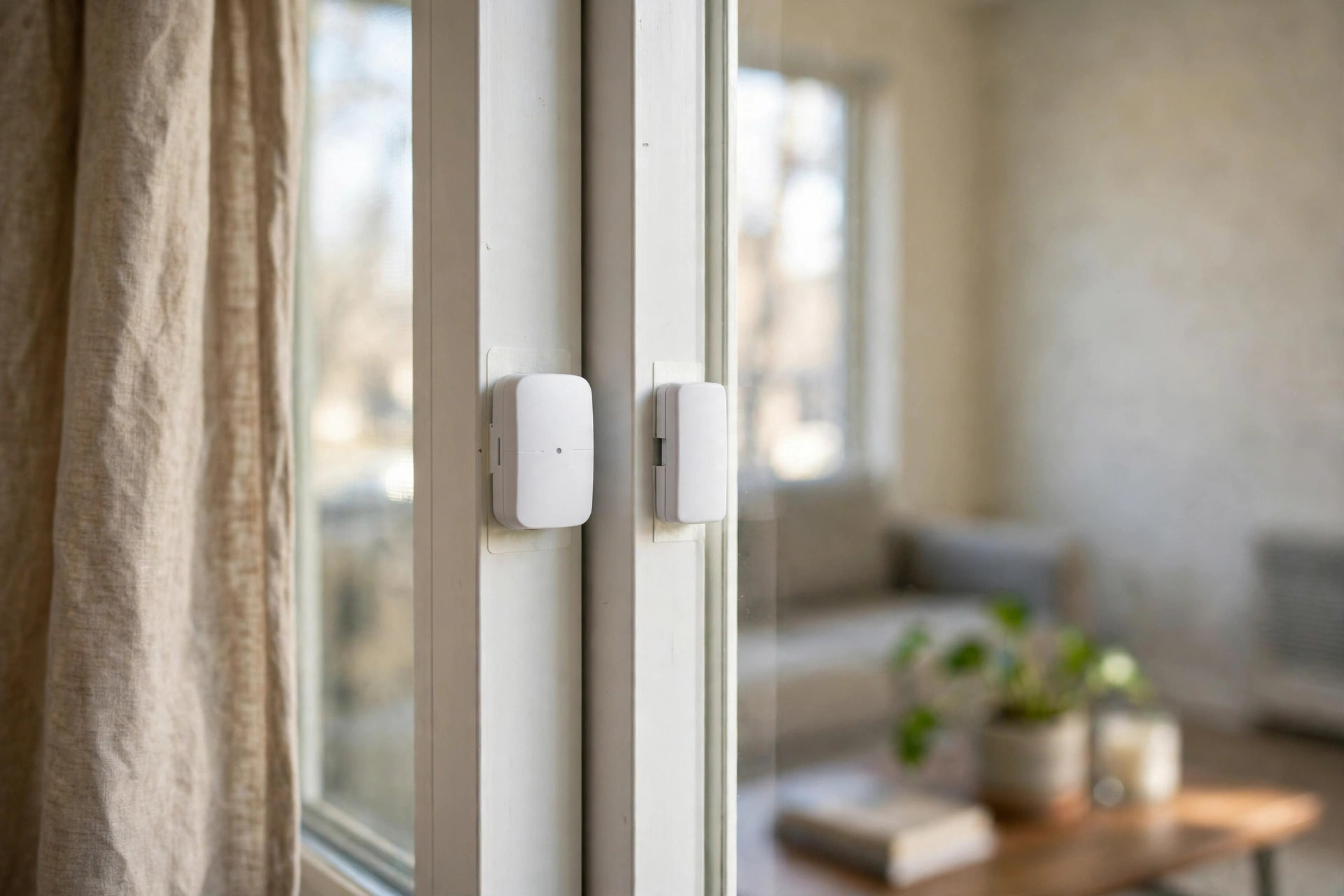
Windows are the weakest point in most apartments. Police records show again and again that many break-ins happen through a first-floor window or a sliding door. Landlords are not required in most states to install security systems. The renter must take care of that. A window alarm sensor is one of the cheapest ways to do it. The device has two parts. One part sticks to the window frame. The other part sticks to the moving window sash. When the two parts move apart, the alarm sounds. The noise is loud, often above 100 decibels. That is enough to wake a sleeping person and to make an intruder think twice.
For renters the benefit is larger than the noise alone. These sensors need no landlord approval in most leases. They attach with adhesive tape or small magnets. They remove cleanly when you move out. Many reviews of window alarm sensors for renters across the usa agree on this point. They praise the devices for being easy to install and easy to remove. For people who move every year or two, that matters more than any extra feature.
What to Look For in a Renter-Friendly Window Sensor: Window Alarm Sensors Reviews for Renters Usa
Not every alarm on the shelf suits a renter. Keep these points in mind when you read window alarm sensors reviews for renters usa.
No drilling. The sensor must mount with adhesive, suction, or magnets. Anything that needs screws is a risk to your security deposit. Look for words like “peel and stick” or “no screws needed” on the box.
Portable design. The sensor should move with you. Units that cost ten to twenty dollars each can go from one apartment to the next. Systems tied to a wall panel or a hardwired hub are harder to move. Many renters prefer standalone units that work on their own.
Battery type. Most small window sensors run on button batteries or small AAA cells. Check how long the battery lasts. A good unit runs for a year or more. Check also whether the battery is common. You want to replace it at any drugstore, not order it online.
Volume and settings. A sensor should have at least two modes. One mode is a loud alarm. The other is a soft chime. The chime tells you when a window opens in the daytime. The alarm protects you at night. Reviews often note which brands offer both modes and which offer only the siren.
Sensitivity. Cheap sensors can trigger from heavy traffic or a slamming door. Better sensors use a magnet switch that only trips when the two halves separate. Those false alarms are rare. Look for reviews that mention wind and vibration, since apartments near roads face this problem often.
Remote control and phone alerts. Standalone sensors sound the alarm on the spot. Smart sensors send a message to your phone. Both have value. A phone alert helps when you are away. But smart sensors cost more and need a hub or Wi-Fi. Renters on a tight budget may be fine with the basic standalone type.
Types of Window Alarm Sensors for Renters
Standalone Magnetic Sensors
These are the most popular choice among renters. The unit is small, about the size of a matchbox. It has a magnet and a sensor. When the window opens, the magnet moves away from the sensor and the siren sounds. Installation takes a minute. You peel the backing and press it to the frame. They cost the least, often between eight and twenty dollars each. Many apartment renters buy them in packs of four or eight.
Vibration Sensors
Vibration sensors sit on the glass itself. They do not wait for the window to open. They react to the sound and shake of breaking glass. This is useful for windows that do not open at all. Many basement windows are fixed. A vibration sensor covers those. They mount with adhesive on the glass and remove without damage. The drawback is the false alarm. A storm or a slammed door can set them off. Place them with care.
Smart Window and Door Sensors
Smart sensors connect to a phone app. They send an alert when the window opens, wherever you are. Brands like Ring, SimpliSafe, and the Google Store line of home security products sell this type. They are part of a larger system. You buy a base station, then add sensors. The cost is higher. A starter kit can run from one hundred to three hundred dollars. The advantage is clear. You get alerts at work. You can check the window status from your phone. Renters who want full control prefer this type. Reviews at Consumer Reports and CNET often compare these systems side by side.
Sliding Window and Door Alarms
Sliding windows and patio doors need special care. Standard sensors can fall off the track of a sliding frame. Some brands make slim sensors built for this purpose. They fit inside the track. They still need no screws. Many renters in ground-floor apartments use these on sliding glass doors, which are a common entry point for break-ins.
Cost and Price Guide
Window alarm sensors are among the cheapest security devices you can buy. Here is what the current market looks like in the United States.
Basic standalone magnetic sensors sell for eight to twenty dollars each. Multi-packs lower the price. A pack of four often costs twenty-five to forty dollars. These are the best value for renters who need to cover several windows.
Vibration glass-break sensors cost twelve to thirty dollars each. They are less common. You will not need many. One per large window is enough.
Smart sensors cost twenty-five to fifty dollars per sensor, plus the cost of a hub or base station. A starter kit with a base and three or four sensors runs from one hundred fifty to three hundred dollars. Brands like ADT also sell monitored plans on top of the hardware. Those plans add ten to thirty dollars a month. Monitored plans are optional for most renters.
Do not forget the hidden costs. Batteries need replacement every one to three years. Some smart systems need a subscription for full phone alerts. Read the fine print before you buy.
Care and Upkeep
A window alarm sensor needs little care. Still, a few habits will keep it working for years.
Check the batteries twice a year. Pick the same dates every year, such as when the clocks change. A dead battery gives no alarm. Some smart units warn you in the app. Basic units do not. Mark your calendar.
Clean the adhesive area before you install. Dust and grease make the tape weak. Wipe the frame with a damp cloth and let it dry. Press the sensor hard for thirty seconds. This makes the bond last through summer heat.
Test the alarm once a month. Open the window and listen for the siren. For smart sensors, check that the phone alert arrives. A test takes ten seconds and tells you the device still works.
When you move, remove the sensors slowly. Heat the adhesive with a hair dryer for a minute. Pull the sensor away at a low angle. Clean the leftover glue with rubbing alcohol. This protects your deposit. Most leases charge for damage to window frames. Clean removal costs you nothing.
Store the sensors in a dry box between apartments. Batteries can leak if left for years. Take the batteries out if you will not use the sensors for months.
Safety Notes for Renters
Window alarms are safe devices. A few safety points still apply. The alarm is loud. Keep it away from the ears of small children when you test it. The U.S. Consumer Product Safety Commission advises that small batteries can be a danger if swallowed by children. Keep spare button batteries in a closed box out of reach. Reviews at PCMag and The Verge often repeat this warning for families with young children.
Do not rely on one device alone. A window alarm is a layer of protection, not a full system. Lock your windows. Close them at night. Tell a neighbor when you travel. For more on broader home protection, you may also want to read about best smart sump pump alarm reviews usa, solar gate opener reviews for driveway usa, and nanit vs owlet camera comparison 2026 usa if you are building out a full renter-friendly setup.
Check your lease before you buy a system with cameras. Some buildings limit cameras in shared halls. Window sensors rarely raise issues, but cameras can. When in doubt, ask your landlord in writing.
Frequently Asked Questions
Will window alarm sensors damage my apartment? No, if you choose adhesive models. They stick with tape and come off without holes. This is the main reason window alarm sensors reviews for renters usa recommend them so often. Avoid any model that needs screws.
Do I need my landlord’s permission? For simple adhesive sensors, almost never. They are not a change to the property. They leave no mark. Still, read your lease. Some leases ban any device on the window frame. When the lease is unclear, a short written note to the landlord removes the doubt.
Are smart sensors worth the extra money for a renter? It depends on your life. If you travel often, phone alerts have real value. If you are home most days, a basic standalone sensor does the job for far less money. Many renters start with basic units and upgrade later.
How many sensors do I need? Count the windows and sliding doors that a person could reach from the ground. First-floor windows come first. Ground-level patios come second. Most renters cover four to eight openings. Upper-floor apartments need fewer.
What is the loudest type? Standalone magnetic sensors are the loudest per dollar. Most reach 110 to 120 decibels. That is louder than a car horn. Smart sensors are quieter on their own, but the phone alert adds a layer of protection.
Can I take them when I move? Yes. That is the point. Peel them off, clean the frames, and reinstall them in your next home. Keep the manuals and spare batteries in one box so the move is easy.
A Short Final Word
Renting does not mean living without security. Window alarm sensors are cheap, simple, and made for people who cannot drill. Read a few reviews, pick the type that fits your home, and install them in an afternoon. The peace of mind is worth far more than the price. For renters across the usa, this small step is often the smartest first move toward a safer apartment.
References
ADT. (n.d.). Home security and automation. https://www.adt.com CNET. (n.d.). Technology news and reviews. https://www.cnet.com Consumer Reports. (n.d.). Product reviews and ratings. https://www.consumerreports.org Google Store. (n.d.). Smart home devices. https://store.google.com PCMag. (n.d.). Technology product reviews. https://www.pcmag.com Ring. (n.d.). Smart home security devices. https://www.ring.com SimpliSafe. (n.d.). Home security systems. https://www.simplisafe.com The Verge. (n.d.). Technology news and reviews. https://www.theverge.com U.S. Consumer Product Safety Commission. (n.d.). Product safety information. https://www.cpsc.gov
Was this guide helpful?

About James Carter
The My Garden US editorial team writes practical, in-depth home and garden guides for American homeowners — tested advice, no fluff.