
Table of Contents
Table of Contents
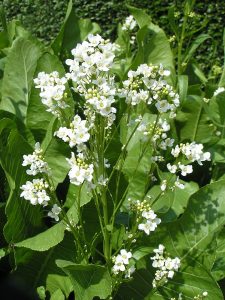
Photo: Wikimedia Commons
Introduction
When it comes to how to grow burdock, getting the details right makes all the difference.

Many homeowners find that how to grow burdock is easier than they expected once they know the basics.
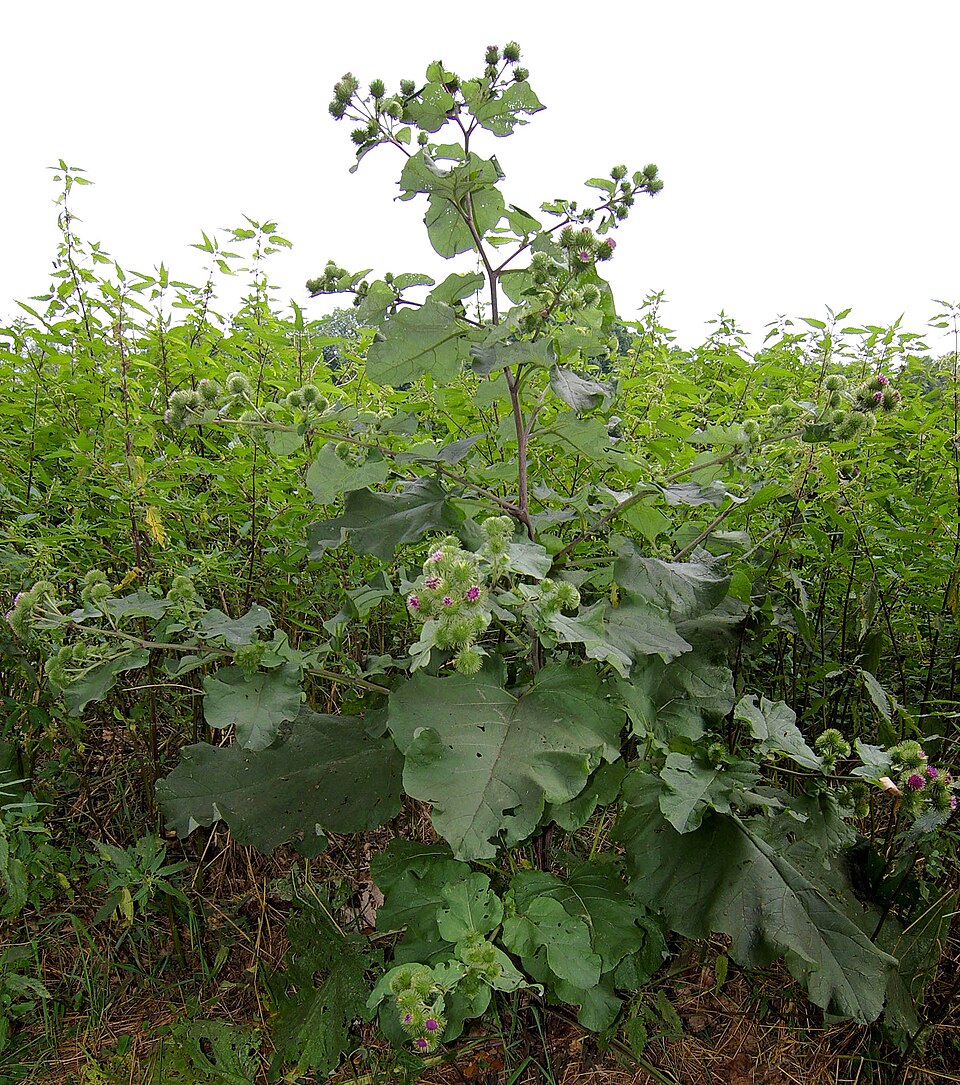
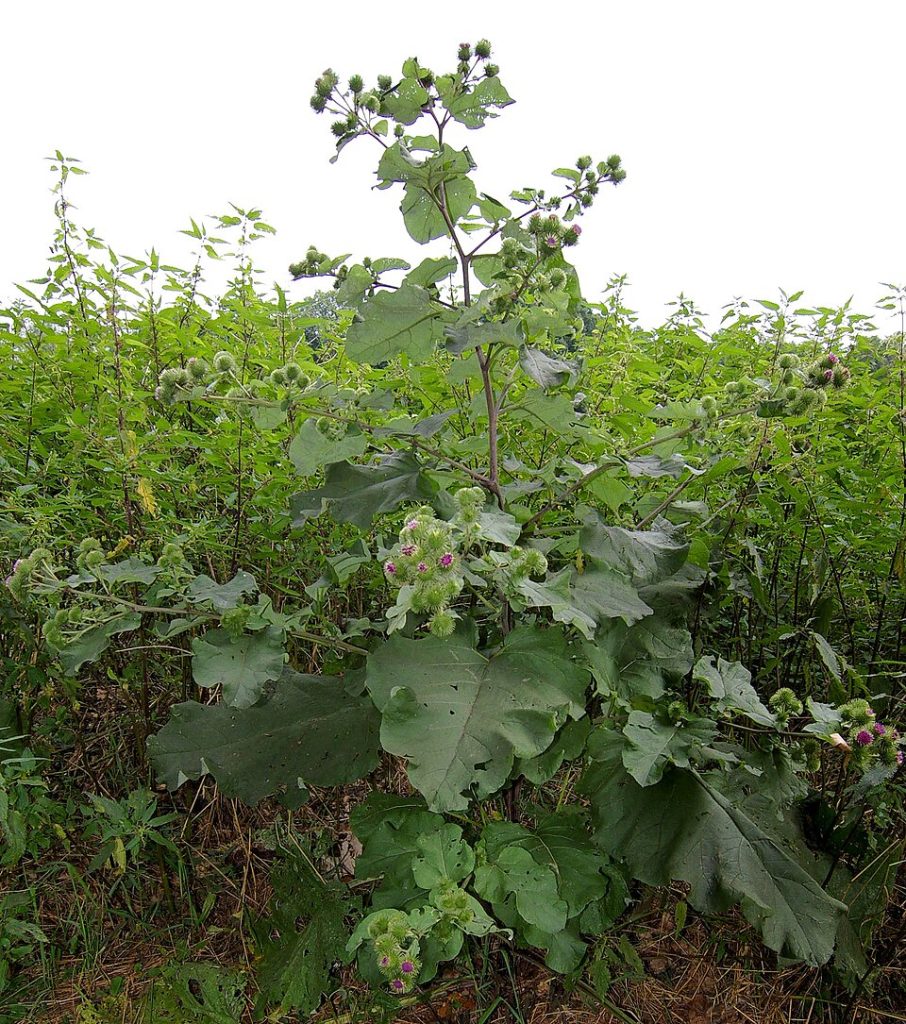
Burdock is best known as a weed with burrs that stick to socks, but in the vegetable garden it is a prized root crop. The long taproots have an earthy, sweet flavor loved in Japanese cooking, where it is called gobo. Grown on purpose in deep, loose soil, it is a very different plant from the roadside weed. This guide covers how to grow burdock from seed to harvest, with timing based on your frost dates and USDA zones 3 to 9, so you can plan with confidence.
Here are the basics: it is hardy in USDA zones 3 to 9, which covers a wide swath of the country. It wants full sun and grows best in deep, loose, fertile soil. Space plants about 8 inches apart, and expect about 120 to 150 days from sowing to harvest. Average garden watering keeps it happy.
This article walks through the whole process step by step - choosing stock, timing your planting, preparing soil, watering and feeding, seasonal care, harvest, and troubleshooting. By the end you will know exactly what it takes to grow it well, and why gardeners value it for long, sweet, earthy taproots for stir-fries and soups.
If you are new to this plant, relax. Gardeners have grown it with simple tools and plain methods for generations. Follow the timing, give it the soil and water described below, and you will harvest a crop you can be proud of.
Choosing a Variety
Many homeowners find that how to grow burdock is easier than they expected once they know the basics.
The key to how to grow burdock is choosing the right approach for your space and budget.
Look for gobo-type varieties bred for long, straight roots, such as 'Takinogawa Long'. Common burdock seed also works but gives shorter, more forked roots. Always buy fresh seed, since burdock seed loses vigor quickly.
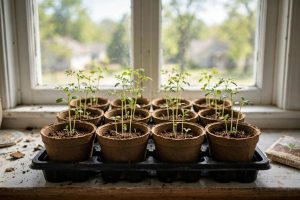
Sow it where it is to grow. It resents root disturbance, so direct sowing beats transplanting every time.
Read the packet before you fall for the picture. Check that the days to harvest fit your season, and look for any mention of disease resistance. Fresh seed from a reputable house beats a bargain-bin packet every time - old seed is the quiet cause of many failed plantings. For variety details and photos, browse your state extension service.
When and How to Plant
The key to how to grow burdock is choosing the right approach for your space and budget.
With a little planning, how to grow burdock can fit even a busy schedule.
Or sow directly outdoors right around your last spring frost. For dates tuned to your zip code, see a local planting calendar tuned to your frost dates, and cross-check with our planting calendar.
Burdock grows a long taproot, so give it deep, loose, sandy soil free of stones, digging the bed at least a foot deep. Direct sow seeds half an inch deep and thin to 6 inches apart. It is a biennial: roots are harvested in the first year, before the plant flowers in its second.
Direct Sowing
Sow into a fine, level seedbed and press the seed into good contact with the soil. Water with a gentle spray, and do not let the bed crust over before sprouts emerge. Mark the row clearly - direct-sown seedlings are easy to weed out by mistake.
1. Time it by frost. Work out your last spring frost date first, then count back or forward the weeks given above. Sowing into cold soil is the most common beginner mistake.
2. Prepare the bed. Clear weeds, loosen the soil, and work in compost. Rake it level so water does not pool.
3. Sow or plant. Place seed half an inch deep, spacing plants about 8 inches apart. Firm the soil gently so seed meets soil.
4. Water in well. Soak the bed after planting, then keep it evenly moist until seedlings are up and growing.
5. Thin or space. If seedlings crowd, thin to the final spacing. Crowded plants compete and stay small.
6. Label and mulch. Mark the row so you do not hoe it by accident, and mulch once plants are a few inches tall.
Get the timing and spacing right and the plants largely take care of themselves from here. Most failures trace back to sowing too early or too deep, so honor the frost dates and the depth. Compare notes with the Old Farmer's Almanac website if you want a second opinion.
Soil and Sun
With a little planning, how to grow burdock can fit even a busy schedule.
Before you start, it helps to understand how how to grow burdock works in real homes.
This plant wants full sun. In practice that means a spot that gets strong light for most of the day, with a little afternoon shade tolerated where summers run hot. Watch your yard for a day and note which beds hold sun the longest - that is where it belongs.
It grows best in deep, loose, fertile soil. Dig in a few inches of compost before planting; compost fixes both sandy soil that dries too fast and clay that stays too wet. If you are unsure what you have, squeeze a handful of damp soil - good garden loam holds together loosely and crumbles when poked.
Once plants are up, a layer of organic mulch keeps roots cool and cuts watering chores. Replenish it as it breaks down; the rotted remains feed the soil for next season. For the botanical details on this species, USDA's PLANTS database lists its native range and needs, and the USDA National Agricultural Library carries plain-language soil guidance.
Watering and Feeding
Before you start, it helps to understand how how to grow burdock works in real homes.
A good plan for how to grow burdock saves time, money, and frustration.
Give it moderate. The finger test never lies: push a finger into the soil, and water when the top inch feels dry. Morning watering is best, since leaves dry fast and diseases get less chance to start.
This is not a heavy feeder. Compost worked in at planting plus a mid-season top-dressing carries it through. Skip the high-nitrogen fertilizers unless a soil test says you need them - too much nitrogen grows leaves, not harvest. Watering and feeding checklists from the University of Florida's gardening site are worth bookmarking.
Care Through the Season
A good plan for how to grow burdock saves time, money, and frustration.
For most people, how to grow burdock comes down to a few smart choices.
Water regularly to keep roots growing straight and tender, and weed well since seedlings are slow. Aphids may colonize the big leaves but rarely harm the roots. Leave plants undisturbed once established, since root damage forks the taproot.
> Grower's tip: Harvest roots the first fall before they get woody. Deadhead flowers to stop the burrs from spreading everywhere.
Stay ahead of weeds from the start. Young plants compete poorly, so keep the bed clean until the foliage closes over. Mulch helps, but nothing replaces a quick weekly pass with a hoe.
Gardeners who grow burdock often grow Salsify, Parsnip, Scorzonera in the same bed or nearby - they share similar needs and the harvests complement each other.
Keep notes. Jot down sowing dates, what worked, and what failed. Next season that notebook is worth more than any gardening book. For pest ID photos and seasonal task lists, see the plant guides at Gardenia.net.
Harvest
For most people, how to grow burdock comes down to a few smart choices.
If you are new to how to grow burdock, start with the simplest option and build from there.
Dig roots in late first-year growth when they are pencil to thumb thick, using a fork to loosen the deep soil first. Peel, slice thin, and stir-fry or simmer; the flavor is earthy and sweet. Pro tip: harvest before the plant bolts, because flowering turns the root woody and inedible.
Harvest in the cool of the morning when flavors and textures are at their peak. Handle the crop gently - bruises shorten storage life fast. Taste as you go; the garden is the best teacher of when something is truly ready.
What you do after picking matters as much as the picking. Cure, dry, or refrigerate promptly - field heat is the enemy of keeping quality. Storage and curing charts at Clemson Cooperative Extension are worth printing out.
Common Mistakes to Avoid
If you are new to how to grow burdock, start with the simplest option and build from there.
When it comes to how to grow burdock, getting the details right makes all the difference.
Here are the mistakes that trip up beginners with this crop. None of them is hard to avoid once you know what to watch for.
- Planting at the wrong time. Frost dates are not suggestions. Seed sown into cold soil rots or sits, and seedlings set out too early stall for weeks. Count your weeks from the last spring frost and trust the math.
- Sowing too deep. Small seed buried too far never emerges. Sow half an inch deep - barely covering tiny seed is usually right - and press it into firm contact with moist soil.
- Crowding the plants. It is tempting to squeeze in extra, but 8-inch spacing exists for a reason. Crowded plants compete for light and water, stay small, and catch disease faster.
- Watering wrong. Both extremes hurt: soggy soil rots roots and invites disease, while drought stress at the wrong moment ruins the harvest. moderate is the target - learn what that feels like in your soil.
- Giving up too soon. Slow germination is normal for this plant. Keep the bed moist and give it the full expected time before you declare the sowing a failure and start over.
Troubleshooting
When it comes to how to grow burdock, getting the details right makes all the difference.
Many homeowners find that how to grow burdock is easier than they expected once they know the basics.
First, an honest limit: Biennial root crop; needs a cool season to size roots, and zones 10-13 rarely give it. Knowing where a plant will not thrive saves more disappointment than any trick.
Common Pests
Watch for aphids clustering on new growth, slugs rasping leaves on damp nights, and cutworms felling seedlings at the soil line. Collars around seedling stems stop cutworms; handpicking at dusk handles slugs; a hard spray of water knocks aphids down. Beneficial insects do the rest if you skip broad-spectrum sprays.
Common Problems
Poor germination almost always traces to old seed, cold soil, or sowing too deep. Leggy seedlings mean too little light. If growth stalls mid-season, side-dress with compost and check that mulch has not piled against the stems. Rotate crops so the same family does not follow itself in the same bed.
When in doubt, take a sample to your local cooperative extension office or browse the diagnostic photos at the Missouri Botanical Garden - a correct ID beats a guess every time.
References
Many homeowners find that how to grow burdock is easier than they expected once they know the basics.
The key to how to grow burdock is choosing the right approach for your space and budget.
University of Minnesota Extension. (n.d.). Growing vegetables and herbs in home gardens. https://extension.umn.edu/
Old Farmer's Almanac. (n.d.). Planting calendar. https://www.almanac.com/planting-calendar
Clemson University Cooperative Extension. (n.d.). Home and garden information. https://clemson.edu/extension/
Old Farmer's Almanac. (n.d.). Gardening advice and planting guides. https://www.almanac.com/
U.S. Department of Agriculture. (n.d.). PLANTS database. https://plants.usda.gov/home
Was this guide helpful?

About My Garden US
The My Garden US editorial team writes practical, in-depth home and garden guides for American homeowners — tested advice, no fluff.