
Many gardeners ask about peat pots seedlings where to buy usa each spring. The answer is good news. Peat pots are sold in almost every state. You can find them at local garden centers, large home improvement stores, farm supply outlets, and many online seed suppliers. This guide shows where to look, what to check before you buy, and how much you should expect to pay. It also covers how to use peat pots well, so your seedlings grow strong.
Why Peat Pots Matter for Seedlings
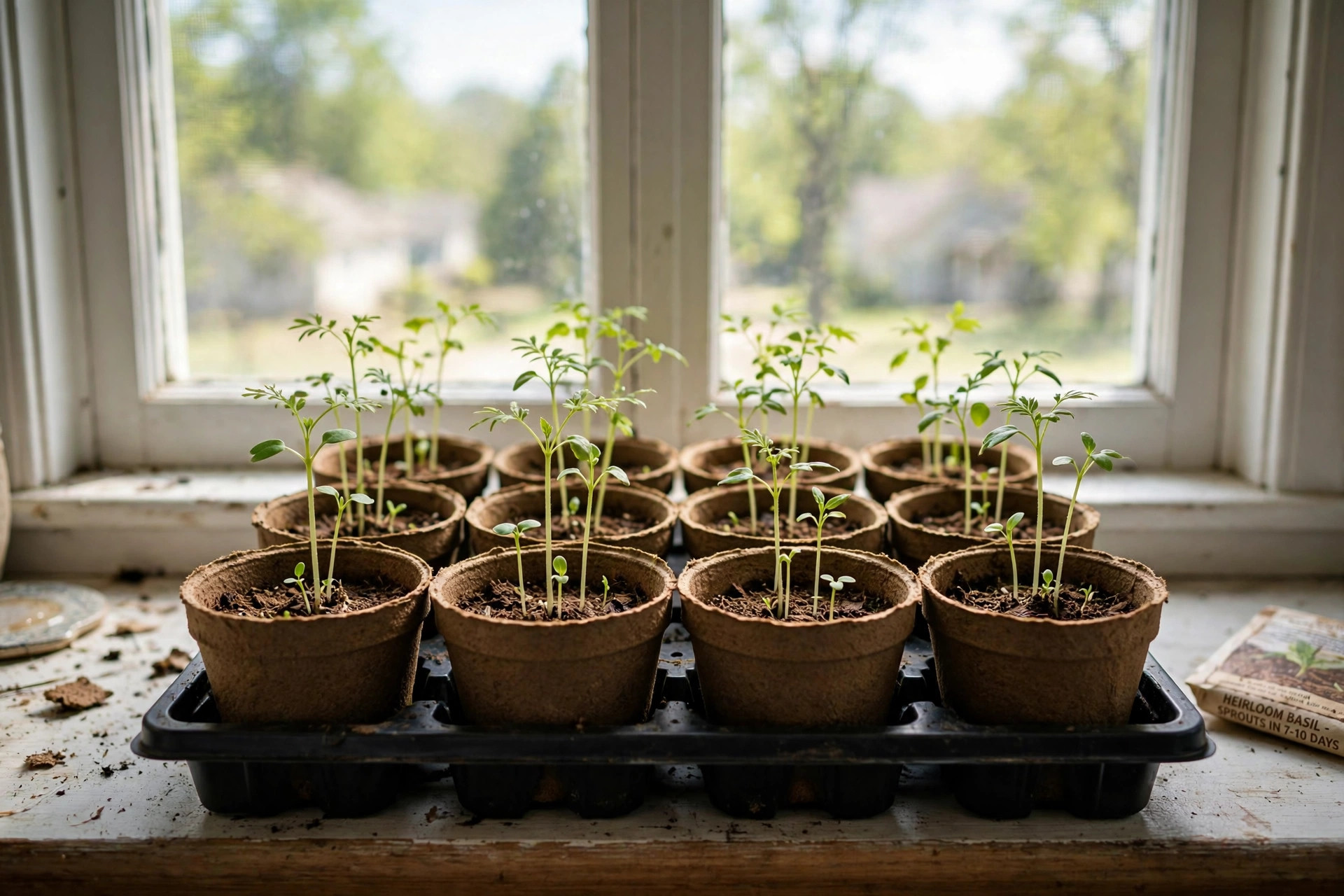
A peat pot is a small container made from pressed peat moss. Some brands add wood fiber to make the pot stronger. You fill it with seed starting mix, plant one or two seeds, and wait. When the seedling is ready, you plant the whole pot in the ground. There is no need to pull the plant out of the pot. The roots grow straight through the wet walls of the pot. This is the main reason gardeners love them. Tender roots stay safe. There is no shock from moving.
Peat pots suit many crops. Tomatoes, peppers, cucumbers, squash, and melons do well in them. These plants dislike root damage. They grow faster when they never leave their pot. Peat pots also work for flowers like sunflowers and zinnias. The pots break down in the soil over a few weeks. They add a small amount of organic matter to the bed.
Not every gardener uses them. Some prefer plastic trays that last for years. Others make soil blocks from pressed mix. But for a simple start, peat pots are hard to beat. They are cheap, easy to find, and kind to roots.
Where to Buy Peat Pots for Seedlings in the USA: Peat Pots Seedlings Where to Buy Usa
Garden Centers and Home Improvement Stores
The fastest way to buy peat pots is to walk into a store. Most garden centers stock them from late winter through spring. Big home improvement chains carry them in the seasonal aisle. You will find them near seed starting mix and trays. Typical packs hold 10, 24, or 50 pots. Ask the staff if you cannot find them. In small stores they may sit behind the counter in early season.
Buying in person has clear benefits. You can feel the pots before you pay. Good pots feel firm and dry. They should not crack when you press them lightly. You also avoid shipping costs. This matters when you need pots right away. A tray of seedlings cannot wait a week for delivery.
Local nurseries often carry brands that big chains do not. They may also sell peat pot strips. These are rows of pots joined together. They fit neatly into standard trays. Many nurseries give free advice with the sale. They know what grows well in your area.
Online Seed and Garden Suppliers
Online shopping gives you the widest choice. Many seed companies sell peat pots next to their seed catalogs. Burpee is one of the oldest names in American seed starting, and its catalog lists pots, trays, and starter kits side by side. Park Seed also carries a full line of seed starting supplies, from peat pots to domed trays. Gurney’s is another long standing mail order seller worth a look.
Large plant growers sell through their own sites too. Monrovia and Proven Winners are known for garden plants, and their sites carry helpful growing notes for home gardeners. Retail nurseries like these often list peat pot options in their shop sections.
Buying online works best when you plan ahead. Order four to six weeks before you plan to sow. Bulk packs of 100 or more bring the unit cost down. Check the shipping fee before you check out. Heavy packs can cost more to ship than they are worth. Look for free shipping deals in late winter.
Farm Supply and Wholesale Sources
Farm supply stores are a secret of experienced gardeners. They sell seed starting gear in larger packs at lower prices. Look for chains in rural areas and farm towns. Wholesale clubs may also stock peat pots in spring. Prices per pot can drop to a few cents in bulk.
If you run a community garden or a small farm, ask about case pricing. Some stores offer a discount on full cases. You can split a case with a neighbor. This is a smart way to stock up for the whole season.
How to Choose the Right Peat Pots
Sizes and Shapes
Peat pots come in round and square shapes. Round pots are the most common. Square pots fit tighter in trays and waste less space. Standard sizes range from 2 inch to 4 inch across. Small pots suit herbs and lettuce. Medium pots suit peppers and flowers. Large pots suit tomatoes and squash.
Peat pellets are a related option. They are flat discs of pressed peat in a thin net. You add water and they swell into small pots. They work well for tiny seeds. But roots can outgrow them fast. Many gardeners move seedlings from pellets to peat pots as a next step.
Strips and blocks are another choice. Strips of joined pots pull apart as you need them. They keep plants lined up in trays. Full trays of pots with a water proof bottom save time when you start many seeds.
What to Check Before You Pay
Pick up a pot and squeeze it gently. It should hold its shape. If it cracks or crumbles in your hand, it will fall apart before planting day. Check the thickness of the walls. Very thin walls dry out too fast. Very thick walls may slow root growth.
Look at the label for size and count. A pack that says 50 pots may hold strips of 10. Count them if you can. Smell the pack if it seems damp. A sour smell can mean mold. Mold will not kill your seeds right away. But it can slow growth.
Avoid pots with a plastic coat unless you plan to peel it off. Some brands add a wax layer to slow drying. That layer also slows root growth. Plain pressed peat is the safest pick.
Types of Seed Starting Pots
Peat pots are one of several seed starting pots sold in the USA. It helps to know the other kinds.
Pressed peat pots are the classic choice. They are cheap and break down in soil. They dry out fast on a sunny sill. Water them from the bottom when you can.
Coir pots are made from coconut fiber. They last longer in the tray. They are a good pick if you start seeds early and need pots to hold up for weeks. Coir is a renewable material. Many eco minded gardeners prefer it.
Cow pots are made from dried cow manure. They add nutrients to the soil. They have a light odor when wet. Some gardeners love them. Others find them costly.
Paper pots are made from rolled newspaper or kraft paper. You can make them at home for free. They break down fast. They are best for short indoor starts.
Peat free fiber pots are made from wood fiber or rice hulls. They suit gardeners who want to avoid peat for eco reasons. They cost a little more.
Each type has fans. For most home gardens, plain peat pots do the job at the lowest cost.
Cost and Price Ranges
Peat pots are one of the cheapest garden supplies. A small pack of 10 round pots often costs two to three dollars. A pack of 50 may cost eight to twelve dollars. Bulk packs of 100 or more can drop the price to five to ten cents per pot. Prices rise a little each year. They also vary by state.
Peat pot strips cost a bit more than loose pots. A strip of 10 may cost two to four dollars. Trays with pots included run five to ten dollars. Full starter kits with a dome lid, tray, pots, and mix can cost fifteen to thirty dollars. Kits suit new gardeners. They give you every piece in one box.
Shipping adds to online prices. A five dollar pack can cost eight dollars to ship. Buy from one seller when you need several items. Many sellers offer free shipping over a set amount. Local pickup is free when a store offers it.
Sales are common in late winter. Stores clear shelf space for spring goods. Watch for two for one deals in February and March. Stock up then. Peat pots store well if you keep them dry.
Care and Upkeep of Seedlings in Peat Pots
Good pots only help if you care for them well. Fill each pot with moist seed starting mix. Press the mix down lightly. Do not pack it hard. Plant seeds at the depth the packet says. Cover the tray with a clear lid or plastic wrap until seeds sprout. This keeps the air moist.
Once seeds sprout, remove the cover. Give seedlings strong light. A south window can work. A simple shop light hung two inches above the plants works better. Keep the light on for fourteen to sixteen hours a day. Weak light makes tall thin stems. Strong light makes short sturdy stems.
Water peat pots from the bottom when you can. Set the tray in a shallow pan of water for a few minutes. Let the pots soak it up. Then pour out the extra water. Peat pots dry out fast from the sides. Check them twice a day in warm rooms. Do not let them sit in water all day. Roots need air too.
Feed seedlings lightly after the first true leaves appear. Use a half strength liquid feed once a week. Full strength feed can burn young roots. Stop feeding a week before you move plants outside.
Harden off plants before they go to the garden. Set them outside for a few hours each day. Start in shade and light wind. Add more sun each day for a week. This step saves many plants. A seedling moved straight from indoors to full sun can wilt in hours.
When you plant, tear off the rim of the pot. Rims that stick above the soil wick water away from roots. Some gardeners tear the bottom of the pot too. This lets roots out faster. Set the whole pot in the hole. Water well. The pot will break down in the soil.
For detailed seed starting steps, Gardening Know How publishes plain guides that pair well with any pot brand. For timing your sow dates, The Old Farmer’s Almanac offers free planting calendars by zip code. General home gardening advice is also easy to find at The Spruce.
Safety Notes
Peat pots are safe to handle. Wash your hands after working with peat and seed mix. Dust from dry peat can bother the lungs. Work outside or near open air when you fill many pots. A simple dust mask helps on dry days.
Keep peat pots away from open flame. Dry peat burns well. Do not set trays on hot radiators. Use heat mats made for seed starting instead. They keep a safe steady warmth.
Read the label on any feed or spray you use. Keep garden chemicals out of reach of children and pets. Store seed starting mix in a closed bin. Open bags can draw pests.
If you garden with kids, let them help fill and water pots. It is a safe job for small hands. Teach them to wash up after. Gardening is a fine family habit.
Gardeners who also grow houseplants may like our notes on buying pothos plants in bulk and on pothos plants for California homes. If your taste runs to larger indoor plants, see the guide to fiddle leaf figs for Texas homes.
Frequently Asked Questions
How long do peat pots last before planting?
Most peat pots hold up for six to eight weeks indoors. Watering from the bottom helps them last longer. If they start to fall apart, plant them sooner. A soft pot still works fine in the ground.
Can I plant the whole peat pot in the garden?
Yes. That is the main point of a peat pot. Set the whole pot in the planting hole. Tear off the top rim first. Water well after planting. Roots will grow through the walls in a few weeks.
Are peat pots better than plastic pots?
They are better for plants that dislike root damage. Tomatoes, squash, and cucumbers grow faster when roots stay whole. Plastic pots last for years and cost less over time. Many gardeners use both.
Where can I buy peat pots in bulk in the USA?
Farm supply stores and online garden sellers offer bulk packs of 100 or more. Buying in bulk drops the price per pot to a few cents. Split a case with a friend if 100 pots is more than you need.
Do peat pots work for all seeds?
They work for most vegetable and flower seeds. Very tiny seeds may do better in fine mix in trays first. Large seeds like beans can go straight in the ground in warm soil. Peat pots shine for tender starts that hate to be moved.
Are there eco friendly options to peat pots?
Yes. Coir pots, cow pots, and wood fiber pots all break down in soil. Home made paper pots cost nothing. Each type has a different price and life span. Plain peat pots remain the cheapest store bought choice.
A Final Word
Peat pots for seedlings are easy to buy in the USA. Local stores give you speed. Online sellers give you choice. Farm supply stores give you bulk prices. Pick firm pots in the right size. Care for your seedlings with light, water, and patience. Plant the whole pot when the time comes. Your garden will thank you.
References
Burpee. (n.d.). Seeds, plants, and gardening supplies. https://www.burpee.com Gardening Know How. (n.d.). Gardening guides and plant care. https://www.gardeningknowhow.com Gurney’s Seed & Nursery Co. (n.d.). Seeds, plants, and garden supplies. https://www.gurneys.com Monrovia. (n.d.). Plants for home gardens. https://www.monrovia.com Park Seed. (n.d.). Seeds, plants, and gardening supplies. https://www.parkseed.com Proven Winners. (n.d.). Plants and gardening inspiration. https://www.provenwinners.com The Old Farmer’s Almanac. (n.d.). Gardening calendars and advice. https://www.almanac.com The Spruce. (n.d.). Home and garden advice. https://www.thespruce.com
Was this guide helpful?

About Jennifer Lee
The My Garden US editorial team writes practical, in-depth home and garden guides for American homeowners — tested advice, no fluff.
You May Also Like
Wildflower Seed Mixes Texas Homes USA: How to Plant a Prairie at Home
June 10, 2026 0 views
Pothos Plants Bulk USA Online Deals: A Practical Guide for Buyers
March 8, 2026 0 views
Morning Glory Seeds Buying Guide USA
April 20, 2026 0 views