
Why Texas Gardens Love Morning Glories
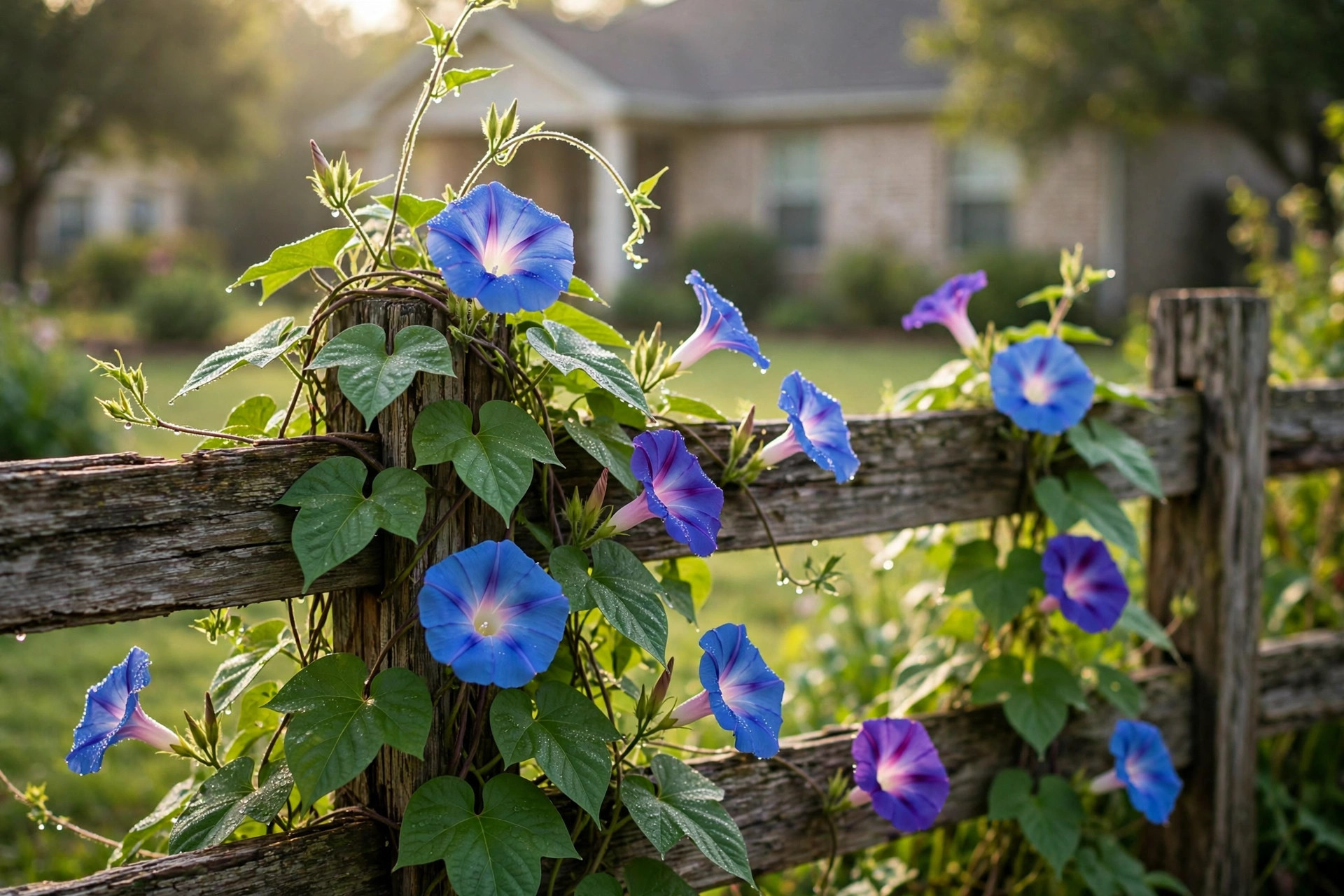
Few vines reward a gardener as quickly as the morning glory. When you sow morning glory seeds texas homes usa gardeners often choose, you can watch green tendrils reach the top of a fence within a few short weeks. The blooms open each morning in shades of blue, purple, pink, and white. By midday the flowers close, and the next morning a fresh set appears. This daily display continues from early summer until the first frost.
Morning glories belong to the family of plants that thrive in heat. Texas summers bring long days and strong sun. Many delicate flowers fade by July. Morning glories do the opposite. They grow faster when the days are long and hot. A single plant can cover six to ten feet of fence or trellis in one season. This speed makes them a favorite for new homeowners who want fast results from a small packet of seed.
The vine also serves a practical purpose. It shades patios, covers bare fences, and screens views between yards. The leaves form a dense green wall. In older Texas neighborhoods, morning glory vines have covered porch posts and mailbox posts for generations. The habit continues today because the plants ask for so little and give so much.
Another point in their favor is cost. A packet of morning glory seeds sells for a few dollars. One packet holds enough seed to plant a twenty-foot row. Compare that with the price of nursery shrubs or sod. Few garden projects give so much color for so little money.
How to Choose Morning Glory Seeds: Morning Glory Seeds Texas Homes Usa
Not all morning glory seeds are the same. Seed packets in Texas stores carry several kinds. The most common type is Ipomoea purpurea, sold under names like Heavenly Blue, Grandpa Ott, and Flying Saucers. Heavenly Blue is the classic bright blue flower that most people picture. Grandpa Ott gives deep purple blooms with a red star. Flying Saucers has striped blue and white petals.
When you shop, read the packet. Good seed companies list the variety name, the expected height, and the days to bloom. A packet of Heavenly Blue seed, for instance, will note that plants reach eight to ten feet and bloom in about twelve weeks. This detail helps you plan. If you want flowers by July, count back twelve weeks from July and plant at that date.
Seed age matters. Morning glory seeds stay viable for three to five years when kept dry and cool. Check the packed-for date on the packet. Fresh seed gives faster and more even sprouting. If you use seed saved from your own garden, test a few in a damp paper towel before planting the whole batch. Seed that sprouts in two or three days is strong. Seed that takes a week or more is weak.
Some gardeners buy seed from big-box garden centers. Others order from seed houses such as Park Seed or Burpee, which list many varieties in their catalogs. The seed house White Flower Farm also lists heirloom flower varieties for southern gardens. The Almanac also publishes planting date charts that help Texas gardeners time their sowing. Any of these routes works. What matters is that the seed is fresh and the variety suits your taste.
Be careful with one point. Some plants sold under the name morning glory are not true annual morning glories. Bindweed, a common weed, looks similar but spreads by deep roots and is hard to remove. Moonflower is a close cousin that opens at night. Both are fine plants in the right place, but they are not the same as the classic morning glory. Read the Latin name on the packet. You want Ipomoea, not Convolvulus.
Types of Morning Glory for Texas Gardens
Classic Annual Morning Glories
The common morning glory, Ipomoea purpurea, is the workhorse. It blooms in the widest range of colors and sets seed freely. In Texas it behaves as a true annual. The plant dies with the first hard frost, but fallen seed often returns on its own the next spring. Varieties like Crimson Rambler and Star of Yelta give red-toned flowers for those who want warm colors. Growers such as Monrovia supply popular varieties to garden centers across the South.
Heavenly Blue and Its Kin
Ipomoea tricolor, the species behind Heavenly Blue, produces larger sky-blue flowers with a white throat. It is slower to bloom than the common type, so plant it early. In North Texas, start seed indoors two weeks early to give it a head start.
Moonflower, the Night Blooming Cousin
Moonflower, Ipomoea alba, opens large white flowers at dusk with a sweet scent. Texas gardeners often plant it beside morning glories so that one set of flowers closes as the other opens. The two vines share the same simple care.
Cardinal Climber and Cypress Vine
These fine-leafed relatives give small red trumpet flowers that hummingbirds love. Cardinal climber grows fast and covers a trellis in weeks. It reseeds freely, so expect volunteers next year.
Plant breeders like Proven Winners sometimes release improved selections with bigger flowers or stronger vines. These named selections cost a little more. The extra cost may be worth it if you want a uniform look along a long fence.
When and How to Plant in Texas
Timing is simple. Plant morning glory seeds after the last frost, when the soil feels warm to the touch. In South Texas that means early March. In Central Texas, late March or early April. In the Panhandle, wait until late April or early May. If a late cold snap threatens, cover young sprouts with an old sheet for the night.
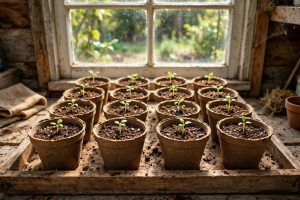
The seed coat is hard. Soak the seeds in warm water overnight, or nick the hard coat with a nail file. Soaking lets water reach the seed inside. Without it, sprouting can take three weeks. With it, sprouts appear in five to seven days.
Plant the seeds one inch deep and six inches apart along the base of a fence or trellis. Water the row well. Keep the soil damp, not soggy, until sprouts show. Morning glories do not need rich soil. In fact, they bloom better in plain or even poor soil. Rich soil grows huge leaves and few flowers. Do not add heavy fertilizer.
Give the vines something to climb from day one. Twine, wire, a fence, or a simple trellis all work. Young vines reach out with grasping tendrils within days of sprouting. If they find nothing to hold, they will tangle into a mat on the ground. Once they tangle, they are hard to untangle. Place the support before you plant. Extension advice from the USDA’s NIFA covers these home garden basics for every region.
For a long season of bloom, sow in two rounds. Plant the first round after the last frost. Plant a second round four weeks later. The first vines bloom in early summer, and the second vines take over in late summer and fall.
Gardeners who also plant other cool-season bulbs can learn timing tricks from fall planting guides, such as advice on tulip bulbs for fall planting in California homes. The idea is the same. Read your local last-frost date, count backward or forward as the plant requires, and write the date on a calendar.
Cost and Price of Morning Glory Seeds
Morning glory seeds are among the cheapest seeds you can buy. A standard packet holds twenty to forty seeds and sells for two to five dollars at garden centers. Bulk packets, which hold a quarter ounce or more, sell for six to ten dollars and cover a long fence line. Heirloom and rare varieties cost a bit more, often five to eight dollars a packet.
Ordering by mail adds shipping. Most seed houses charge four to six dollars for shipping, so it pays to order several packets at once. Some gardeners combine orders with friends to split the cost. Others wait for the seed racks to appear in local stores in February and March, which avoids shipping entirely.
Compare the cost with nursery plants. A gallon pot of an established vine sells for eight to fifteen dollars. One pot gives you one plant. One seed packet gives you twenty or more plants.
Saved seed costs nothing. At the end of the season, let some pods dry on the vine until they turn brown and papery. Pick them, open them, and store the seeds in a paper envelope in a cool drawer. Label the envelope with the variety and the year. Next spring, your seed is free and ready.
Gardeners who buy supplies in bulk for many projects, from air plants bought in bulk online to peat pots for seedlings ordered online, know the same rule. Buying in quantity cuts the price per plant, and seed is the cheapest way to fill a large space.
Care and Upkeep Through the Season
Once morning glories are up and climbing, care is light. Water deeply once a week if rain does not fall. In the hottest weeks of August, Texas gardens may need water twice a week.
Do not feed the vines. Most garden plants want fertilizer, but morning glories want plain soil. A light mulch of shredded leaves or bark keeps the roots cool and holds moisture. That is enough.
Train the vines as they grow. Weave stray tendrils back onto the trellis. Cut away any vine that heads toward a shrub you want to keep clear. Morning glories are polite climbers, but they will wrap around anything they touch. A few minutes of training each week keeps the display neat.
Deadheading, the removal of spent flowers, is not needed. The flowers fall off on their own. If you want to stop the plant from dropping seed, pull the vines down after the first frost and compost them. If you want free plants next year, leave the vines until the pods dry, then shake them over the bed. Volunteer seedlings will appear in spring. Thin them to six inches apart.
Pests are few. Aphids may gather on new growth. A strong spray of water knocks them off. The plants usually outgrow early flea beetle damage. Deer may browse the leaves in rural areas, so a fence or repellent spray helps.
At season end, pull the dead vines off the fence and compost them. The seed pods you saved go into their envelopes. Clean the trellis and store it if it is movable.
Safety Around Morning Glory Seeds
This section deserves plain words. Morning glory seeds contain natural compounds that can make people and animals ill if eaten. The seeds are not food. Keep seed packets away from small children. Tell children that the seeds are for planting only.
Pets matter too. Dogs that chew seed pods can become sick. If your dog likes to chew plants, plant morning glories where the dog cannot reach, or choose a different vine. Guidance on garden safety for animals is widely available from groups such as the ASPCA, and your local veterinarian can answer questions.
Handling the plants is safe. The leaves and stems do not irritate skin for most people. Wear gloves when pulling down old vines at season end, simply because the dry tendrils are rough.
Store saved seed in a labeled envelope, out of reach of children and pets. Write “for planting only” on the envelope. This simple habit prevents mistakes.
Frequently Asked Questions
How long do morning glory seeds take to sprout?
Soaked seeds sprout in five to seven days in warm Texas soil. Unsoaked seeds can take two to three weeks. Warm soil, near seventy degrees or warmer, speeds the process. Cool soil slows it.
Can I plant morning glory seeds in pots?
Yes. Use a pot at least twelve inches wide and deep, with drainage holes. Place a small trellis or three bamboo stakes in the pot for support. Potted vines need water more often than vines in the ground. A pot on a sunny patio can hold two or three plants.
Will morning glories come back next year in Texas?
The plants themselves die with frost. But fallen seed often sprouts the next spring on its own. In South Texas, where winters are mild, volunteers are common. In North Texas, volunteers appear in most years. If you want a sure return, save seed and plant it yourself.
Why are my morning glories all leaves and no flowers?
The most common cause is soil that is too rich, often from heavy fertilizer. Cut back on feeding. Too much shade is the second cause. Morning glories need at least six hours of direct sun. Move pots to a sunnier spot, or trim back branches that shade the vines.
Are morning glories weeds in Texas?
Common morning glory is not listed as a noxious weed in Texas. It can reseed freely, which some gardeners call weedy. If you do not want volunteers, pull the vines before the seed pods ripen. Bindweed, a different plant, is a true weed. Make sure you plant true morning glory, Ipomoea.
What grows well with morning glories?
Moonflower opens at night while morning glory opens by day, so the pair covers the full twenty-four hours. Cypress vine adds fine texture and red flowers for hummingbirds. Low flowers like marigolds fill the base of the trellis. Advice on pairing vines and flowers appears in garden guides at The Spruce and in growing notes from Gurneys.
A Short Final Word
Morning glories suit the Texas gardener who wants fast color with little fuss. Soak the seed, plant after frost, give the vines something to climb, and stand back. By midsummer the fence will wear a fresh set of trumpets each morning. The cost is small, the work is light, and the reward arrives daily with the sun.
References
ASPCA. (n.d.). Pet care and animal welfare resources. https://www.aspca.org Burpee. (n.d.). Seeds, plants, and gardening supplies. https://www.burpee.com Gurney’s Seed & Nursery Co. (n.d.). Seeds, plants, and garden supplies. https://www.gurneys.com Monrovia. (n.d.). Plants for home gardens. https://www.monrovia.com National Institute of Food and Agriculture. (n.d.). Agricultural research and extension. https://www.nifa.usda.gov Park Seed. (n.d.). Seeds, plants, and gardening supplies. https://www.parkseed.com Proven Winners. (n.d.). Plants and gardening inspiration. https://www.provenwinners.com The Old Farmer’s Almanac. (n.d.). Gardening calendars and advice. https://www.almanac.com The Spruce. (n.d.). Home and garden advice. https://www.thespruce.com White Flower Farm. (n.d.). Plants, bulbs, and garden supplies. https://www.whiteflowerfarm.com
Was this guide helpful?

About Michael Thompson
The My Garden US editorial team writes practical, in-depth home and garden guides for American homeowners — tested advice, no fluff.
You May Also Like
Where to Buy Air Plants in Bulk in the USA
February 16, 2026 0 views
Dahlia Bulbs Bulk Deals Near Me: How to Buy in Quantity and Save
July 15, 2026 0 views
Dahlia Bulbs Bulk for Sale USA: How to Buy, Plant, and Enjoy Big Beds of Blooms
June 29, 2026 0 views