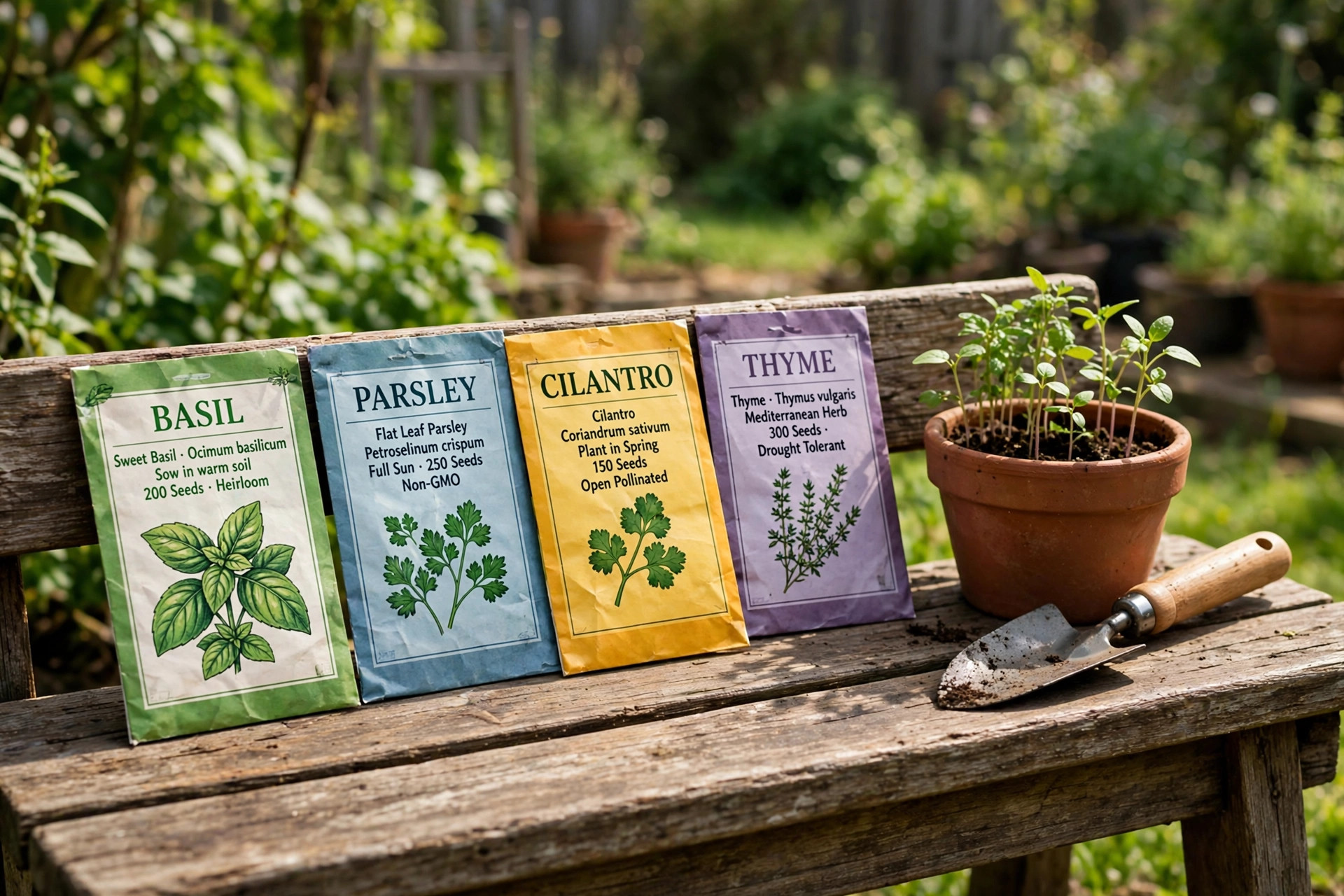
Many home gardeners search for organic herb seeds for sale usa because they want fresh herbs without chemical sprays. A small packet of seed can fill a kitchen windowsill, a patio pot, or a whole garden bed. This guide explains what organic herb seed really means, how to pick good packets, what they cost, and how to grow them well. Everything here is written in plain words so that a new gardener and a long-time gardener can both follow along.
Why Organic Herb Seeds Matter
Herbs are among the easiest plants a home gardener can grow. Basil, parsley, cilantro, dill, thyme, and oregano sprout fast and need little room. When the seeds come from organic plants, the parent crops grew without man-made pesticides or man-made fertilizer. Many buyers like that promise. They feel safer snipping leaves for tea, soup, and salad when they know how the plant started.
Organic seed also helps the soil in your own yard. Gardeners who keep an organic bed like to keep every input clean. Seed is the first input of all. Starting with certified seed keeps the whole chain honest. If you plan to read our organic herb seed buying guide later, you will see the same idea repeated there: clean seed makes clean gardening simpler.
There is a practical side too. Herb seed sold in the USA must meet state seed laws. Packets carry the germination rate, the test date, and the lot number. A trusted seller stands behind these numbers. Buying from a known name gives you a way to ask questions if a packet fails to sprout. The guides at gardeningknowhow.com explain these packet labels in clear language for new growers.
What to Look for When You Buy: Organic Herb Seeds for Sale Usa
Seed Freshness and Germination Rate
A germination rate tells you how many seeds out of one hundred should sprout under good test conditions. A rate of 80 percent or higher is solid for most herbs. Look for a test date from the current or past year. Old seed still grows, but the rate drops with time. Onion family herbs lose strength fastest. Basil and parsley hold up longer when kept cool and dry.
Store seed you do not plant at once in a paper envelope inside a closed jar. A cool closet works fine. The refrigerator works even better for long storage. Keep the packet label so you remember the lot number and the test date.
Organic Certification on the Packet
True organic seed carries a certifier mark on the packet. The USDA organic seal is the most common one in the USA. It means the seed grew under the national organic rules. Some small seed houses sell untreated seed that is not certified. Untreated seed is still a fine choice for many gardens, but it is not the same as certified organic. Read the packet and do not guess.
Packet Size and Variety Names
Most herb packets hold enough seed for one season of home use. If you plan a large bed, look at bulk ounces instead of small packets. Variety names matter as well. Sweet basil tastes different from Thai basil. Flat-leaf parsley tastes stronger than curled parsley. Pick the variety that fits your kitchen, not just the prettiest picture.
Common Organic Herb Seed Types
Herb seed sold in the USA falls into a few common groups. Annual herbs finish their life in one season. Basil, cilantro, and dill belong here. You sow them fresh each spring. Biennial herbs grow leaves the first year and flower the second year. Flat-leaf parsley is the best-known example. Perennial herbs come back year after year from the same roots. Thyme, oregano, chives, and sage belong here.
Slow starters need patience. Parsley can take three weeks to show green. Do not dig it up too soon. Keep the soil damp and wait. Fast starters like basil often show in five to seven days in warm soil. A heat mat under your seed starting trays speeds things along in a cool house.
Some gardeners also grow less common herbs from seed. Fennel, borage, chamomile, and lemon balm all start well from packets. Flower seed sellers such as parkseed.com carry wide herb lists alongside their flower lines. Family-run farms like gurneys.com have sold seed to home gardeners for well over a century and list many old-time herb varieties.
What Organic Herb Seeds Cost
Seed is the cheapest way to start an herb garden. A single packet of organic herb seed in the USA usually costs between two and five dollars. Bulk ounces cost more up front but drop the price per seed. A one-ounce bag of basil seed can plant many rows and still cost under ten dollars.
Price rises with rare varieties and with new introductions. It also rises with coated or pelleted seed, which is easier to handle but not always allowed in strict organic systems. Compare packet weight, not just price. A cheaper packet may hold half the seed of a dearer one.
Shipping adds to the cost when you buy by mail. Many sellers waive the fee above a set order total. Plan your whole spring list at once so you pay one shipping charge. Sellers such as burpee.com publish clear shipping terms and often run early-season sales for garden planners.
Starting and Caring for Herb Seeds
Most herbs want warm soil and steady moisture to start. Fill your trays or pots with a light seed-starting mix, not heavy garden soil. Press the seed to the depth shown on the packet. Tiny seed like thyme needs only a dusting of mix on top. Larger seed like dill can go a quarter inch deep.
Water with a gentle spray so you do not wash the seed away. Cover the tray with a clear lid until green shows, then remove the lid and give the seedlings bright light. A sunny window works. A simple shop light hung two inches above the plants works better. Weak, leggy seedlings almost always need more light, not more water.
Move seedlings outside only after the last frost in your area. Harden them off first. Set the trays outside for a few hours each day, then bring them in at night. Stretch this over one week. Planting guides at almanac.com list frost dates by zip code so you can time this step well.
Feed young herbs lightly. A weak dose of fish emulsion or compost tea every two weeks is enough. Too much nitrogen gives soft leaves with weak flavor. Pinch basil often so it branches instead of flowering. Cut parsley from the outer stems and leave the center to keep growing. These small habits turn one packet of seed into months of fresh herbs.
Water at the base of the plants rather than over the leaves. Wet leaves invite mildew, especially on basil in humid summers. Morning watering is best because the sun dries any splash by noon. Mulch around outdoor plants with clean straw to keep soil off the leaves and to hold moisture during dry spells.
Common Mistakes to Avoid
The most common mistake is sowing too deep. Small seed buried deep never sees light and rots in place. Read the packet depth line and follow it. The second mistake is letting trays dry out between waterings. Seed that starts to sprout and then dries will die. Check trays morning and night during the first week.
The third mistake is starting too early. A tomato-style head start does not help slow herbs much, and leggy seedlings planted in cold soil sulk for weeks. Count back from your frost date using the days shown on the packet. The fourth mistake is crowding. One strong seedling beats five weak ones in the same cell. Thin with small scissors and keep the best plant.
If you want to try a fragrant favorite next, our notes on lavender seed packets cover a herb that tests the patience of even skilled growers. Lavender wants light to germinate and cool nights to thrive, which makes it a good second-year project after you master basil and parsley.
Safety in the Herb Garden
Herbs are food plants, so keep the growing area clean. Do not use old potting mix that held sick plants. Wash trays with soap and water before you reuse them. Keep pets from digging in seed trays, since some herb seed treatments and fertilizers are not pet safe.
A few herbs need care in how you use them. Rue and tansy can irritate skin. Large doses of some medicinal herbs are not safe in pregnancy. Grow them for the garden if you like, but check a trusted reference before you eat them. The plant experts at monrovia.com and the growing tips at whiteflowerfarm.com both remind buyers to learn each plant before harvest.
Keep seed packets away from small children. Seed itself is not food, and some packets include silica packs that must not be eaten. Store everything on a high shelf once the sowing season ends.
Frequently Asked Questions
How long do organic herb seeds stay good? Most herb seed keeps well for two to three years when stored cool and dry. Parsley and parsnip family seed fades fastest. Test old seed on a damp paper towel before you sow a whole tray. If half sprout, sow twice as thick.
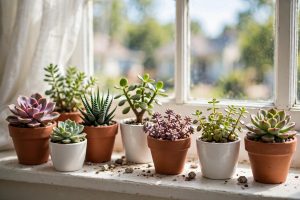
Can I grow herbs from seed on a windowsill? Yes. Basil, chives, parsley, and mint all do well in a bright south or west window. Use pots with drainage holes and turn them weekly so stems grow straight. In winter, add a small grow light for four to six hours a day.
Do I need a grow light to start herb seed indoors? You do not need one, but it helps a lot. Window light in late winter is weak and short. Seedlings stretch toward it and grow thin. A basic fluorescent or LED shop light hung close above the trays gives stocky, healthy plants. The research summaries at nifa.usda.gov describe how light quality shapes young plants.
What is the difference between organic and heirloom seed? Organic describes how the seed was grown, under certified organic rules. Heirloom describes the variety, an old open-pollinated type passed down for decades. A packet can be both, either, or neither. Read the label for each claim on its own.
When should I order seed for spring planting? Order in late winter, around January or February. Popular organic herb varieties sell out by March. Early ordering also gives you time to test germination and buy seed starting supplies before the rush. The home and garden team at thespruce.com keeps seasonal checklists that help new gardeners plan this timing.
Are expensive herb seeds worth it? Sometimes. New disease-resistant varieties and rare heirlooms cost more to produce. For common basil or dill, a standard packet grows just as well as a costly one. Spend extra where the variety truly differs, and save where it does not.
A Final Word
A packet of organic herb seed is a small purchase with a long payoff. Pick fresh, certified packets from sellers you trust. Sow at the right depth, keep the soil damp, and give the seedlings strong light. In a few weeks you will be cutting your own herbs a few steps from the kitchen. That short walk from garden to table is the whole reason gardeners keep coming back to seed catalogs year after year.
References
Burpee. (n.d.). Seeds, plants, and gardening supplies. https://www.burpee.com Gardening Know How. (n.d.). Gardening guides and plant care. https://www.gardeningknowhow.com Gurney’s Seed & Nursery Co. (n.d.). Seeds, plants, and garden supplies. https://www.gurneys.com Monrovia. (n.d.). Plants for home gardens. https://www.monrovia.com National Institute of Food and Agriculture. (n.d.). Agricultural research and extension. https://www.nifa.usda.gov Park Seed. (n.d.). Seeds, plants, and gardening supplies. https://www.parkseed.com The Old Farmer’s Almanac. (n.d.). Gardening calendars and advice. https://www.almanac.com The Spruce. (n.d.). Home and garden advice. https://www.thespruce.com White Flower Farm. (n.d.). Plants, bulbs, and garden supplies. https://www.whiteflowerfarm.com
Was this guide helpful?

About Michael Thompson
The My Garden US editorial team writes practical, in-depth home and garden guides for American homeowners — tested advice, no fluff.