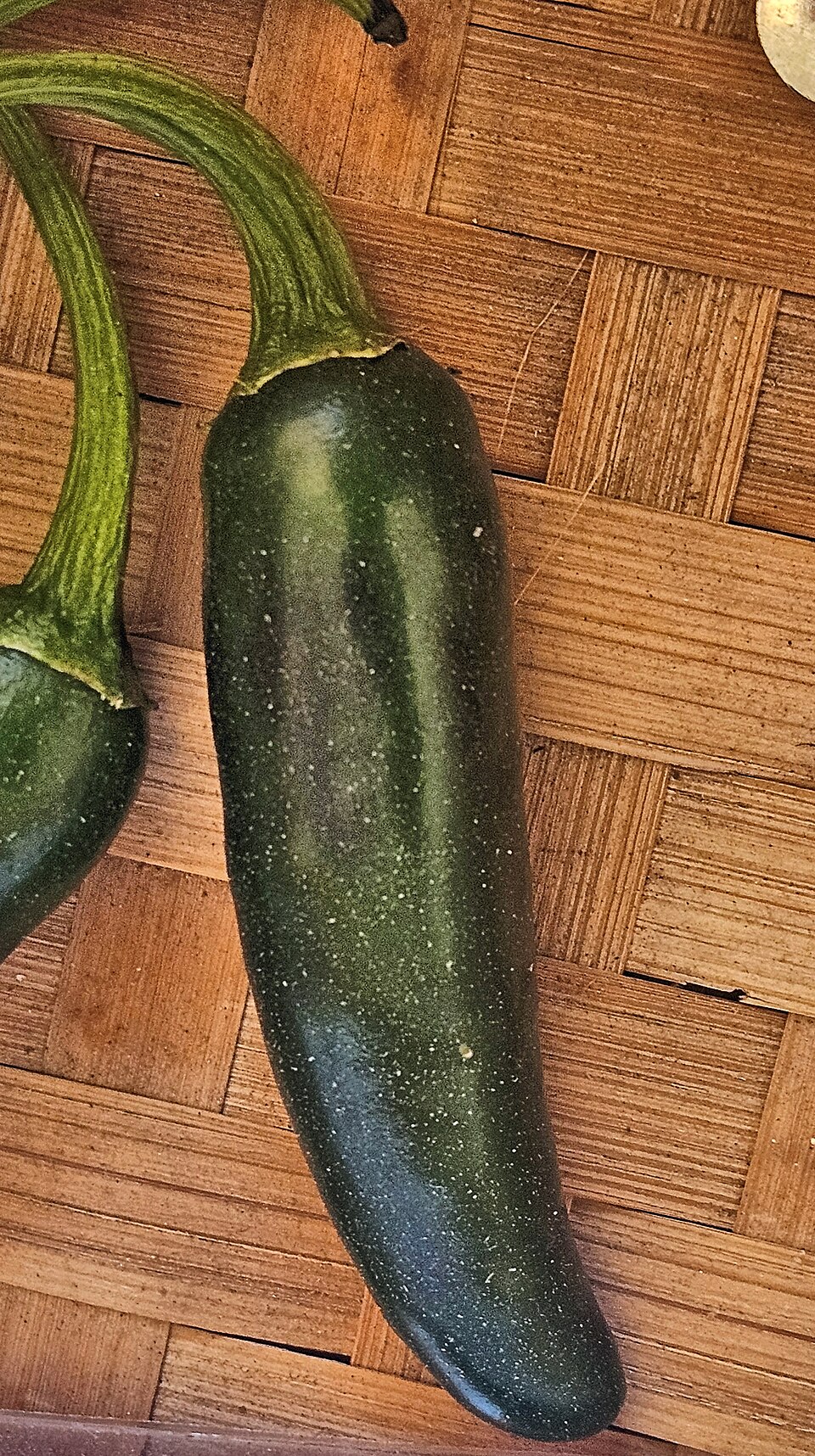

Jalapeno Pepper (Capsicum annuum) is a vegetable that earns its keep. Hardy in zones 4 to 11, it wants full sun and warm, fertile, well-drained soil. Start early indoors – hot peppers are slower than bells. Harvest green for mild heat, red for full heat and sweetness. Get those basics right and the plant does the rest.
What follows is the complete season, step by step: varieties, planting dates by zone, soil and water, seasonal care, and harvest. Gardenia also carries a solid growing profile for jalapeno pepper as a second opinion.
Jalapeno Pepper earns its bed. The return is a fast payoff by garden standards: roughly 70 to 90 days from planting to harvest. Few other plantings turn a packet of seed into this much food or color this quickly. Gardeners in zones 4 through 11 can grow it outdoors without heroics. Needs sustained warmth; will not ripen outdoors below zone 4.

Photo: Wikimedia Commons
At a Glance
- Botanical name: Capsicum annuum
- Type: Vegetable
- USDA zones: 4 to 11
- Sun: Full sun
- Soil: Warm, fertile, well-drained soil
- Water: Even moisture
- Spacing: 18 inches apart
- Planting depth: 1/4 inch deep
- Days to maturity: 70 to 90 days
- How to start: Start indoors; buy transplants as a shortcut
Choosing a Variety
Classic jalapenos bring medium heat and thick walls good for stuffing and poppers. Milder types give the flavor with less fire for sensitive eaters. Hotter strains push the upper end for chili heads. Size matters for stuffing — look for large-fruited types if poppers are the goal. All turn red when fully ripe, gaining sweetness and heat. In short seasons, choose early types and start seed indoors on time; jalapenos will not rush. Wear gloves at harvest no matter the variety — the oils do not care how tough you think your hands are. Our guide to growing bell peppers pairs well with this one if you are planning the bed. Compare variety descriptions at the Clemson Home and Garden Information Center before you buy seed.
When and How to Plant
Plant at the wrong time and jalapeno pepper sulks; plant at the right time and it takes off. Start seeds indoors about 8 weeks before your last spring frost.
Move transplants outside about 3 weeks after your last spring frost, once nights stay reliably warm.
Do not guess your frost dates — check your USDA zone planting dates on our planting calendar and work backward from there. The Almanac’s planting calendar gives a second reference.
Set plants 18 inches apart with seed or crowns 1/4 inch deep, in ground loosened a good 8 inches down. Tight spacing starves plants of air and light. Needs sustained warmth; will not ripen outdoors below zone 4. The Old Farmer’s Almanac has more on timing jalapeno peppers by region.
Soil and Sun
Two things decide how your jalapeno pepper performs: light and ground. Give it full sun, and plant in warm, fertile, well-drained soil. Compost — 2 to 3 inches mixed into the bed — is the single best amendment for almost any soil.
Do not plant in a low spot where water stands after rain; roots rot there. Raised beds solve most drainage sins. The Missouri Botanical Garden covers soil prep for jalapeno peppers in plain detail.
Watering and Feeding
Jalapeno pepper does best with even moisture. Water early in the day so leaves dry by nightfall, and aim the hose at the base — wet foliage invites half the diseases in this guide’s troubleshooting section.
Container plants dry out far faster than garden beds — check pots daily in summer heat. In the ground, mulch 2 to 3 inches deep to even out moisture. See the Gardenia for watering schedules by region.
Fertilizer is seasoning, not the meal. A bed enriched with compost at planting, plus one light feeding mid-season, carries jalapeno peppers through. Too much nitrogen gives leaves instead of the harvest you actually want.
Care Through the Season
Once established, jalapeno pepper runs on routine. Water consistently but avoid soggy soil; mulch to keep roots warm and moist. Slight drought stress once fruits form actually increases capsaicin, so let the top inch dry between waterings late in the season. Stake top-heavy plants and watch for aphids, whiteflies, and pepper weevils. Wear gloves when handling plants heavy with fruit. A weekly walk-through to check water, weeds, and pests keeps small issues small.
And do not skip this: start early indoors – hot peppers are slower than bells. harvest green for mild heat, red for full heat and sweetness. Simple, free, and effective — the best kind of garden advice. For a neighboring planting, see our guide to growing tomatoes. For pest ID with photos, the Gardenia guides are hard to beat.
Keep a simple garden log: planting date, variety, weather quirks, what worked. Next season that notebook is worth more than any new product, because your own yard’s history beats generic advice every time.
Season by Season
A simple seasonal rhythm keeps jalapeno pepper productive. Spring — Start seeds indoors about 8 weeks before your last spring frost. Move transplants outside about 3 weeks after your last spring frost, once nights stay reliably warm. Work compost in early and harden seedlings before transplanting. Summer — consistent water, a fresh mulch layer, and a weekly pest check; harvest promptly and often. Fall — final pickings, then cleanup: In mild-winter areas, a late planting can carry the harvest into cool weather; elsewhere, finish up before hard frost. Compost what is healthy and mulch the bare ground. Winter — plan, order, and maintain. In winter, rest: clean tools, order seed early for the best selection, and sketch next year’s bed plan while the garden sleeps.
Harvest
Harvesting jalapeno pepper well is a skill worth learning: pick at peak ripeness, handle gently, and store correctly, and the harvest lasts far longer.
Harvest green at 2 to 3 inches for classic heat, or wait until they turn red and develop light brown stretch marks, called corking, for peak flavor and fire. Cut, don’t pull, and always wear gloves. Refrigerate fresh or smoke-dry into chipotles. Pro tip: red-ripe jalapenos are sweeter and hotter than green ones, so leave a few to mature. Pair this planting with our guide to growing sweet corn and the two harvests will overlap nicely. The University of Minnesota Extension covers harvest handling for jalapeno peppers in more depth.
Storing and Preserving the Harvest
Eat fresh first — nothing you preserve will beat jalapeno peppers picked at peak. Refrigerate what you cannot use right away; most vegetables hold several days to two weeks chilled. For the surplus, freezing is the simplest path: blanch cut pieces briefly in boiling water, plunge into ice water, drain well, and pack in freezer bags with the air pressed out. Frozen vegetables keep their quality for months and go straight into cooked dishes. Canning suits the harvest glut too — high-acid foods like tomatoes are safe in a water bath, but low-acid vegetables must go through a pressure canner; never guess at this, since botulism is odorless. Root types such as carrots store for months in a cool, humid spot, packed in damp sand. Label every bag or jar with the variety — by midwinter every frozen bag looks identical, and the label is the difference between a planned meal and a mystery.
Troubleshooting
Same troubles as bell peppers: blossom-end rot, dropped blossoms in bad weather, aphids. Slow growth means cold soil — wait for real warmth before transplanting. Wear gloves handling plants; capsaicin lingers on skin. The USDA PLANTS database problem guides cover these issues with photos, which helps when words fall short.
Frequently Asked Questions
How long does jalapeno pepper take to grow?
About 70 to 90 days from planting to harvest, depending on variety and weather. Warm seasons and good soil hit the early end of that range.
Can I grow jalapeno pepper in containers?
Yes, in a roomy container — think 5 gallons or larger with drainage holes. Compact varieties do best in pots. In-ground plants still outperform pots, but a sunny patio works fine.
What is the hardest part of growing jalapeno pepper?
Start early indoors – hot peppers are slower than bells. Harvest green for mild heat, red for full heat and sweetness. Master that one point and most other problems never show up.
When should I plant jalapeno pepper?
Work backward from your frost dates: Start seeds indoors about 8 weeks before your last spring frost. Move transplants outside about 3 weeks after your last spring frost, once nights stay reliably warm. Check your USDA zone planting dates on our planting calendar to pin down your exact window.
References
University of Minnesota Extension. (n.d.). Growing jalapeno peppers in home gardens. https://extension.umn.edu/
Clemson Cooperative Extension. (n.d.). Jalapeno Pepper. Home & Garden Information Center. https://hgic.clemson.edu/
Old Farmer’s Almanac. (n.d.). Planting calendar. https://www.almanac.com/planting-calendar
U.S. Department of Agriculture. (n.d.). Capsicum annuum. PLANTS database. https://plants.usda.gov/home
Was this guide helpful?

About My Garden US
The My Garden US editorial team writes practical, in-depth home and garden guides for American homeowners — tested advice, no fluff.
You May Also Like
Succulent Variety Packs Reviews Buying Guide USA
January 20, 2026 0 views
How to Find Heirloom Vegetable Seeds USA Online Deals
March 10, 2026 0 views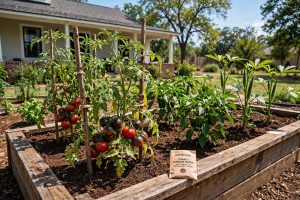
Heirloom Vegetable Seeds Texas Homes USA: A Plain Guide
October 4, 2026 1 views