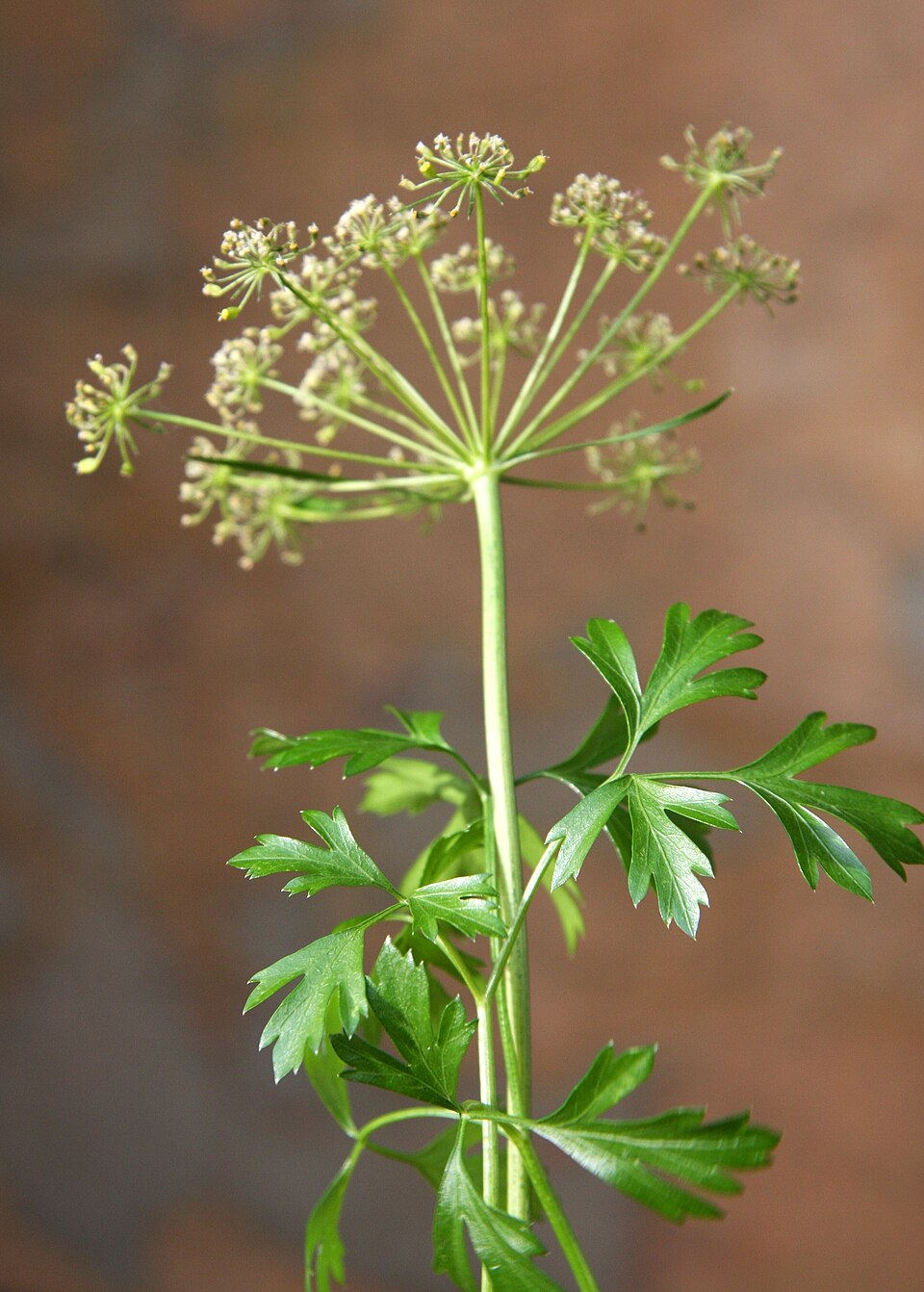
Of all the herbs you can grow, parsley (Petroselinum crispum) is one of the most rewarding. It thrives in USDA zones 4 to 10, asks for full sun to part shade, and goes from planting to harvest in roughly 70 to 90 days. The short version of success: slow to germinate – soak seeds overnight. biennial: survives winter in zones 6+ and gives an early second-year harvest.
Below is the whole season laid out plainly: which variety to pick, when to plant for your zone, how to feed and water, what troubles to watch for, and when to harvest. For the botanical background, the Missouri Botanical Garden keeps a detailed plant profile worth a look.
Is parsley worth the space? For most American gardeners the answer is yes, and here is why: a fast payoff by garden standards: roughly 70 to 90 days from planting to harvest. Few other plantings turn a packet of seed into this much food or color this quickly. It fits zones 4 through 10, which covers nearly the whole country. Struggles in extreme heat; treat as a cool-season annual in zones 11-13.

Photo: Wikimedia Commons
At a Glance
- Botanical name: Petroselinum crispum
- Type: Herb
- USDA zones: 4 to 10
- Sun: Full sun to part shade
- Soil: Rich, moist soil
- Water: Even moisture
- Spacing: 8 inches apart
- Planting depth: 1/4 inch deep
- Days to maturity: 70 to 90 days
- How to start: Start indoors or sow directly
Choosing a Variety
Flat-leaf Italian parsley has the stronger flavor and is the cook’s choice for most dishes. Curly parsley is milder but makes the prettiest garnish and edging. Hamburg parsley grows a parsnip-like root eaten as a vegetable. All are biennial — leaves the first year, flowers the second — so sow fresh each spring for the best crop. If swallowtail caterpillars find your patch, plant extra rather than fighting them; the butterflies repay the rent. A six-pack of transplants feeds a family; seed is cheaper but tests your patience with its slow germination. Our guide to growing cilantro pairs well with this one if you are planning the bed. For variety trial notes in plain language, the Gardenia is a reliable read.
When and How to Plant
Timing is half the battle with parsley. Start seeds indoors about 8 weeks before your last spring frost.
Move transplants outside about 1 weeks after your last spring frost, once nights stay reliably warm. Sow seed directly right around your last spring frost.
Your exact dates depend on your zone, so check your USDA zone planting dates on our planting calendar before you sow a thing. The Almanac planting calendar is another handy date reference.
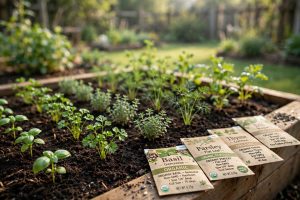
Give each plant room: 8 inches apart, in soil loosened at least 8 inches deep. Sow or set plants 1/4 inch deep. Struggles in extreme heat; treat as a cool-season annual in zones 11-13. The Clemson Home and Garden Information Center carries regional timing notes for parsley if you want a second source.
Soil and Sun
Parsley wants full sun to part shade — fewer hours means weaker plants and smaller harvests. Rich, moist soil is the target; work in 2 to 3 inches of compost before planting and skip it only if your ground is already rich and dark.
If your soil is heavy clay, plant in raised beds or mounds where water drains freely. A simple soil test from the National Agricultural Library resources or your state extension tells you pH and nutrients cheaply; the Almanac planting calendar explains what parsley need most.
Watering and Feeding
Water parsley by this rule: even moisture. In practice that means soaking the root zone deeply once or twice a week rather than sprinkling daily — shallow daily watering trains roots to stay near the surface, where they dry out fast.
A 2- to 3-inch mulch of straw, shredded leaves, or bark holds moisture, cools roots, and cuts weeding. Keep mulch a couple of inches back from stems. The UF IFAS Gardening Solutions has good watering guidance for parsley.
Feed lightly. Most parsley do well with compost at planting plus one mid-season side-dressing of balanced fertilizer. Overfeeding grows lush leaves at the expense of fruit, flowers, or flavor — more food is not more harvest.
Care Through the Season
Through the season, parsley mostly needs watching rather than fussing. Keep soil evenly moist; drought yellows leaves. Feed lightly through the season for deep green, vigorous growth. Black swallowtail caterpillars adore parsley — plant extra and share some; the butterflies are worth it. Mulch to retain moisture. Flat-leaf types offer stronger flavor; curly types garnish prettily. Stay ahead of weeds early; once plants size up, their own shade does the work.
One more habit worth building: slow to germinate – soak seeds overnight. biennial: survives winter in zones 6+ and gives an early second-year harvest. Gardeners who do this one thing report far fewer disappointments. If you grow chives too, our guide to growing chives covers companion timing that pairs well here. The USDA PLANTS database pest guides identify most culprits with clear photos.
Weeds are the quiet thief in a parsley bed — they steal water, light, and nutrients while you are not looking. Hoe shallowly when weeds are small; deep hoeing damages roots. A fresh mulch layer after the soil warms suppresses most of them for the rest of the season.
Season by Season
Spring is for planting: Start seeds indoors about 8 weeks before your last spring frost. Move transplants outside about 1 weeks after your last spring frost, once nights stay reliably warm. Sow seed directly right around your last spring frost. Prepare the bed with compost as soon as the ground can be worked, and harden off indoor seedlings for a week before they move out. Summer is for water, mulch, and watching: keep soil evenly moist, keep weeds down, and check weekly for pests. Harvest begins as soon as crops ripen — and picking often keeps plants producing. Fall is for the last harvests and cleanup: In mild-winter areas, a late planting can carry the harvest into cool weather; elsewhere, finish up before hard frost. Pull spent annuals, compost healthy foliage, and sow a cover crop or mulch bare beds. Winter is for planning. In winter, rest: clean tools, order seed early for the best selection, and sketch next year’s bed plan while the garden sleeps.
Harvest
Harvest time is the payoff. Pick parsley at its peak and handle it gently — flavor and storage life are decided in these small moments.
Harvest outer stems at the base, working around the plant and never taking more than a third at once; the center keeps producing. Cut in the morning for peak flavor. Refrigerate in a damp bag, or chop and freeze in water in ice cube trays. Pro tip: a parsley patch mulched before winter often survives to give an early second-year harvest. While you are at it, our guide to growing dill covers harvest timing for a classic companion crop. The Old Farmer’s Almanac harvest charts give backup timing by region.
Storing and Preserving the Harvest
The freezer is the home herb gardener’s best friend. Soft herbs lose their character when dried but keep it frozen: chop parsley leaves, freeze in oil or water in ice cube trays, and bag the cubes for winter cooking. For drying, pick in the morning after dew dries, tie small bundles, and hang them somewhere dark with good air movement; crumble into jars once crisp. Whole dried leaves hold flavor longer than crushed, so crush only what you need. Pesto-style pastes — herbs blended with oil — freeze well in small jars with headspace. Keep everything labeled and dated, and use last season’s stash before the new harvest arrives.
Troubleshooting
Slow germination is not failure — wait three weeks. Yellow leaves mean drought or poor feeding. Swallowtail caterpillars eat leaves; plant extra and share. Crown rot in soggy soil — improve drainage. When in doubt, the National Agricultural Library runs a plant-problem diagnostic worth bookmarking.
Frequently Asked Questions
How long does parsley take to grow?
About 70 to 90 days from planting to harvest, depending on variety and weather. Warm seasons and good soil hit the early end of that range.
Can I grow parsley in containers?
Yes — parsley suits containers well. Use a pot at least 12 inches wide and deep with drainage holes, good potting mix, and a sunny spot. Pots dry fast, so check water daily in summer.
What is the hardest part of growing parsley?
Slow to germinate – soak seeds overnight. Biennial: survives winter in zones 6+ and gives an early second-year harvest. Master that one point and most other problems never show up.
When should I plant parsley?
Work backward from your frost dates: Start seeds indoors about 8 weeks before your last spring frost. Move transplants outside about 1 weeks after your last spring frost, once nights stay reliably warm. Sow seed directly right around your last spring frost. Check your USDA zone planting dates on our planting calendar to pin down your exact window.
References
Missouri Botanical Garden. (n.d.). Petroselinum crispum. Plant Finder. https://www.missouribotanicalgarden.org/
Gardenia.net. (n.d.). Petroselinum crispum. https://www.gardenia.net/
Old Farmer’s Almanac. (n.d.). Planting calendar. https://www.almanac.com/planting-calendar
U.S. Department of Agriculture. (n.d.). Petroselinum crispum. National Agricultural Library. https://www.nal.usda.gov/
Was this guide helpful?

About My Garden US
The My Garden US editorial team writes practical, in-depth home and garden guides for American homeowners — tested advice, no fluff.