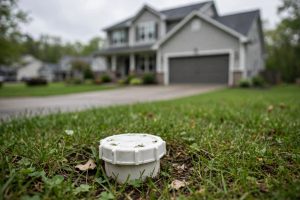

Many homes in America do not connect to a public sewer line. These homes use a septic system to treat wastewater on the property. If you are building a new home or replacing an old system, you will face one big choice. You must pick between a conventional septic system and an aerobic septic system. The conventional vs aerobic septic system cost question goes far beyond the price tag on the day of installation. This guide compares the two systems side by side in plain terms. You will learn how each system works, what each one costs to install and maintain, and which one fits your land and your budget.
Why This Choice Matters
A septic system is not a small purchase. It is a buried piece of infrastructure that serves your home for decades. The wrong choice can cost you thousands of extra dollars in repairs or replacement. Worse, a failed system can create a health hazard on your own property. Raw sewage backing up into a home or surfacing in a yard is dangerous. It can also bring fines from local health departments.
The conventional vs aerobic septic system cost debate matters because the two systems differ in more than price. They differ in how they treat waste, how much land they need, how often they need service, and how long they last. Your local soil, your water table, and your town rules may even make the choice for you. Understanding the full picture now helps you avoid an expensive mistake later.
Homeowners who shop only by the lowest bid often learn a hard lesson. A cheap system that does not suit the land will fail early. Then the replacement costs more than the right system would have cost from the start. Take the time to learn both options before you sign a contract.
How a Conventional Septic System Works: Conventional vs Aerobic Septic System Cost
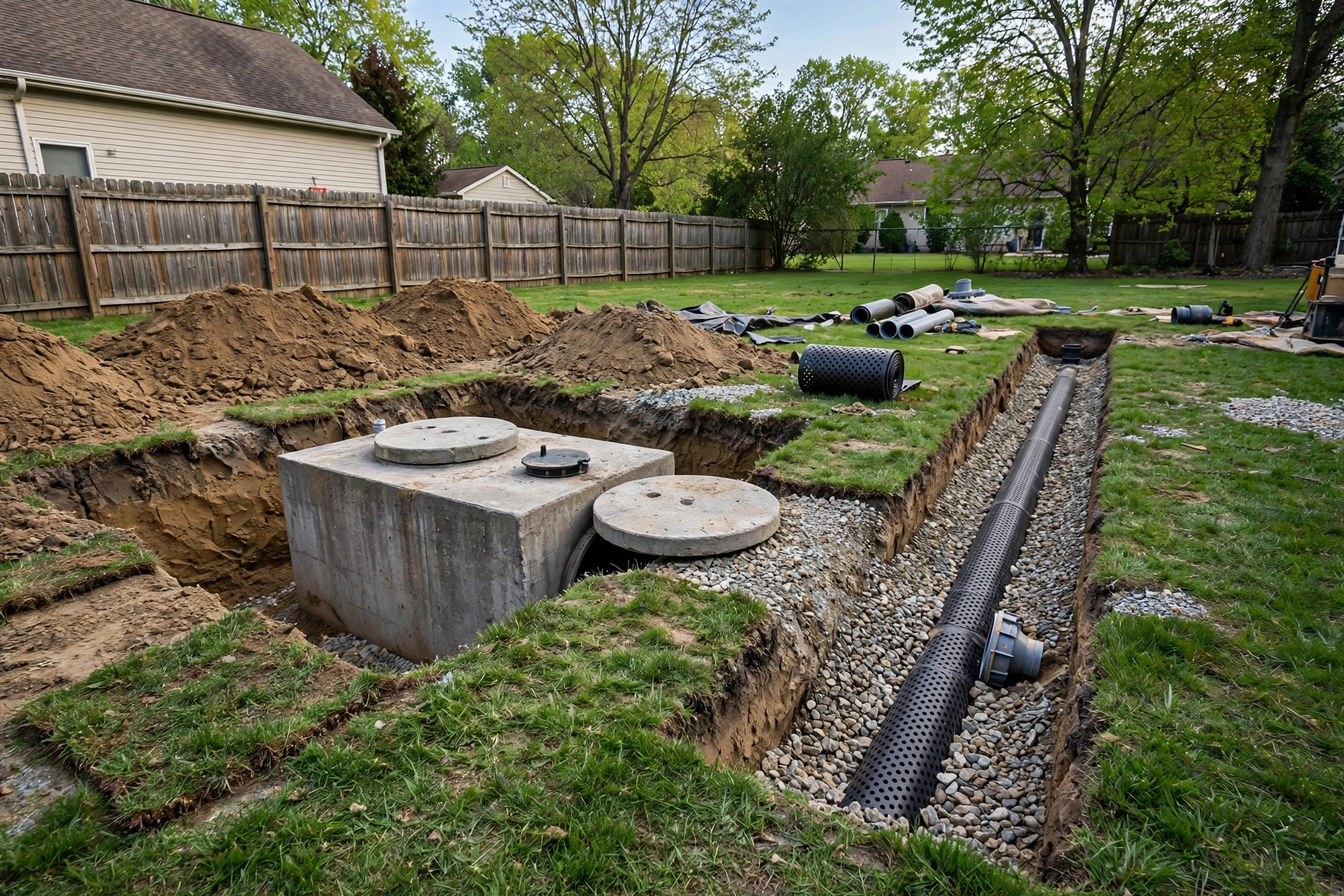
A conventional septic system is the older and simpler design. Wastewater from your home flows into a large underground tank. This tank is usually made of concrete, fiberglass, or plastic. Inside the tank, solids settle to the bottom. Oils and grease float to the top. Bacteria break down the solid waste without any air. This is called anaerobic treatment.
The partly treated liquid, called effluent, then flows out of the tank into a drain field. The drain field is a network of perforated pipes buried in gravel trenches. The liquid seeps slowly into the soil. The soil acts as a final filter. Natural soil bacteria clean the water as it moves down through the earth.
A conventional system has no moving parts except when a pump is needed for a raised field. It uses no electricity in its basic form. It needs little attention beyond regular pumping of the tank. For this reason, it has been the standard choice for rural homes for many generations.
How an Aerobic Septic System Works
An aerobic septic system works in a similar way at first. Wastewater still flows into a tank. But here the similarity ends. An aerobic system injects air into the treatment tank with a compressor or blower. This air feeds oxygen-loving bacteria. These bacteria break down waste much faster and more fully than the bacteria in a conventional tank.
The treated water then passes through a disinfection step. Many systems use chlorine tablets or ultraviolet light to kill germs. The final water is much cleaner than what leaves a conventional tank. Because the water is so clean, an aerobic system can use a smaller drain field. Some systems spray the treated water onto the surface through sprinklers.
An aerobic system is more complex. It has electrical parts, moving parts, and parts that wear out. It needs service visits several times per year in most states. In return, it can work on land where a conventional system would fail.
The Core Differences at a Glance
The two systems differ in four main ways. First is treatment power. An aerobic system produces far cleaner effluent. Second is land need. An aerobic system can work on small lots, clay soil, or land with a high water table. Third is cost, which we will cover in detail below. Fourth is maintenance. A conventional system needs little care. An aerobic system needs regular professional service.
Think of it this way. A conventional system is a simple tool that works well when the land is right. An aerobic system is a small treatment plant that can handle difficult land but needs more care and money over time.
Conventional vs Aerobic Septic System Cost: Installation Prices
Installation cost is where most homeowners start their research. A conventional septic system usually costs between $3,000 and $10,000 to install. A simple system on good soil with easy access can land near the low end. A larger system with a raised drain field can push past $12,000.
An aerobic septic system usually costs between $10,000 and $25,000 to install. The equipment itself is more expensive. The design work costs more. The installation takes longer and needs an electrician to wire the controls. Permits and inspections also tend to cost more because the system is more complex.
Why is the aerobic system so much more to install? The treatment unit alone can cost as much as a whole conventional system. It includes tanks, an air compressor, a control panel, alarms, and a disinfection unit. The contractor must level the unit with care and connect it to your home electrical panel. Many states also require an engineer to design the system, which adds to the bill.
Your land can change these numbers in a big way. Rocky ground, steep slopes, or a high water table can raise installation costs for either system. A soil test, called a perc test, tells the designer how fast water drains through your soil. Poor results on a perc test often push a homeowner toward an aerobic system because the conventional option may not be allowed.
Ongoing Maintenance Costs
The true conventional vs aerobic septic system cost picture must include yearly maintenance. This is where the two systems pull far apart.
A conventional system needs its tank pumped every three to five years. A pumping visit usually costs $250 to $500. That is the main expense. You should also keep the drain field clear of trees, cars, and heavy equipment. There are no electrical bills and no service contracts. Over twenty years, maintenance may cost only $2,000 to $4,000 in total.
An aerobic system needs much more care. Most states require a service contract with a licensed provider. A technician visits two to four times per year. The contract usually costs $300 to $600 per year. You also pay for electricity to run the air compressor, which adds $10 to $30 to your monthly power bill. Chlorine tablets for disinfection cost $100 to $300 per year. Parts wear out over time. An air compressor may need replacement every five to seven years at a cost of $500 to $1,500.
Over twenty years, an aerobic system can cost $15,000 to $30,000 in maintenance alone. That is more than the full installation price of many conventional systems. This long-term cost is the single biggest factor in the conventional vs aerobic septic system cost comparison.
Repair and Replacement Costs
No system lasts forever. A conventional system has a long life. The tank can last forty years or more. The drain field usually lasts twenty to thirty years if the system is pumped on schedule and not abused. When the drain field fails, replacing it can cost $5,000 to $15,000.
An aerobic system has more parts that can break. Compressors, pumps, timers, floats, and alarms all have limited lives. A single repair visit can cost $300 to $1,000. A major overhaul can run $3,000 to $7,000. Because the system is more complex, you cannot fix it yourself. You must call a licensed service provider.
On the other hand, a well-kept aerobic system treats waste so well that the small drain field suffers less wear. Some aerobic systems last twenty-five years with steady service. The key word is steady. A neglected aerobic system can fail in just a few years.
Which System Does Your Land Allow
Before you compare prices, check what your land allows. Your county health department sets the rules. Many counties require a soil test and a site review before they issue a permit. The results may rule out one option.
A conventional system needs deep, well-draining soil. It needs enough room for a full-size drain field. It needs the water table to sit well below the field. If your lot is small, your soil is heavy clay, or groundwater sits near the surface, a conventional system may not be approved.
An aerobic system was made for these hard cases. It can be installed on small lots. It works in poor soil. It can sit closer to the water table because the treated water is so clean. If your county requires advanced treatment, the aerobic system may be your only choice.
Do not skip the permit step. An unpermitted system can stop a home sale, bring fines, and force you to pay for a full replacement. A good contractor will handle the soil test and the permit paperwork as part of the job.
How to Choose the Right System
Start with your local rules. Call your county health department or read its septic guidelines online. If only one system type is allowed on your land, the choice is made for you.
Next, get at least three quotes from licensed installers. Make sure each quote lists the full scope of work. A good quote includes the soil test, the design, the permit, the equipment, the labor, the electrical work, and the final grading. Compare total prices, not just the equipment price.
Then look at the long-term math. Write down the install price plus twenty years of maintenance for each option. For the conventional system, add pumping visits and one possible drain field repair. For the aerobic system, add the service contract, electricity, chlorine, and at least one compressor replacement. This honest math shows the real gap.
Finally, think about how long you will live in the home. If you plan to sell in five years, the lower install price of a conventional system may win. If this is your forever home on difficult land, the aerobic system may be worth its cost. Buyers often like homes with newer systems of either type, so keep your service records.
Caring for Your Septic System
Good habits extend the life of any septic system. Do not flush wipes, grease, paint, or chemicals down the drain. These items kill helpful bacteria and clog pipes. Spread out laundry loads through the week instead of running five loads in one day. A flood of water can push solids out of the tank and into the drain field.
Fix leaky fixtures fast. A running toilet can send hundreds of gallons of extra water into the system each day. That constant flow can drown a drain field. Small plumbing fixes, such as checking toilet installation costs when a rebuild is due, pay off in system life.
Keep water from roofs and driveways away from the drain field. Extra water saturates the soil and stops it from filtering waste. Do not plant trees near the field. Roots seek out the pipes and break them. Do not park cars or build sheds over the field. The weight crushes pipes and packs the soil.
Inside the home, simple upgrades also protect your system. Carbon filters for chlorine removal on drinking water lines keep chemicals out of your body, and low-flow fixtures reduce the load on your tank. For safety below the house, consider water leak sensors for the basement so a plumbing leak never goes unnoticed for months. A quality home water filtration setup can also cut the chemical load that flows into your septic tank.
Safety and Environmental Notes
A septic system handles raw sewage. Treat every part of it with respect. Never enter a septic tank. The gases inside can kill in minutes. Leave tank work to licensed pumpers who carry the right safety gear.
Keep children and pets away from any surfacing sewage. If you see wet spots, smell sewage, or hear gurgling drains, call a professional right away. These are signs of a failing system. Do not wait. A small problem caught early costs far less than a full replacement.
Protect your well if you have one. Keep the septic system far from the well head, as your local code requires. Test your well water once a year for bacteria and nitrates. The EPA septic system guidance explains how onsite systems should be placed and maintained to protect groundwater.
When you hire a contractor, check the license and insurance. Ask for references from past septic jobs. A good installer will explain the system, show you where each part sits, and give you a written maintenance schedule. Guides from This Old House and the Family Handyman can help you learn the basics so you can ask smart questions.
Frequently Asked Questions
How much does a conventional septic system cost in total?
A conventional septic system usually costs $3,000 to $10,000 to install. Add $250 to $500 for pumping every three to five years. Over twenty years, most owners spend $5,000 to $14,000 in total. Hard soil or a raised drain field raises both the install price and the total.
How much does an aerobic septic system cost in total?
An aerobic septic system usually costs $10,000 to $25,000 to install. Yearly service contracts, electricity, and chlorine add $600 to $1,200 per year. Over twenty years, the total often reaches $25,000 to $50,000. Repairs add to this range.
Is an aerobic septic system worth the extra money?
It is worth it when your land cannot support a conventional system. It is also worth it when local rules require advanced treatment. If your land drains well and the code allows it, a conventional system gives you the same basic service for far less money over time.
How long does each type of system last?
A conventional system often lasts twenty-five to forty years with regular pumping. An aerobic system often lasts twenty to thirty years with steady professional service. Neglect shortens the life of both systems, but it kills an aerobic system much faster.
Can I maintain an aerobic system myself?
You can watch the alarm panel and keep chlorine tablets stocked. You cannot do the full service yourself in most states. The law requires a licensed provider to inspect the system several times per year. Skipping these visits can void your permit and lead to fines.
Does a septic system affect home value?
Yes. A working, permitted system with service records helps a sale. A failing or unpermitted system can kill a deal. Buyers may ask for a full inspection before closing. Keeping records of every pumping and service visit protects your home value.
A Short Final Word
The conventional vs aerobic septic system cost question has no single right answer. A conventional system is cheaper to install and far cheaper to keep. An aerobic system costs more up front and much more over time, but it can work where a conventional system cannot. Start with your soil test and your local code. Get honest quotes. Do the twenty-year math. Then choose the system that fits your land, your budget, and your plans for the home. Retailers such as The Home Depot and Lowe’s carry many of the parts and supplies you will need, and cost guides from Angi can help you sanity-check any quote. For lasting fixtures inside the home, brands like Kohler and Moen offer water-saving options that reduce the daily load on your system.
References
Angi. (n.d.). Home services marketplace. https://www.angi.com Aquasana. (n.d.). Water filtration systems. https://www.aquasana.com Family Handyman. (n.d.). DIY home repair and maintenance. https://www.familyhandyman.com Kohler. (n.d.). Bathroom and kitchen fixtures. https://www.kohler.com Lowe’s. (n.d.). Home improvement products. https://www.lowes.com Moen. (n.d.). Faucets and plumbing fixtures. https://www.moen.com The Home Depot. (n.d.). Home improvement products. https://www.homedepot.com This Old House. (n.d.). Home renovation guidance. https://www.thisoldhouse.com U.S. Environmental Protection Agency. (n.d.). Protecting human health and the environment. https://www.epa.gov
Was this guide helpful?

About Michael Thompson
The My Garden US editorial team writes practical, in-depth home and garden guides for American homeowners — tested advice, no fluff.
You May Also Like
Best Bidet Toilet Seat Reviews USA 2026: A Plain Guide for Homeowners
July 16, 2026 0 views
Sulfur Smell in Well Water Filter Solution: A Complete Guide
March 14, 2026 0 views
Toilet Fill Valve Replacement Cost Near Me: What Homeowners Should Know
June 28, 2026 0 views