---
Table of Contents
Table of Contents
- Kitchen Sink Drain Gurgle: What the Gurgle Actually Is
- Cause One: A Partial Clog in the Drain Line
- Cause Two: A Blocked Vent Stack
- Cause Three: Bad Vent Design or a Failed Air Admittance Valve
- Cause Four: Double-Bowl and Disposal Quirks
- How to Diagnose Your Gurgle, Step by Step
- Keep the Gurgle From Coming Back
- When to Call a Plumber
- References
You run the kitchen faucet and the drain answers with a loud glug-glug-glug. Or the sink gurgles every time the dishwasher drains. It sounds like the plumbing is complaining, and in a way, it is. That noise is air fighting its way through water in the drain line. Something is keeping the air from moving the way it should. The rest of this guide covers kitchen sink drain gurgle in plain language.
A gurgling kitchen sink is one of the most common drain complaints in American homes. It is also one of the most fixable. The cause is almost always one of four things: a partial clog, a blocked vent, a bad vent design, or a quirk of a double-bowl sink. This guide explains each one in plain language and shows you how to track down your gurgle and stop it.
Kitchen Sink Drain Gurgle: What the Gurgle Actually Is
When it comes to kitchen sink drain gurgle, getting the details right makes all the difference.
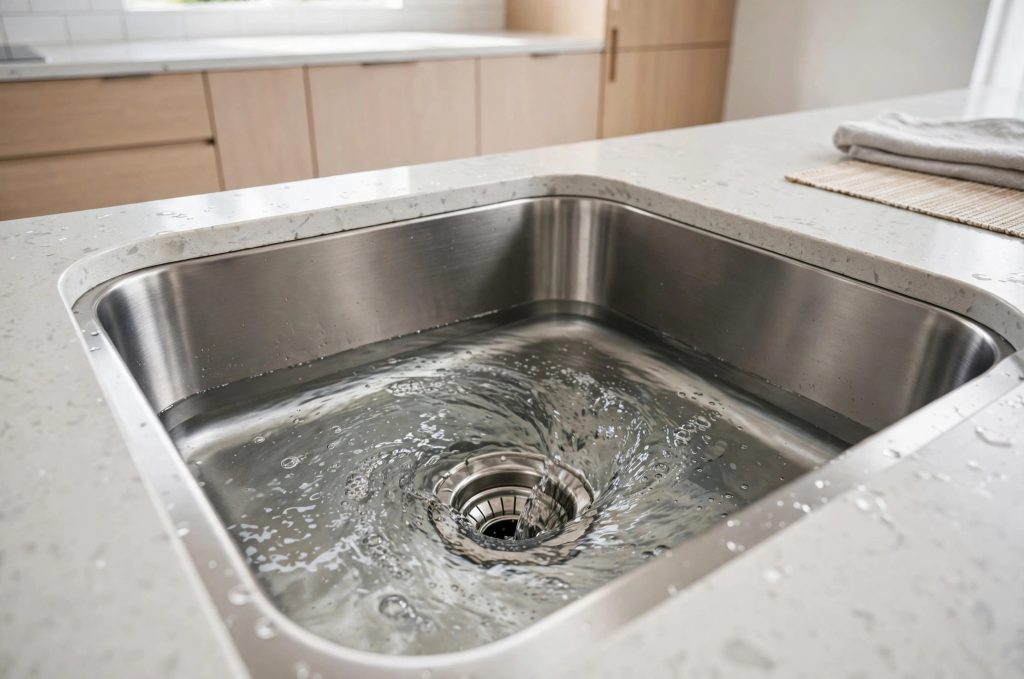
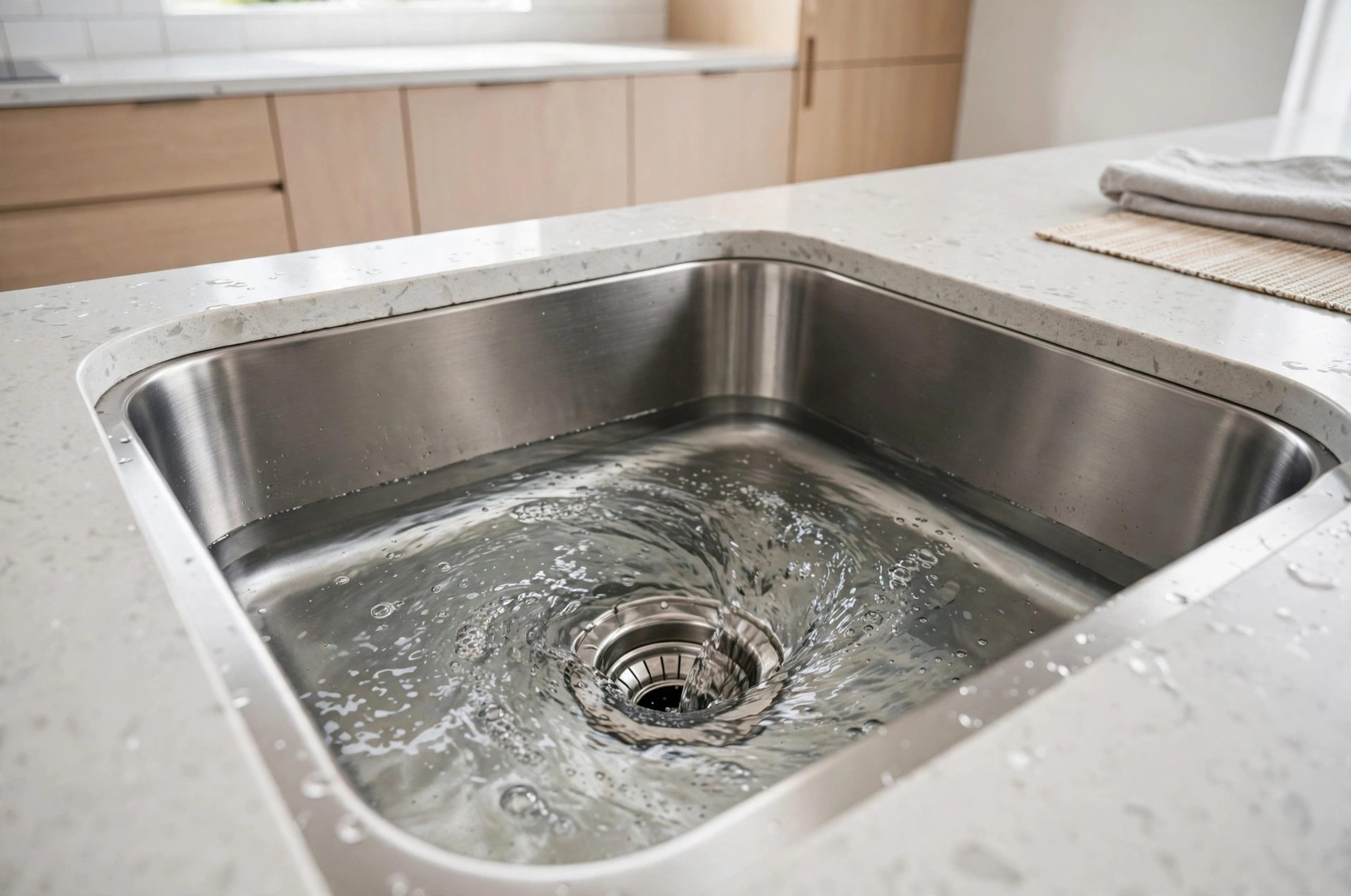
Many homeowners find that kitchen sink drain gurgle is easier than they expected once they know the basics.
Think of draining water like pouring soda out of a bottle. Tip the bottle upside down and the soda comes out in glugs. Poke a hole in the bottom of the bottle for air and the soda pours smoothly. Your drain works the same way. Water needs air behind it to flow freely.
In a house, the vent system is the air hole. Every drain connects to vent pipes that run up through the roof. They let air into the drain lines so water can flow, and they let sewer gas escape safely outside. When the vent is blocked or missing, draining water creates suction. Air gets pulled through the water sitting in the trap, and you hear it as a gurgle. A partial clog does something similar: it narrows the pipe, water backs up behind the clog, and air bubbles up through the slow water.
So a gurgle is really a symptom of an air problem. Your job is to find out whether the air is blocked by a clog, a vent problem, or bad plumbing design.
Cause One: A Partial Clog in the Drain Line
Many homeowners find that kitchen sink drain gurgle is easier than they expected once they know the basics.
The key to kitchen sink drain gurgle is choosing the right approach for your space and budget.
This is the most common cause and the easiest to fix. Kitchen drains collect grease, food bits, and soap scum. Over time the buildup narrows the pipe. Water still gets through, but slowly, and air gets trapped behind the slow spot. The result is gurgling, sometimes with slow draining.
Signs that point to a clog:
- The sink drains slowly along with the gurgling.
- The gurgle gets worse when you run a lot of water at once.
- The dishwasher draining makes the sink gurgle, or vice versa.
- You can smell old food or grease from the drain.
Start with the simple fixes. A plunger often clears a shallow clog. Fill the sink with a few inches of water, cover the overflow or the second bowl opening with a wet rag so you get a good seal, and plunge firmly for twenty seconds. If that does not work, a hand snake can reach deeper. Feed the cable into the drain and crank it through the clog, then pull it back with the gunk attached.
For grease buildup, boiling water helps. Pour a kettle of boiling water down the drain in stages. It melts grease so it can wash away. Baking soda and vinegar is another old standby: pour in a cup of baking soda, follow with a cup of vinegar, wait fifteen minutes, and flush with hot water. It will not clear a solid clog, but it helps with sludge and odor. Lowe's drain-clearing guide covers these same steps for kitchen and bathroom drains alike [6].
If the clog is under the sink, the P-trap is the usual gathering spot. Put a bucket under it, unscrew the slip nuts by hand or with pliers, and dump out the trap. It is messy but effective. While it is off, check the pipe into the wall for buildup too. A commercial-grade drain clog remover tool reaches clogs that sit deeper than a hand snake can comfortably handle.
Cause Two: A Blocked Vent Stack
The key to kitchen sink drain gurgle is choosing the right approach for your space and budget.
With a little planning, kitchen sink drain gurgle can fit even a busy schedule.
If the drain is clear but the gurgle persists, look up. The vent pipe on your roof may be blocked. Leaves, twigs, bird nests, and even snow can plug a vent. When the vent is blocked, the drain cannot pull air from the roof, so it pulls air through the trap water instead. Glug-glug.
Signs that point to a vent problem:
- The sink gurgles but drains at a normal speed.
- Multiple fixtures gurgle. The tub gurgles when the toilet flushes, or the sink gurgles when the washing machine drains.
- You hear the gurgle in the sink when a toilet flushes elsewhere in the house.
- There is a faint sewer smell near the sink, because the suction can pull water out of the trap.
Check the roof vent if you can do it safely. Look down the vent pipe with a flashlight. If you see a nest or debris near the top, you can often clear it with a garden hose, running water down the vent to flush the blockage through. Never go on a steep or wet roof to do this. If the blockage is deep in the vent, a plumber's snake fed down from the roof clears it. When in doubt, call a plumber. Roof work is not worth a fall.
Cause Three: Bad Vent Design or a Failed Air Admittance Valve
With a little planning, kitchen sink drain gurgle can fit even a busy schedule.
Before you start, it helps to understand how kitchen sink drain gurgle works in real homes.
Some homes, especially older ones or remodeled kitchens, have drains that were never vented right. A sink that has always gurgled since the day it was installed probably has a venting design problem. Common versions:
- No vent at all. The drain runs to the main stack with no vent connection. Every drain needs air.
- An S-trap instead of a P-trap. An S-trap can siphon its own water out, which lets sewer gas in and causes gurgling. Modern code calls for P-traps.
- A failed air admittance valve. An air admittance valve, often called a Studor vent, is a one-way valve installed under the sink that lets air in but keeps sewer gas out. They are common in kitchen islands and remodels where running a vent to the roof is hard. They wear out after years of service. A stuck or failed one causes the same symptoms as a blocked vent.
This Old House shows how a proper sink vent ties into the house vent system and how an air admittance valve can serve where a roof vent is impractical [3]. Fine Homebuilding notes that these valves must sit high in the cabinet and stay accessible, and that not every local code allows them, so check your area's rules before adding one [4].
Fixing vent design is real plumbing work. Adding a vent or replacing a failed valve means cutting pipe and gluing fittings. A handy homeowner can do it, but it must meet local code. If the sink has gurgled since installation day, this is likely your answer. Bigger drain projects, like adding a bathroom to a basement, are the right time to plan venting from the start.
The key to kitchen sink drain gurgle is to take it one step at a time.
Cause Four: Double-Bowl and Disposal Quirks
Before you start, it helps to understand how kitchen sink drain gurgle works in real homes.
A good plan for kitchen sink drain gurgle saves time, money, and frustration.
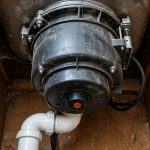
Double-bowl sinks with a garbage disposal have their own gurgle habits. When the disposal side drains, it can push air and water up into the other bowl's drain, causing a gurgle in the empty bowl. A dishwasher discharging into the disposal makes it worse. Some of this is normal in a shared drain setup.
What is not normal is standing water in the second bowl, strong odors, or gurgling that started suddenly after years of quiet operation. A sudden change means something changed: a new partial clog, a vent that just got blocked, or a disposal baffle that wore out. Treat sudden changes like Cause One or Cause Two above.
How to Diagnose Your Gurgle, Step by Step
A good plan for kitchen sink drain gurgle saves time, money, and frustration.
For most people, kitchen sink drain gurgle comes down to a few smart choices.
Work through this in order. Stop when you find the problem.
1. Watch it drain. Fill the sink and pull the plug. If the water drains slowly and gurgles, suspect a clog. If it drains fast but still gurgles, suspect a vent. 2. Check other fixtures. Flush the toilet and run the tub. If they gurgle too, the problem is in a shared vent or the main line, not just the kitchen sink. 3. Plunge the sink. If plunging changes the sound or improves the drain, you are dealing with a clog. 4. Clean the P-trap. Take it off and look. Grease and food paste love to collect there.
5. Snake the drain line. If the trap is clean, the clog is deeper in the wall or the branch line. 6. Check the roof vent. If the drain is clear and the gurgle remains, the vent is the next suspect. 7. Look under the sink. Check for an air admittance valve and see if it is stuck. Check whether the trap is an S-trap.
Most gurgling sinks are solved by step five. The deeper you go down the list, the more likely you need a plumber.
Keep the Gurgle From Coming Back
For most people, kitchen sink drain gurgle comes down to a few smart choices.
If you are new to kitchen sink drain gurgle, start with the simplest option and build from there.
A few habits keep kitchen drains quiet:
- Scrape plates into the trash, not the disposal. Less food in the drain means fewer clogs.
- Never pour grease down the drain. Wipe pans with a paper towel and throw the grease away. Grease is the top cause of kitchen drain clogs.
- Use a sink strainer. It catches the food bits that cause most buildup.
- Run hot water after the disposal. Let hot water run for fifteen seconds after grinding to carry grease and bits down the line.
- Flush with boiling water now and then. A monthly kettle of boiling water keeps grease from building up.
If you are remodeling the kitchen, this is the time to fix venting for good. Running a proper vent while the walls are open is cheap compared to doing it later. And if you are shopping for fixtures, a look at touchless kitchen faucet reviews can help you pick hardware that is easier to keep clean around the sink.
When to Call a Plumber
If you are new to kitchen sink drain gurgle, start with the simplest option and build from there.
When it comes to kitchen sink drain gurgle, getting the details right makes all the difference.
Call a professional when several fixtures gurgle at once, when there is a strong sewer smell that will not go away, or when water backs up into the sink from the dishwasher or another fixture. Those signs can mean a blockage in the main sewer line, which is beyond DIY tools. Also call if the vent design needs changing, if the roof is not safe to access, or if you have tried the clog fixes and the gurgle persists. A plumber with a camera can see exactly what is happening inside the pipe.
A gurgling kitchen sink is annoying, but it is telling you something useful. Listen to what kind of gurgle it is, work through the causes in order, and most of the time you will have it quiet again without a service call. Keep this guide handy the next time kitchen sink drain gurgle comes up.
References
When it comes to kitchen sink drain gurgle, getting the details right makes all the difference.
Zimmerman Plumbing. (n.d.). Why is my kitchen sink gurgling? https://www.ezimmerman.com/why-is-my-kitchen-sink-gurgling/
This Old House. (n.d.). How to diagnose a gurgling sink [Video]. YouTube. https://www.youtube.com/watch?v=weDLgHiSiCw
This Old House. (n.d.). How to drain and vent a bathroom sink. https://www.thisoldhouse.com/bathrooms/how-to-drain-and-vent-a-sink
Fine Homebuilding. (n.d.). 3 ways to vent a kitchen island sink according to a code pro. https://www.finehomebuilding.com/project-guides/plumbing/a-new-old-way-to-vent-a-kitchen-island
DoItYourself.com. (n.d.). Kitchen sink drain issues [Forum thread]. https://www.doityourself.com/forum/toilets-sinks-showers-dishwashers-tubs-garbage-disposals/477243-kitchen-sink-drain-issues.html
Lowe's. (n.d.). How to unclog a sink, shower or tub drain. https://www.lowes.com/n/how-to/clear-clogged-drain
Water Heater Timer. (n.d.). How to install vent under sink. http://waterheatertimer.org/troubleshoot/How-to-install-vent-under-sink.html
Answers.com. (n.d.). Is an air admittance valve required on kitchen sinks? https://www.answers.com/cooking-techniques/Is_an_air_admittance_valve_required_on_kitchen_sinks
Many homeowners find that kitchen sink drain gurgle is easier than they expected once they know the basics.
The key to kitchen sink drain gurgle is choosing the right approach for your space and budget.
Was this guide helpful?

About My Garden US
The My Garden US editorial team writes practical, in-depth home and garden guides for American homeowners — tested advice, no fluff.
You May Also Like
Water Heater Pan With Drain Installation Cost: What You Will Pay in 2026
July 13, 2026 17 views
The Best Water Test Kit for Well Water in the USA: A Homeowner's Guide
January 19, 2026 21 views
RO System Waste Water Ratio Explained USA
January 9, 2026 16 views