
City water plants in the United States add chlorine to keep drinking water safe. The chemical kills germs in the pipes on the way to your home. It does its job well, but many people dislike the taste and smell it leaves behind. That is why the search for the best carbon filter for chlorine removal usa has grown so strong. A good carbon filter can strip chlorine from tap water before it reaches your glass. It can also protect the rest of your home plumbing from the drying effects of chlorine.
This guide explains how carbon filters work against chlorine. It covers the main types sold in the country. It shows what to look for before you buy. It lists typical prices. It explains simple care steps. It closes with answers to the questions buyers ask most.
Why Chlorine Removal Matters at Home
Chlorine is added at the treatment plant. Federal rules set a safe level for it. The U.S. Environmental Protection Agency publishes drinking water standards that utilities must follow. The level is set to protect health. Even so, water that meets the standard can still taste sharp and smell like a pool.
Chlorine reacts with rubber and vinyl parts inside your home. It can dry out seals in faucets and ice makers. It can fade the color of laundry. In the shower, warm water turns some chlorine into vapor. Many people report dry skin and itchy eyes after a long shower in heavily treated water.
A carbon filter is the most common answer. Carbon pulls chlorine out of water through a process called adsorption. Tiny pores in the carbon hold the chlorine on their surface. Clean water flows on. The method is simple. It needs no electricity. It needs no added chemicals.
How to Choose a Carbon Filter for Chlorine: Best Carbon Filter for Chlorine Removal Usa
Not every filter sold in stores handles chlorine well. Some are built for sediment only. Some handle lead. Read the label before you spend money. The points below will guide you.
Carbon Type
Two carbon types appear most often. Granular activated carbon uses loose grains. A carbon block is a solid brick of compressed carbon. Both remove chlorine. A carbon block is denser. It gives water more time touching the carbon. For taste and smell problems, a carbon block usually works better.
Some makers use catalytic carbon. It is a special form made to remove chloramine as well as chlorine. Many cities now use chloramine instead of chlorine. Chloramine is harder to remove. If your water report shows chloramine, pick a filter rated for it.
Capacity and Flow Rate
Filters carry a rated capacity in gallons. A small under-sink cartridge may last 500 gallons. A large whole house tank may last one million gallons. Match the rating to your family size. A family of four uses roughly 300 gallons of indoor water a day. The Home Depot buying guides list typical ratings for each size class.
Flow rate matters for whole house units. A unit that is too small will cut water pressure. Look for a filter that keeps up with your peak demand. Morning showers and laundry at once set the peak for most homes.
Certifications
Look for third-party testing. Filters that carry an NSF/ANSI mark have passed independent checks. NSF/ANSI 42 covers taste, odor, and chlorine reduction. That is the mark that matters most for this job. It tells you the filter was tested for chlorine removal claims.
Fit and Installation
Point-of-use filters sit under one sink or at one tap. Whole house units go on the main water line. Shower filters screw onto the shower arm. Each type takes different tools and time. Check pipe size before you order. Most city homes use three-quarter inch lines at the entry.
Main Types of Carbon Filters for Chlorine
Each type serves a different need. Most buyers pick based on where they want the chlorine gone.
Whole House Carbon Systems
A whole house carbon system sits where water enters the home. It treats every drop. That means showers, laundry, dishwashers, and taps all get chlorine-free water. These units use large tanks filled with granular carbon. They last years between media changes.
This is the best choice for homes with strong chlorine taste at every tap. It is also the best choice when chlorine is damaging plumbing parts. The best whole house water filter system usa options often pair carbon with a sediment pre-filter. The pre-filter keeps dirt out of the carbon tank and extends its life. Expect professional help for the install. The tank is heavy and the plumbing work is real.
Under-Sink Carbon Filters
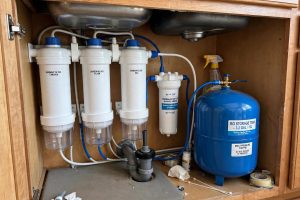
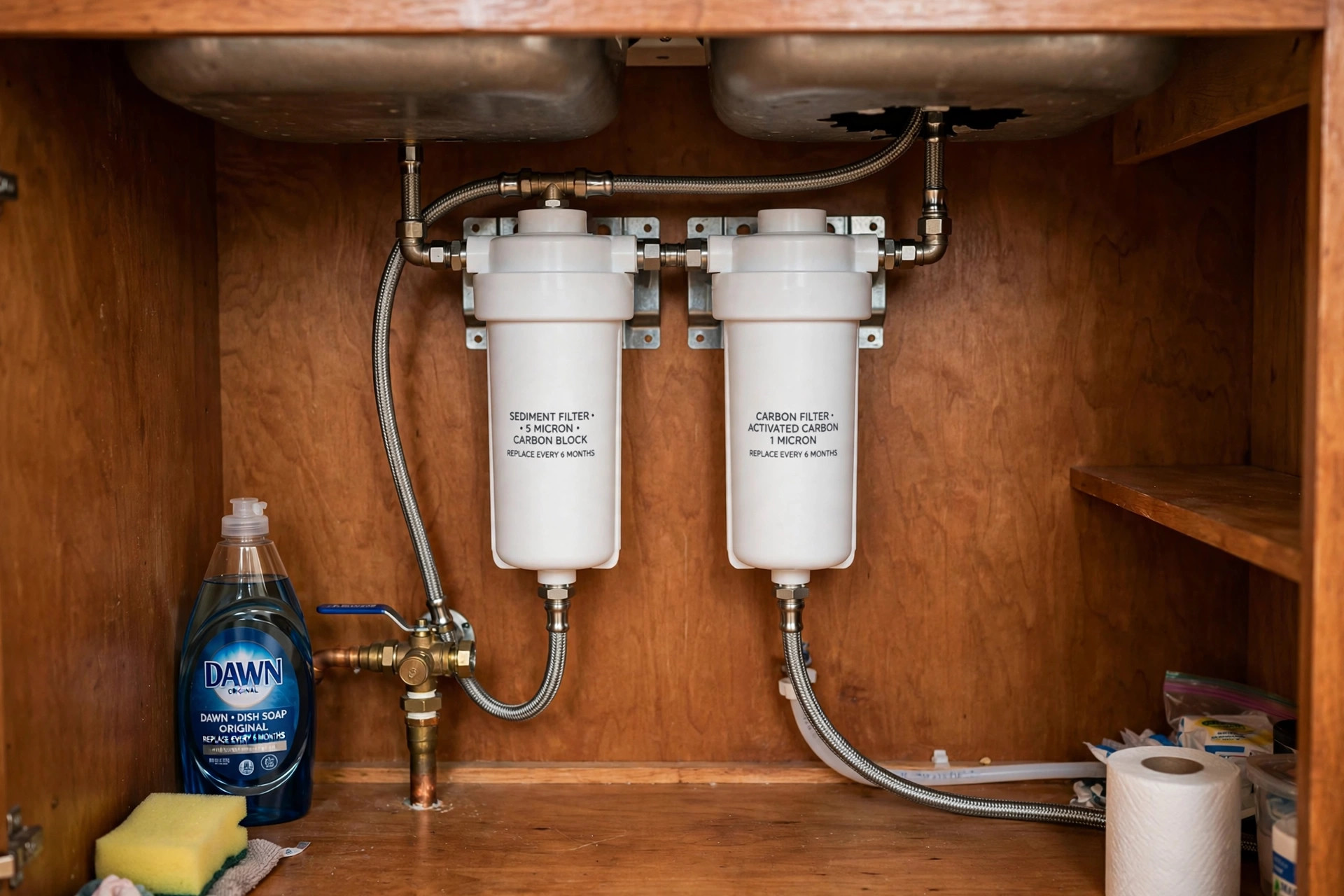
An under-sink unit treats one tap. It usually fits under the kitchen sink. A separate small faucet or a diverter valve delivers the filtered water. Carbon block cartridges are common here. They are compact and strong on taste and odor.
This is the right pick when drinking water is the main concern. The install is a weekend job for a handy owner. Makers such as Aquasana sell kits with clear instructions. Change the cartridge on schedule. A spent cartridge stops removing chlorine.
Shower Carbon Filters
A shower filter screws between the shower arm and the shower head. It holds a small carbon or KDF cartridge. It targets the chlorine that vaporizes in hot water. Many buyers pair it with a shower head filter for chlorine reviews usa search before they buy. Look at reviews that mention taste and smell after two months. Early reviews can miss how fast the cartridge wears out.
Shower filters have low capacity. The water flows fast and the cartridge is small. They work best for chlorine, not for heavy sediment or hard water. If your shower struggles with scale, a best shower filter for hard water usa style unit may suit you better. Some models combine both kinds of media.
Countertop and Pitcher Filters
A countertop unit connects to the faucet with a hose. A pitcher fills by hand. Both use small carbon cartridges. They are cheap and easy. They remove chlorine from drinking water only. The capacity is low, often 40 to 100 gallons. They suit renters who cannot change plumbing.
Cost and Price
Prices spread wide across the types. The table below shows common ranges seen in American stores in 2026.
| Filter type | Up-front cost | Yearly upkeep | |—|—|—| | Pitcher | 25 to 60 dollars | 30 to 60 dollars | | Countertop | 60 to 150 dollars | 40 to 80 dollars | | Shower filter | 30 to 80 dollars | 40 to 90 dollars | | Under-sink | 80 to 300 dollars | 50 to 120 dollars | | Whole house | 600 to 2,500 dollars | 100 to 300 dollars |
Professional install adds cost for whole house units. Lowe’s and local plumbers quote 300 to 800 dollars for a typical install. Under-sink units may cost 100 to 200 dollars for a plumber visit.
Filter cartridges are the main running cost. A cartridge that costs 40 dollars and lasts six months costs 80 dollars a year. Larger whole house media beds last longer. Their cost per gallon is lower. This Old House notes that buyers often undercount cartridge costs when they compare cheap units. Add up five years of cartridges before you judge a price.
Care and Upkeep
Carbon filters need little care. Most of the work is changing cartridges on time. The steps below cover the basics.
First, note the install date. Write it on the cartridge with a marker. Set a calendar reminder for the change date. The Family Handyman site suggests pairing filter changes with smoke alarm battery checks. One reminder covers both jobs.
Second, flush a new cartridge. Run water through it for several minutes before you drink from it. New carbon can release fine dust. The flush clears it. The maker sheet will give the exact flush time.
Third, watch for signs of a spent cartridge. The chlorine taste comes back first. The smell returns next. Flow may drop in block filters as pores clog. Change the cartridge when any of these signs appear, even if the date has not arrived.
Fourth, keep spare cartridges on hand. A spare saves a trip to the store. Buy the exact model number. Cartridges look alike but do not fit alike.
Fifth, sanitize the housing once a year for under-sink units. A small amount of bleach in the empty housing kills slime. Rinse well before you add the new cartridge. Moen and Kohler both sell housings with cleaning steps in their manuals.
Safety
Carbon filters are safe to use. A few points deserve care.
Do not treat water that may hold germs with carbon alone. Carbon removes chlorine. It does not kill bacteria. If your water comes from a private well, test it first. A lab test shows what is really in the water.
Do not drink water that ran through a moldy filter. A cartridge left too long can grow biofilm. Change it on time. If a unit sat unused for weeks, flush it long before use.
Watch pressure ratings. A cracked housing can flood a cabinet. Buy parts rated for your home pressure. Most city pressure runs 40 to 80 pounds per square inch. If yours runs higher, add a pressure regulator.
Check local rules before you drain a large whole house tank. Backwash water may carry rules in some cities. Your installer will know the local code. Delta Faucet and other makers warn against freezing too. Carbon tanks must stay above freezing or the media can crack.
Frequently Asked Questions
Does a carbon filter remove all chlorine?
A good carbon filter removes most free chlorine. Many tested units remove 90 percent or more at their rated flow. Nothing removes all of it forever. When the carbon fills up, removal drops. That is why the change schedule matters.
What about chloramine?
Chloramine is a mix of chlorine and ammonia. Cities use it because it lasts longer in pipes. Standard carbon removes it slowly. Catalytic carbon removes it much better. Check your utility report. If it lists chloramine, buy a filter rated for chloramine.
Will a carbon filter help dry skin?
Many users say yes. Chlorine can dry skin and hair. Removing it at the shower head reduces that contact. A shower filter is the cheapest way to test this. Give it a month. Judge by how your skin feels.
How long does a cartridge last?
It depends on size and water use. Small pitcher cartridges last weeks. Under-sink cartridges last six to twelve months. Whole house beds last three to five years. The maker rating assumes average use. Heavy use shortens the life.
Can I install a whole house filter myself?
Some owners do. The job needs pipe cutting, fittings, and a drain for backwash. Mistakes can flood the house. Most buyers hire a plumber. The cost is worth the peace of mind.
Does filtered water need chlorine at all?
No. Once the water leaves the city pipes, chlorine has done its main job. Removing it at your tap does not make the water unsafe. Keep the filter clean. Drink the water within a day or two of filtering for best freshness.
Final Word
The best carbon filter for chlorine removal usa is the one that fits your home, your water, and your budget. Start with your water report. Pick the type that covers the taps you care about. Buy a certified unit. Change the cartridge on time. Do that, and the sharp taste and pool smell will be gone from your daily water.
References
Aquasana. (n.d.). Water filtration systems. https://www.aquasana.com Delta Faucet. (n.d.). Kitchen and bathroom faucets. https://www.deltafaucet.com Family Handyman. (n.d.). DIY home repair and maintenance. https://www.familyhandyman.com Kohler. (n.d.). Bathroom and kitchen fixtures. https://www.kohler.com Lowe’s. (n.d.). Home improvement products. https://www.lowes.com Moen. (n.d.). Faucets and plumbing fixtures. https://www.moen.com The Home Depot. (n.d.). Home improvement products. https://www.homedepot.com This Old House. (n.d.). Home renovation guidance. https://www.thisoldhouse.com U.S. Environmental Protection Agency. (n.d.). Protecting human health and the environment. https://www.epa.gov
Was this guide helpful?

About David Wilson
The My Garden US editorial team writes practical, in-depth home and garden guides for American homeowners — tested advice, no fluff.
You May Also Like
Best Filter for Lead Removal Reviews USA: A Plain Guide for Homeowners
June 24, 2026 0 views
Heat Tape for Water Pipes Reviews USA: A Plain Guide for Homeowners
August 21, 2026 0 views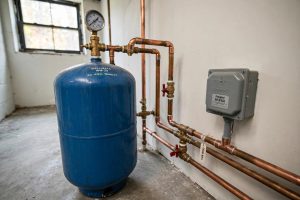
Low Well Water Pressure Solutions for Homes
February 24, 2026 0 views