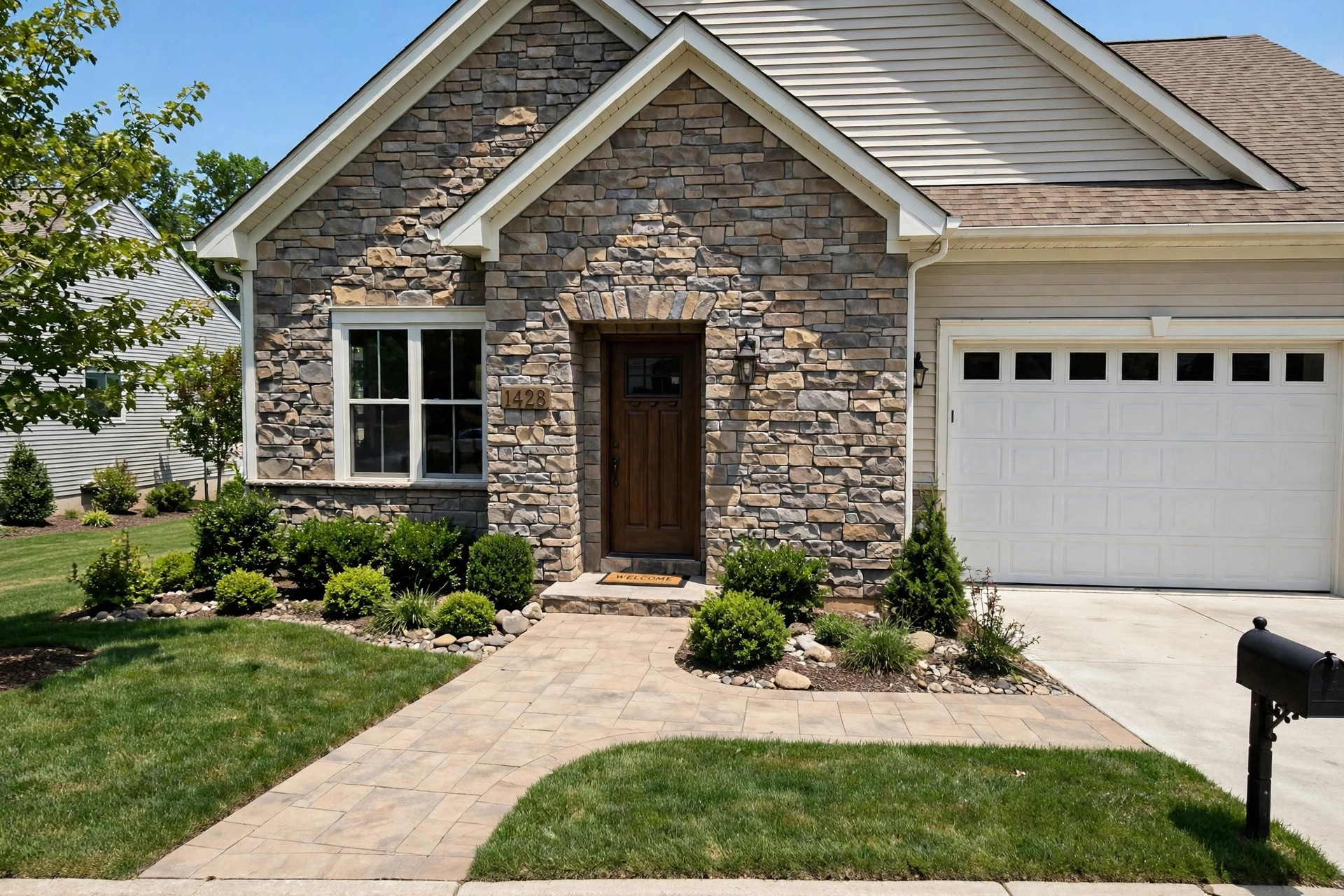

Few changes to a home make as strong an impression as stone. It looks solid. It looks old in the best sense. It suggests that the house will stand for a hundred years. But real stone is heavy, and it is costly to build with. That is why so many homeowners now search for affordable stone veneer panels for sale. These panels give the face of stone without the weight and without the high price of a full stone wall.
Stone veneer panels are thin, light sheets or shaped pieces that copy the look of natural rock. Some are cast from real stone molds. Others are made from cement blends with added color. A few are made from high-density foam or plastic. They mount to walls with mortar or with screws and clips, depending on the kind. Once they are up, a stranger at the curb can hardly tell them from the real thing. You will learn why these panels matter, what to look for, which types exist, what they cost, how to keep them in good shape, and how to stay safe during the job. By the end, you will know how to shop with confidence.
Why Stone Veneer Panels Matter for Your Home
The Look of Stone Without the Weight
Real cut stone is beautiful, but it weighs a great deal. A full stone wall can weigh several hundred pounds per square foot. That weight calls for a stronger foundation and skilled masons. Most older homes were never built to carry it.
Veneer panels weigh far less. Many types weigh under 15 pounds per square foot. That means they can go on wood-frame walls, over old brick, or on concrete block with no extra foundation work.
Curb Appeal and Home Value
People who sell homes talk a great deal about curb appeal. It is the first impression a buyer gets from the street. A small stone skirt along the bottom of a house, or stone around the front door and garage, can change the whole face of the property. Even a mailbox post or a low garden wall in veneer stone can lift the whole yard.
Easy Upgrades for Older Homes
Older homes often have plain siding or tired brick. Full replacement of siding costs a great deal. Panels let you add character for much less. Many homeowners use them on one wall only. This is called an accent wall, and it is a common trick. You get the charm of stone where it shows most, and you keep the bill down.
What to Look for When You Choose Panels: Affordable Stone Veneer Panels for Sale
Material and Thickness
Start with the material. Cement-based panels are the most common. They look like stone because they are cast in molds taken from real rock. They are hard and hold paint well. They last for decades when installed right.
Polyurethane and foam panels are much lighter. One person can lift a whole box. They suit indoor accent walls and dry outdoor spots. They do not handle hard knocks as well as cement.
Thickness matters too. Thick panels show deep shadows between the stones. That depth is what sells the look. Hold a sample at arm’s length before you buy.
Color and Pattern
Stone comes in many tones. Ledges stone shows long flat layers. Fieldstone shows round river shapes. Stacked stone shows tight square cuts. Pick a pattern that fits your home. A farmhouse may suit rough ledges. A brick colonial may suit neat stacked stone.
Color runs through the whole piece in good panels. In cheap panels, the color sits only on the surface. A scratch or chip will show gray underneath. Ask the seller whether the color goes all the way through.
Weight and How It Mounts
Check the weight per square foot and the mount method. Mortar-set panels need a scratch coat and metal lath on wood walls. They take more skill but sit very solid. Screw-on and clip systems go up faster and suit do-it-yourself work. Foam panels often glue on with construction adhesive.
Match the mount method to your skill and your wall type. A brick wall can take mortar-set panels well. A plain plywood wall may call for lath and scratch coat first. Good building guides, such as those at This Old House, explain how to prepare each wall type before panels go up.
Weather Rating
If the panels go outside, they must stand up to rain, sun, and frost. Look for a freeze-thaw rating if you live where winters bite. In hot southern states, check that the color will not fade fast in strong sun. Panels meant only for indoor use should never go outside, no matter how good the price looks.
Types of Stone Veneer Panels
Manufactured Cement Stone
This is the classic choice. Makers pour a cement and aggregate mix into rubber molds taken from real stone. Each piece gets hand color with mineral pigments. The result looks very close to nature. These panels handle weather well and last a long time. They are the most common type among affordable stone veneer panels for sale, and they work for most home exteriors.
Natural Thin Stone Veneer
This is real stone, sawn thin from full blocks. It is genuine rock, so no mold can match its detail. But it costs more and weighs more than cast stone. It still weighs far less than full stone, so it suits most walls. Buyers who want the real thing often start here.
Faux Panels in Polyurethane
These light panels mold every detail, even small pits and cracks. They ship in large sheets, so walls go up fast. Many types include corner pieces and trim made to match. They suit porches, gable ends, and indoor walls. In wet spots, pick types rated for outdoor use and seal all seams.
Interlocking Panel Systems
Some makers sell panels with tongue-and-groove edges that lock together. These hide seams well and speed up the job. A careful homeowner can install them over a weekend. They cost more per square foot than loose pieces, but you save on labor.
Cost and Price: What You Should Expect
Price Per Square Foot
Prices for affordable stone veneer panels for sale run in a wide band. Light faux panels can start near four dollars a square foot. Good cement panels often run eight to fourteen dollars a square foot. Real thin stone can run fifteen dollars or more. These are material prices only. They do not count mortar, lath, trim, or labor.
When you compare, count everything. A cheap panel that needs costly mortar and long labor may cost more in the end than a pricier panel with a simple clip system. Price guides from big home stores like The Home Depot and Lowe’s let you compare material costs side by side.
Labor Costs for Install
Labor often costs as much as the panels. Mortar-set cement stone takes skill and time. Expect install costs of seven to fifteen dollars per square foot in many regions. Clip and screw systems go faster, and some handy owners do them alone.
Get at least three bids from local masons or siding crews. Ask each one what wall prep they include. A bid that skips prep may fail in a few years. Set a budget with room for extras: metal lath, scratch coat, mortar, sealant, and trim pieces. Corner stones cost more than flat pieces and you always need them. Plan on five to ten percent extra material for cuts and waste.
How to Install Stone Veneer Panels
Prepare the Wall
Good prep decides whether the job lasts. On wood walls, fix house wrap or paper, then metal lath, then a scratch coat of mortar. Let it cure a day. On brick or block, clean the surface well. Some makers call for a bonding agent on smooth concrete.
Set the Panels
For mortar-set stone, butter the back of each piece and press it into the wall. For clip systems, follow the maker steps in order. Keep a level line as you work. Start at the bottom and work up. Work in the shade when you can. Hot sun dries mortar too fast and weakens the bond. Step back often to check the pattern from a distance.
Finish and Seal
Once the stone is set, fill joints as directed. Clean haze off the faces with a soft brush before it hardens. Let the wall cure fully before you judge the color. Mortar lightens as it dries.
Many pros seal exterior stone with a breathable sealer. A sealer sheds water but lets vapor out. Do not use a glossy film sealer that traps water inside. For more how-to detail, the project guides at Family Handyman walk through sealing and touch-ups step by step.
Care and Upkeep Through the Years
Cleaning
Stone veneer needs little care. Wash it once a year with a garden hose and a soft brush. A mild soap helps on grime. Never use a harsh pressure washer up close. Strong jets can drive water behind the panels or strip the color from the face.
Watch for mildew on shaded north walls. A mix made for masonry mildew, used as directed, clears it up. Rinse well after.
Repairs
Chips happen. Keep a few spare panels from the original lot. Color lots vary, so spares from the same run match best. For small chips, masonry patch tinted to match can hide the spot.
If a whole panel loosens, pull it off and reset it with fresh mortar or adhesive. Find why it failed. Often water got behind it from a bad flashing or a missing drip edge. Fix the water path first.
Long Term Checks
Check where the stone meets windows and doors. Sealant at these joints wears out over years. Fresh caulk keeps water out. Home care advice at The Spruce offers seasonal checklists that fit this routine well.
Safety on the Job
Dust and Cutting
Cutting cement stone makes fine dust. That dust can harm lungs. Always wear a good dust mask or respirator when you cut or grind. Cut wet when the tool allows it. Wet cutting holds dust down. Keep others, and pets, away from the cutting area.
Ladders and Scaffolds
Much veneer work happens up off the ground. Set ladders on firm level ground. Tie them off when you can. For long walls, rent a scaffold. It is steadier and safer than stretching from a ladder. Never stand on the top rung.
Load and Structure
Veneer is light, but a whole wall of it still adds weight. Make sure fasteners go into studs or solid masonry, not just sheathing. Follow the maker weight limits. If a wall feels soft or shows rot, repair it first. When in doubt, ask a local builder to check the wall.
Shoppers in warm states sometimes ask where to find where to buy stone veneer panels in California, since shipping and local codes vary by region. The same safety rules apply everywhere, but local rules on fire zones and water barriers can differ, so check with your city before you start.
Related Long-Tail Topics Worth a Look
If you are still weighing stone against other sidings, a look at brick veneer siding reviews and buying guide can help. Brick veneer shares much of the same wall prep and mortar work, so the guides overlap. For tight budgets in cold regions, budget friendly brick veneer siding for midwest homes shows how another low-cost facing handles freeze and thaw.
FAQ
How long do stone veneer panels last?
Good cement panels last 30 to 50 years when installed right and kept dry behind. Faux polyurethane panels often carry 25-year or longer warranties. Real thin stone lasts as long as the wall it sits on. The weak point is almost never the stone. It is water getting behind it. Keep flashings, gutters, and sealant in good shape, and the stone will outlast most sidings.
Can I install stone veneer panels myself?
Many homeowners do. Clip and interlocking systems suit do-it-yourself work with basic tools. Mortar-set stone takes more practice. If you have never worked with mortar, practice on a small garden wall first. Big walls, high walls, and walls over old damage are jobs for a pro.
Do I need a permit?
Rules vary by town. Many places do not ask for a permit for veneer on an existing home. Some do, and fire zones often have extra rules about materials. Call your local building office before you buy. It takes ten minutes and can save a fine.
Will panels work over my old siding?
Sometimes. Panels can go over brick and block with proper prep. Going over old wood or vinyl siding is riskier. Most makers want the old siding off so the veneer bonds to a sound wall. Trapped water between layers causes rot. When in doubt, strip to the sheathing.
How do I find truly affordable stone veneer panels for sale?
Compare per-square-foot prices with all parts counted, not just the panel price. Watch for sales at big chains and local yards. End-of-lot deals can cut costs a great deal. Online sellers sometimes beat store prices, but add freight. Independent test reports, like those from Consumer Reports, help you judge quality before you chase the lowest price.
Do stone veneer panels raise insurance costs?
Usually not. Some insurers even like masonry facing because it resists fire better than wood. Tell your agent about the upgrade. In some cases it can help your rate. Keep receipts and photos of the finished job.
A Short Final Word
Stone has pleased the eye for thousands of years, and there is no reason a normal budget should stand in the way. With affordable stone veneer panels for sale in so many styles and prices, almost any home can wear a face of rock. Take time to pick the right material, prep the wall well, and keep water out. Do that, and your stone will look good for decades.
For siding news and maker updates, trade coverage at James Hardie and CertainTeed shows where the industry is headed. Design ideas flow freely from HGTV, and hands-on buyers can learn a lot from the buying guides at Bob Vila.
References
Bob Vila. (n.d.). Home improvement advice. https://www.bobvila.com CertainTeed. (n.d.). Building materials and exterior products. https://www.certainteed.com Consumer Reports. (n.d.). Product reviews and ratings. https://www.consumerreports.org Family Handyman. (n.d.). DIY home repair and maintenance. https://www.familyhandyman.com HGTV. (n.d.). Home and garden ideas. https://www.hgtv.com James Hardie. (n.d.). Fiber cement siding and exterior products. https://www.jameshardie.com Lowe’s. (n.d.). Home improvement products. https://www.lowes.com The Home Depot. (n.d.). Home improvement products. https://www.homedepot.com The Spruce. (n.d.). Home and garden advice. https://www.thespruce.com This Old House. (n.d.). Home renovation guidance. https://www.thisoldhouse.com
Was this guide helpful?

About Jennifer Lee
The My Garden US editorial team writes practical, in-depth home and garden guides for American homeowners — tested advice, no fluff.
You May Also Like
Best Stucco Exterior Repair Near Me: How to Find a Trusted Contractor
May 26, 2026 0 views
How to Find Top Rated House Power Washing Services Near Me
July 4, 2026 0 views
Reliable Vinyl Siding Installation in the USA: A Plain Guide for Homeowners
June 27, 2026 0 views