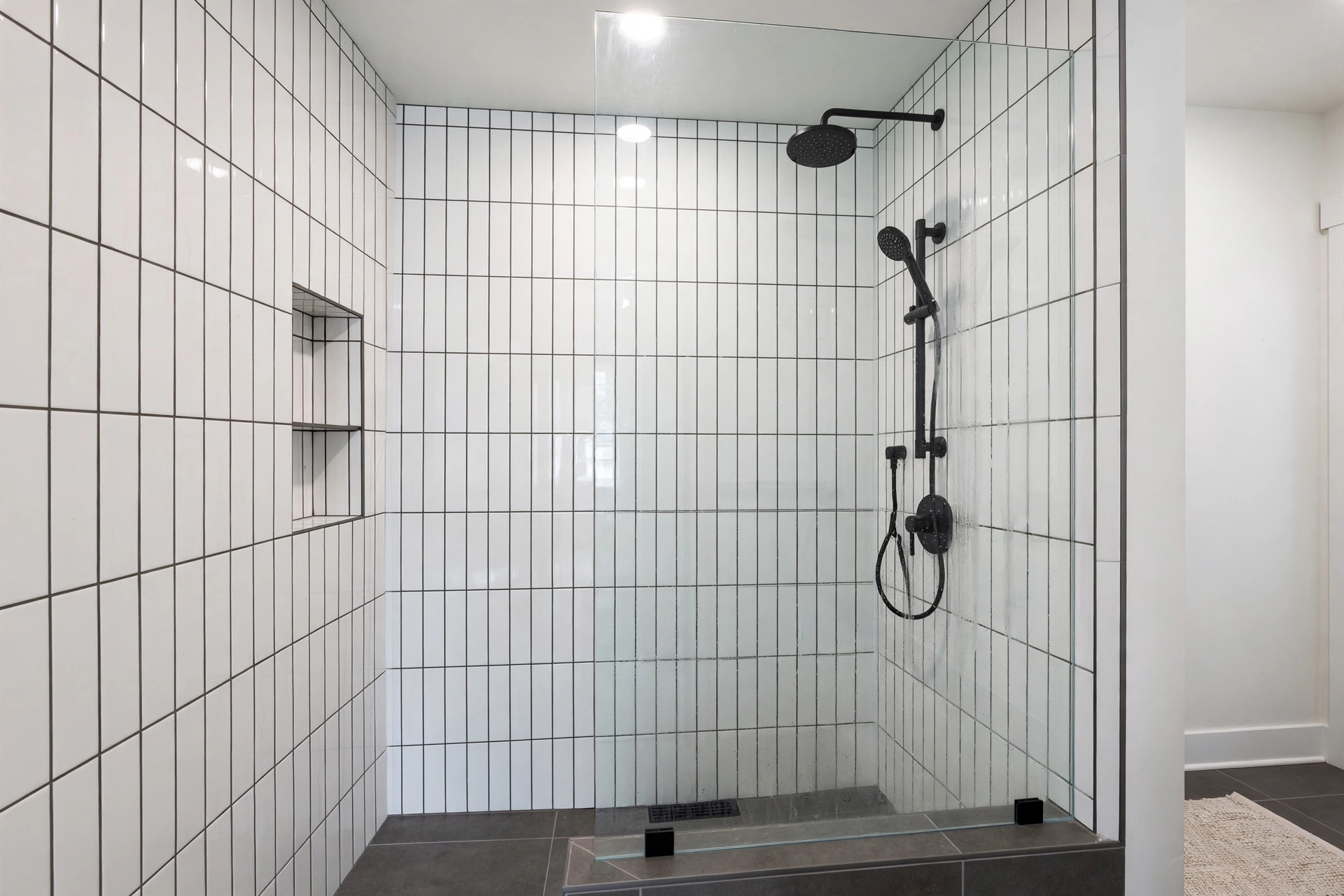

Vertical subway tile shower ideas usa searches have grown fast in recent years. The reason is simple. Homeowners in the United States want showers that look taller, cleaner, and more modern. The classic subway tile has been around for more than a century. It started in the New York City subway stations of 1904. The tiles were 3 inches by 6 inches, set in a horizontal brick pattern. That look has never really left. But a small change has made it feel new again. Turn those same tiles on end, and the whole shower changes. Lines run from floor to ceiling instead of wall to wall. The eye follows them upward. A small or dark shower can feel taller and brighter at once.
This guide covers the best vertical subway tile shower ideas usa homeowners are using right now. It explains why the pattern works, how to choose tile and grout, what layouts look best, what it costs, and how to keep it clean. Every idea here fits a real American home, from a starter bath in Ohio to a master suite in Texas.
Why Vertical Tile Works in a Shower
The vertical stack is the main reason people choose this style. Horizontal subway tile pulls the eye sideways. That can make a wide room feel wider, but it can also make a low ceiling feel lower. Vertical tile does the opposite. It draws the eye up. In a standard shower with an eight foot ceiling, that upward pull makes the space feel taller than it is.
There is a second reason. Showers are full of vertical things. The shower head rises above. Glass panels run floor to ceiling. Water falls in a straight line down. Vertical tile lines echo all of that. The result feels calm and natural instead of busy.
A third reason is maintenance. Vertical grout lines drain better than horizontal ones. Water runs down a vertical joint instead of sitting on a horizontal ledge. In a wet shower, less standing water means less soap film and less mold. It is not a cure for a bad job, but it helps a good one last.
How to Choose Tile, Color, and Grout: Vertical Subway Tile Shower Ideas Usa
Good choices start before the first tile goes up. The three decisions that matter most are tile size, color and finish, and grout.
Tile Size
The classic 3 by 6 inch tile is still the most common. It is cheap, easy to find, and easy to cut. For a bolder look, many stores now sell 2 by 8, 3 by 12, or 4 by 12 inch subway tiles. Longer tiles make the vertical lines stronger and cut better around niches. Big retailers such as The Home Depot and Lowe’s now stock long subway formats, and flooring specialists like LL Flooring and Mohawk Flooring carry tile lines with clear wet-area ratings. Large format tile means fewer grout lines, which means faster cleaning.
Pick tile rated for wet use. The box should say it suits shower walls. Most glazed ceramic and porcelain tiles qualify. Unglazed natural stone looks rich but needs sealing. Check the slip rating of any tile that will sit on the shower floor. Tile makers like Daltile and Shaw Floors publish ratings and wet-use guidance for their wall and floor lines.
Color and Finish
Glossy white is the most popular choice in the USA. It bounces light around the shower and pairs with any fixture. If white feels too plain, soft gray, pale blue, sage green, and warm beige are all strong picks. Dark colors like navy, forest green, and matte black make a bold shower, but they show soap scum and hard water spots more than light colors do.
Finish matters as much as color. Glossy tile reflects light and wipes clean with ease. Matte tile hides water marks and feels modern. Crackle glaze tile has a hand-made look, but it costs more and can vary from tile to tile, so order samples first.
Grout Color and Width
Grout can change the whole look. White grout with white tile gives a smooth, seamless wall. Dark grout with white tile makes each tile stand out and shows off the vertical pattern. Gray is the safe middle ground. It hides stains better than white and looks softer than black.
Narrow joints, about one sixteenth of an inch, give a crisp modern look. Wider joints, about one eighth of an inch, are more forgiving if the walls are not perfectly flat. Always use a grout made for wet areas. Epoxy grout resists stains best, though it costs more and is harder to install.
Twelve Vertical Subway Tile Shower Layouts
The ideas below are the patterns American homeowners ask for most. Each one uses the same basic tile but a different layout or color plan.
1. The Full Vertical Stack
Every tile runs straight up, one above the other, with joints lined up. This is the cleanest look. It suits modern and minimal baths. Pair it with black fixtures and a frameless glass door for a sharp contrast.
2. Glossy White with Dark Grout
White tile, charcoal grout, vertical stack. This is the most pinned look online for a reason. The dark lines trace each tile and make the height of the wall impossible to miss. It works best in showers with good light, since the dark lines can feel busy in a dim room.
3. Soft Gray on Gray
Light gray tile with medium gray grout. The lines nearly disappear, and the wall reads as one calm surface. This is a good choice for a guest bath that should feel restful rather than dramatic.
4. Vertical Brick Offset
Tiles run vertically but each row is offset by half a tile. This softens the strict grid and hides small layout errors well.
5. Half Wall Vertical Tile
Run vertical subway tile up to the five foot mark, then paint above. This saves money and opens up small baths. Dark paint above white tile is a classic farmhouse look.
6. Full Ceiling Height Tile
Take the tile all the way to the ceiling with no painted gap. This is the luxury look. It costs more in material and labor, but nothing makes a shower feel finished like tile that meets the ceiling line.
7. Bold Color Vertical Tile
Deep green, navy, or terracotta subway tile in a vertical stack. One bold wall is enough; keep the other walls light so the shower does not feel closed in. Brass or gold fixtures pair well with jewel tones.
8. Vertical Tile with a Framed Niche
Set a shampoo niche into the wall and frame it with the same tile turned as a border. The vertical lines run right past the niche and make it look built in. Line the back of the niche with a contrasting tile for a finished touch.
9. Mixed Matte and Gloss
Use matte tile for most of the wall and a band of glossy tile at eye level. The band catches the light and breaks up the grid.
10. Vertical Tile Tub Surround
Carry the vertical subway tile around a tub and shower combo, not just a walk-in shower. Run it to the ceiling above the tub for a full surround. This is one of the most cost effective upgrades in a hall bath.
11. Herringbone Accent Strip
Keep most of the wall in a vertical stack, but set a band of herringbone pattern at waist height. The zigzag adds craft without taking over.
12. Floor to Ceiling with Bench
In a walk-in shower with a built-in bench, run vertical tile over the bench and up the back wall. The unbroken lines tie the bench into the wall and make the shower read as one piece. This is a strong look for curbless showers.
Cost and Price
Cost is one of the first questions every homeowner asks. Ceramic subway tile is one of the cheapest shower tiles in the USA. Plain white ceramic subway tile often sells for 1 to 4 dollars per square foot at big stores. Handmade look or crackle glaze tile runs 5 to 15 dollars per square foot. Porcelain subway tile sits in the middle at 3 to 8 dollars per square foot.
Labor is the bigger share of the bill. A tile setter in most US cities charges 8 to 20 dollars per square foot to install wall tile, with vertical patterns sometimes costing a little more than simple horizontal work. A standard 3 by 5 foot shower with walls to 7 feet has about 90 square feet of tile area. At mid-range prices, expect 1,500 to 4,000 dollars for tile, setting materials, and labor, before plumbing and glass.
Ways to keep the budget down are simple. Choose stock ceramic tile from a big retailer. Keep the tile to one wall or a half wall. Use a preformed shower pan instead of a tiled floor. For floor tile, a patterned choice like hexagon tile bathroom floor ideas can add style for little extra money. Get three written bids, and check that each one lists waterproofing, grout, and trim by name.
Installation Basics
A shower tile job is really a waterproofing job with tile on top. The tile itself does not keep water out. The membrane behind it does. Modern jobs use a sheet membrane or a liquid waterproofing coat over cement board. Guides from This Old House walk through the waterproofing steps in detail. Never set shower tile on plain drywall.
The wall must be flat before tile starts. Subway tile shows every bump. A good setter will check the wall with a straightedge and flatten high spots. Layout starts with a level line, often at the second row, so the bottom cut row can be trimmed to fit an out of level pan.
Vertical tile needs straight plumb lines. Even a small lean shows across a tall wall. Most setters use a laser level for this work. Outside corners get a trim piece, a mitered edge, or a metal profile. Inside corners get caulk, not grout, so the joint can move without cracking.
Plan the plumbing first. The shower valve, head, and niche should be set before tile layout is drawn. Moving a valve after tile is up is costly. If you are doing the work yourself, a wet saw and a tile nipper are the two tools you cannot skip.
Care and Upkeep
Vertical subway tile is easy to keep clean if you start with good habits. Squeegee the walls after each shower. This one step cuts soap film and mineral spots more than any cleaner. Once a week, wipe the tile with a mild cleaner and a soft cloth. Care guides at The Spruce list cleaners that are safe for tile and grout. Avoid harsh acids on natural stone and on colored grout.
Reseal grout lines once a year if you used cement grout. Epoxy grout does not need sealing. Check caulked corners every few months. If the caulk pulls away or turns dark, cut it out and redo it. This small repair stops water from getting behind the tile.
Hard water is the main enemy of a pretty shower. If your water leaves white spots, wipe the tile dry after use and clean the shower head with vinegar monthly. A water softener helps in very hard water areas.
Ventilation matters too. Run the bath fan during the shower and for twenty minutes after. A dry shower grows far less mold than a damp one.
Safety
Showers are wet by nature, so safety is part of the design. Wall tile choice does not change slip risk much, but floor tile does. Choose a shower floor tile with texture and a good slip rating. Many homeowners pair vertical wall tile with a small mosaic floor for grip. If your project extends outdoors, the same thinking applies to choices like non slip outdoor tile for pool deck designs.
Set grab bars during the tile work, not after. A bar needs solid blocking in the wall behind the tile. Plan one near the entry and one near the controls. Tempered glass is required by code for shower doors. Keep a bath mat or teak step outside the shower for wet feet.
Lighting helps safety and looks. A bright, even light makes dark grout lines and bold tile colors read well. If you are adding a light inside the shower, it must be rated for wet locations. Have an electrician do that work.
Frequently Asked Questions
Is vertical subway tile harder to install than horizontal?
It takes more care, not more skill. The setter must keep every line plumb over a tall run. A laser level and a careful layout make this routine for a pro. Expect a small labor premium of 10 to 20 percent over a basic horizontal job.
What is the best grout color for white vertical subway tile?
Gray grout is the safest pick. It hides stains, softens the grid, and suits any fixture finish. White grout looks clean but needs more upkeep. Black or charcoal grout makes a bold graphic look but shows every uneven joint.
Can I use subway tile on the shower floor?
Wall rated subway tile is too smooth for most shower floors. Use a floor rated tile with texture on the pan. Small mosaics, pebble tile, or textured porcelain all work. Keep the vertical subway tile on the walls where it belongs.
How do I clean dark grout without fading it?
Use a pH neutral cleaner and a soft brush. Skip bleach and strong acids, which can lighten colored grout over time. Rinse well after cleaning. Sealing the grout once a year helps it hold its color.
Does vertical tile really make a shower look bigger?
It makes the shower look taller, which most people read as bigger. The effect is strongest with light colors, glossy finish, and tile that runs to the ceiling. Dark tile or a half wall gives less of the effect.
How much does a vertical subway tile shower cost in the USA?
A typical range is 1,500 to 4,000 dollars for tile and labor on a standard shower, with budget jobs near 1,000 dollars and high end jobs above 6,000. Tile choice and how much wall you cover drive the price more than the pattern itself. For other outdoor tile budgets, guides on stamped concrete patio cost per square foot show how price per foot thinking applies across projects.
A Short Final Word
Vertical subway tile is a small twist on a classic, and that is its strength. It costs little more than the familiar horizontal look, it suits almost any style, and it makes a shower feel taller the moment you walk in. Pick a tile you love, choose grout with care, and put waterproofing first. Done right, the shower will look sharp for twenty years or more.
References
Daltile. (n.d.). Ceramic and porcelain tile. https://www.daltile.com LL Flooring. (n.d.). Hardwood, vinyl, and tile flooring. https://www.llflooring.com Lowe’s. (n.d.). Home improvement products. https://www.lowes.com Mohawk Flooring. (n.d.). Flooring products. https://www.mohawkflooring.com Shaw Floors. (n.d.). Flooring products. https://www.shawfloors.com The Home Depot. (n.d.). Home improvement products. https://www.homedepot.com The Spruce. (n.d.). Home and garden advice. https://www.thespruce.com This Old House. (n.d.). Home renovation guidance. https://www.thisoldhouse.com
Was this guide helpful?

About James Carter
The My Garden US editorial team writes practical, in-depth home and garden guides for American homeowners — tested advice, no fluff.
You May Also Like
White Grout Maintenance Tips for Showers That Keep Tile Looking New
August 30, 2026 0 views
Installing Vinyl Plank Over Tile: A Complete USA Guide
January 4, 2026 0 views
Dark Grout with White Subway Tile Ideas for Every Room
September 18, 2026 0 views