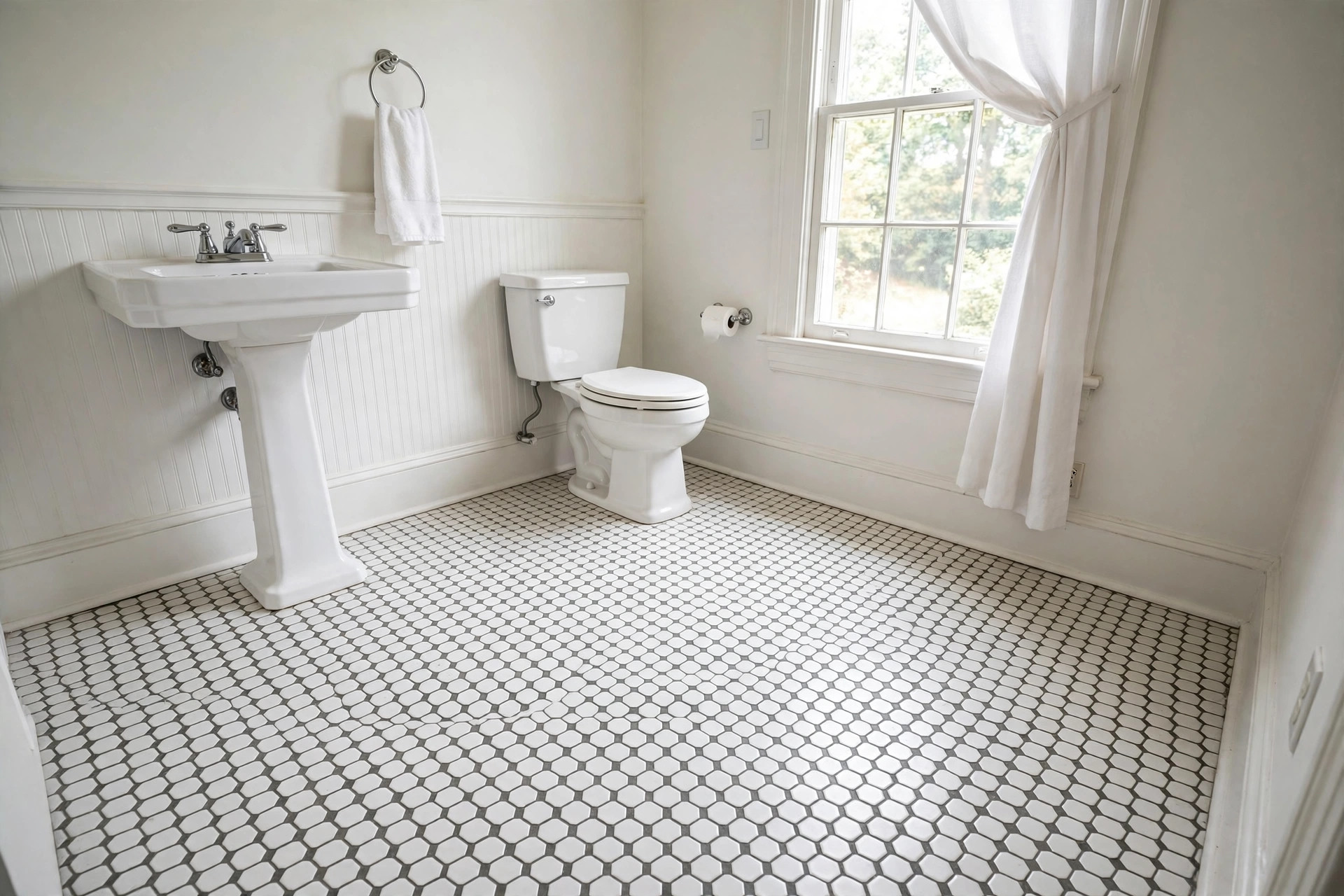

The bathroom floor takes more wear than any other surface in the home. Water falls on it every day. Feet cross it bare and wet. Soap and cleaners wash across it week after week. For all these reasons, the choice of floor tile matters a great deal. Among the many options found in American homes today, few look as timeless as the hexagon. If you are gathering hexagon tile bathroom floor ideas, you will find that this six-sided tile has served bathrooms for more than a century, and it still earns its place in new work.
Why the Hexagon Endures
The hexagon pattern has roots in the late nineteenth century, when small unglazed porcelain tiles were laid in public buildings, schools, and city baths. The shape fit together without gaps. The small size of each tile gave feet a sure grip. Early American makers sold these tiles in sheets, so even a modest bathroom could carry a fine mosaic floor.
That history gives the hexagon a double value. It reads as classic and it works as practical. In a guest bath with old fixtures, it feels true to the house. In a new bath with a glass shower and a floating vanity, it softens the modern lines. Few other floor patterns cross that line so easily.
Small hexagons also suit small rooms. A powder room or a hall bath can look busy with large square tile. One-inch or two-inch hexagons break the floor into many small shapes, and the eye reads the whole as texture rather than pattern. The room feels finished, not cut up.
What to Look for When You Choose: Hexagon Tile Bathroom Floor Ideas Usa
Not all hexagon tile is the same. Before you buy, study these points.
Material
Porcelain is the first choice for most bathroom floors in the United States. It is dense, it absorbs little water, and it stands up to daily foot traffic. Tile makers such as Daltile sell wide lines of porcelain mosaics, and large home stores like The Home Depot and Lowe’s stock the common sizes for quick pickup. Ceramic costs less and suits low-traffic baths, but it is softer and can chip. Natural marble hexagons look rich, yet they need sealing and they stain with some cleaners. For a first tile project, porcelain is the safe road.
Size
Common sizes run from one inch to four inches across the flat sides of each tile. One-inch tiles give the classic honeycomb look and the most grout lines, which means the most grip. Two-inch tiles strike a balance between texture and speed of setting. Three-inch and four-inch hexagons read more modern and show less grout. In a shower floor, stay at two inches or smaller so the floor can slope to the drain.
Finish
Matte and honed finishes suit bathroom floors best. Glossy tile turns slick under wet feet. A slight texture in the surface adds safety without looking rough. If you love the shine of marble, keep it for walls and choose a honed hexagon for the floor.
Slip Rating
Tile makers rate slip resistance with the DCOF test. A rating of 0.42 or higher suits level bathroom floors. Ask the seller for the rating before you buy. Most porcelain mosaics pass with ease.
Color and Grout
White hexagons with dark grout form the classic look. The dark grout outlines each tile and draws the honeycomb pattern. Light grout with white tile looks calm and bright, but it shows stains sooner. Gray hexagons with gray grout give a soft modern floor. Black hexagons make a bold statement and hide soil well. Decide the grout color with the same care you give the tile, because grout covers a large share of what you see.
Shoppers comparing options often study large format tile for small bathroom usa as an alternative look, though many return to the hexagon for its grip and charm.
Classic and Bold Ideas for the Floor
Here are proven ways American homeowners lay hexagon tile in the bathroom.
The Classic White Honeycomb
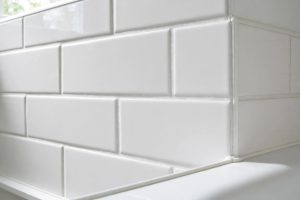
White one-inch porcelain hexagons, gray grout, and a white subway-tile wainscot: this is the bathroom of 1920s apartment houses from New York to Chicago. It still suits any home with traditional fixtures. Use a pedestal sink or a console sink, a simple white toilet, and chrome or nickel fittings. The floor carries the room.
Dark Grout Drama
White or off-white hexagons with charcoal or black grout make the pattern leap off the floor. This look suits both old houses and new ones. Keep the walls plain so the floor holds the eye. A dark grout also hides the daily soil that a bathroom floor collects.
Flower and Dot Patterns
Sheet makers sell hexagon mosaics with a small dot of color at the joints, often called the flower pattern. A white field with black dots gives a gentle vintage air. Gray fields with white dots look softer. This pattern has graced farmhouse baths for decades and fits a cottage or a Colonial revival home.
Marble Hexagons
Carrara or Calacatta marble cut into two-inch hexagons brings luxury to a master bath. Pair it with simple white walls so the stone stands out. Seal the floor at once and re-seal on schedule. Marble costs more and asks more care, but its depth of color is hard to match. Those weighing stone against ceramic often read marble bathroom floor tile pros cons usa before they decide.
Oversized Hexagons
Three-inch and four-inch porcelain hexagons in warm gray or greige give a quiet modern floor. Fewer grout lines mean faster cleaning. This scale suits larger baths where small mosaics would look busy. Pair with large wall tile and simple fixtures.
Patterned Cement-Look Hexagons
Porcelain printed to look like encaustic cement tile brings bold pattern without the upkeep of true cement. Floral and geometric prints in blue, gray, and cream turn a plain bath into a showpiece. Use this floor in a powder room or a guest bath where the pattern can shine without tiring the eye daily.
Border and Inlay Work
A border of contrasting hexagons around the room edge frames the floor like a rug. A band of black hexagons set into a white field, or a Greek-key style border in two colors, shows craft. Borders suit square rooms best and ask for careful layout.
Hexagons on the Shower Floor
Two-inch hexagons slope well to the drain and give wet feet sure footing. Many designers run the same hexagon from the bathroom floor straight into the shower, which makes a small bath feel larger. For more on this choice, see our notes on best tile for shower walls reviews usa.
Planning the Layout
Good hexagon work starts with layout. Find the center of the room and dry-lay sheets from the center out. Shift the pattern so that cut tiles fall in the least seen places, such as under the vanity or behind the toilet. In a small bath, a centered layout keeps the pattern balanced on all sides.
Mind the doorways. A full row of hexagons at the threshold looks clean. If the cut at the door would be a thin sliver, shift the whole field half a tile to widen it.
Order ten to fifteen percent extra tile beyond your measured square footage. Cuts waste tile, and a few sheets may arrive with flaws. Keep one full sheet after the job for future repairs. Dye lots change, and a later sheet may not match.
Cost and Price in the USA
Hexagon tile prices vary with material and size. Plain white porcelain mosaics often cost between two and six dollars per square foot at large retailers. Patterned or colored porcelain runs four to twelve dollars. Marble hexagons start near ten dollars and climb past twenty for fine stone.
Setting costs add more. Professional tile setting in the United States commonly runs eight to twenty dollars per square foot of floor, with higher rates in large cities and for complex borders. A small hall bath of forty square feet might cost twelve hundred to two thousand dollars in labor, plus materials.
Grout, thinset, backer board, and sealer add several hundred dollars to a typical bath. A heated floor mat under the tile adds both comfort and cost; many owners pair it with hexagons for warm winter mornings.
Buy from a seller with a clear return policy. Flooring specialists such as LL Flooring, Mohawk Flooring, and Shaw Floors publish care and warranty details that help you compare, and design sites like The Spruce offer photo galleries of finished hexagon baths for ideas. Check every box on arrival for broken sheets and shade differences.
Setting the Tile
Many homeowners hire a tile setter for hexagon work, and for good reason. Small mosaics punish haste. Still, a careful do-it-yourselfer can set a small floor, and step-by-step guides from This Old House and Family Handyman walk through the process in plain terms.
Start with a firm, level subfloor. Cement backer board over plywood gives tile a stable bed. Waterproof the floor in wet zones with a membrane or a liquid waterproofing product.
Spread thinset with a notched trowel sized for mosaics, usually a quarter-inch square notch. Press each sheet into the mortar and beat it flat with a grout float so all tiles sit level. Check often with a straightedge. Small tiles follow dips in the floor, so level work now saves grief later.
Let the mortar cure a full day before grouting. Mix grout to a smooth peanut-butter texture and work it into the joints with a float held at an angle. Hexagon sheets hold a great deal of grout, so work in small areas and clean as you go. A damp sponge, wrung nearly dry, lifts the haze without pulling grout from the joints.
Seal cement-based grout after it cures. Epoxy grout needs no sealer and resists stains, but it sets fast and asks for a practiced hand.
Care and Upkeep
Hexagon floors ask for simple, steady care. Sweep or vacuum weekly so grit does not grind the grout. Mop with warm water and a pH-neutral cleaner made for tile. Skip bleach and acid cleaners on a routine basis; they wear grout and can etch stone.
Reseal cement grout once a year in a busy family bath. Marble hexagons need their sealer checked on the same schedule. Wipe up hair dye, strong cleaners, and rusty water at once, since these stain both grout and stone.
A silicone bead where the floor meets the tub or shower base keeps water out of the wall. Check it yearly and replace it when it pulls loose or darkens.
Safety Notes
Wet bathroom floors cause falls, and small children and older adults face the most risk. Choose tile with a matte finish and a DCOF rating of 0.42 or higher. Place a bath mat with a rubber back outside the tub and shower. Keep a night light in the hall bath so no one crosses a wet floor in the dark.
When you set tile, wear knee pads, gloves, and eye protection. Wet saws throw water and chips. Mix thinset and grout in a ventilated room and follow the bag directions. Keep children and pets out of the work area until the floor is grouted and cured.
Frequently Asked Questions
Is hexagon tile good for bathroom floors?
Yes. Small hexagon mosaics have served bathroom floors for more than a century. Porcelain hexagons resist water, give good grip through their many grout lines, and suit both old and new homes.
What size hexagon tile is best for a small bathroom?
One-inch and two-inch hexagons suit small baths best. They break the floor into fine texture, slope well to drains, and make the room feel finished rather than cut up.
What color grout goes with white hexagon tile?
Dark gray or charcoal grout draws the classic honeycomb pattern and hides soil. Light gray or white grout looks calm and bright but shows stains sooner. Choose grout with the same care as the tile.
Does hexagon tile cost more to install than square tile?
Setting small mosaics takes more time than setting large squares, so labor often runs higher. The tile itself is modestly priced in plain porcelain. A detailed border or pattern raises labor cost further.
Can I use hexagon tile on both the floor and the shower floor?
Yes, and many designers do. Two-inch or smaller hexagons slope to the shower drain and give wet feet sure footing. Running one tile from bath floor into shower makes a small room feel larger.
How do I clean grout on a hexagon tile floor?
Sweep weekly, mop with warm water and a pH-neutral tile cleaner, and reseal cement grout yearly. For stained grout, a paste of baking soda and water with a soft brush lifts most marks without harsh chemicals.
A Final Word
Hexagon tile earns its long life in American bathrooms by being both beautiful and hardworking. Choose a sound material, plan the layout with care, set the tile level, and keep up simple cleaning. Whether you pick the classic white honeycomb or a bold patterned floor, the six-sided tile will serve your bath well for decades.
References
Daltile. (n.d.). Ceramic and porcelain tile. https://www.daltile.com Family Handyman. (n.d.). DIY home repair and maintenance. https://www.familyhandyman.com LL Flooring. (n.d.). Hardwood, vinyl, and tile flooring. https://www.llflooring.com Lowe’s. (n.d.). Home improvement products. https://www.lowes.com Mohawk Flooring. (n.d.). Flooring products. https://www.mohawkflooring.com Shaw Floors. (n.d.). Flooring products. https://www.shawfloors.com The Home Depot. (n.d.). Home improvement products. https://www.homedepot.com The Spruce. (n.d.). Home and garden advice. https://www.thespruce.com This Old House. (n.d.). Home renovation guidance. https://www.thisoldhouse.com
Was this guide helpful?

About Lisa Anderson
The My Garden US editorial team writes practical, in-depth home and garden guides for American homeowners — tested advice, no fluff.
You May Also Like
Replacing Single Cracked Floor Tile Guide: A Step-by-Step Plan for One Tile Only
February 25, 2026 0 views
Terrazzo Tile Flooring Cost Per Square Foot: A Plain Guide for 2026
February 18, 2026 0 views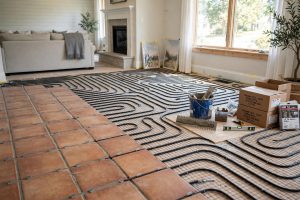
Radiant Floor Heating Installation Cost in the USA: A Complete Guide
February 26, 2026 0 views