
Introduction
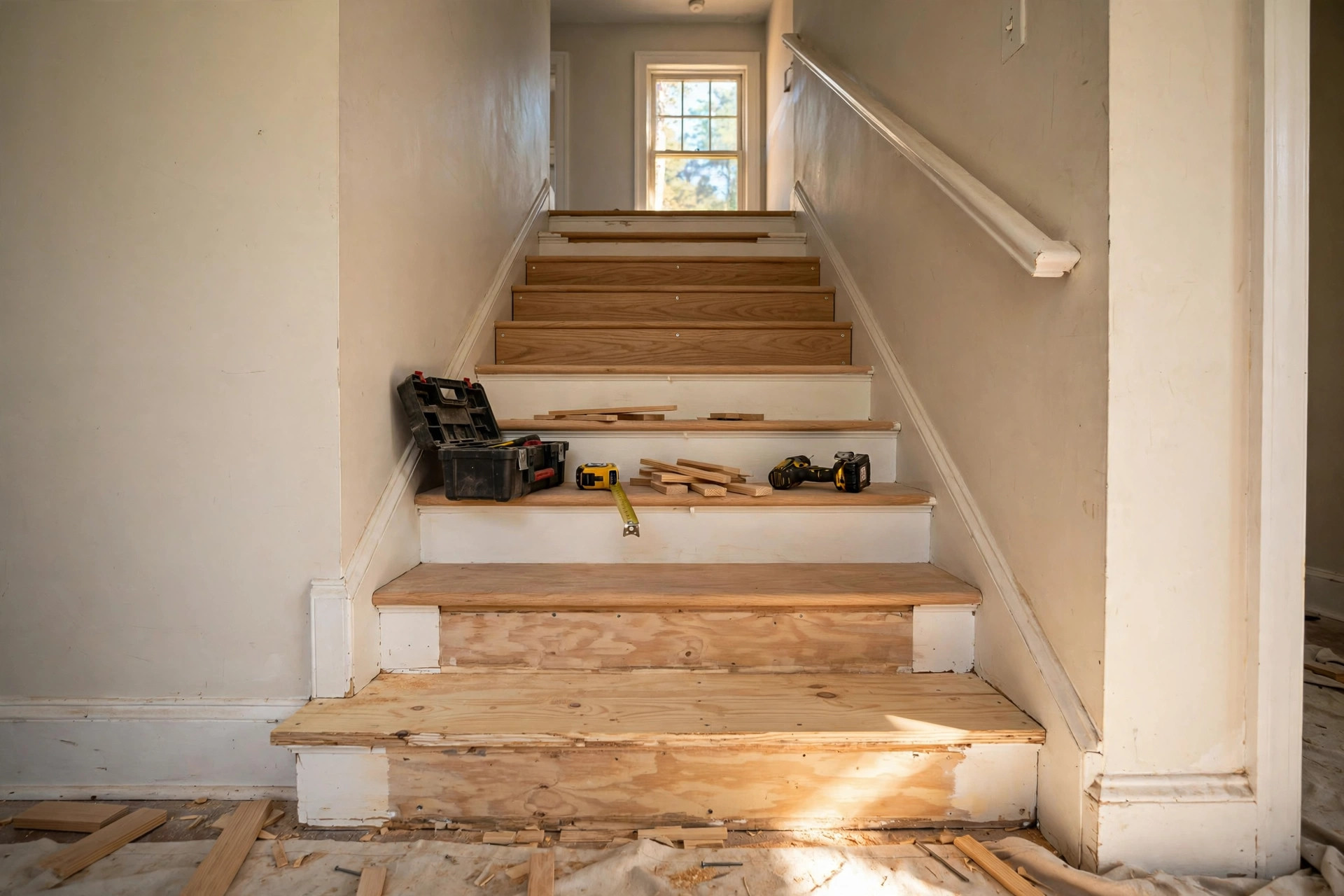
The hardwood stair treads installation cost USA families face in 2026 depends on three plain facts. First, the wood itself. Second, the labor to cut and fit each tread. Third, the shape and size of the staircase. When you add these three together, most homeowners in the United States pay between two hundred and four hundred dollars per step for a full professional job. A straight flight of thirteen steps often runs three thousand to five thousand dollars in total. Curved stairs and open risers push that number higher.
Hardwood treads matter more than they seem. The stairs carry all foot traffic between floors. Carpeted stairs hide wear, but hardwood shows it. A well-built hardwood tread lasts for decades. It takes the pounding of boots, toys, and moving day without complaint. For this reason, many owners treat the staircase as a small project with a large payoff. This guide walks through every part of the hardwood stair treads installation cost USA buyers should know before they call a contractor or open a toolbox.
Why Hardwood Stair Treads Matter: Hardwood Stair Treads Installation Cost Usa
First Impressions That Last
The staircase sits at the center of most American homes. Guests see it at once. A stair with chipped carpet or painted pine boards tells a story of wear. A stair with solid oak treads tells a story of care. Design sites like Houzz show thousands of finished stair projects, and the hardwood ones draw the most praise. Real estate agents have long said that a hardwood staircase lifts the feel of the whole entry. That lift shows up in offers.
Strength Under Foot
Stair treads take more abuse than any floor in the house. Each step takes full body weight in a small area. Solid hardwood treads, cut to a full one-inch thickness, take this load year after year. Oak, maple, and hickory rank high on the Janka hardness scale. They resist dents from heels and claws. When they do wear, they can be sanded and refinished. That is a power few other stair covers hold.
Safety and Sound
A firm tread makes a quiet stair. Loose carpet pads and thin boards squeak. Each tread sits on the riser and the stringer with glue and fasteners. The solid mass of hardwood damps the hollow knock that stairs make. A firm stair also grips better under shoe leather than a polished stone or tile edge.
What to Look For Before You Buy
Measure Every Step
Start with the tape measure. Count the treads. Count the risers. Measure the width of each step, the depth from nose to back, and the rise from tread to tread. Stairs in older homes are rarely alike. Write down each reading. The installer will use these numbers to cut the treads.
Check the Structure
Pull up a corner of the old carpet or cover. Look at the sub-treads below. Pine sub-treads with cracks or rot will not hold a new tread. The stringers on the sides must be sound. If the stair bounces, the frame needs work first. An honest contractor will say so. Frame repairs add to the total bill.
Know Your Local Codes
Most counties follow the International Residential Code for stairs. It sets the rise near seven and three-quarter inches and the run near ten inches. When you change treads, the finished heights must stay even. A lip of half an inch at one step can trip a child. Check the code book at the city office. Guides at This Old House walk through common stair code rules in plain terms. Ask the building department if a permit is needed. In many places, a simple tread replacement needs no permit. A full rebuild does.
Decide: Replace or Cover
Two paths exist. You can pull the old treads out and set new full-depth hardwood treads. Or you can lay retrofit treads, sometimes called tread caps, over the old ones. Full replacement costs more in labor. It gives a stronger stair and a cleaner edge. Retrofit caps save time and money. They raise each step by about three-quarters of an inch. That rise changes the code math.
Types of Hardwood Stair Treads
Red Oak
Red oak is the common choice. It is the same wood in most American hardwood floors. That match matters when the stairs meet the floor. Red oak takes stain well. It costs less than maple or walnut. Most mills stock red oak treads in many sizes. Retailers such as LL Flooring list standard widths online with per-tread pricing. A red oak tread in a standard width runs about twenty-five to sixty dollars at retail.
White Oak
White oak is harder and more water resistant than red oak. It has a tighter grain and a cooler tone. It takes gray and natural stains with a calm look. It costs more than red oak. Many buyers pick white oak for busy homes with pets. The dense grain hides small dents better.
Maple
Hard maple is pale, smooth, and very hard. It wears well under daily traffic. It stains unevenly, so most owners keep it light or natural. Maple pairs with modern interiors.
Hickory and Walnut
Hickory is the toughest common stair wood. It shows bold color change from light to dark. Walnut is dark, rich, and softer than oak. It scratches sooner. It gives a formal look that many owners love. Both sit at the high end of the price scale.
Engineered Treads
Engineered treads use a hardwood top layer over a plywood core. They move less with humidity than solid wood. They cost less than solid walnut or hickory. They cannot be sanded as many times. For a basement stair or a rental, they are a sound buy. Makers such as Mohawk Flooring publish care sheets that spell out how many refinishes an engineered top layer allows. If you want to compare whole-floor prices too, see our note on engineered hardwood flooring cost per square foot.
Some staircases pair wood treads with tile risers for a two-tone look. Tile makers such as Daltile sell wall and floor tile that suits riser use. The grout lines add grip to the vertical face. This style suits entries that open onto tile floors.
Retrofit Tread Caps
Tread caps are made for one job: to sit over old stairs. They come with a finished nosing and a thin back. Glue and a few screws hold them down. They come in oak, maple, and other species. They cut labor hours in half. They work best on straight stairs with sound sub-treads. Large home centers like Lowe’s stock several retrofit tread lines for common stair widths.
Cost and Price: The Full Breakdown
Material Costs
Retail treads run from twenty-five dollars to one hundred fifty dollars each. The price follows the species and the width. A standard red oak tread, forty-two inches wide, sits near the low end. A wide white oak or walnut tread, forty-eight inches or more, sits near the high end. Risers cost less. A painted poplar riser runs five to fifteen dollars. A matching hardwood riser runs fifteen to forty dollars. Add glue, screws, and shims. A full set of treads needs two tubes of construction adhesive and a box of trim screws.
Labor Costs
Labor is the largest line in the bill. A carpenter or stair specialist charges sixty-five to one hundred twenty-five dollars per hour in most states. A full tread replacement takes about one to two hours per step when the frame is sound. That math gives the per-step range of two hundred to four hundred dollars with materials. Simple cap jobs take less time. A crew can cap a straight flight in one day.
Sand-and-finish work adds cost. If the installer stains and seals the treads on site, add twenty to fifty dollars per step. Prefinished treads skip this step. They cost more at the store. They save days of waiting for finish to cure.
Total Project Ranges
For a straight flight of thirteen steps with red oak treads, full replacement, painted risers, and site finishing, most bids land between three thousand and five thousand dollars. The same stair with white oak or maple runs four thousand to six thousand five hundred dollars. A curved stair needs custom work. Prices rise to six hundred to nine hundred dollars per step.
Retrofit caps cut the bill. A thirteen-step cap job in red oak often runs one thousand five hundred to two thousand eight hundred dollars.
What Raises the Price
Open risers need special cuts. Winder steps at a turn take extra time. Stairs wider than forty-eight inches need long treads that cost more. Old homes with uneven frames need shims and filler. Each of these adds hours. Each hour adds to the bill.
What Lowers the Price
Prefinished treads cut labor. Painted risers cut material cost. A straight stair cuts fitting time. Buying treads during a store sale helps. Sale flyers and seasonal clearances can cut ten to twenty percent off the wood. Some owners pull the old carpet and paint the risers themselves. That sweat equity can save five hundred dollars or more. Before you commit, check related whole-home numbers like hardwood floor installation cost near me to plan the full budget.
Care and Upkeep
Daily and Weekly Care
Sweep the stairs with a soft broom. Dust settles in the corners where the tread meets the riser. A dry microfiber cloth picks it up. Vacuum with a soft brush head once a week.
Mopping the Right Way
Use a damp mop, not a wet one. Wood and water are poor friends. A spray mop with a wood-floor cleaner does the job. Cleaning guides at The Spruce stress the damp-mop rule for all finished wood. Pet owners should check for accidents at the stair base. A dog’s nails click on hardwood. Keep them trimmed to cut scratches. For homes with animals, our guide on best flooring for kitchens with dogs usa covers scratch-resistant choices that apply to stairs too.
Refinishing Over the Years
A site-finished tread lasts seven to ten years under normal traffic. The nosing wears first. When the sheen dulls, screen the treads with a fine abrasive and lay a fresh coat of polyurethane. Plan a full sand and refinish every fifteen to twenty years.
When to Call a Pro
Call a carpenter when a tread cracks through. Call one when the stair creaks after the nails are set. A loose newel post or rail is a safety issue. Do not wait. Small repairs cost little.
Safety
Stairs are the most common place for falls at home. The Consumer Product Safety Commission has long warned about stair falls. Keep these rules in mind during and after the job.
First, keep treads even. A rise that jumps by half an inch trips feet. Check each step with a level after the install. Second, mind the nosing. The nosing should not stick out more than the code allows. A deep lip catches toes. Third, use a runner or tread pads if the home has small children or older adults. Clear anti-slip strips work without hiding the wood. Fourth, light the stair well. A dark stair hides edges.
Dust from cutting oak can irritate lungs. Wear a mask when you cut or sand. Finish fumes need air. Open windows and run a fan. Keep children and pets out of the work zone until the finish cures.
Frequently Asked Questions
How much does it cost to install hardwood stair treads per step in the USA?
Most homeowners pay two hundred to four hundred dollars per step for full professional installation with materials. That range covers a common red oak tread, a new riser or painted riser, and site finishing. Retrofit tread caps cost less, often one hundred twenty to two hundred twenty dollars per step. Curved stairs and premium woods like walnut push past six hundred dollars per step.
Can I install hardwood stair treads myself?
A skilled do-it-yourselfer can install retrofit tread caps with basic tools. Step-by-step project plans at Family Handyman show the glue, shim, and screw sequence for a straight flight. Full tread replacement needs more skill. The cuts must be tight. If the stair turns or the frame is weak, hire a pro.
Do hardwood stair treads increase home value?
Agents report that hardwood stairs help a home show better. They match hardwood floors. They read as an upgrade. In a mid-price home, a clean hardwood stair can add a few thousand dollars to the perceived value. It rarely pays back its full cost. It almost always helps a sale move faster.
How long do hardwood stair treads last?
Solid oak or maple treads last thirty to fifty years with care. The finish wears sooner. Plan a recoat every seven to ten years and a full refinish every fifteen to twenty. A tread that cracks can be replaced alone. You need not redo the whole stair.
Should I use red oak or white oak for stair treads?
Pick the wood that matches your floors. Red oak suits most traditional homes and costs less. Flooring lines at Shaw Floors carry red oak in many stains, which makes a close match easy. White oak is harder and takes modern stains well. For heavy traffic, white oak or hickory wins. For a tight budget, red oak is the sound choice. Either way, buy treads at least one inch thick.
Is it cheaper to refinish stairs or replace the treads?
Refinishing costs less. A screen and recoat runs a few hundred dollars. A full sand and stain runs one thousand to two thousand dollars for a flight. Replacement runs three thousand to five thousand. If the old treads are sound and made of good wood, refinish.
A Short Final Word
The hardwood stair treads installation cost USA homeowners pay is fair for what they get. The stair works hard every day. Good wood, cut right and set firm, serves for decades. Get three bids. Check the frame. Match the wood to your floors.
References
Daltile. (n.d.). Ceramic and porcelain tile. https://www.daltile.com Family Handyman. (n.d.). DIY home repair and maintenance. https://www.familyhandyman.com Houzz. (n.d.). Home design and remodeling. https://www.houzz.com LL Flooring. (n.d.). Hardwood, vinyl, and tile flooring. https://www.llflooring.com Lowe’s. (n.d.). Home improvement products. https://www.lowes.com Mohawk Flooring. (n.d.). Flooring products. https://www.mohawkflooring.com Shaw Floors. (n.d.). Flooring products. https://www.shawfloors.com The Spruce. (n.d.). Home and garden advice. https://www.thespruce.com This Old House. (n.d.). Home renovation guidance. https://www.thisoldhouse.com
Was this guide helpful?

About Lisa Anderson
The My Garden US editorial team writes practical, in-depth home and garden guides for American homeowners — tested advice, no fluff.
You May Also Like
Best Carpet Cleaner for Pet Stains USA: A Complete 2026 Guide
June 22, 2026 0 views
Peel and Stick Floor Tile Over Concrete USA: A Simple Guide
August 8, 2026 0 views
Trex vs TimberTech Decking Comparison for USA Homeowners
June 20, 2026 0 views