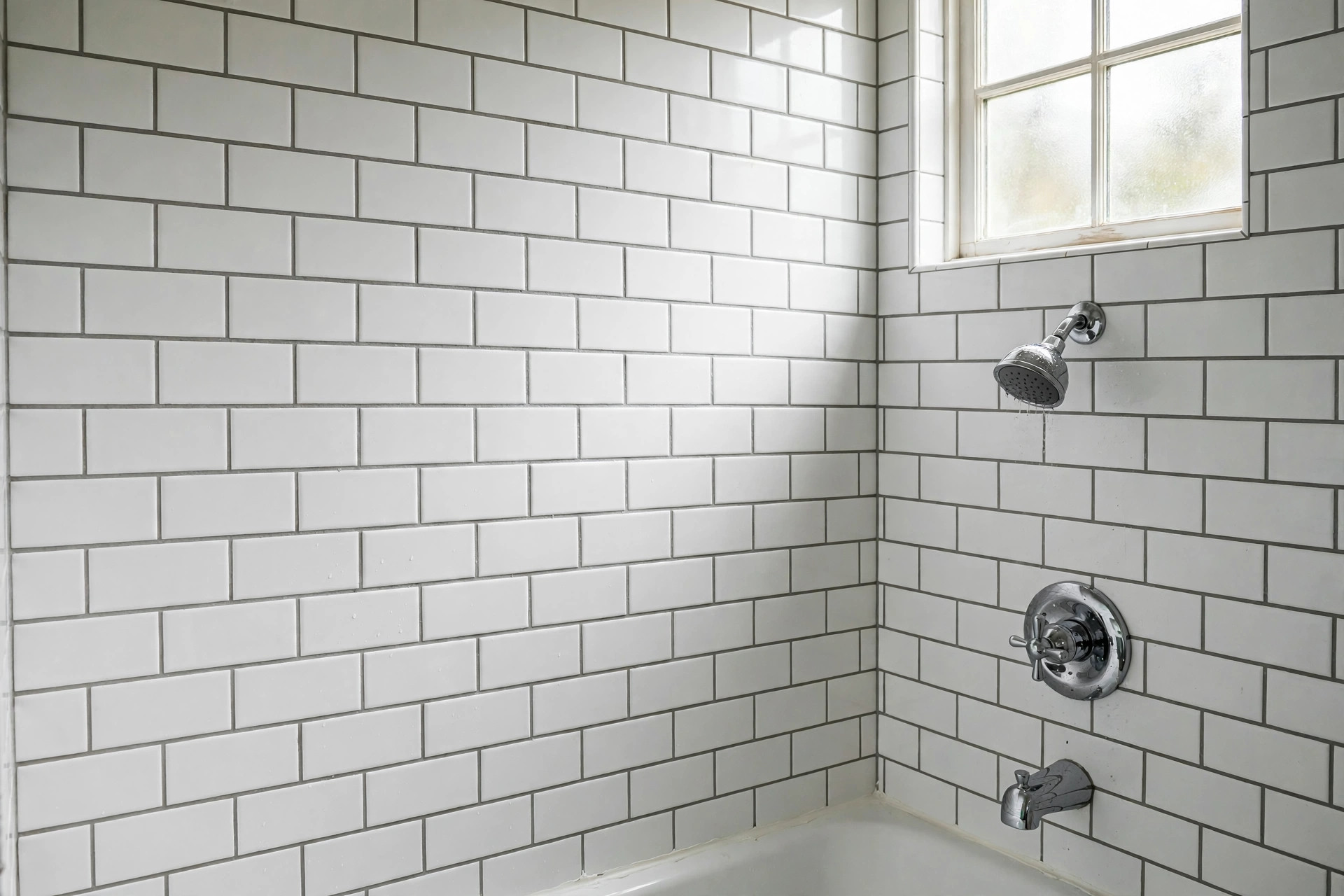

Grout is the thin line of paste that sits between shower tiles. It keeps water out and holds the tiles in place. Over time it can crack, stain, and crumble. When that happens, water can seep behind the tile. Regrouting is the fix. It means removing the old grout and pressing new grout into the joints. It is far cheaper than tearing out the whole shower.
Many people ask about regrouting shower tile cost near me before they call a contractor. They want a fair price and a clean job. This guide explains what regrouting costs, what drives the price up or down, and how to find a good tile worker in your area. The numbers here are typical ranges for the United States. Your town may differ a little.
Why Regrouting Your Shower Matters
A shower takes a beating every day. Hot water, soap, and steam wear down grout faster than almost any other surface in the house. Once grout cracks, water finds a path. Behind the tile there is often drywall or cement board. Water can rot wood and feed mold. A small crack can turn into a costly repair if it is ignored for years.
Regrouting fixes the seal without replacing the tile. The tile stays. The old grout goes. New grout goes in. The shower looks fresh again, and the wall behind it stays dry. Many homeowners regrout every five to ten years. In a busy family bathroom, the lower half of the shower may need it sooner.
There is also the matter of looks. Old grout turns yellow, gray, or pink from soap and hard water. New grout makes the whole bathroom feel clean. For a fraction of the cost of a full remodel, the shower can look brand new. That is why regrouting is one of the most common small tile jobs in American homes.
What Regrouting Means and How It Works: Regrouting Shower Tile Cost near Me
Regrouting is a simple job with careful steps. First, the worker removes the old grout. A grout saw or a rotary tool cuts the old material out of the joints. The worker takes out about two thirds of the depth. The tile edges stay in place. This step makes dust, so the area gets covered.
Next, the worker cleans the joints. Any loose crumbs come out. The tile gets wiped down. Then new grout is mixed to a thick paste. It is pressed into the joints with a rubber float. The worker pushes it deep so no air pockets remain. Excess grout is wiped off the tile face with a damp sponge.
Finally, the grout must cure. Most grout needs 24 to 72 hours before heavy water use. A sealer may go on after the cure. The job is not hard, but it is slow. A small shower can take half a day. A large shower with glass tile can take two days.
Types of Grout You Can Choose
Not all grout is the same. The type you pick affects cost, durability, and how the job ages.
Sanded cement grout. This is the old standard. It has fine sand mixed in for strength. It suits joints wider than one eighth of an inch. It is the cheapest option. It can stain and may need sealing each year. If you want a side-by-side look at materials, an epoxy grout versus cement grout comparison can help you weigh the trade-offs.
Unsanded cement grout. This is a smooth paste with no sand. It suits narrow joints and delicate tile like polished marble. It costs about the same as sanded grout. It is also prone to staining.
Epoxy grout. This is made from resin and hardener. It is very hard and nearly waterproof. It resists stains, mold, and harsh cleaners. It costs two to three times more than cement grout. It is harder to install, so labor may cost more too. Many tile pros like it for showers.
Pre-mixed grout. This comes ready to use in a bucket. It is easy for small jobs. It costs more per pound than dry powder. It is a good choice for a quick repair of a few joints.
Your tile worker can advise which type fits your tile and your budget. For a shower, epoxy grout or a sealed cement grout are the two most common picks. If you plan to seal cement grout after the job, the best grout sealer for bathroom tile makes a real difference in how long the work lasts.
Regrouting Shower Tile Cost: Price Ranges
Now the main question. How much does it cost to regrout a shower? Most homeowners in the United States pay between $300 and $1,000 for a standard shower regrout. A small stall shower often lands near $300 to $500. A large walk-in shower with lots of joints can run $600 to $1,000 or more.
Some workers charge by the square foot. Rates often run $4 to $12 per square foot of tile surface. This includes removing old grout, cleaning, and setting new grout. Materials are usually a small part of the bill. Labor is the big share. A tile worker may also set a minimum charge, often $150 to $250, just to come out.
If you only need a small repair, say a few cracked joints, the price may be $100 to $250. Full shower regrouting costs more because every joint gets done. Some companies also add a trip fee in rural areas. Ask about that when you call.
Epoxy grout adds to the price. The material costs more, and the labor takes more skill. Expect to pay $200 to $400 extra for epoxy over standard cement grout on a full shower. Many owners feel the longer life is worth it.
What Affects the Cost Most
Several factors move the price up or down.
Shower size. More tile means more joints to clean and fill. A tub surround with tile halfway up the wall costs less than a floor-to-ceiling walk-in shower.
Tile type. Small mosaic tile has many joints. That means more labor. Large format tile has fewer joints and goes faster. Glass tile and natural stone need extra care, which adds time.
Condition of old grout. If the grout is very hard or very deep, removal takes longer. If tiles are loose, they must be reset. Loose tile repair may add $50 to $150 per tile.
Grout type. As noted, epoxy costs more than cement grout. Pre-mixed specialty grouts sit in the middle.
Your location. Big cities and coastal areas tend to charge more. Small towns and rural areas often charge less. Labor rates differ a lot by state.
Access and prep. A shower that is hard to reach, or one with heavy mold, takes more prep time. Mold treatment may be a separate line item.
When you ask about regrouting shower tile cost near me, give the worker the shower size and tile type. A photo helps too. The more detail you share, the more accurate the quote will be.
Do It Yourself or Hire a Pro
Some homeowners regrout their own shower. The materials are cheap. A bag of grout, a grout saw, a float, and a sponge may cost $50 to $100. Many how-to guides exist from trusted home sites such as This Old House and The Spruce. If you are handy and patient, a small shower is a fair weekend project.
But there are risks. Removing grout with a power tool can chip tile edges. Pressing grout unevenly leaves hollow spots. Using too much water when wiping can weaken the grout. If the job goes wrong, a pro must fix it, and that costs more than hiring one first.
Hire a pro when the shower is large, the tile is costly, or the old grout is very stubborn. Also hire one if you see loose tiles or soft spots in the wall. Those signs may mean water damage behind the tile. A pro can judge whether regrouting is enough or a bigger repair is needed.
A middle path exists. You can remove the old grout yourself and hire a pro to set the new grout. Some workers offer a lower rate for that. Ask when you call.
How to Get a Fair Quote Near You
Start by finding two or three tile workers or tile regrouting services in your area. Reading tile regrouting service reviews from nearby customers is a good first step. Ask friends or neighbors who they used. Local hardware stores can also point you to trusted pros. Big retailers such as The Home Depot and Lowe’s offer installation services in many areas, and tile specialists like Daltile can help you find local dealers who know tile work well.
Ask each worker for a written quote. The quote should list the shower size, the grout type, and whether sealing is included. Ask these questions:
– How will you remove the old grout? – What type of grout will you use? – Is grout sealing included in the price? – How long before I can use the shower? – Do you guarantee the work, and for how long?
Compare the quotes line by line. The cheapest bid is not always the best. A very low bid may skip the sealer or rush the removal. A clear, detailed quote is a good sign. Also check that the worker carries insurance. For product background on tile and grout materials, flooring makers such as Shaw Floors, Mohawk Flooring, and LL Flooring publish useful guides on tile care and upkeep.
Get the start date in writing. Ask how the worker will protect the tub, the floor, and nearby fixtures from dust. A careful pro will cover everything before the first cut.
Care and Upkeep After Regrouting
New grout needs a little care to last. Wait the full cure time before using the shower. Your worker will tell you the exact hours. Do not use harsh acid cleaners on new grout. Mild soap and a soft brush are best.
Vent the bathroom well. Run the fan during and after each shower. Less steam means less mold. Squeegee the tile walls after use if you can. It takes ten seconds and keeps soap film off the grout.
Reseal cement grout once a year, or as the sealer maker directs. Epoxy grout does not need sealing. Watch the joints twice a year for small cracks. Catching a crack early lets you patch it before water gets in.
If you see pink or orange film, that is usually soap-loving bacteria, not mold. A mix of baking soda and water with a soft brush removes it. Avoid bleach on colored grout. Bleach can fade the color.
Safety Notes
Grout removal makes fine dust. Wear a dust mask and safety glasses if you do any part of the job yourself. Keep the bathroom door open and the fan running. If a pro does the work, keep children and pets out of the room until the dust is cleaned.
Old grout in homes built before 1980 may sit near old materials that contain hazards. If your bathroom is very old and you suspect lead paint or asbestos in nearby materials, have the area tested before any cutting begins. A pro will know the local rules.
Wet tile is slippery. Lay a mat outside the shower during the work. After regrouting, test the floor grout for grip before daily use. If the shower floor feels slick, ask about a non-slip treatment.
Frequently Asked Questions
How long does shower regrouting take? A small shower often takes four to six hours of work plus cure time. A large shower can take one to two days. Most grout needs 24 to 72 hours to cure before heavy water use. Your worker will give you the exact wait time for the grout type used.
How much does it cost to regrout a shower per square foot? Most pros charge $4 to $12 per square foot of tile surface for full regrouting. The rate covers removal, cleaning, and new grout. Epoxy grout and small mosaic tile push the rate toward the high end.
Is regrouting worth it, or should I re-tile? Regrouting is worth it when the tile is in good shape and firmly set. It costs a fraction of a full re-tile. Re-tile makes sense when many tiles are loose, the wall behind is damaged, or you want a new look. A pro can tell you which path fits.
Can I regrout over old grout? No. New grout needs a clean joint to grip. Laying new grout over old grout leads to poor bond and early failure. At least two thirds of the old grout depth should be removed first.
How often should shower grout be replaced? Most showers need regrouting every five to ten years. Busy family bathrooms may need it sooner. Yearly sealing and gentle cleaning stretch the life of cement grout.
Does regrouting fix a leaking shower? Regrouting fixes leaks caused by cracked or missing grout. It does not fix leaks from bad plumbing, a failed shower pan, or a broken waterproof layer behind the tile. If water still leaks after regrouting, call a plumber or a tile contractor for a deeper look.
A Final Word
Regrouting a shower is a small job with a big payoff. It seals out water, stops mold at its source, and makes the bathroom look new. The typical regrouting shower tile cost near me searches show prices of $300 to $1,000 for most homes. Get two or three written quotes, pick the right grout, and keep up with sealing and cleaning. Your shower will thank you for years.
References
Daltile. (n.d.). Ceramic and porcelain tile. https://www.daltile.com LL Flooring. (n.d.). Hardwood, vinyl, and tile flooring. https://www.llflooring.com Lowe’s. (n.d.). Home improvement products. https://www.lowes.com Mohawk Flooring. (n.d.). Flooring products. https://www.mohawkflooring.com Shaw Floors. (n.d.). Flooring products. https://www.shawfloors.com The Home Depot. (n.d.). Home improvement products. https://www.homedepot.com The Spruce. (n.d.). Home and garden advice. https://www.thespruce.com This Old House. (n.d.). Home renovation guidance. https://www.thisoldhouse.com
Was this guide helpful?

About Lisa Anderson
The My Garden US editorial team writes practical, in-depth home and garden guides for American homeowners — tested advice, no fluff.
You May Also Like
Best Carpet Pad for Concrete Slab USA: A Complete Buying Guide
March 19, 2026 0 views
Best Tile for Mudroom Floor: Reviews for American Homes
August 1, 2026 0 views
Trex vs TimberTech Decking Comparison for USA Homeowners
June 20, 2026 0 views