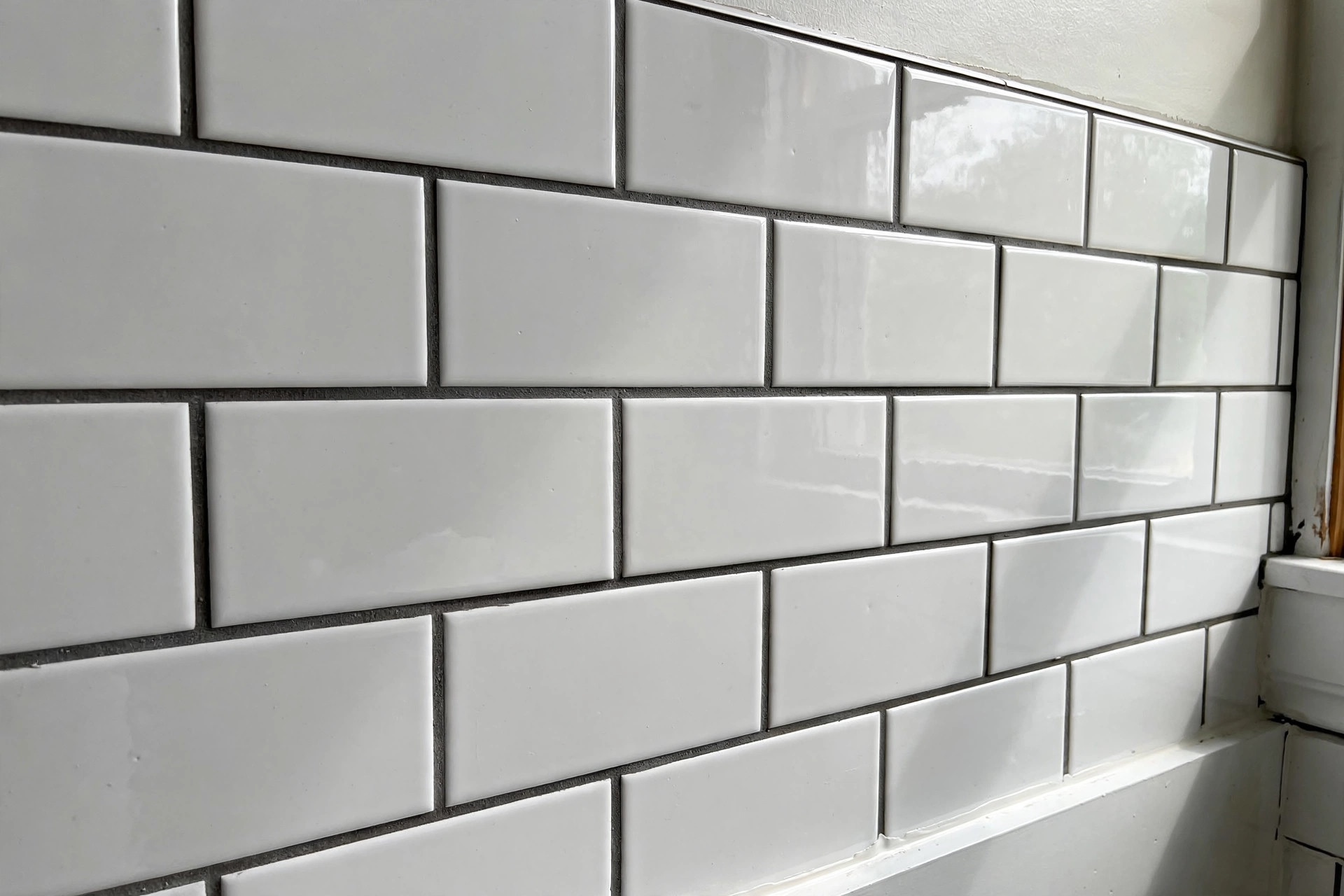

When a homeowner plans new tile, the tile itself gets all the attention. The color, the size, the pattern. Few people think much about the grout. That is a mistake. Grout fills the joints between tiles, and it decides how the floor or wall will stand up to water, stains, and daily use. This article gives a full epoxy grout vs cement grout comparison usa readers can trust. It covers what each grout is, how they differ in the ways that matter, what each one costs, and how to choose the right one for a kitchen, a bathroom, or a shower.
Why the Grout Decision Matters
Grout does more than hold tiles together. It seals the gaps against water. It gives the surface its finished look. And it takes the daily punishment that tiles do not. Mops, shoes, soap, steam, cooking grease, and pet accidents all meet the grout first.
The wrong grout shows itself in months. Light-colored grout in a busy hallway turns gray. Shower grout grows dark spots that scrubbing cannot lift. Cracked joints let water creep under tile, and that can rot a subfloor or feed mold. The right grout, matched to the job, can last for decades with little care.
American homes place special demands on grout. Many kitchens run hard every day. Many bathrooms stay humid for hours. Entry halls drag in road salt in northern states and sand in coastal ones. A homeowner doing an epoxy grout vs cement grout comparison usa study for their own project should weigh these local conditions before choosing.
What Cement Grout Is: Epoxy Grout vs Cement Grout Comparison Usa
Cement grout, also called cementitious grout, is the older and more common type. It is made of Portland cement, fine sand, and water, with small amounts of polymers and color pigments added. The installer mixes a dry powder with water until it reaches the texture of peanut butter. Then the installer spreads it across the tile with a rubber float, pressing it into the joints.
There are two main kinds of cement grout. Sanded grout contains sand, and it is used for joints wider than about one-eighth of an inch. The sand gives it strength and keeps it from shrinking. Unsanded grout has no sand, and it is used for narrow joints in polished stone or delicate glazed tile, where sand might scratch the surface.
Cement grout sets by drying. The water leaves the mixture, and the cement hardens into a solid. Once set, it is hard and rigid. It bonds well to tile edges and to the surface below. It is forgiving to work with. A careful do-it-yourself worker can grout a whole backsplash in a weekend.
The drawback of cement grout is that it is porous. Even after it hardens, tiny holes remain in the material. Those holes drink in water, soap, oil, and dirt. A sealant coat can close the holes, but the sealant wears off over time. Most experts recommend resealing cement grout once a year. Few homeowners keep that schedule.
What Epoxy Grout Is
Epoxy grout is a different material entirely. It is made of epoxy resins and a hardener powder, mixed together on the job just before use. There is no cement in it at all. The resin and hardener react chemically, and the grout cures into a hard plastic that is dense and nearly nonporous.
Because it has almost no pores, epoxy grout does not absorb water or stains. Red wine, coffee, cooking oil, and soap scum wipe off its surface instead of sinking in. It does not need a sealer. It does not feed mold the way damp cement grout can. For these reasons, tile setters have used it for years in commercial kitchens, hospitals, and swimming pools, where clean joints matter most.
Epoxy grout is harder to install. It sets fast, sometimes within an hour, and it sticks to tile faces as well as to joints. The installer must clean each section at once, before the resin hardens on the tile. A mistake can leave a hazy film that is hard to remove. For this reason, many pros say epoxy grout is a two-person job, or a job best left to experienced hands. It also costs more per bag than cement grout, and it demands more labor time.
Side-by-Side Comparison
Here is the epoxy grout vs cement grout comparison usa homeowners ask for most, point by point.
Stain Resistance
Epoxy grout wins by a wide margin. Its sealed surface resists nearly all household stains. Cement grout absorbs liquids unless it is freshly sealed. In a kitchen behind a stove or a shower floor that sees soap and shampoo daily, the difference shows within the first year.
Water Resistance
Epoxy grout is effectively waterproof. Cement grout resists water but does not block it fully. Over time, moisture can pass through cement joints and reach the setting bed beneath. A waterproofing membrane under the tile, which good installers use in showers, handles most of this risk. Still, epoxy adds a real layer of protection.
Durability and Crack Resistance
Both grouts are hard once cured. Epoxy grout holds an edge in impact resistance and stays put in joints that see heavy traffic. Cement grout can crack if the floor flexes or if the house settles, though cracks in the grout usually point to a movement problem below the tile. Neither grout fixes a bad subfloor.
Color Stability
Epoxy grout keeps its color for years. Cement grout can fade or change tone, especially if the mix water was uneven or if cleaning products are harsh.
Ease of Installation
Cement grout is the clear winner for ease. It mixes with water, spreads slowly enough for a beginner to work, and cleans up with plain water and a sponge. Epoxy grout sets quickly and needs swift, careful cleaning. Most first-time tile setters should start with cement grout or hire a pro for epoxy.
Mold and Mildew
Neither grout is fully mold-proof, but epoxy grout resists mold growth far better. Mold feeds on soap and moisture trapped in pores. With fewer pores, epoxy gives mold little to live on. Cement grout in a steamy shower can develop dark spots unless it is cleaned and dried often.
How to Choose for Each Room
The right choice depends on the room and how it is used.
Kitchens
Kitchens meet grease, food spills, and daily mopping. Epoxy grout shines on a kitchen floor or behind a range, where tomato sauce and frying oil land. For a simple backsplash that sees light splashes, cement grout sealed well is fine and costs less. Many homeowners match the grout to the flooring in the room, so a waterproof vinyl flooring for kitchen reviews search often runs beside the grout decision.
Bathrooms and Showers
Showers are the strongest case for epoxy grout. Constant water, soap, and shampoo wear cement grout down fast. Steam rooms and bench seats in showers do best with epoxy. For dry bathroom walls outside the splash zone, cement grout works well and saves money.
Floors and Entryways
High-traffic floors punish grout. Muddy boots, pet paws, and grit grind into joints. Epoxy grout holds its color and wipes clean in these spots. In a low-traffic powder room, cement grout is plenty.
Walls and Decorative Tile
On walls that stay dry, cement grout is the easy choice. It is simple to spread on vertical tile, easy to shape, and easy to clean up. The savings on labor are real.
Outdoor Use
Tile on patios and porches faces rain, freeze, and thaw. Epoxy grout stands up to weather better than cement grout. For covered porches with tile, also think about the surrounding surface: many homeowners pair their tile work with research like best flooring for three season porch usa to keep the whole space consistent.
Cost and Price in the USA
Price is where many homeowners make their final call. Cement grout is cheap. A bag that covers a medium bathroom often costs under twenty dollars. Sealant adds a small extra cost. Labor for cement grout is straightforward.
Epoxy grout costs several times more per unit. The materials for the same bathroom might run well over one hundred dollars. Labor is higher too, because the work goes slower and needs more skill. For a whole house of tile floors, the gap can run into thousands of dollars.
That said, cost should be weighed against upkeep. Epoxy grout needs no sealer and less scrubbing. Cement grout needs resealing every year or two and deeper cleaning. Over ten or fifteen years, the maintenance savings narrow the gap, especially in kitchens and showers. A fair epoxy grout vs cement grout comparison usa homeowners trust should count lifetime cost, not just the day-one bill.
Homeowners comparing quotes should ask installers to price both options side by side. Ask what the grout brand is, whether the price includes sealer for cement grout, and how the crew handles epoxy cleanup. Product lines and current prices are easy to check at big home centers such as Home Depot and Lowe’s.
Care and Upkeep
Cement grout asks for steady care. Seal it after installation and again each year. Clean it with a pH-neutral tile cleaner. Avoid bleach and harsh acids, which can eat the surface and lighten the color.
Epoxy grout asks for far less. Routine mopping or wiping with a mild cleaner keeps it looking new. Do not use abrasive pads on glossy epoxy joints, since heavy scouring can dull the finish.
If cement grout stains badly, a grout colorant can refresh it. Colorants are like paint for grout lines. They bond to the surface and give old joints a new color. This is a weekend project that costs far less than regrouting.
Regrouting is the last resort for both types. It means grinding out the old joints and laying new grout. For cement grout, a power grout saw and patience do the job. For epoxy grout, removal is much harder, because the cured resin is so tough. That is one more reason to pick the right grout the first time.
Safety
Both grouts are safe once cured. The risks come during installation.
Cement grout powder contains silica dust. Breathing it over years can harm the lungs. Wear a dust mask when mixing and sweeping. Wear gloves, since wet cement can irritate skin. Ventilate the room well.
Epoxy grout carries a different risk. The resin and hardener can irritate skin and eyes, and the fumes can bother the lungs. Wear gloves, safety glasses, and a respirator rated for chemical vapors. Some people develop a skin sensitivity to epoxy after repeated exposure, so pros who grout with epoxy every week take this seriously.
Wet grout also makes tile slippery during installation. Keep the work area clear, and keep children and pets out until the job is done and the surface is dry. Consumer and safety resources such as Consumer Reports and practical guides like The Spruce offer more on choosing low-dust and low-odor products.
Frequently Asked Questions
Can I use epoxy grout over old cement grout?
No. Epoxy grout cannot be spread on top of old grout. The old joints must be ground out to a proper depth first. Then the new epoxy grout can go in. Many homeowners skip this heavy step and choose a grout colorant instead.
Does epoxy grout ever need sealing?
No. That is one of its main selling points. The cured resin is already sealed by its nature. Adding a sealer on top does nothing useful and can cause hazing.
Which grout is better for a shower floor?
Epoxy grout is the better pick for most shower floors. It stands up to constant water and soap, and it does not grow the dark stains that plague cement grout in showers. The higher cost is worth it in this one spot even if the rest of the bathroom uses cement grout.
Is epoxy grout safe for food areas?
Yes. Cured epoxy grout is nonporous and easy to sanitize, which is why commercial kitchens use it. It is fine for a home kitchen floor or backsplash. Just make sure the product is rated for interior use and follow the cure times on the package.
How long does each grout last?
With good care, cement grout lasts many years, though it may need resealing and touch-ups along the way. Epoxy grout often lasts the life of the tile itself with little attention. In both cases, a stable subfloor and a proper waterproofing membrane matter more than the grout choice alone.
Can a beginner install epoxy grout?
It is not recommended. The fast set time and sticky resin punish mistakes. A beginner should practice with cement grout on a small project first. If the budget allows, hire a tile setter who has done epoxy work before, and ask to see photos of past jobs.
A Short Final Word
There is no single winner in the epoxy grout vs cement grout comparison usa homeowners face. Epoxy grout wins on stains, water, and upkeep. Cement grout wins on price and ease. The smart move is to match the grout to the job. Use epoxy where water, grease, and traffic are heaviest, such as showers and kitchen floors. Use cement where the work is dry and the budget matters, such as bedroom walls and simple backsplashes.
Whichever grout is chosen, the basics still decide the result. A flat, stable floor. A proper waterproofing membrane in wet areas. Joints of even width. Careful mixing and full cure time. Get those right, and either grout will serve a home well for years.
Shoppers can compare grout lines, colors, and tools at major flooring retailers and advice sites, including DalTile, Mohawk Flooring, Shaw Floors, LL Flooring, and This Old House. For outdoor tile on upper levels, projects often run alongside guides such as best deck tiles for rooftop deck usa.
References
Consumer Reports. (n.d.). Product reviews and ratings. https://www.consumerreports.org Daltile. (n.d.). Ceramic and porcelain tile. https://www.daltile.com LL Flooring. (n.d.). Hardwood, vinyl, and tile flooring. https://www.llflooring.com Lowe’s. (n.d.). Home improvement products. https://www.lowes.com Mohawk Flooring. (n.d.). Flooring products. https://www.mohawkflooring.com Shaw Floors. (n.d.). Flooring products. https://www.shawfloors.com The Home Depot. (n.d.). Home improvement products. https://www.homedepot.com The Spruce. (n.d.). Home and garden advice. https://www.thespruce.com This Old House. (n.d.). Home renovation guidance. https://www.thisoldhouse.com
Was this guide helpful?

About Lisa Anderson
The My Garden US editorial team writes practical, in-depth home and garden guides for American homeowners — tested advice, no fluff.
You May Also Like

Handmade Subway Tile for Kitchen Reviews USA
July 27, 2026 0 views
Saltillo Tile for Kitchen Floor Reviews: A USA Buyer’s Guide
April 19, 2026 0 views
Non Slip Rug Pad for Tile Reviews USA: A Practical Buying Guide
March 28, 2026 0 views