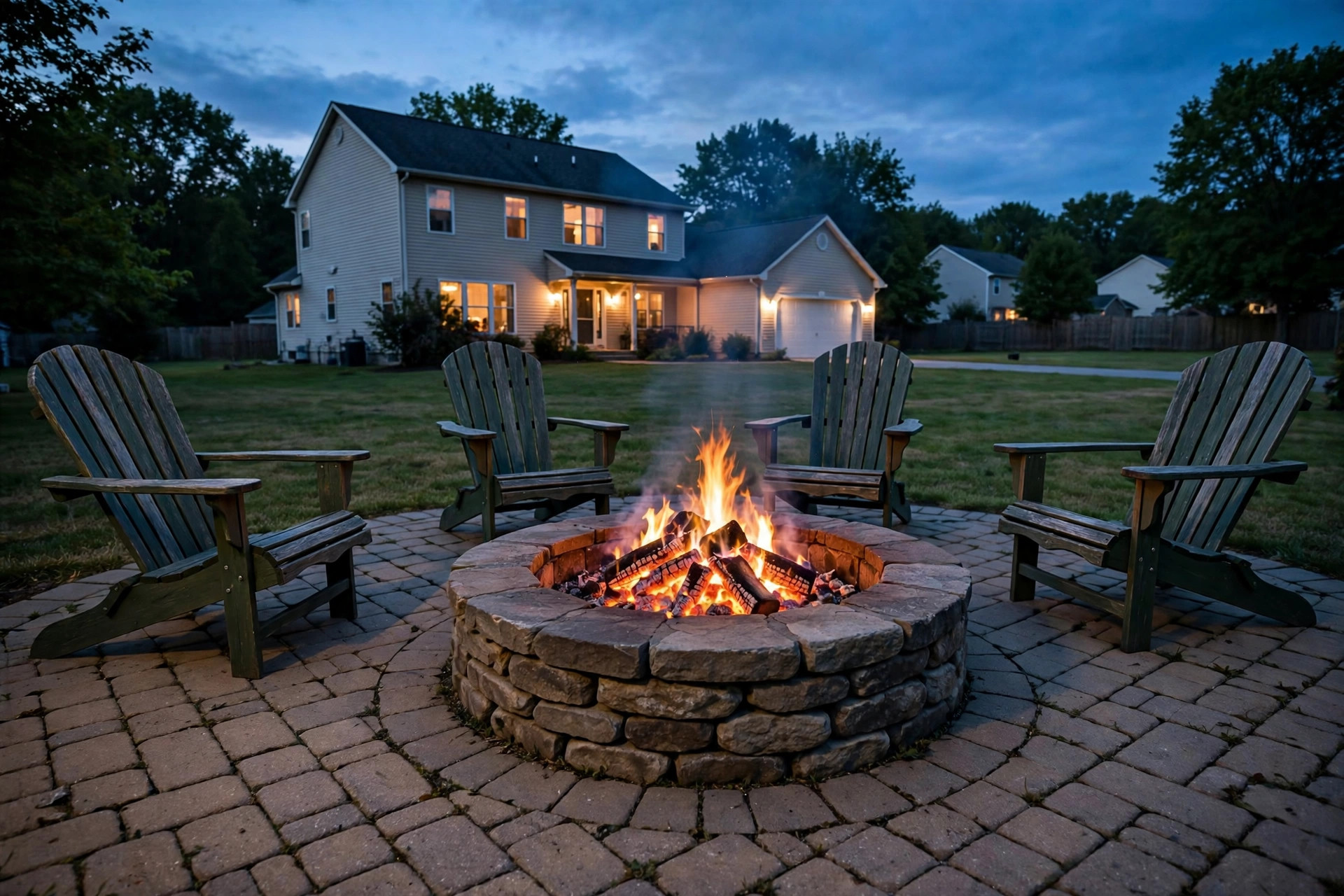
Many families across the United States want a fire pit for the backyard. The market is full of choices, and prices swing wide. This outdoor fire pits price comparison USA guide lays out the numbers in plain terms. A basic steel bowl may cost less than one hundred dollars. A built-in stone unit can run into the thousands. Fuel type, size, and build quality drive the price. This article walks through each kind, so the reader can shop with a clear head.
Why an Outdoor Fire Pit Matters
A fire pit does more than give heat. It gives a place to sit on a cool night. It gives children a spot for marshmallows. It gives friends a reason to stay outside longer. In many American towns, the backyard is the second living room during the mild months of the year. A fire pit turns that room into a gathering place.
The value also shows in the home itself. Real estate agents often say that a good outdoor living space adds charm to a listing. Buyers picture evenings by the fire. Even a modest pit can make a yard feel finished. The trick is to buy the right one at the right price, and that starts with knowing what each type costs.
How to Choose the Right Fire Pit: Outdoor Fire Pits Price Comparison Usa
Start With Size and Space
Measure the yard before shopping. A fire pit needs clear space around it, often ten feet or more in every direction. Small patios suit tabletop or compact bowl models. Large yards can hold a full-size stone ring. Local rules may set limits on open flames, so check with the town or county first. Some neighborhoods ban wood burning but allow gas.
Pick a Fuel Type That Fits Your Life
Wood is classic and cheap to burn, but it makes smoke and sparks. Propane lights fast and burns clean, but the tank must be refilled. Natural gas needs a gas line, which raises the setup cost but lowers the running cost. Electric models exist but are rare outdoors. The fuel choice is the single biggest driver in an outdoor fire pits price comparison USA, so settle it early.
Types of Outdoor Fire Pits and Their Prices
Wood-Burning Fire Pits
Wood-burning pits are the oldest kind and often the cheapest to buy. A plain steel bowl with legs can cost between sixty and one hundred fifty dollars. Cast iron models run a bit higher, often one hundred fifty to four hundred dollars. They hold heat well and look handsome on a patio. The trade-off is smoke and ash. The buyer must also buy or cut firewood, and sparks can be a worry in dry areas. A spark screen is a cheap fix, usually fifteen to thirty dollars, and it stops most stray embers. Wood pits also ask more of the owner. The fire must be watched, and the wood must be kept dry under a tarp or in a small rack. For readers who want to dress up a hearth indoors instead, a high efficiency gas log set is a different kind of buy with its own price range.
Smokeless Fire Pits
Smokeless pits are a newer style with double walls and air holes. They reburn the smoke before it escapes. Prices usually fall between two hundred and six hundred dollars, with well-known brands at the higher end. They still burn wood, but they make less smoke and fewer stray sparks. The catch is the cost. A smokeless pit can cost two or three times more than a plain steel bowl of the same size. Many owners say the cleaner burn is worth it, especially in neighborhoods where smoke drifts into nearby windows.
Propane Fire Pits
Propane pits burn from a tank hidden in the base or in a side table. A small tabletop model can cost between one hundred and two hundred fifty dollars. Full-size propane fire tables run from four hundred to over two thousand dollars. The wide range reflects materials. A steel table with a simple burner sits at the low end. A concrete or stone table with glass wind guards sits at the high end. Buyers should also note the burner rating, given in BTU. A higher BTU rating means more heat, but it also uses fuel faster. Most home patios do well with forty thousand to sixty thousand BTU. Propane costs more to run than wood, but the flame starts with one switch and shuts off just as fast.
Natural Gas Fire Pits
Natural gas pits connect to the home gas line. The pit itself often costs between five hundred and two thousand five hundred dollars. The real expense is the gas line. A plumber may charge five hundred to two thousand dollars to run a line to the yard, depending on the distance. Once it is in place, the fuel is the cheapest of the gas options. There is no tank to fill and no wood to haul. These units suit buyers who plan to stay in the home for years and want a built-in look.
Portable and Tabletop Models
Portable pits and tabletop fire bowls fill the low end of the market. Prices run from forty to three hundred dollars. They suit renters and small balconies. Some run on small propane canisters. Others burn gel fuel cans. They give less heat than full-size pits, but they also cost far less and can be stored in winter. For a first try at outdoor fire, a portable model is a low-risk buy.
Cost and Price: The Full Comparison
Put side by side, the ranges are clear. Wood-burning steel bowls cost roughly sixty to one hundred fifty dollars. Cast iron wood pits run one hundred fifty to four hundred. Smokeless designs cost two hundred to six hundred. Propane fire tables run four hundred to two thousand and up. Natural gas units run five hundred to two thousand five hundred, plus line work.
Beyond the sticker price, the buyer should weigh running costs. A bundle of firewood may cost five to ten dollars at the store. A twenty-pound propane tank costs about twenty to twenty five dollars to refill and may last eight to ten evenings. Natural gas costs pennies per hour. Over five years, the cheapest pit to buy is often not the cheapest to own.
Warranties also shape the true cost. A pit with a one-year warranty may cost less up front, but a failed burner pan in year two means a new unit. Brands that offer three or five years on burners and frames give real savings over time. Buyers should read the warranty card before they buy, not after a part breaks.
Installation adds more. A wood pit needs only a fire-safe spot. A propane unit may need a hose kit or a buried tank line. A natural gas unit needs a licensed plumber in most states. Built-in stone or concrete pits need a mason, and a full stone fire pit project can reach three thousand to six thousand dollars with labor. Retailers like The Home Depot and Lowe’s list many models with delivery options, which helps shoppers compare real prices.
Care and Upkeep
Every fire pit needs basic care. Steel pits rust if left wet, so a fitted cover is a wise buy at twenty to fifty dollars. Cast iron needs the same care plus a coat of heat-resistant paint now and then. Ash should be scooped out after each use once it cools. Gas burners need their jets checked for cobwebs and dirt each spring. A quick look at Family Handyman project pages can help owners plan seasonal chores.
Store small parts indoors in winter. Gas tanks should never be stored inside the home. A cover keeps water out of the burner pan. With plain care, a steel pit can last five to eight years. A well-built stone or concrete unit can last decades.
Glass wind guards and lava rock also need care. Wipe the glass with a damp cloth after it cools, and pick out leaves from the lava rock each month. Lava rock does not wear out, but it holds water, so keep the pit covered in rain. Small habits like these keep the flame clean and the parts working for years.
Safety
Fire safety comes first. Keep the pit at least ten feet from the house, the fence, and low branches. Never leave a fire burning without an adult watching. Keep a garden hose or a bucket of sand close by. Check local burn rules before lighting wood, since many counties ban open burning in dry months. The U.S. Environmental Protection Agency publishes burn-wise guidance on cleaner outdoor burning. Product safety tips are also available from the U.S. Consumer Product Safety Commission.
Gas units have their own rules. Check hoses and fittings for leaks each season with soapy water. Never move a lit gas pit. Shut the tank valve off after each use. If the flame smells wrong or burns yellow and sooty, shut it down and clean the burner. A blocked burner can pour out raw gas, so do not guess at the cause. Children and pets should stay at least three feet back from the edge.
Frequently Asked Questions
What is the cheapest outdoor fire pit in the USA? A plain steel wood-burning bowl is usually the cheapest. Many sell for sixty to one hundred fifty dollars at large stores. They are simple and light, but they rust over time without a cover.
Is a propane or wood fire pit cheaper to run? Wood is cheaper per evening if the buyer has a free wood source. At store prices, propane often costs about the same or a bit more per hour of flame. Natural gas is the cheapest fuel to run, but it needs a gas line first.
How long does a typical fire pit last? A basic steel pit lasts about five to eight years with a cover. Cast iron lasts longer if it is kept dry. Built-in stone and concrete pits can last twenty years or more. Brand reviews on sites like Consumer Reports can help buyers judge build quality.
Do I need a permit for an outdoor fire pit? It depends on the town or county. Many places allow small recreational fires without a permit. Some require a permit for built-in gas units or ban wood burning in dry months. Always check local rules before buying or building.
Can I put a fire pit on a wooden deck? A wood fire pit should never sit directly on a wooden deck. Gas fire tables rated for decks can work if they sit on a fire-resistant pad. Check the maker instructions first, and keep the pad wider than the unit on all sides. Makers such as Napoleon and Heatilator publish placement rules for their models.
A Final Word
The right fire pit is the one that fits the yard, the budget, and the way the family lives. A small steel bowl can give just as much pleasure as a grand stone unit. Shop the price ranges above, weigh the fuel costs, and check the local rules. Readers who enjoy comparing home heating gear may also like our guides to freestanding electric stoves and electric fireplace mantels. Good project advice from This Old House and seasonal ideas from The Spruce can round out the plan. With care, the fire pit will pay back its price in evenings well spent.
References
Consumer Reports. (n.d.). Product reviews and ratings. https://www.consumerreports.org Family Handyman. (n.d.). DIY home repair and maintenance. https://www.familyhandyman.com Heatilator. (n.d.). Fireplaces and fireplace products. https://www.heatilator.com Lowe’s. (n.d.). Home improvement products. https://www.lowes.com Napoleon. (n.d.). Fireplaces, grills, and heating products. https://www.napoleon.com The Home Depot. (n.d.). Home improvement products. https://www.homedepot.com The Spruce. (n.d.). Home and garden advice. https://www.thespruce.com This Old House. (n.d.). Home renovation guidance. https://www.thisoldhouse.com U.S. Consumer Product Safety Commission. (n.d.). Product safety information. https://www.cpsc.gov U.S. Environmental Protection Agency. (n.d.). Protecting human health and the environment. https://www.epa.gov
Was this guide helpful?

About David Wilson
The My Garden US editorial team writes practical, in-depth home and garden guides for American homeowners — tested advice, no fluff.