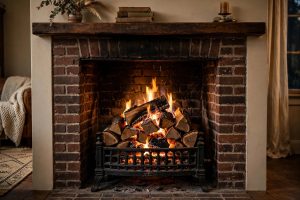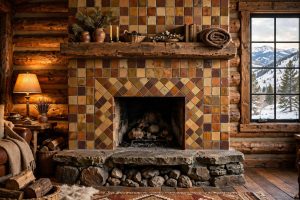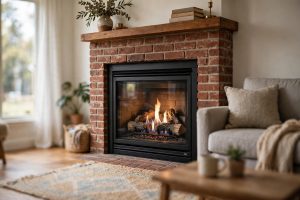
When cold weather comes back, many families think about their fireplace again. They picture warm evenings and glowing logs. They rarely picture the chimney itself. Yet the chimney does the hard work of carrying smoke, heat, and gases safely out of the home. When people search for top rated chimney inspection services near me, they are taking the right step. A trained inspection can catch damage early and stop fires before they start.
This guide explains how to find good chimney inspectors in your area, what an inspection covers, how much it costs, and how to care for your chimney between visits.
Why a Chimney Inspection Matters
A chimney looks like a simple stack of brick or metal. Inside, it is a working system. Every fire leaves soot and creosote on the flue walls. Heat opens small cracks in the liner. Rain and ice wear down the mortar at the top. Birds and squirrels build nests inside the flue. Over time, these small problems join into big ones.
The chief danger is a chimney fire. Creosote is highly flammable. A thick layer of it can ignite from one hot fire and burn through the flue at extreme heat. Such fires can spread into the walls and roof. The U.S. Environmental Protection Agency notes that safe wood burning starts with a clean and sound chimney system, and their guidance on residential wood smoke remains a solid starting point for any homeowner.
Another danger is carbon monoxide. When a flue is blocked or cracked, this odorless gas can slip back into the house. Faulty venting also sends smoke and fine soot into living rooms, which is bad for lungs. An inspection finds these hazards before they cause harm.
Insurance companies also care about chimneys. A dated inspection report shows you took the risk seriously. For buyers, an inspection is just as important. A home with a fireplace should never change hands without a chimney check.
How to Find the Best Services in Your Area: Top Rated Chimney Inspection Services near Me
Good inspectors are not hard to find, but you must look with care. Start by asking friends and neighbors who own fireplaces. Personal reports are worth more than glossy ads. Local hardware stores and firewood dealers often know which sweeps do honest work. Home improvement retailers like Home Depot and Lowe’s also list local service contractors and customer ratings on their sites.
Read online reviews with a sharp eye. Look for companies with many reviews over several years, not a handful of perfect scores from last month. Pay attention to how the company answers complaints. Search results for top rated chimney inspection services near me will show both paid ads and organic listings. Do not trust the ad position alone.
Check credentials next. In the United States, the Chimney Safety Institute of America certifies sweeps and inspectors through training and testing. Ask if the inspector holds that credential or a similar state-level license. A certified sweep follows a code of ethics and keeps up with training.
Ask these questions before you book:
– How many years have you inspected chimneys? – What level of inspection do you recommend for my system? – Do you use a camera to look inside the flue? – Will I get a written report with photos? – Is the inspection fee separate from any cleaning? – Are you insured?
A good company answers plainly. A weak company hides behind vague talk. Compare two or three quotes when you can. The cheapest price is not always the best deal. The most honest inspection is the one that tells you what you need, not what the company wants to sell.
Types of Chimney Inspections
Not every inspection is the same. Three levels are standard across the trade. The right level depends on how you use your fireplace and what has changed since the last visit.
Level 1: The Standard Check
A Level 1 inspection is the basic yearly service. The inspector looks at the parts of the chimney that are easy to reach. This includes the firebox, the damper, the visible flue, and the exterior of the chimney. The goal is to confirm that the system is sound and ready for use.
This level fits a home where nothing has changed. You burn the same fuel. The system works as it did last year. There were no fires, storms, or accidents. Most homeowners get a Level 1 inspection each fall before the first fire.
Level 2: The Closer Look
A Level 2 inspection goes deeper. It is required when you change something about the system. If you sell or buy the house, add a wood stove, switch from gas to wood, or suffer a chimney fire, you need this level. It is also wise after a heavy storm or an earthquake.
The inspector uses a video camera to scan the full length of the flue. This shows cracks, gaps, and buildup that the naked eye cannot see. The report covers hidden areas such as attics and crawl spaces where the chimney passes through.
Level 3: The Deep Investigation
A Level 3 inspection is rare. It is called for when a serious hazard is suspected but hidden. The inspector may need to remove part of the chimney crown, the interior wall, or the flue itself to see the damage. This level is invasive and costs more.
Most homeowners never need it. But if a Level 2 camera finds a badly damaged liner, a Level 3 visit may be the only way to plan a safe repair.
What Inspectors Check
A full inspection covers the whole path of smoke from the firebox to the sky. Here are the main items on the list:
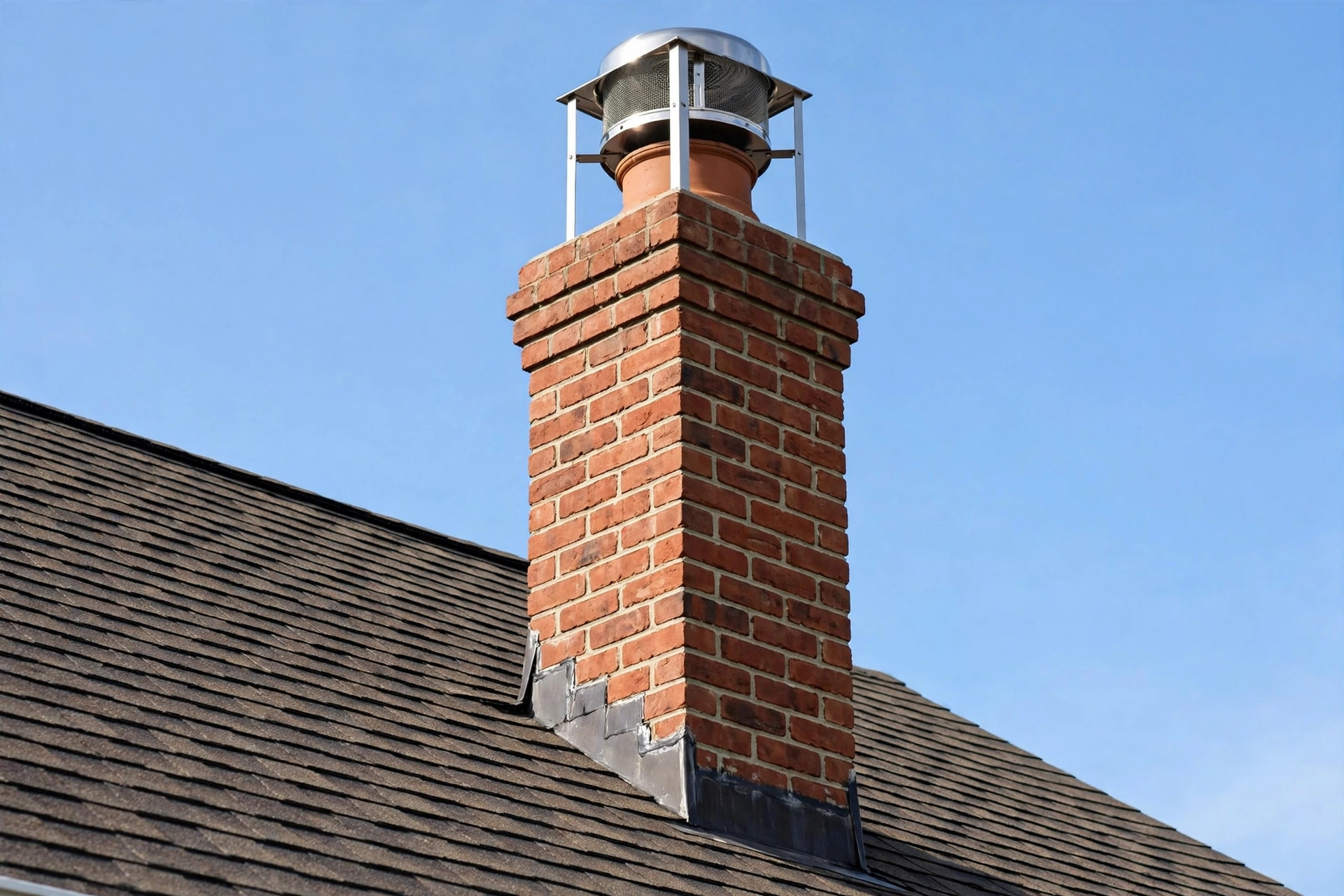
– Flue liner. Clay tiles, metal tubes, or cast-in-place liners must be whole. Cracks let heat and gases reach the wood framing around the chimney. – Creosote and soot. The inspector measures buildup. If it reaches a quarter inch, a cleaning is due. – Chimney cap and crown. The cap keeps rain and animals out. The crown seals the top. A cracked crown lets water soak into the brick. – Masonry and mortar. Loose bricks and soft mortar joints weaken the stack and let water in. – Flashing. The metal seal where the chimney meets the roof must be tight. Bad flashing causes roof leaks. – Damper. It must open fully and close tightly. A stuck damper wastes heat. – Firebox. Cracked bricks or missing mortar in the firebox need repair before the next fire. – Clearances. The space between the hot flue and wood framing must meet code. Old houses often fall short.
A written report should list each item with a simple rating: safe, needs repair, or needs cleaning. Photos help you see what the inspector saw. Keep the report with your home records.
Cost and Price: What to Expect
Prices vary by region, chimney type, and inspection level. A Level 1 inspection for a simple masonry chimney often runs between one hundred and two hundred fifty dollars. A Level 2 inspection with a camera scan may cost two hundred fifty to five hundred dollars. A Level 3 investigation can run much higher because it includes opening walls or removing parts of the chimney.
Cleaning is usually a separate charge. A standard sweep often adds one hundred fifty to three hundred dollars. Many companies offer the inspection and sweep together at a small discount.
Be careful of two extremes. A price that is far below the local average may mean a rushed job. A price that is far above may include pressure to buy repairs you do not need. Honest companies explain their fees. They do not demand full payment before the work begins.
If the inspector finds damage, ask for repair costs in writing. A new flue liner, for example, is a major job that can run into the thousands. A cracked crown or a new cap costs far less. Good inspectors put needs in order of urgency. They tell you what must be fixed now and what can wait until next season.
Fireplace Types and What They Need
Different fireplaces ask for different care. If you are new to hearth heating, it helps to know what you own.
Wood-burning fireplaces and stoves build up creosote fastest. They need yearly inspection and often yearly cleaning. Burn only dry, seasoned hardwood. Wet wood makes more smoke and more creosote. Gas fireplaces burn cleaner but still need a yearly check. The vent, the glass, and the pilot assembly can fail. Pellet stoves have motors, fans, and electronic parts that need service as well as flue cleaning.
Manufactured fireplaces from makers like Napoleon and Heatilator have their own care rules. Always follow the owner’s manual for your model. When you add a new stove or insert, pair it with a proper liner and cap. Guides on Family Handyman walk through the basics of matching stoves to flues, and a related long-tail topic such as buy chimney liners online in california shows how liner shopping differs by region.
Care and Upkeep Between Inspections
An inspection is a snapshot. What you do the other 364 days decides how long your chimney lasts. A few steady habits protect the system.
Burn good fuel. Seasoned hardwood with low moisture burns hot and clean. Green or damp wood smolders, makes heavy smoke, and coats the flue with creosote. Store firewood off the ground and under cover. A dry woodpile is part of chimney care.
Keep the cap in place. A cap with a mesh screen keeps rain, birds, and squirrels out of the flue. Check it from the ground now and then with binoculars. If you are shopping for a replacement, a guide on the best chimney caps and covers buying guide can help you compare styles and materials.
Watch for water. Water is the main enemy of masonry chimneys. Look for white stains on the outside brick, a sign that salts are moving through wet mortar. Look for rust on the damper or firebox, which hints at a leak from above. Waterproof the exterior brick only with products made for chimneys, never with paint that traps moisture inside.
Clean the firebox lightly. Scoop out ash when it piles past an inch, but leave a thin bed of ash. Ash helps wood fires start and burn evenly. Keep furniture, curtains, and holiday stockings well away from the hearth.
Use the damper right. Open it fully before you light a fire. Close it only after the last ember is cold. Glass doors, covered in a fireplace glass doors reviews and buying guide, help control drafts and sparks.
Safety Rules Every Home Should Follow
Fire is a good servant and a bad master. These rules come from fire services across the country and have not changed in decades.
Install smoke alarms and carbon monoxide detectors on every floor. Test them monthly. Change batteries at least once a year. Keep a fire extinguisher near the fireplace, and learn how to use it.
Never burn trash, cardboard, or treated lumber in the fireplace. These fuels release harsh chemicals and burn too hot or too fast. Never use gasoline or lighter fluid to start a fire. Use dry kindling and newspaper, or a manufactured fire starter.
Keep a sturdy screen or glass doors in front of every fire. Sparks can leap farther than you think. Teach children that the hearth is not a play area. Keep pets away from the open fire too.
Let the fire die down before bed. Never leave a fire burning when no one is watching. Let ashes cool fully before you move them. Put cold ashes in a metal can with a tight lid, stored away from the house. Ashes can hold hidden heat for days.
Schedule your inspection in late summer or early fall. Sweeps book up fast when the first cold snap arrives.
Frequently Asked Questions
How often should I have my chimney inspected?
Once a year. That is the rule from fire safety groups. Even if you rarely use the fireplace, nests, water damage, and settling can create problems. A yearly visit is the cheapest insurance you can buy.
Do I need an inspection if I have a gas fireplace?
Yes. Gas burns cleaner, but the venting can still fail. Birds nest in gas flues too, and the pilot assembly and seals need a trained eye. A Level 1 inspection each year is enough for most gas units.
How long does an inspection take?
A Level 1 visit usually takes thirty to sixty minutes. A Level 2 camera scan may take one to two hours. A Level 3 investigation takes longer and may span more than one visit.
Should I get the chimney swept at the same time?
Often yes. If the inspector finds a quarter inch of creosote or heavy soot, a sweep is due. Many companies do both in one visit.
Can I inspect the chimney myself?
You can do simple checks from the ground, such as looking for loose bricks or a missing cap. But you cannot see inside the flue without a camera or judge liner cracks without training. Leave the real inspection to a professional.
What is the difference between a sweep and an inspection?
A sweep cleans the flue. An inspection examines it. They are two different services. A good company offers both and tells you which one you need.
A Short Final Word
A fireplace adds warmth to a home, but only a sound chimney makes that warmth safe. Searching for top rated chimney inspection services near me is the first step. Choosing a certified, honest inspector is the second. Yearly visits, dry wood, and watching for water damage protect your family for years.
Book your inspection before the cold sets in. Ask questions. Read the report. Fix what needs fixing. Then sit back by the fire, knowing the chimney above you is doing its job.
Buying guides are also published by This Old House and The Spruce.
References
Family Handyman. (n.d.). DIY home repair and maintenance. https://www.familyhandyman.com Heatilator. (n.d.). Fireplaces and fireplace products. https://www.heatilator.com Lowe’s. (n.d.). Home improvement products. https://www.lowes.com Napoleon. (n.d.). Fireplaces, grills, and heating products. https://www.napoleon.com The Home Depot. (n.d.). Home improvement products. https://www.homedepot.com The Spruce. (n.d.). Home and garden advice. https://www.thespruce.com This Old House. (n.d.). Home renovation guidance. https://www.thisoldhouse.com U.S. Environmental Protection Agency. (n.d.). Protecting human health and the environment. https://www.epa.gov
Was this guide helpful?

About Emily Rodriguez
The My Garden US editorial team writes practical, in-depth home and garden guides for American homeowners — tested advice, no fluff.