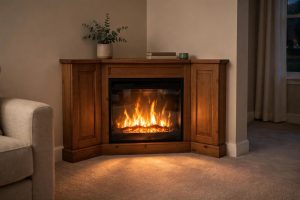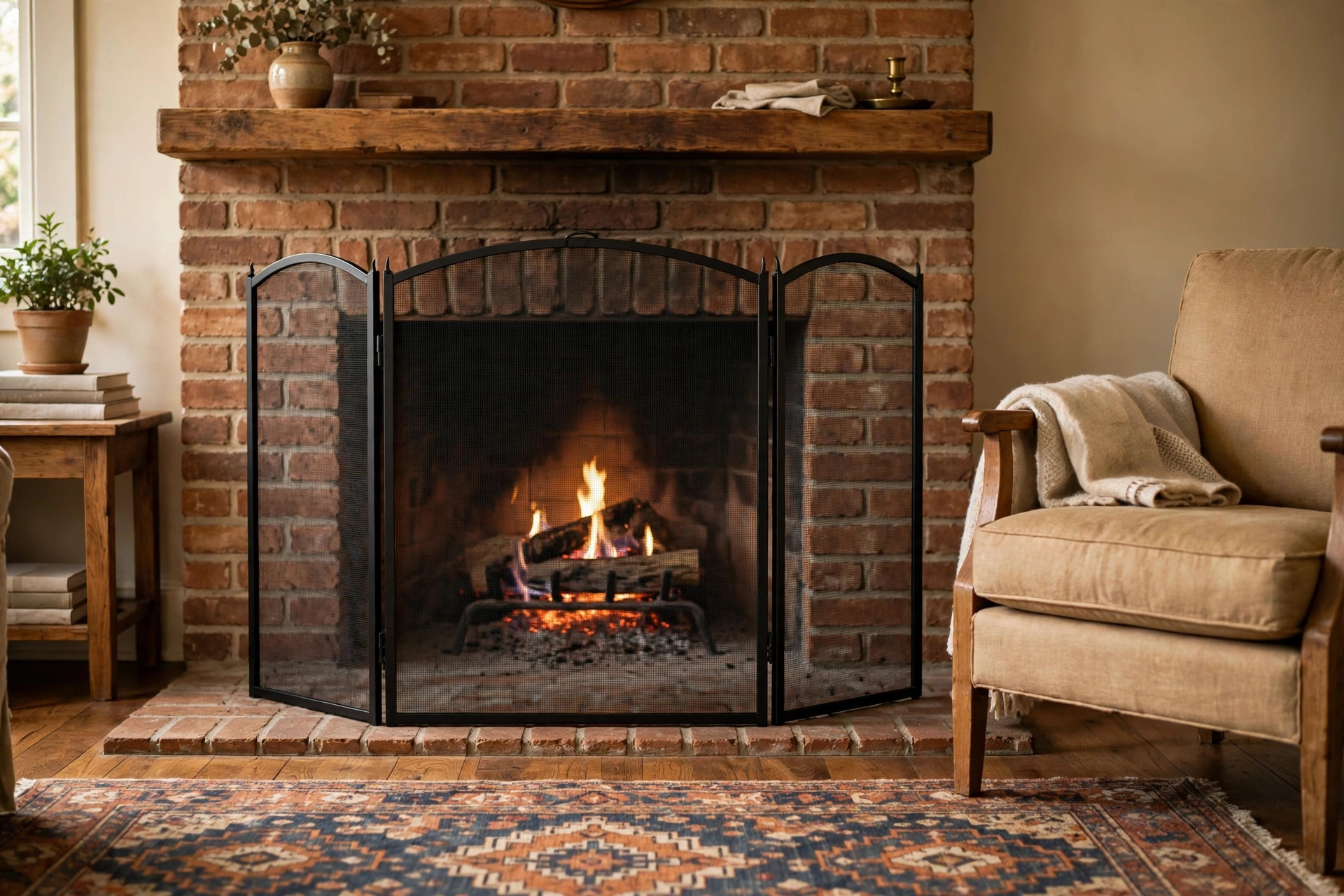

A fireplace warms a home and draws people near. It also draws small children. A hot glass front or an open flame can burn a curious hand in seconds. A childproof fireplace screen stands between the child and the heat. This childproof fireplace screens price comparison usa looks at what these screens cost, what makes one cost more than another, and how to pick a safe one for your home.
Why It Matters
The hearth is one of the warmest places in a house, and children love warm places. A toddler who has just learned to walk will head straight for the fire. Most parents cannot watch every second. A screen gives a second line of defense when eyes must turn away for a moment.
Doctors who treat burns will tell you that fireplace burns happen fast. Glass doors on gas fireplaces can reach very high heat. Wood fires throw sparks and roll logs. A childproof screen does not make the fire safe on its own. It buys time. It keeps little hands back a foot or more from the hottest surfaces. That distance can be the difference between a scare and a trip to the clinic.
A good screen also keeps sparks from landing on rugs and furniture. It blocks flying embers when a log pops. In that sense it protects the house as much as the child.
What to Look For: Childproof Fireplace Screens Price Comparison Usa
A childproof screen is not the same as a plain decorative screen. The flat spark guards sold for looks will not stop a determined two year old. Look for a screen built for safety.
Sturdy Construction
The frame should be steel or wrought iron. Thin wire mesh that bends under a hand is not enough. The screen should stand on its own without tipping when a child pushes it. Wide feet or a freestanding frame with side panels help. Many childproof models are three panels wide so they fold around the hearth and cannot be pulled down easily.
Heat Resistance
The mesh must hold up to high heat without warping. Check the product facts for the maximum heat rating. A screen made for a wood burning fireplace must face more heat than one made for a gas unit with glass doors. Match the screen to the fire you burn.
A Locking Gate or Tight Fit
Some screens include a small door for adding logs. That door should latch firmly. A child should not be able to swing it open. Freestanding panels should overlap so there are no gaps a hand can slip through.
Right Size
Measure the fireplace opening before you shop. The screen must be wider than the opening and taller than the firebox edge. A screen that is too short lets a child reach over the top. One that is too narrow leaves gaps at the sides.
Types and Options
Several styles of childproof fireplace screens are sold in the United States. Prices move up and down with the style and the material.
Three panel freestanding screens. These fold around the hearth and stand on their own. They are the most common choice for childproofing. Prices often run from about 60 dollars to about 180 dollars.
Single panel screens. A flat panel that stands in front of the opening. It costs less, often 40 to 100 dollars, but it is easier for a child to knock aside. It suits older children better than toddlers.
Hearth gates. These are playpen style barriers that fence off the whole hearth. They cost more, often 120 to 300 dollars, and they give the widest safety zone. Many parents of toddlers prefer them.
Glass door covers and guards. Some screens are built to cover the glass doors of a gas fireplace. They stand a few inches out from the glass so the glass never touches small fingers. Prices run about 80 to 200 dollars.
Custom built screens. Made to fit odd shaped openings such as corner fireplaces or stone hearths. These cost the most, often 250 dollars and up.
Which Type Fits Your Home
The best type depends on the age of the child and the kind of fire. A toddler who pulls up on furniture needs a gate or a heavy three panel screen. An older child who knows to stay back may be fine with a single panel. A wood stove with a hot front may need a wider screen than a gas unit with cool glass. Measure the hot zone. Stand where the child would stand. If the screen does not cover that space, it is too small.
Finish also matters. Black powder coat is the standard. It hides soot and suits most rooms. Bronze and nickel finishes cost a little more and suit rooms with lighter decor. The finish does not change the safety of the screen, but it changes how much you will want to keep it in place year round.
Cost and Price
A childproof fireplace screens price comparison usa shows a wide range. Simple screens start near 40 dollars. Mid range models with strong steel frames run 80 to 150 dollars. Hearth gates and custom screens can pass 250 dollars.
What moves the price? Material is first. Solid steel costs more than thin wire. Powder coated black steel is the common finish and it holds up to heat. Size is next. A screen for a wide stone fireplace uses more metal than one for a small gas unit. Added features raise the price too. Locking doors, adjustable width, and wall mount kits all add dollars.
Shipping matters as well. Screens are heavy and wide. Some sellers charge extra for freight, while others ship free above a set order total. Watch for that when you compare prices across stores.
Where do people buy them? Home centers such as Home Depot and Lowe’s carry a range of models in store and online. Fireplace makers such as Napoleon and Heatilator list guards made for their own units. Home guides such as The Spruce, This Old House, and Family Handyman publish buying advice that can help you judge quality before you pay. BobVila also covers hearth safety in its home guides.
Do not judge by price alone. A cheap screen that tips over is worth nothing. Read the weight and the base design. A heavier screen with wide feet is harder for a child to move.
Timing can save money. Prices on fireplace goods often drop in late winter and spring, when the burning season ends and stores clear stock. Buying off season can cut 20 to 30 percent off the tag. Online sellers sometimes match store prices, so check both before you buy.
Care and Upkeep
A fireplace screen needs little care, but it does need some. Brush ash and dust off the mesh each week during the burning season. Built up soot can clog the mesh and block the view of the fire.
Check the screen each fall before the first fire. Look for rust, loose joints, and bent mesh. Tighten any loose bolts. If the mesh has a hole, fix it or replace the screen. A hole in a childproof screen defeats the purpose.
Store a freestanding screen upright in the summer so the frame does not bend. Keep the finish clean with a damp cloth. Do not paint the mesh with ordinary paint. Ordinary paint can give off fumes when heated. If you must repaint, use paint rated for high heat.
Safety
A screen is only part of fire safety. The Environmental Protection Agency offers guidance on safe wood burning, and the Consumer Product Safety Commission tracks burn hazards in the home. A few rules stand above the rest.
Never leave a fire burning with children in the room and no adult present. The screen is a backup, not a sitter. Keep the screen in place every time the fire is lit, even for a short burn. Hot glass stays hot long after the flames die down. A gas fire that looks off can still burn through the glass for an hour or more. Wait until the firebox is fully cool before you remove the screen. When in doubt, leave it up.
Keep soft things away from the hearth. Blankets, toys, and rugs should sit well back from the opening. Teach children that the fireplace is hot and off limits, but never count on the lesson alone. Small children forget.
Install a smoke alarm and a carbon monoxide alarm on every floor of the home. Test them monthly. These devices guard against the dangers a screen cannot stop.
Related Reading
If you are comparing hearth safety products, these guides may help: high efficiency childproof fireplace screens for american homes, top rated childproof fireplace screens for sale, and fireplace glass doors reviews and buying guide.
FAQ
How much do childproof fireplace screens cost in the USA? Most fall between 40 and 200 dollars. Simple single panels start near 40 dollars. Sturdy three panel screens run 60 to 180 dollars. Full hearth gates cost 120 to 300 dollars. Custom sizes go higher.
Are fireplace screens enough to protect children? They help a great deal, but they are not enough alone. An adult should be in the room whenever the fire is lit. The screen keeps hands back from the heat while you watch.
What is the safest type of fireplace screen for toddlers? A freestanding three panel screen or a full hearth gate works best. Both are hard to tip over. They keep the child farther back from the fire than a flat single panel.
How do I measure for a fireplace screen? Measure the width of the opening and add at least six inches on each side. Measure the height of the opening. The screen should stand taller than the top of the firebox. Write both numbers down before you shop.
Can I use a childproof screen with a gas fireplace? Yes. Many screens are made to stand in front of glass doors. The glass can reach very high heat, so pick a screen that stands a few inches out from the glass surface.
Do fireplace screens need to be anchored to the wall? Not always, but anchoring adds safety. Some models include wall mount kits. A wide freestanding screen with heavy feet is stable on its own, but a wall anchor makes it nearly impossible for a child to pull down.
A Short Final Word
A childproof fireplace screen is a simple piece of metal, but it does a serious job. It keeps small hands away from flame, sparks, and hot glass. Prices run from about 40 dollars to over 250 dollars, and the middle of the range buys solid protection for most homes. A mid priced steel screen from a known home store is often the best value. Measure your hearth, pick a sturdy steel model, and keep it in place every time the fire burns. The warmth of the fire is for the whole family. The screen makes sure the youngest members enjoy it safely. Pick well, buy once, and rest easy through the cold months.
References
Bob Vila. (n.d.). Home improvement advice. https://www.bobvila.com Family Handyman. (n.d.). DIY home repair and maintenance. https://www.familyhandyman.com Heatilator. (n.d.). Fireplaces and fireplace products. https://www.heatilator.com Lowe’s. (n.d.). Home improvement products. https://www.lowes.com Napoleon. (n.d.). Fireplaces, grills, and heating products. https://www.napoleon.com The Home Depot. (n.d.). Home improvement products. https://www.homedepot.com The Spruce. (n.d.). Home and garden advice. https://www.thespruce.com This Old House. (n.d.). Home renovation guidance. https://www.thisoldhouse.com U.S. Consumer Product Safety Commission. (n.d.). Product safety information. https://www.cpsc.gov U.S. Environmental Protection Agency. (n.d.). Protecting human health and the environment. https://www.epa.gov
Was this guide helpful?

About Jennifer Lee
The My Garden US editorial team writes practical, in-depth home and garden guides for American homeowners — tested advice, no fluff.
You May Also Like
Best Fireplace Hearth Rugs for Midwest Homes
October 2, 2026 0 views
Luxury Fireplace Ash Buckets With Free Shipping
August 20, 2026 0 views
How to Buy Freestanding Electric Stoves Online in the USA
January 29, 2026 0 views