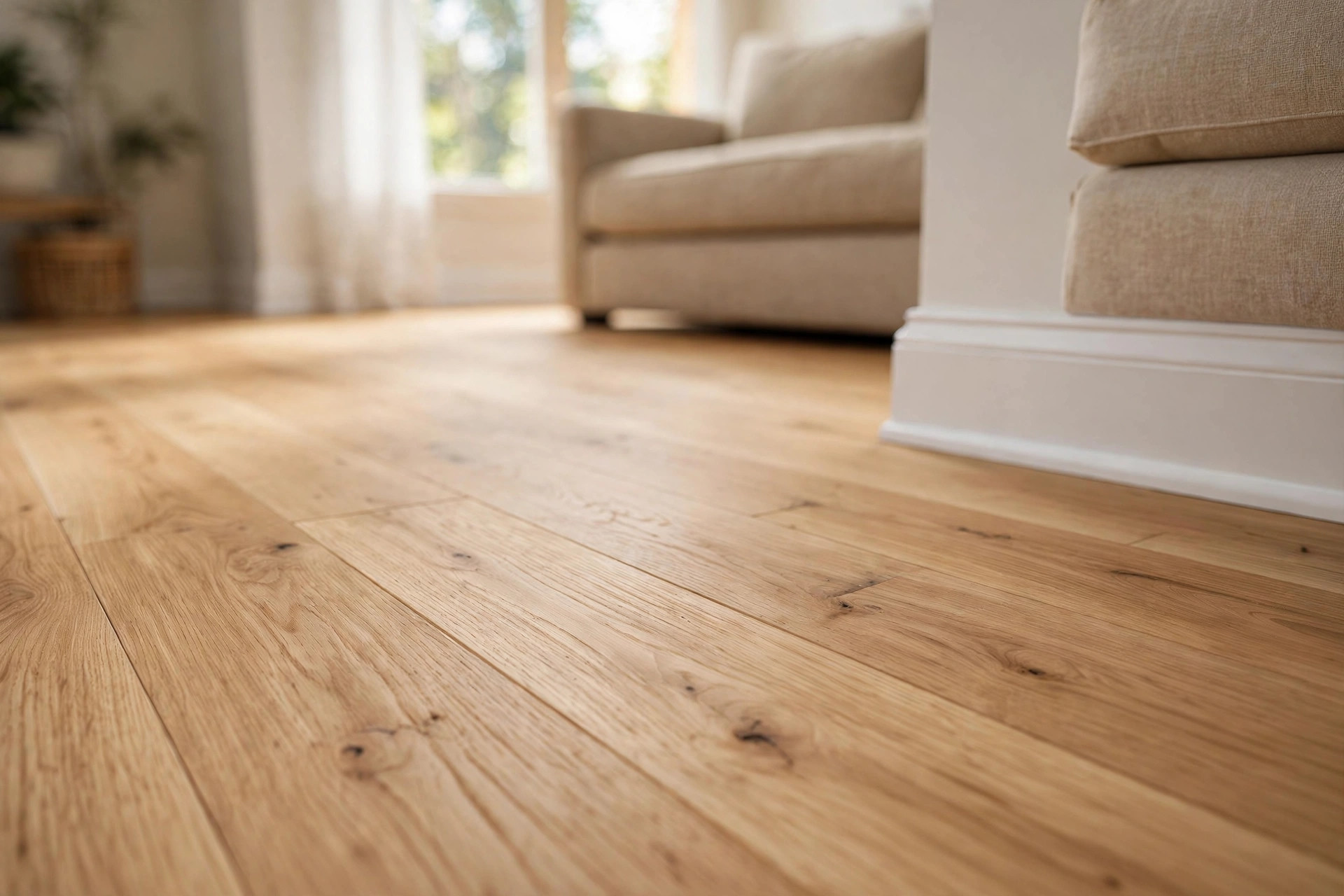

If you are thinking about flooring installation warranty what to ask before the crew arrives, you are already ahead of most buyers. A new floor is a large purchase. It should last for many years. But the product is only half the story. The quality of the installation matters just as much. A strong warranty on the labor gives you a safety net. It means the company will return and fix problems that were caused by poor work. This guide lists the questions to ask, explains the answers to expect, and shows how to protect your investment in plain terms.
Why the Warranty Matters
A floor can fail for two reasons. The product itself may be flawed. Or the installer may have made a mistake. Most buyers focus on the product warranty. They read the fine print on the box. They forget that the labor warranty is separate. This is a costly oversight.
Poor installation causes many common floor problems. Boards can gap or cup when the subfloor was not level. Tile can crack when the mortar bed was too thin. Carpet can wrinkle when it was not stretched with power tools. Vinyl planks can lift when the floor was not clean and dry. In each case, the product was fine. The work was not.
A written labor warranty shifts that risk back to the installer. Without it, you pay twice. You pay for the first installation. Then you pay again to fix it. With it, the company returns at no charge within the warranty period. That is why the questions below are worth asking before you sign anything.
Two Kinds of Coverage: Product and Labor: Flooring Installation Warranty What to Ask
Every flooring job has two warranties. They come from two different parties. They cover two different things. It helps to keep them separate in your mind.
The product warranty comes from the manufacturer. It covers defects in the material. A warped board straight from the box is a product defect. A tile that arrives chipped is a product defect. The manufacturer replaces the material. It does not pay for the labor to remove and reinstall it.
The labor warranty comes from the installer or the store. It covers mistakes in the work. Gaps, squeaks, loose tiles, and buckling from poor prep fall under labor. The installer returns and repairs the work. This is the warranty you must ask about in detail, because terms vary widely from one company to the next.
Some stores offer both in one package. A large retailer may sell the floor and arrange the installation. Ask which party handles each type of claim. Get the answer in writing. When a problem appears a year later, you will want to know exactly whom to call.
Questions to Ask Before the Work Starts
These are the core hardwood floor installation warranty questions and tile and laminate equivalents. Ask them in person or by phone. Write down the answers. Compare them across two or three companies before you choose.
1. How long does the labor warranty last? One year is the industry standard for basic installations. Better companies offer two to five years. Some offer lifetime labor coverage on certain products. A longer term is a sign of confidence. Be wary of any installer who offers no labor warranty at all.
2. What exactly does it cover? Ask for specifics. A good warranty covers defects in workmanship: uneven seams, loose boards, cracked grout from poor mixing, carpet seams that split, and transitions that come loose. Ask what is excluded. Normal wear, water damage from a leak, and damage from pets or furniture are usually not covered.
3. Who pays for materials if the installer made the error? This is a key question. If tile must be torn out and redone, who buys the new tile? Some warranties cover labor only. The stronger ones cover both labor and replacement material when the fault was in the work.
4. Does the warranty transfer if I sell the house? A transferable warranty adds value to your home. Some companies allow it. Others end the coverage when the original buyer moves out. If you plan to sell within a few years, this detail matters.
5. What actions void the warranty? Common exclusions include wet mopping a hardwood floor, dragging heavy furniture without pads, failing to keep humidity in range, and using the wrong cleaning products. Ask for the care rules up front. Then follow them. Many denied claims trace back to maintenance mistakes the buyer never knew about.
6. Is the warranty in writing? Verbal promises mean nothing a year later. The terms should appear on the contract or on a separate warranty sheet. It should state the length of coverage, what is covered, what is excluded, and how to file a claim. If a company will not put it in writing, choose another company.
7. Who handles the claim: the store or the installer? If you bought the floor from a local flooring store that bundles installation deals, find out whether the store backs the labor or merely refers you to an independent contractor. A store that stands behind its own subcontractors is easier to deal with than a store that washes its hands of the job.
8. What is the repair process and the timeline? Ask how claims are reported. Is there a phone number or an online form? How soon will someone inspect the problem? How soon will the repair be scheduled? A company with a clear process will answer without hesitation. A vague answer is a warning sign.
Types of Flooring and What Their Warranties Cover
Different floors fail in different ways. The warranty questions stay the same, but the details change by material.
Solid hardwood. The main risks are moisture and subfloor movement. Ask whether the installer tests the moisture of both the subfloor and the boards before work begins. Ask whether the warranty covers cupping and gapping caused by poor acclimation. A careful installer lets the wood rest in your home for several days before nailing it down.
Laminate. Laminate needs a flat subfloor and the right padding. Ask about the best underlayment for laminate flooring and whether the labor warranty requires a specific type. Cheap padding can void both the product and labor coverage. Confirm that the installer follows the manufacturer’s gap requirements at walls and doorways.
Luxury vinyl plank. Vinyl is forgiving, but it is not foolproof. It needs a clean, dry, level surface. Ask how the installer checks for moisture in concrete slabs. Ask what happens if planks lift or separate at the seams within the warranty period.
Tile and stone. Tile labor is skilled work. Ask about the installer’s experience with your specific tile. Large format tiles need special leveling systems. Natural stone needs proper sealing. Reading up on wood look tile pros and cons helps you ask smarter questions if you choose that style. Confirm that cracked tiles from poor mortar coverage are covered.
Carpet. Ask whether power stretching is included. Knee kickers alone are not enough for a lasting stretch. Ask whether seam splits and wrinkles from poor installation are covered, and for how long.
Cost and Price
A labor warranty has a cost, even when it is listed as free. Companies that stand behind their work charge more than fly-by-night crews. That premium is worth it. A floor installed for a bargain price often costs more in repairs later.
Typical labor warranty terms run one year at no extra charge. Extended labor coverage of three to five years may add five to fifteen percent to the installation price. Lifetime labor warranties are rare and usually tied to premium products installed by certified crews.
When you compare bids, compare the warranty terms side by side. A bid that is two hundred dollars higher but includes a three-year written labor warranty is the better deal. Ask each bidder the same eight questions. The differences will be clear. Review sites such as Consumer Reports can help you judge the reputation of the companies you are considering.
Care and Upkeep After Installation
Your duties do not end when the crew leaves. Most warranties require basic care. Follow the rules and keep records.
Control moisture. Wood and laminate floors suffer in very dry or very damp air. Keep indoor humidity between thirty and fifty percent if you can. Use a humidifier in winter in cold climates. Fix plumbing leaks at once. Water damage is excluded from almost every labor warranty.
Clean the right way. Use the cleaner the manufacturer recommends. Avoid soaking the floor with a wet mop. Sweep or vacuum with a hard-floor setting to remove grit. Grit acts like sandpaper under shoes.
Protect the surface. Put felt pads under furniture legs. Use rugs at entry doors to catch dirt. Lift furniture instead of dragging it. Keep pet nails trimmed.
Keep your paperwork. Save the contract, the warranty sheet, the product boxes or labels, and any care instructions. Note the date the work was finished. If you file a claim, dates and documents speed the process. Home improvement guides at This Old House and The Spruce offer useful checklists for floor care by material.
Safety Points to Cover in Writing
Safety belongs in the contract, not just in conversation. Ask how the crew handles dust. Sanding hardwood creates fine dust that spreads through the house. A professional crew seals doorways and uses dust collection. This matters if anyone in the home has asthma or allergies.
If your home was built before 1978, ask about lead paint. Sanding old painted floors or trim can release lead dust. Federal rules require certified procedures for this work. Confirm the company follows them.
Ask about ventilation for adhesives and finishes. Oil-based finishes have strong fumes. The crew should ventilate the work area and tell you when it is safe to return. Ask about stairs and trip hazards during the job, especially if children or older adults live in the home. A responsible installer plans for this. Retailers such as The Home Depot and Lowe’s publish safety guidance for installation projects that you can review before work begins.
Frequently Asked Questions
How long should a flooring installation warranty last? One year is standard. Two to five years is good. Anything less than one year in writing is weak. Lifetime terms exist but are rare. Longer is better, as long as the coverage itself is broad.
Does the manufacturer’s warranty cover installation mistakes? No. The product warranty covers defects in the material only. It does not cover poor workmanship. You need a separate labor warranty from the installer or the store for that.
What voids a flooring installation warranty? Water damage, improper cleaning, failure to control humidity, unauthorized repairs, and damage from pets or heavy impacts are common exclusions. Read the exclusions list before you sign. Follow the care rules after the job.
Can I transfer the warranty to a new owner? Sometimes. Some companies allow a one-time transfer. Others do not. Ask before you buy if you plan to sell the home. A transferable warranty is a small selling point.
What should I do if the installer will not honor the warranty? Start with a written claim to the company. Keep copies of everything. If the company refuses, contact the store that sold the floor. As a last resort, file a complaint with your state consumer protection office or consider small claims court. Written terms make your case much stronger.
Is an extended labor warranty worth the extra cost? For expensive floors such as solid hardwood or natural stone, yes in most cases. The cost of a repair often exceeds the price of the extended coverage. For low-cost laminate in a rental unit, the standard one-year term may be enough. Guides at Family Handyman and Bob Vila can help you weigh repair costs against warranty prices.
A Short Final Word
A floor is only as good as its installation. Ask the eight questions. Get the answers in writing. Keep your paperwork and follow the care rules. Do this, and a flooring installation warranty becomes what it should be: quiet protection you rarely need to use. Product makers such as Shaw Floors, Mohawk Flooring, Daltile, and LL Flooring publish detailed warranty documents for their materials, which pair well with a strong labor warranty from your installer.
References
Bob Vila. (n.d.). Home improvement advice. https://www.bobvila.com Consumer Reports. (n.d.). Product reviews and ratings. https://www.consumerreports.org Daltile. (n.d.). Ceramic and porcelain tile. https://www.daltile.com Family Handyman. (n.d.). DIY home repair and maintenance. https://www.familyhandyman.com LL Flooring. (n.d.). Hardwood, vinyl, and tile flooring. https://www.llflooring.com Lowe’s. (n.d.). Home improvement products. https://www.lowes.com Mohawk Flooring. (n.d.). Flooring products. https://www.mohawkflooring.com Shaw Floors. (n.d.). Flooring products. https://www.shawfloors.com The Home Depot. (n.d.). Home improvement products. https://www.homedepot.com The Spruce. (n.d.). Home and garden advice. https://www.thespruce.com This Old House. (n.d.). Home renovation guidance. https://www.thisoldhouse.com
Was this guide helpful?

About Robert Taylor
The My Garden US editorial team writes practical, in-depth home and garden guides for American homeowners — tested advice, no fluff.
You May Also Like

The Best Flooring for Airbnb Turnover Cleaning
May 9, 2026 0 views
Trex vs TimberTech Decking Comparison for USA Homeowners
June 20, 2026 0 views
Heated Bathroom Floor Cost Per Square Foot: A Full Guide
March 16, 2026 0 views