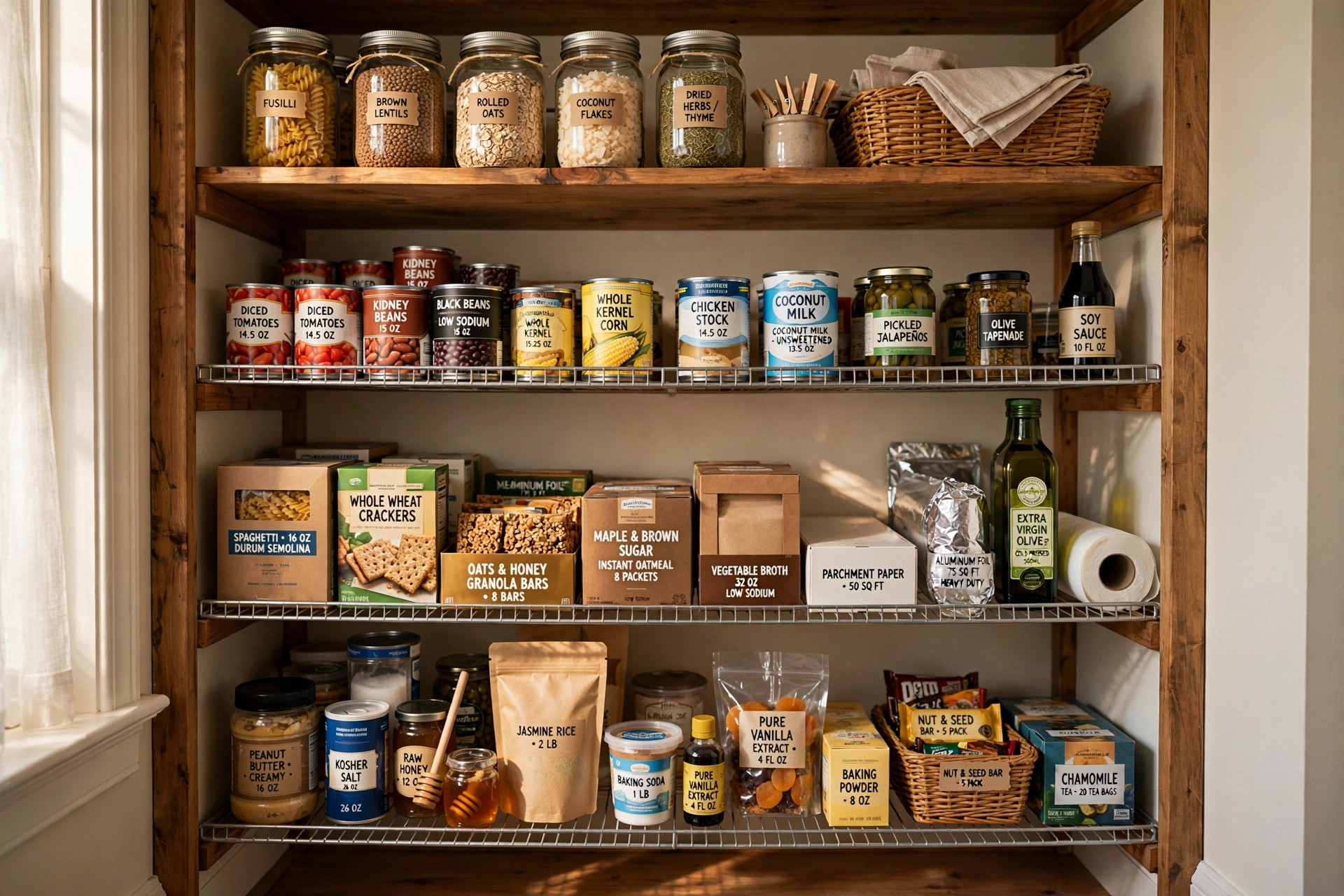

A pantry shelving units price comparison usa search can save a family real money. Prices for the same kind of shelf can differ by a wide margin from one store to another. A unit that sells for eighty dollars at one retailer may sell for fifty dollars at another. This guide walks through the main types of pantry shelving, the price ranges in the United States, and the steps a buyer can take to get fair value.
Why Good Pantry Shelving Matters
The pantry is one of the busiest corners of the home. Canned goods, dry food, spices, and cleaning supplies all pass through it each week. When the shelves are weak or poorly sized, the whole space turns into a mess. Boxes fall over. Items get pushed to the back and expire. Families end up buying food they already own.
Sturdy pantry shelving units change this picture. They hold heavy cans without bowing. They let a cook see every item at a glance. They make use of the full height of the room. A pantry organization system built on solid shelves can cut food waste and shorten the time spent looking for ingredients. The cost of the shelves is small when measured against the money lost to spoiled food and duplicate purchases.
How to Choose Pantry Shelving Units: Pantry Shelving Units Price Comparison Usa
A buyer should start by measuring the space. Record the width, depth, and height of the pantry or the wall where the unit will stand. Leave room for the door to swing open. Leave an inch or two of clearance on each side so the unit can be moved for cleaning.
Next, think about what the shelves must hold. A family that buys in bulk needs shelves with a high weight limit. Five-pound bags of flour and rice are heavy. Glass jars of pickles are heavier still. Look for shelves rated for at least 50 pounds per tier. Some metal racks carry 150 pounds or more on each shelf.
The material matters as well. Wood shelves look warm and fit older kitchens. Wire racks let air move around food and are easy to wipe down. Plastic shelves resist moisture and are light to move. Each material has its own price band, so the choice affects the final bill.
Buyers should also decide between freestanding and wall-mounted units. A freestanding unit can be moved to a new home. A wall-mounted unit holds more weight and leaves the floor clear. Renters often prefer freestanding shelf units because they can take them along when they move.
Types of Pantry Shelving Units
Wire Rack Units
Wire racks are the most common type in American homes. They come in chrome, black, or white finish. Most have five or six tiers. The shelves can be raised or lowered to fit tall items like cereal boxes. Prices run from about 40 dollars for a small four-tier rack to 150 dollars for a tall heavy-duty rack with wheels.
Solid Wood Shelving
Wood units suit kitchens with a traditional look. Pine and rubberwood are the common low-cost options. Oak and maple cost more. A simple three-shelf pine unit may sell for 60 dollars. A finished hardwood pantry cabinet can reach 400 dollars or more. Wood shelves need a seal or finish if they will stand near a sink or in a damp area.
Plastic and Resin Units
Plastic shelves are light and resist rust. They are a good pick for garage pantries or storage rooms where moisture is a concern. Prices are low, often between 25 and 70 dollars. The trade-off is strength. Most plastic units hold less weight than metal racks of the same size.
Stackable and Modular Cubes
Modular cube systems let a buyer build the exact shape they need. They work well in small apartments and odd-shaped corners. Each cube holds books, jars, or baskets. A set of six cubes may cost between 50 and 120 dollars depending on the brand and material.
Wall-Mounted Track Systems
Track systems hang from metal rails fixed to the wall studs. They hold a great deal of weight and free up floor space. A full set with brackets and six shelves can cost between 100 and 300 dollars. Installation takes more time, but the result is very strong.
Measuring and Planning Your Pantry Layout
Before buying, a buyer should sketch the pantry on paper. Mark the door, the windows, and any pipes or outlets on the walls. Note the height of the ceiling. Standard American pantries range from five to eight feet wide, but many homes have smaller reach-in pantries or large walk-in pantries. The layout shapes the best choice of shelves.
For a reach-in pantry, a single tall unit often works best. Place it against the back wall so the door can open fully. Leave at least 24 inches of clear space in front of the shelves for easy access. In a walk-in pantry, two or three units can line the walls in an L or U shape. Leave a path of about 30 inches down the middle so a person can move freely with a shopping bag.
Depth matters more than many buyers expect. Shelves deeper than 16 inches make it hard to see items at the back. Items get lost and expire. Shelves between 12 and 16 inches deep are the sweet spot for most pantry goods. Canned goods are about four inches in diameter, so two rows fit well on a 12-inch shelf.
Adjustable shelves are worth the small extra cost. Food packaging changes over the years. A shelf that can move up or down in one-inch steps adapts to tall cereal boxes one year and short spice jars the next. When comparing shelf options, check whether the shelves adjust without tools. Units with numbered adjustment slots are easier to level.
Lighting is another small detail that pays off. A battery-powered stick light under each shelf costs a few dollars and makes a dark pantry feel open. Some buyers run a small extension cord for a plug-in light strip. Either choice makes labels easier to read and helps the whole pantry look clean.
Cost and Price: A Full Pantry Shelving Units Price Comparison USA
Prices change with season and store, but the broad bands stay steady. The table below gives typical United States prices for common pantry shelving units.
– Small plastic four-tier rack: 25 to 45 dollars – Basic wire rack, four to five tiers: 40 to 80 dollars – Heavy-duty wire rack with wheels: 80 to 150 dollars – Pine wood three-shelf unit: 60 to 120 dollars – Finished hardwood pantry cabinet: 250 to 500 dollars – Modular cube set, six cubes: 50 to 120 dollars – Wall-mounted track system with six shelves: 100 to 300 dollars – Custom built-in pantry shelving: 800 dollars and up
To compare fairly, a buyer should look at the price per square foot of shelf space. A tall rack with six deep shelves may offer twice the storage of a small unit at only a slightly higher price. Shipping fees matter too. A low shelf price can be wiped out by a 30-dollar delivery charge. Many shoppers check pantry shelving prices at large home improvement stores first, then compare with online sellers that offer free shipping.
Sales bring the best deals. Back-to-school season, Black Friday, and January organization sales often cut shelving prices by 20 to 40 percent. Signing up for store email lists can unlock coupons that stack with sale prices. Warehouse clubs also sell sturdy kitchen pantry shelving sets at prices below most retail stores.
Freestanding pantry shelf units for sale through online marketplaces deserve a look as well. Some sellers offer open-box or lightly used units at half price. A buyer should check the seller rating and read the return policy before ordering.
Tax and assembly costs add to the real price. Some stores charge tax based on the delivery address, which can shift the final total by several dollars. Assembly is usually simple, but a buyer who pays for in-home assembly should add 50 to 100 dollars to the bill. Reading home goods guides before a purchase helps a shopper spot these hidden costs early.
When comparing brands, check the warranty. A one-year warranty is standard for budget racks. Better brands offer five years or more. A longer warranty often signals stronger joints and thicker metal. It also protects the buyer if a weld fails under a normal load.
Care and Upkeep
Good shelves last for years with simple care. Wipe wire racks with a damp cloth each month. Dry them fully to keep rust away. Check the plastic feet or levelers once a year so the unit stands even. A rack that leans puts extra strain on its joints.
Wood shelves need a check for moisture. Look for dark spots or soft areas, which are signs of water damage. A fresh coat of food-safe finish every few years keeps wood shelves looking new. Tighten any loose screws on wood and metal units twice a year.
Keep heavy items on the lower shelves. This lowers the center of gravity and makes the unit more stable. Light items like paper towels and napkins belong on the top shelves. Store the items used most often at eye level so they are easy to reach. Family handyman tips on storage maintenance can help a homeowner set up a simple care routine.
Safety First
Shelving accidents are more common than many people think. A loaded rack can weigh over 200 pounds. If it tips, it can injure a child or pet. Always anchor tall freestanding units to the wall with the included hardware. The brackets that come in the box take only a few minutes to install.
Place the unit away from the reach of small children when possible. Keep cleaning supplies on a high shelf or in a locked cabinet. Check weight limits and do not stack more than the maker allows. A home storage guide from a specialty retailer can show safe loading patterns for each shelf type.
When installing wall-mounted systems, find the wall studs first. Drywall alone cannot hold a loaded shelf. A stud finder is a cheap tool that prevents a costly failure. Wear safety glasses when drilling into the wall.
Frequently Asked Questions
What is the average cost of pantry shelving units in the USA?
Most buyers spend between 40 and 150 dollars for a single pantry shelving unit. Basic wire racks sit at the low end of this range. Larger or finished wood units push toward the high end. Custom built-in shelving costs much more, often starting around 800 dollars.
Are wire racks or wood shelves better for a pantry?
Wire racks cost less, adjust easily, and allow air to flow around food. Wood shelves look better and hold up well for heavy use. The best choice depends on budget and taste. Many families use wire racks inside the pantry and wood organizer shelves in the visible parts of the kitchen.
How much weight can a standard pantry shelf hold?
A standard wire rack shelf holds 50 to 75 pounds. Heavy-duty racks hold 150 pounds or more per shelf. Wood shelves vary by thickness and support. Always check the rating printed on the box before loading.
Do pantry shelving units need to be anchored to the wall?
Tall units should always be anchored. Even a stable-looking rack can tip if a child climbs it or if the floor is uneven. Use the wall straps or brackets that ship with the unit.
Where can I find the lowest prices on pantry shelving?
Prices run lowest at large home improvement stores and warehouse clubs during sales events. Online marketplaces can be cheaper still, especially for open-box units. Compare at least three stores before buying. A quick look at shelving reviews can help narrow the field to the best-value brands.
Can I install pantry shelving myself?
Most freestanding units need no tools and take under an hour to assemble. Wall-mounted track systems need a drill, a level, and a stud finder. A beginner can finish the job in an afternoon. Professional installation is only needed for custom built-in work.
A Short Final Word
A careful pantry shelving units price comparison usa search pays off. The same unit can cost very different amounts at different stores. Measure the space, set a budget, and compare at least three sellers. Look at weight limits and materials, not just the price tag. The right shelves will serve the kitchen for many years. For more ideas on making the most of every shelf, see our guides to pegboard wall organizers, bike storage racks, and floating shelves for living rooms.
References
Apartment Therapy. (n.d.). Home design ideas and inspiration. https://www.apartmenttherapy.com Family Handyman. (n.d.). DIY home repair and maintenance. https://www.familyhandyman.com IKEA. (n.d.). Home furnishings. https://www.ikea.com Lowe’s. (n.d.). Home improvement products. https://www.lowes.com Target. (n.d.). Retail store. https://www.target.com The Container Store. (n.d.). Storage and organization products. https://www.containerstore.com The Home Depot. (n.d.). Home improvement products. https://www.homedepot.com The Spruce. (n.d.). Home and garden advice. https://www.thespruce.com Walmart. (n.d.). Everyday low prices. https://www.walmart.com Wayfair. (n.d.). Furniture and home goods. https://www.wayfair.com
Was this guide helpful?

About James Carter
The My Garden US editorial team writes practical, in-depth home and garden guides for American homeowners — tested advice, no fluff.
You May Also Like

Top Rated Shoe Storage Racks for Sale: How to Pick the Right One
September 13, 2026 0 views
Premium Kitchen Cabinet Organizers Buying Guide
May 15, 2026 0 views
Kids Closet Organizers Reviews and Buying Guide
May 11, 2026 0 views