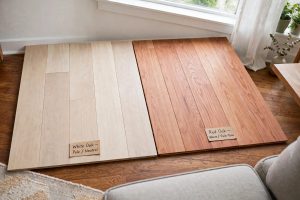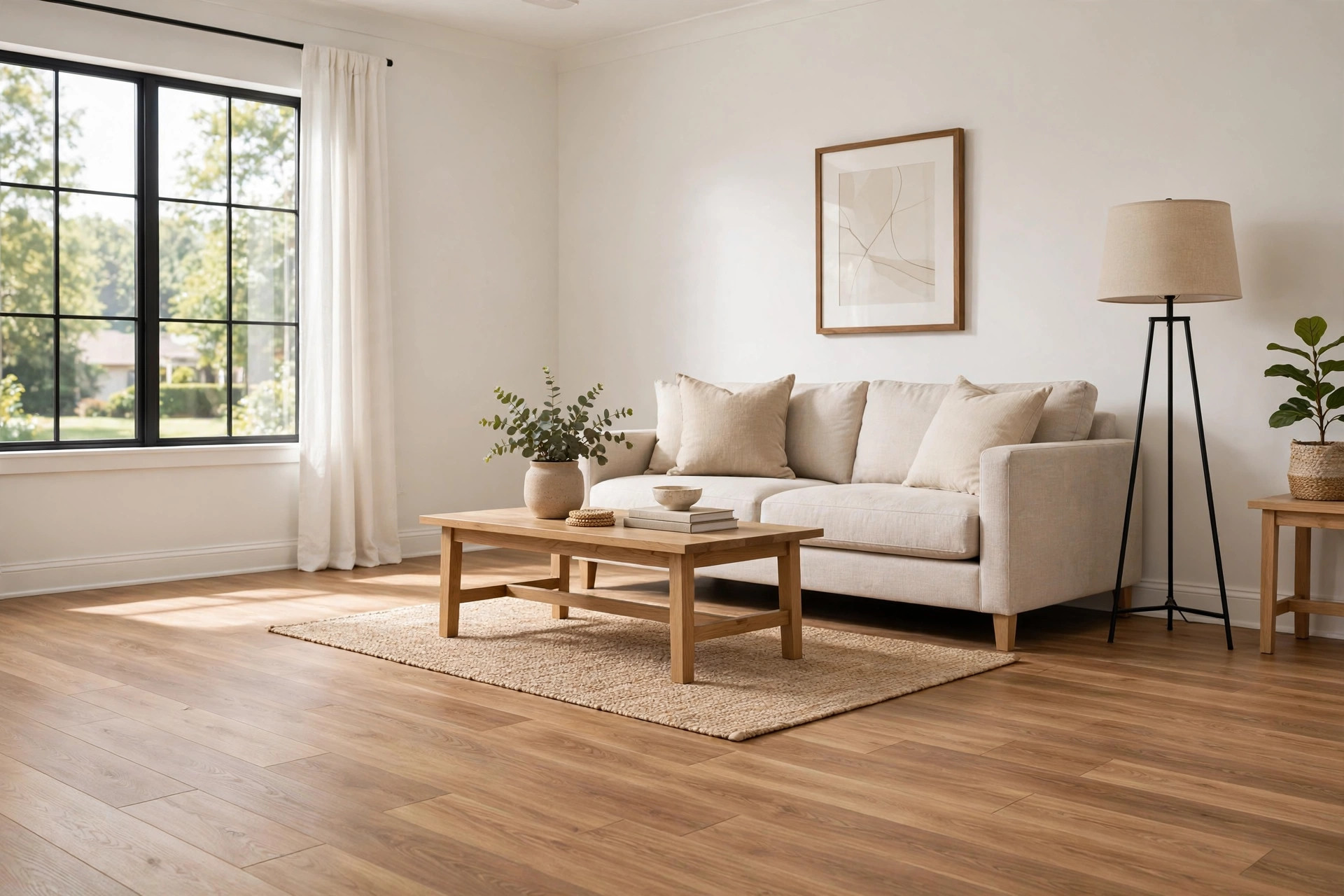

New flooring changes the whole feel of a home. Old carpet, tired tile, and worn wood can make rooms look dated. Fresh floors bring light and order. But many buyers search for a flooring store near me with installation deals before they think about which material they want. The install deal is what makes the project affordable. A fair price on the floor means little if labor costs eat up the budget.
A store that bundles material and labor often beats a store that sells only the box. You get one price. You get one schedule. You get one point of contact if something goes wrong. This guide explains how to find such stores, what questions to ask, how to read the fine print, and how to keep your floors in good shape for years.
Why Installation Deals Matter
Labor is often the largest line on a flooring project. Material might cost three dollars per square foot. Installation might add another three. On a thousand-square-foot home, that difference is three thousand dollars. A bundle deal cuts that gap.
Stores offer deals for plain reasons. They want your whole project, not just the box of planks. When one crew handles both the product and the install, the store controls quality. That means fewer callbacks. It also means the store can plan work crews well in advance. You benefit from that smooth planning.
Deal season matters too. January and February are slow months for remodel work. Stores often run promotions to keep crews busy. Late fall can be another window, before the holiday rush. If your project can wait, time your search for these slower months. Homeowners who read seasonal planning guides often learn which months bring the deepest cuts in their region.
Watch out for deals that look too good. A rock-bottom install price may mean the store uses day labor without training. It may mean the price covers only bare rooms, and every extra step costs more. A good deal is honest about what is included. Ask for that in writing.
What to Look For When You Compare Stores: Flooring Store near Me with Installation Deals
Start with three stores. Compare them side by side. A fair comparison takes an hour, but it can save hundreds of dollars.
License and Insurance
Ask if the install crew is licensed and insured. A real flooring store should answer fast and show proof. Insurance protects you if a worker is hurt on your property or if water lines are damaged during demo. Uninsured crews are cheaper for a reason. The risk moves to you.
The Written Quote
A proper quote lists each item on its own line. Material cost. Labor cost. Old floor removal. Subfloor repair. Trim and transitions. Haul-away of debris. If the quote is one lump number with no detail, ask for a breakdown. Vague quotes lead to surprise charges later.
Measure Service
Most stores offer a free in-home measure. A tech visits, measures each room, and notes stairs, doorways, and vents. This step matters. A bad measure means the store orders too little material or far too much. Ask if the measure is truly free and if it includes a written sketch.
Product Range
A store with installation deals should stock the products its crews know well. Carpet, luxury vinyl plank, laminate, engineered hardwood, and tile are the common lines. If a store pushes one product only, that may be a margin choice, not a quality choice. Good stores give options and explain the trade-offs.
Reviews and References
Read recent reviews. Look for words about scheduling, cleanup, and follow-up service. One bad review in fifty is normal. A pattern of complaints about the same thing is a warning. You can also ask the store for two recent customers as references. Many homeowners skip this step. It is worth the call.
Types of Flooring Often Sold With Installation Deals
Most bundle deals center on five materials. Each suits different rooms and budgets. If you are weighing room-by-room choices, related guides cover waterproof laminate flooring for bathrooms, tile installation cost per square foot, and the best flooring for kitchens with dogs.
Luxury Vinyl Plank
Luxury vinyl plank is the best seller in many stores. It looks like wood, resists water, and wears well under pets and kids. If you need flooring that stands up to dogs in the kitchen, plank products are worth a look. Stores like bundle deals on this material because the install is fast and the results are reliable.
Laminate
Laminate has improved a great deal over the years. It now copies wood grain with real depth. It is one of the least costly ways to cover a large area. For damp areas, ask about waterproof laminate made for bathrooms. Not all laminate handles moisture, so check the label.
Engineered Hardwood
Engineered hardwood gives the look and feel of real wood at a lower price than solid planks. It handles some moisture better than solid wood. Install cost runs higher because boards often need gluing or nailing. Deals on engineered wood often appear in winter, when demand is low.
Carpet
Carpet is still the top pick for bedrooms. It is warm, quiet, and soft underfoot. Install deals on carpet are common because crews can finish a room in hours. Ask about the pad. A thick pad makes cheap carpet feel rich. Stores sometimes cut pad quality to hit a low price, so check the specs.
Tile
Tile suits entryways, baths, and laundry rooms. It lasts for decades when set right. Labor is the big cost, so ask about tile installation cost per square foot before you fall in love with a pattern. Large-format tile needs a flat subfloor, which can add prep cost.
Cost and Price
Price has three parts: material, labor, and prep. Material price per square foot is easy to find on tags. Labor is where deals hide or where traps hide.
A typical install bundle adds two to four dollars per square foot for plank and laminate. Tile runs higher, often five to eight dollars, because the work is slow and skilled. Carpet install is often the cheapest, sometimes under two dollars per square foot when the store wants the job.
Prep work is the wild card. Old floor removal might be included or might cost extra. Subfloor repair is almost always extra, because the crew cannot see the damage until the old floor comes up. Ask what happens if the subfloor needs patching. A fair store gives you a per-sheet or per-hour rate in advance.
Get the total in writing. Then divide by your square footage. That true per-foot cost is the number to compare across stores. A store with a higher material price but a lower install price may still win.
Payment terms matter too. Many stores ask for half down and the rest on completion. Never pay the full amount before work starts. Keep a small holdback until you walk the job and check every room. This is standard practice, and good stores expect it.
Care and Upkeep
New floors last longer with simple habits. Place mats at every entry door. Most grit that scratches floors rides in on shoes. A mat traps it before it reaches your rooms.
Sweep or vacuum weekly. Use a vacuum with the beater bar off on hard floors. Mop vinyl and tile with a damp mop, not a soaking one. Too much water finds seams and edges. For laminate, follow the maker guide. Some brands void the warranty if floors are steam mopped.
Furniture pads are cheap and useful. Stick felt pads under chair and table legs. Lift furniture when you move it. Dragging a sofa across plank flooring can leave a scar in seconds.
Spills need fast action. Blot, do not rub. Keep the right cleaner for your floor type. A cleaner made for tile can dull a wood finish. Ask your store for a care sheet at the time of install. Many flooring brands print one for each product line.
Plan a yearly check. Walk the floors in good light. Look for gaps, loose boards, and worn spots. Small problems are cheap to fix early. Call your installer if anything under warranty looks wrong. Most labor warranties run one to two years. For seasonal care checklists and room-by-room guides, many owners turn to home care resources that track tasks through the year.
If you rent out a room or own a rental unit, care matters even more. Tenants may not report small damage. A walk-through every six months lets you catch loose transitions or water spots before they spread. Keep a small stock of matching planks or tiles from the original install. Finding the same dye lot years later is hard, and a close match is the next best thing.
Safety
Flooring work brings dust and fumes. Old homes may hold lead paint on baseboards or asbestos in old tile. If your home was built before 1980, ask about testing before demo starts. A careful store raises this on its own.
Vent the rooms during and after install. Adhesives and finishes give off fumes. Open windows and run fans. Keep kids and pets out of work zones. Loose nails, sharp tile edges, and open doorways are hazards during the job.
Slip risk is real on new hard floors. Ask about slip ratings, marked as coefficient of friction on tile boxes. For homes with older adults, choose a finish with grip. Area rugs with pad backings can add traction in hallways.
Fire safety counts too. Some foam pads and adhesives burn fast. Check that products meet standard fire codes. Your store should know the ratings. If it does not, that is a red flag.
Frequently Asked Questions
How much should installation cost for a whole house?
For a 1,000-square-foot home, total install often runs two to eight thousand dollars, on top of material. The range is wide because tile costs far more to set than carpet. Get three written quotes and compare the true per-foot cost.
Do stores really install for free?
“Free install” deals usually fold labor into the material price. The install is not truly free. Read the terms. Check if removal, prep, and trim are included. A deal can still be good, but know what you are paying for.
How long does installation take?
Most homes take two to five days. Carpet is fastest. Tile is slowest. Add time for old floor removal and subfloor repair. Ask for a written schedule with a start date and a finish date.
Should I move my own furniture?
Some deals include furniture moving. Many do not. Moving large pieces yourself can save money, but protect floors and walls. Tell the store in advance which rooms will be clear.
What warranty should I expect?
Material warranties come from the maker and can run ten to twenty-five years. Labor warranties come from the store and usually run one to two years. Get both in writing. Ask what voids the labor warranty, such as water damage from a leak.
Can I buy the floor at one store and hire another installer?
Yes, but you lose the bundle price. You also split responsibility. If a board fails, the store may blame the installer, and the installer may blame the store. One vendor for both keeps the duty clear.
A Short Final Word
Finding a flooring store near me with installation deals is not about the lowest ad price. It is about the full price, the full scope, and the full warranty. Compare three stores. Read the fine print. Ask about prep, schedule, and cleanup. The store that answers plainly and writes everything down is usually the store that installs well. Your floors will serve your home for a decade or more. Take the time to choose right.
References
Daltile. (n.d.). Ceramic and porcelain tile. https://www.daltile.com LL Flooring. (n.d.). Hardwood, vinyl, and tile flooring. https://www.llflooring.com Lowe’s. (n.d.). Home improvement products. https://www.lowes.com Mohawk Flooring. (n.d.). Flooring products. https://www.mohawkflooring.com Shaw Floors. (n.d.). Flooring products. https://www.shawfloors.com The Home Depot. (n.d.). Home improvement products. https://www.homedepot.com The Spruce. (n.d.). Home and garden advice. https://www.thespruce.com This Old House. (n.d.). Home renovation guidance. https://www.thisoldhouse.com
Was this guide helpful?

About Jennifer Lee
The My Garden US editorial team writes practical, in-depth home and garden guides for American homeowners — tested advice, no fluff.
You May Also Like
Best Concrete Floor Stain for Garage USA: A Plain Guide for Homeowners
February 6, 2026 0 views
Subway Tile Backsplash Cost Per Square Foot: A Plain Guide to Kitchen Prices
March 3, 2026 0 views
Electric Radiant Floor Heat for Tile Reviews: A Plain Guide
July 20, 2026 0 views