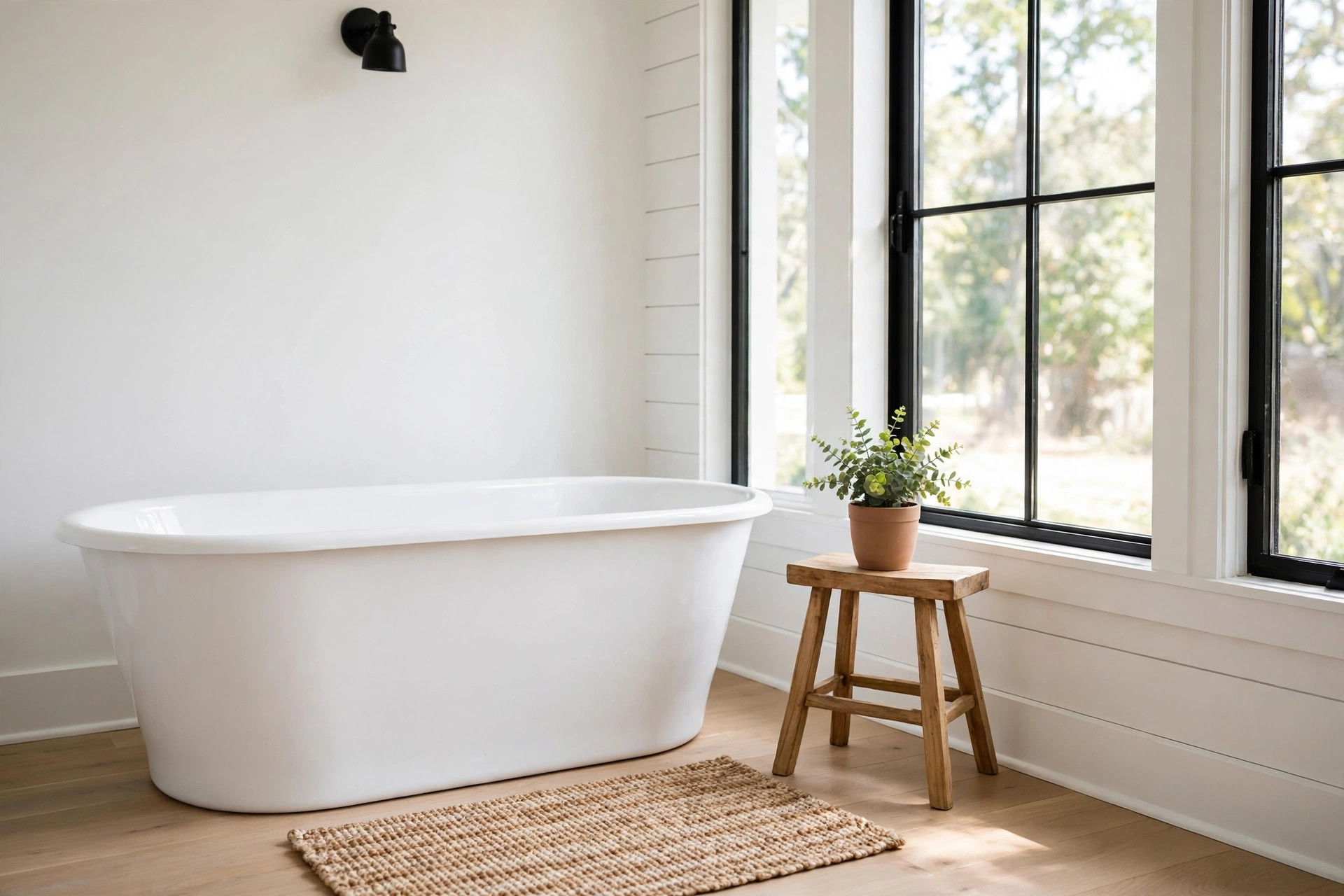

When shoppers search for freestanding soaking tubs where to buy usa, they want a clear list of trusted stores. The good news is that these tubs are now easy to find. Home centers, plumbing supply houses, and online stores all carry them. This guide will show you where to buy, what to look for, and how to get a fair price.
Why a Freestanding Soaking Tub Matters
A freestanding soaking tub stands on its own. It needs no wall or surround. The deep shape lets you sink in up to your shoulders. Water stays warm longer than in a shallow tub. Many buyers say it turns an ordinary bathroom into a quiet place to rest.
These tubs also lift the look of a room. A single sculpted tub can change a plain bathroom into a calm retreat. Builders and remodelers favor them for guest baths and master suites. When you plan a bathroom upgrade, this one fixture makes a strong impact. Home buyers notice a nice tub too. Real estate agents often point it out as a selling feature in listings.
Soaking tubs also suit many bath styles. A clawfoot shape fits an old farmhouse. A smooth oval fits a new condo. Because the tub needs no tile surround, it can anchor a room on its own. That saves money on tile and trim.
Where to Buy Freestanding Soaking Tubs in the USA: Freestanding Soaking Tubs Where to Buy Usa
You have three main choices: big home centers, online stores, and local plumbing shops.
Big Home Centers
Home Depot and Lowe’s sell many freestanding soaking tubs in the United States. Their websites show hundreds of models. You can read reviews, check sizes, and compare prices. Many stores also keep floor models on display. That lets you see the tub and sit in it before you buy. Delivery and basic hauling are often free with a large order.
Online Stores
Web-only sellers can offer lower prices. They cut out the store overhead. Shipping is usually free, but it can take one to three weeks. Read the return policy with care. A tub is heavy, and return freight can cost hundreds of dollars. Buy from a seller with a clear damage policy and a real phone number.
Local Plumbing Supply Houses
A local supply house serves trade pros, but most also sell to walk-in buyers. The staff know the products well. They can tell you which brands hold up and which parts wear out. Prices may be a little higher than online, yet you get advice you can trust. Some local shops also offer delivery and install help.
Specialty Bath Showrooms
Cities with bath showrooms give you the best in-person view. These shops carry high end brands that big stores do not stock. The staff can set up a full display with the faucet and tile you plan to use. You pay more at a showroom, but you see exact colors and finishes. This helps when you want a tub that matches the rest of the room.
Factory Outlets and Warehouse Sales
Some makers sell overstock and floor models through outlets. Prices can run 20 to 40 percent below retail. Stock is limited, so choices change often. Call ahead to ask what sizes are on hand. Check the tub for chips and scratches before you pay, since outlet sales are often final.
What to Look for When You Shop
Use this checklist before you spend your money.
Size and Shape
Measure your bathroom first. Most soaking tubs run 60 to 72 inches long and 28 to 32 inches wide. Leave at least 4 to 6 inches of space on all sides for cleaning. Oval tubs fit tight rooms well. Rectangular tubs suit modern rooms. Double-ended tubs let you recline from either side.
Material
Acrylic is the most common choice. It is light, warm to the touch, and easy to clean. It also keeps heat well. Cast iron lasts for decades but is very heavy. It may need extra floor support. Solid surface and stone resin look high end and hold heat, yet they cost more. Fiberglass is cheap but can feel thin. A freestanding soaking tub buying guide can help you weigh these materials side by side.
Drain and Faucet Placement
Some tubs come with an integrated drain and overflow. Others need a separate floor-mounted faucet or a wall-mounted spout. Freestanding faucets cost extra and must be plumbed through the floor. Plan this before you order, since moving drain lines after the fact is costly.
Weight and Floor Support
A filled soaking tub can weigh 500 to 800 pounds or more. Most wood floors handle this if the tub sits near a load-bearing wall or over a joist. If you are unsure, ask a contractor to check the floor. This step takes one visit and can save you from real trouble.
Overflow and Drain Style
Most modern tubs use an integrated overflow that sits near the top edge. Older style tubs may use an exposed chain drain. Integrated drains look cleaner and leak less. Check the finish of the drain cover. It should match your faucet. Cheap plastic covers can crack, so pick metal if you can.
Tub Feet and Base Style
Slipper-foot tubs sit on small feet and show the floor under them. They suit classic rooms and make mopping easy. Plinth-base tubs sit flat on the floor with a solid base. They look modern and hide the drain parts. Pick the style that fits your floor and your taste.
Types and Options
Every tub type has trade-offs. Think about heat hold, weight, care, and price before you choose.
– Acrylic soaking tubs. Light, affordable, and warm. The best value for most homes. – Cast iron soaking tubs. Heavy and classic. Great heat hold. Needs a strong floor. – Copper soaking tubs. Stylish and naturally germ resistant. Needs regular polish. – Stone resin soaking tubs. Smooth and solid. High end look with a warm feel. – Air jet soaking tubs. Small jets stir the water for a soft massage. Needs power at the tub. – Wooden Japanese soaking tubs. Deep and narrow. Made for sitting upright in hot water.
How to Plan Delivery and Install
A tub is heavy and fragile, so plan the delivery well. Measure every door, hall, and stair turn from the front door to the bathroom. Most tubs need a 30-inch clear path. If the path is tight, ask the seller about white-glove delivery. That service brings the tub inside and sets it in place.
Time the delivery with your plumber. The plumber should be on site when the tub arrives. That way any damage or missing parts can be reported at once. Keep the tub in its box until the room is ready. Dust and tools can scratch a bare tub fast.
Check the floor before install day. The floor must be level. A tub that tilts will not drain right and may stress the seal. Your installer can shim small gaps, but large slopes need repair first.
Test the drain before you close up the floor access. Fill the tub and watch for leaks at the drain and overflow. This takes ten minutes and saves you from cutting open a finished floor later.
Cost and Price
Prices run wide. A simple acrylic tub from a big store can cost 500 to 1,200 dollars. Mid-range models with nicer finishes run 1,200 to 2,500 dollars. High end stone, copper, or designer tubs can reach 3,000 to 6,000 dollars or more.
Watch for extra costs. A freestanding faucet can add 200 to 900 dollars. Delivery fees vary. If your drain must move, plumbing work can add several hundred dollars. Set your budget with these extras in mind.
Sales happen often. Home centers run bath events in spring and fall. Holiday weekends bring deep cuts. Online sellers drop prices at year end. If you are not in a rush, wait for a sale and save. Also ask about price matching. Some stores will match a lower price from a rival, which can save you a trip.
Care and Upkeep
Care is simple if you keep a routine. Rinse the tub after each use. Wipe it dry with a soft cloth. Use a mild cleaner, not bleach or rough pads. Harsh cleaners can dull the finish over time.
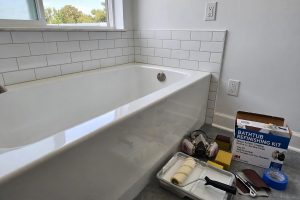
Check the drain and overflow once a year. Tighten any loose parts. If your water is hard, wipe mineral spots with a mix of water and white vinegar. For acrylic, a car wax made for plastic can bring back shine once a year. If an old tub looks worn, bathtub refinishing kits can restore the surface at low cost.
Safety
Step in and out with care. Soaking tubs are deep, and the sides can be slick. A non-slip mat on the floor helps. Keep bath oils off the tub floor, since they make it slippery.
Water temperature matters. Keep it at or below 104 degrees Fahrenheit. Test the water before you get in. Limit long soaks to 15 to 20 minutes. Pregnant women, young children, and people with heart trouble should check with a doctor first. If you share the bath with kids, never leave them alone in the tub.
Secure the tub well. A full tub must sit level on a strong floor. Ask your installer to check the feet or base. A tub that rocks can leak at the drain seal.
FAQ
Can I buy a freestanding soaking tub online in the USA?
Yes. Many US stores sell them online with free delivery. Check the return policy before you order. Read reviews for notes on shipping damage and fit.
How much does a good freestanding soaking tub cost?
Most buyers spend 800 to 2,500 dollars for a solid acrylic or mid-range tub. High end models cost more. Add the faucet, delivery, and plumbing to your budget.
Do I need a plumber to install one?
In most cases, yes. The drain must line up, and the floor must hold the weight. A licensed plumber will also make sure the seal does not leak.
Will a freestanding tub fit my small bathroom?
Many 60-inch models fit standard alcoves. Measure twice, and leave room for the faucet and for cleaning around the tub.
Where can I see tubs in person before I buy?
Home Depot and Lowe’s showrooms often have floor models. Local plumbing shops also display tubs. Sitting in the tub tells you more than any photo.
Are freestanding soaking tubs hard to clean?
Not really. The smooth surface wipes clean. Since the tub stands alone, you can walk around it and reach every side. That makes cleaning easier than with a built-in tub.
What is the best material for a soaking tub?
Acrylic wins for most buyers. It is light, warm, holds heat well, and costs less than cast iron or stone. Cast iron lasts longer but weighs much more. Pick based on your floor and your budget.
Do freestanding tubs need special plumbing?
Yes, in most cases. The drain runs through the floor instead of a wall. A freestanding faucet also needs floor plumbing. Plan this with your plumber before you order the tub.
A Short Final Word
A freestanding soaking tub is one of the best buys in a bathroom remodel. Take time to measure, compare materials, and pick a seller you trust. Read the reviews, check the return terms, and watch for seasonal sales. If you are still browsing, look at freestanding soaking tubs for sale in the USA for current models and prices. Good advice also comes from sites like This Old House, The Spruce, Bob Vila, and HGTV, which review tubs and show real installs. Buyers who do this homework end up with a tub they enjoy for years.
Buying guides are also published by Delta Faucet and American Standard.
References
American Standard. (n.d.). Bathroom and kitchen products. https://www.americanstandard.com Bob Vila. (n.d.). Home improvement advice. https://www.bobvila.com Delta Faucet. (n.d.). Kitchen and bathroom faucets. https://www.deltafaucet.com HGTV. (n.d.). Home and garden ideas. https://www.hgtv.com Lowe’s. (n.d.). Home improvement products. https://www.lowes.com The Home Depot. (n.d.). Home improvement products. https://www.homedepot.com The Spruce. (n.d.). Home and garden advice. https://www.thespruce.com This Old House. (n.d.). Home renovation guidance. https://www.thisoldhouse.com
Was this guide helpful?

About Sarah Mitchell
The My Garden US editorial team writes practical, in-depth home and garden guides for American homeowners — tested advice, no fluff.
You May Also Like
Bathroom Sink Vanities for Sale USA: How to Choose the Right One
May 25, 2026 0 views
Brushed Nickel Faucets for Florida Homes: A Buyer’s Guide
June 8, 2026 0 views
Walk In Shower Kits for Texas Homes: A Practical Buyer’s Guide
April 30, 2026 0 views