Any family that plans a new deck soon will hear about PVC. The material has grown fast across the country, from hot southern porches to snowy northern yards. Yet the choice is not simple. A full look at pvc decking pros and cons for usa homes helps a buyer see both the promise and the price before a single board is cut.
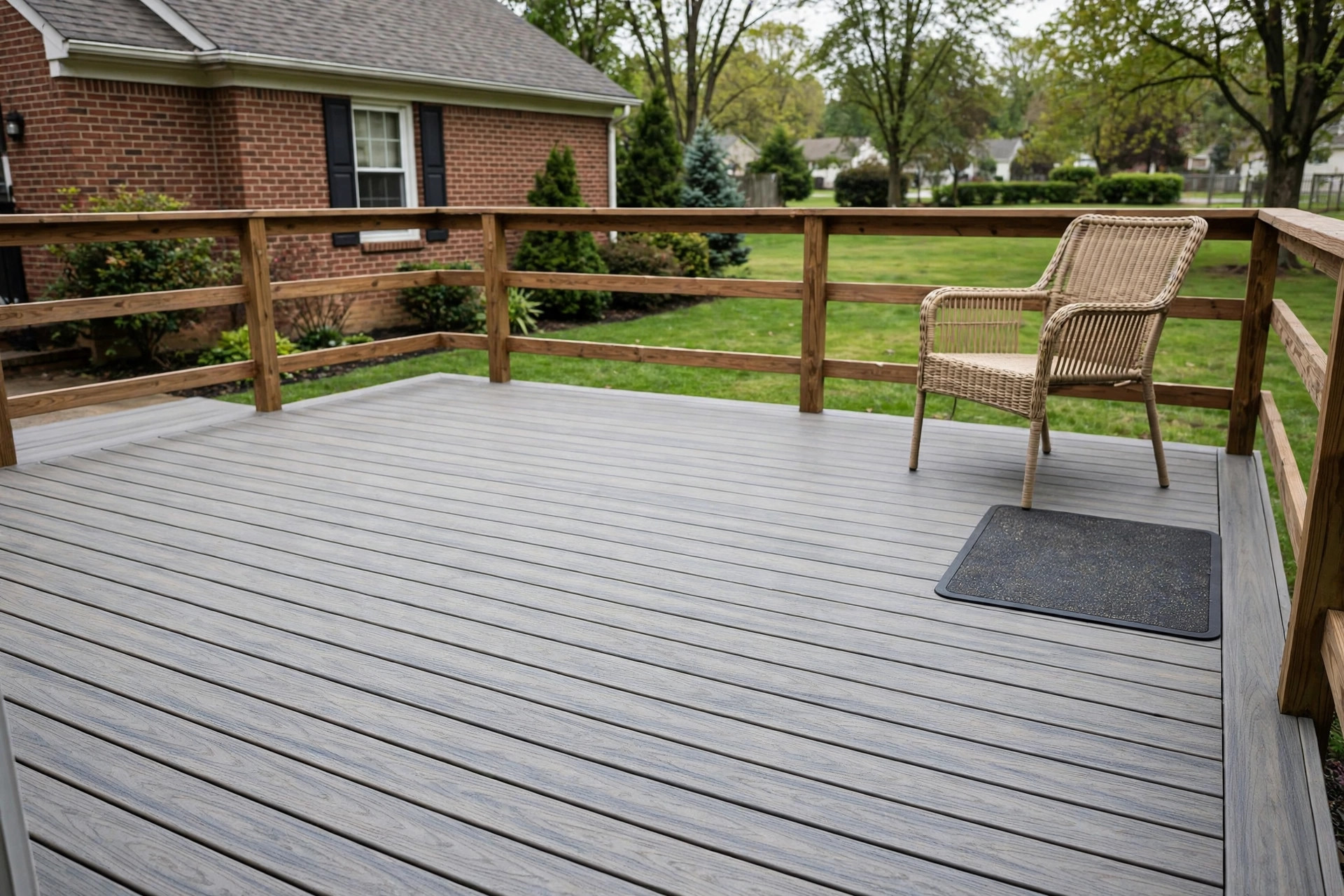
PVC decking is made from polyvinyl chloride, the same base plastic used in pipes and window frames. Unlike wood, it has no grain that can rot. Unlike many composite boards, it contains no wood fiber at all. It is a full plastic board with color and texture built into its skin. For many American homes, that sounds like a dream. The sections below weigh that dream against the real cost.
Why This Choice Matters
A deck is one of the largest outdoor purchases a home owner makes. A 300 square foot deck can cost as much as a used car. The boards chosen will face sun, rain, ice, and foot traffic for decades. Wood asks for care each year. Concrete needs its own kind of upkeep, as shown in any good stamped concrete vs pavers cost comparison. PVC asks for little care but demands more money up front.
The stakes also differ by region. In the South, heat and humidity eat wood alive. Termites add to the damage. In the North, freeze and thaw crack weak boards. Out West, the sun bleaches color fast. PVC claims to stand up to all of it. Whether that claim holds in each climate is the heart of pvc decking pros and cons for usa homes.
Resale value matters too. A neat, low care deck can lift a home’s appeal when it goes on the market. A deck that fades, warps, or stains can drag it down.
What to Look For When You Shop: Pvc Decking Pros and Cons for Usa Homes
Not all PVC boards are equal. The first thing to check is whether the board is cellular PVC or solid PVC. Cellular boards are lighter, with small air pockets inside. Solid boards are denser and heavier. Solid boards often feel more like real wood underfoot and resist dents better.
Second, look for a capped board. Capped pvc decking has a tough outer shell bonded to the core. The cap carries the color and the wood grain print. It guards against stains and fading. Uncapped boards cost less but wear faster. Most brands sold today are capped.
Third, check the warranty. A long warranty tells you the maker trusts the board. Look for coverage of at least 25 years for residential use. Read what it covers: fading, staining, and structural defects are the key terms. Some warranties drop off if the deck sits near water or in extreme heat, so read the fine print.
Fourth, test the slip factor. Ask the dealer for the slip resistance rating. Some PVC boards run smooth and get slick when wet. Textured boards grip better. This matters most around pools and in rainy states.
Fifth, think about color and heat. Dark PVC boards absorb the sun and can grow hot under bare feet. In Arizona or Florida, a light gray or tan board stays cooler. Many makers now print heat reflect into their caps, which helps.
Home centers such as Home Depot and Lowe’s carry samples you can hold and compare side by side. Flooring specialists like LL Flooring also stock outdoor boards in many regions.
Types and Options on the Market
PVC decking comes in several board styles. Hollow boards weigh less and cost less. They work well for large decks where weight matters. Solid boards cost more but span wider gaps between joists and feel firmer.
Edge styles matter at install time. Square edge boards are plain and simple. Grooved boards accept hidden clips. Hidden clips give a clean surface with no screw heads showing. Most home owners prefer the clip look, though clips add to the hardware cost.
Color ranges are wide. Early PVC came only in white and gray. Today makers print oak, walnut, cedar, and weathered gray tones into the cap. The grain prints keep getting better each year. Still, up close the board reads as plastic to a keen eye. That is one of the honest trade offs in pvc decking pros and cons for usa homes.
Brands also differ in how they handle expansion. PVC grows and shrinks with heat more than wood does. Good makers design end gaps and clip systems to handle this movement. Leaders in the space, such as Trex, publish span and gapping charts that a good installer follows to the letter.
Some makers sell PVC railing, fascia, and stair treads to match the deck boards. Buying the full system from one maker keeps the color uniform and keeps the warranty simple.
Advice columns at The Spruce and This Old House review board types each season and show real install photos.
Cost and Price
Here is the hard truth. PVC decking is the most costly common deck material. Material alone runs from about $8 to $14 per square foot for the boards. Add joists, clips, screws, railings, and labor, and a finished deck often lands between $25 and $45 per square foot. A 300 square foot deck can run $7,500 to $13,500 before extras like stairs or lighting.
Wood pressure treated pine costs far less up front, often $3 to $6 per square foot for boards. Composite boards sit in the middle, around $5 to $10 per square foot. Over twenty years, though, the math shifts. Wood needs stain or sealer every one to two years, plus board swaps as boards rot. Those care costs add up.
A fair way to compare is cost per year of service. If a PVC deck lasts 30 years with light care, its yearly cost can beat wood over the same span.
Labor costs swing by region. In high wage cities, install labor can double the board cost. Get three written quotes before you sign. Home owners who are also pricing indoor work may find a large format tile for small bathroom usa guide useful for a cost sense of tile projects.
Price tracking at Mohawk and Shaw gives a sense of how synthetic flooring prices trend year to year, and tile price guides at Daltile help compare outdoor surface costs.
The Pros
The main draw of PVC is freedom from rot. The board has no wood fiber, so fungi and termites have nothing to eat. In damp Gulf Coast yards or rainy Northwest lots, that is a large plus. Boards do not splinter, so bare feet stay safe.
Stain resistance is strong on capped boards. Ketchup, wine, and grease wipe off with soap and water. Food spills at a cookout cause little worry. Mold and mildew can still grow on surface dirt, but a wash clears them.
Color holds well. PVC takes color through the cap rather than as a surface stain, so it fades less than painted wood. Makers back this with fade warranties of 25 years or more. The deck looks near new after a decade if it is kept clean.
Weight and workability help the builder. PVC cuts clean with standard saws. It bends a bit with heat, which allows curved deck edges.
Fire ratings are better than wood. PVC does not feed flame the way pine does. In wildfire zones in California and the West, that can matter for code and insurance. Check local rules, since some zones limit plastic deck materials too.
The Cons
Price is the chief con. PVC costs more than wood and most composites. For large decks, the gap runs into thousands of dollars. Budget builders often rule it out at once.
Heat is a real issue. PVC holds heat more than wood. Dark boards in full sun can reach temperatures that burn bare feet. Light colors and shaded layouts help, but the deck will still run warmer than a wood deck on a July afternoon.
The look is not wood. Up close, the grain print and the plastic sheen give it away. Some home owners love the clean look. Others find it false. Taste is personal, but it belongs in any honest list of pvc decking pros and cons for usa homes.
Scratches show. Move a heavy grill or drag a chair and the cap can scuff. Deep scratches cut through the cap and show the core color beneath.
Expansion and contraction need care. A long board can grow a quarter inch or more in summer heat. Installers must leave proper end gaps and use the right clips. A careless install leads to buckling or wide winter gaps. Hiring a builder with PVC skill is not optional.
Environmental cost is worth a thought. PVC is a plastic made from fossil fuels. It lasts long, which offsets some harm, and old boards can be recycled in some programs.
Care and Upkeep
PVC asks far less care than wood, but not zero care. Sweep the deck each week in leaf season. Wash it two or three times a year with warm water and mild soap.
Avoid harsh cleaners. Bleach and strong solvents can dull the cap or harm the color. Read the maker label before using any deck wash. A garden hose and a bucket solve most jobs.
Check the fasteners once a year. Hidden clips can loosen as boards move with the seasons. Tighten or swap any clip that has worked free.
Snow needs a plastic shovel. Metal edges gouge the cap. Shovel along the board length, not across it. Salt and ice melt products are fine in most cases, but rinse them off in spring.
Grill mats are smart. Place a mat under the grill to catch grease and to block heat. Hot coals dropped on PVC will melt a mark that cannot be sanded out.
Safety
Slip safety comes first. Choose a board with a textured cap, and test a wet sample before you buy. Around pools and hot tubs, grip matters more than color. Keep the surface free of algae with regular washing.
Heat burns are the next risk. On hot days, test the board with your hand before kids run out barefoot. Outdoor rugs in traffic paths cool the walk and add grip. Light colored boards stay markedly cooler than dark ones.
Structural safety is the builder’s job. PVC boards span less distance than wood of the same size. Follow the maker’s joist spacing chart, usually 12 inches on center for diagonal layouts. Never guess at spans. A deck collapse is a grave event, and code exists to stop it.
Fire rules vary. Some towns near wildfire zones restrict plastic decks or demand a setback from the house. Call the local building office before you buy. Permits and inspections apply to decks in most US cities and counties.
End cuts need sealing. Where a board is cut, the core shows. Makers sell end coating or matching fascia to close these cuts. Sealed ends keep water and dirt out of the board and keep the warranty valid.
Frequently Asked Questions
How long does PVC decking last? Most makers rate their boards for 25 to 50 years in home use. Real life span depends on sun, care, and install skill. A well built deck in a mild climate can serve 30 years with light washing. Harsh sun shortens color life even when the board stays sound.
Is PVC decking better than composite decking? It depends on the need. PVC has no wood fiber, so it resists moisture and insects a bit better than wood plastic composite. Composite often costs less and can look a touch more like wood. Both beat plain wood for low care. Compare warranties side by side before you choose.
Does PVC decking get slippery when wet? It can. Smooth caps turn slick with water or algae. Textured boards grip far better. Wash the deck often in damp climates, and pick a high traction board for pool sides and shaded yards that stay wet.
Can you paint PVC decking? Paint sticks poorly to PVC and most makers void the warranty if you paint. The cap is meant to carry the color for life. If you want a new color, replace the boards rather than paint them.
Is PVC decking safe for pets? Yes, with care. The surface will not splinter paws, which is a plus over old wood. But dark boards get hot in sun, so give dogs a shaded rest spot and a water bowl. Rinse off muddy paw prints to guard the cap, much like you would guard any best hardwood floor finish for dogs usa inside the home.
Does PVC decking add home value? A neat, modern deck tends to lift curb appeal and can help a sale. Keep receipts and warranty papers to show at sale time.
A Short Final Word
PVC decking suits the home owner who wants a deck that asks little and lasts long. It costs more, runs hot in sun, and will never fool a carpenter into thinking it is wood. It also will not rot, splinter, or feed termites, and it shrugs off spills that would stain pine.
Walk through the pvc decking pros and cons for usa homes with your climate, your budget, and your plans in mind. Touch real samples. Get firm quotes. Then choose with open eyes, and enjoy the yard for years.
References
Daltile. (n.d.). Ceramic and porcelain tile. https://www.daltile.com LL Flooring. (n.d.). Hardwood, vinyl, and tile flooring. https://www.llflooring.com Lowe’s. (n.d.). Home improvement products. https://www.lowes.com Mohawk Flooring. (n.d.). Flooring products. https://www.mohawkflooring.com Shaw Floors. (n.d.). Flooring products. https://www.shawfloors.com The Home Depot. (n.d.). Home improvement products. https://www.homedepot.com The Spruce. (n.d.). Home and garden advice. https://www.thespruce.com This Old House. (n.d.). Home renovation guidance. https://www.thisoldhouse.com Trex. (n.d.). Composite decking and outdoor living. https://www.trex.com
Was this guide helpful?

About Jennifer Lee
The My Garden US editorial team writes practical, in-depth home and garden guides for American homeowners — tested advice, no fluff.