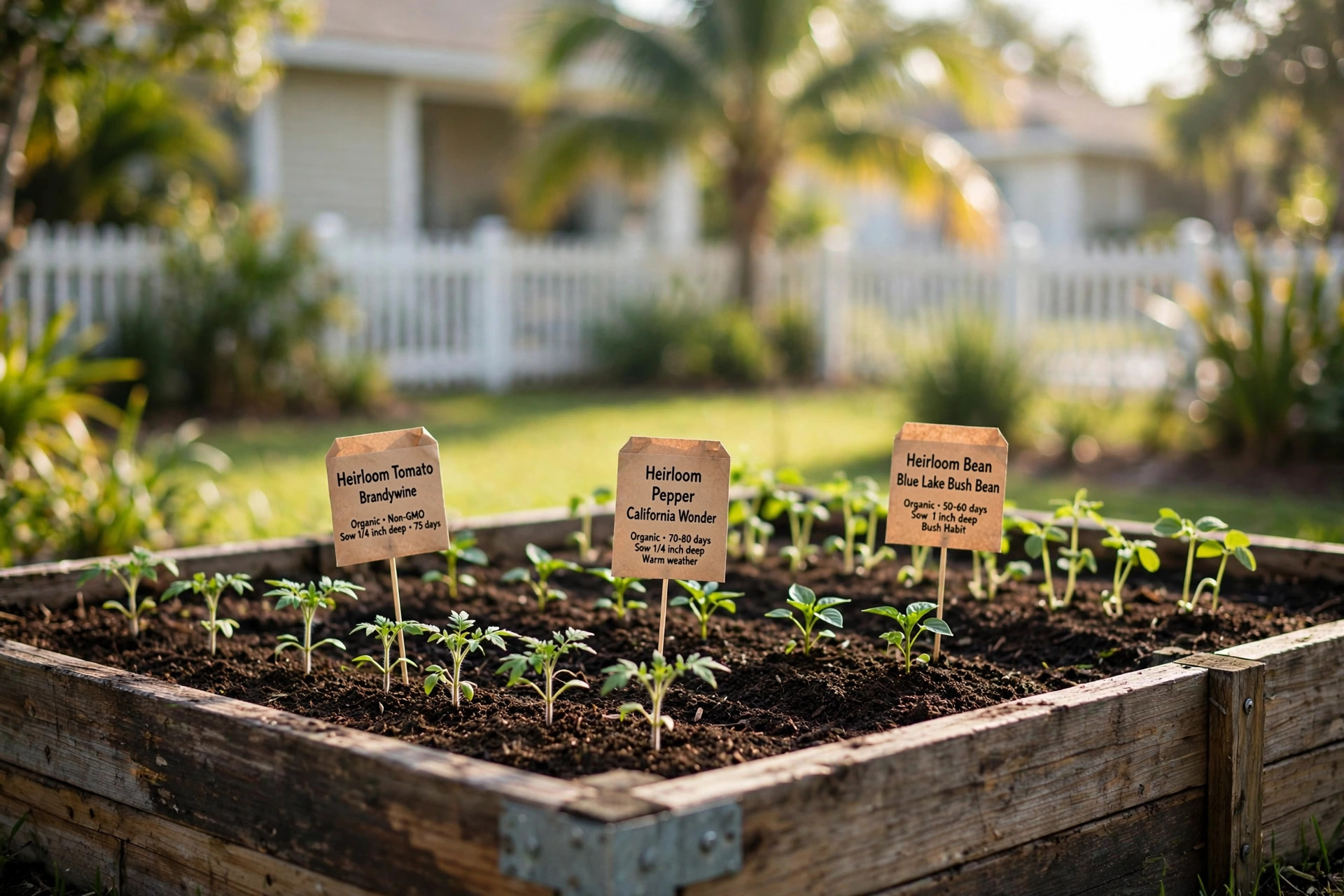
Many people in Florida want to grow their own food. They want tomatoes that taste like the tomatoes of their youth. They want beans, squash, and peppers from plants their grandparents knew. Heirloom vegetable seeds florida homes usa is the long-tail search phrase these gardeners use, and it points to a simple truth: old varieties grow very well in the long, warm Florida season. This guide explains how to choose heirloom vegetable seeds, what they cost, when to plant them in Florida, and how to care for the plants. It is written in plain language for the home gardener.
Why Heirloom Seeds Matter in Florida
An heirloom seed is a seed that comes from an open-pollinated variety. The variety has been passed down for many years, often for fifty years or more. Farmers and gardeners saved seed from the best plants, year after year. The result is a plant that breeds true. The seed you save from this year’s crop grows a plant just like its parent.
This matters for three reasons. First, heirloom vegetables often have a deeper taste than the standard varieties sold in stores. Old tomato types, for example, are prized for their full flavor. Second, you can save seed from the harvest. With hybrid seed, you must buy new seed each year. With heirloom seed, your garden can keep going on its own. Third, many heirlooms were selected before the age of cold storage and long shipping. They were selected for the kitchen table. That makes them a good fit for a home garden in Florida, where the goal is fresh food, not freight.
Florida also has a special place in the history of the American garden. The state has grown vegetables for over a hundred years. Many old varieties were grown on small farms in the South. When you plant heirloom vegetable seeds in a Florida home garden, you continue that tradition.
How to Choose Heirloom Vegetable Seeds for a Florida Home: Heirloom Vegetable Seeds Florida Homes Usa
A seed packet that works in Ohio may fail in Miami. Florida has heat, heavy rain, sandy soil, and a long growing season. Choose seed with those facts in mind.
Check the Variety for Heat and Rain
Look for varieties that set fruit in hot weather. Some tomato and bean types stop setting fruit when the nights stay warm. Others keep going. The packet or the seed seller often notes “heat set” or “Southern type.” Those words are a good sign.
Also think about rain. Florida gets hard summer storms. Varieties with tough skins resist cracking after a storm. This is true of some old pepper and tomato types. A local nursery can tell you which heirlooms other Florida gardeners grow with success. Advice from a general guide to heirloom vegetable seeds can also help you read seed descriptions with care.
Open-Pollinated and True to Type
Make sure the packet says “open-pollinated” or “heirloom.” Some packets use the word “heirloom” loosely. A true heirloom is an open-pollinated variety with a long history. If the packet says F1, it is a hybrid, not an heirloom. The difference matters if you plan to save seed.
Check the days to maturity on the packet. In South Florida, you can plant in fall and grow through the mild winter. In North Florida, frost arrives, so count the days back from your first frost date. This small step prevents the loss of a whole crop to a cold snap.
Buy From a Source That Tests for Florida
Some seed sellers test their varieties in the South. Others do not. A seller who grows trial plots in a warm state is worth your trust. The Seed trade is old and honest in its best parts. Burpee has sold seed to American home gardeners for well over a century, and gardeners can learn about heirloom seeds and trial results on the company site. Other firms such as Park Seed also carry a wide range of home garden seed, and their seed catalog and growing notes give useful detail for new growers.
Types of Heirloom Vegetables That Grow Well in Florida
Florida has two main growing seasons in most of the state. The warm season runs from spring into fall. The cool season runs from fall into spring. Heirloom varieties exist for both.
Warm-Season Vegetables
Tomatoes are the queen of the heirloom garden. Types like Brandywine, Mortgage Lifter, and Cherokee Purple are famous for flavor. In Florida, plant them early so they set fruit before the worst heat. Many gardeners use shade cloth in June and July to help the plants through the hottest weeks.
Peppers love Florida heat. Old types such as California Wonder and Cubanelle do well. Hot peppers of many old types also thrive. Okra is another star. It was brought to the South long ago and grows with ease in Florida summers. It asks for little and gives much.
Southern peas, known as cowpeas, are a classic. They fix nitrogen in the soil and feed the family at the same time. Sweet potatoes do well in sandy Florida soil. Seminole pumpkin, a true Florida heirloom, was grown by Native people in the state long before the first seed catalog. It stores well and tastes sweet.
Cool-Season Vegetables
When the heat eases in the fall, plant leafy greens. Old lettuce types, collard greens, and mustard greens grow through the Florida winter. In the northern part of the state, a hard freeze can kill tender plants, but many greens take light frost with no harm.
Carrots, beets, and turnips do well in the cool months. Choose types with short roots for sandy soil. Broccoli and cabbage also grow in the Florida winter. Garlic and onions need types suited to short winter days. Southern gardeners often plant short-day onion types in the fall.
Seed sellers with deep catalogs help here. Gurney’s has served home gardeners for generations, and the Gurney’s seed and plant collection lists many heirloom types with clear growing notes. White Flower Farm is better known for flowers, but its garden plant resources show how serious growers think about soil and season.
What Heirloom Vegetable Seeds Cost
One good fact about this hobby: it is cheap to start. A packet of heirloom vegetable seed usually costs between one and six dollars. That is the whole price range for most packets. A single packet holds enough seed for a family garden, and often for two or three gardens.
Compare that with the cost of buying plants at a nursery. A six-pack of tomato starts can cost five or six dollars. One seed packet of the same variety costs three dollars and can grow fifty plants. If you save seed from your crop, the cost drops to nearly zero in the second year.
The larger costs are soil, compost, and water. A raised bed made of simple lumber may cost thirty to fifty dollars. A bag of compost costs about five dollars. Drip irrigation for a small bed costs around twenty dollars. These are one-time costs in most cases. The seed itself is the cheapest part of the garden.
For the gardener who wants a full pantry, seed saving is the key. Let one or two of your best plants go to seed. Dry the seed fully. Store it in a cool, dry place. Label each packet with the variety and the year. Next spring, you plant again for free. The University farm system supports home food growing too, and the National Institute of Food and Agriculture shares research on home and community gardening.
Planting Times Across Florida
Florida is a long state, and planting times change with latitude. North Florida near Jacksonville has a true winter. Central Florida near Orlando has frost some years. South Florida near Miami almost never freezes.
In North Florida, plant warm-season crops in March and April after the last frost. Plant cool-season crops in August and September for a fall garden. In Central Florida, start warm-season crops in February or March. In South Florida, the best season for tomatoes and many vegetables is the fall through spring. Summer in South Florida is best for okra, sweet potatoes, and tropical types.
A soil thermometer is a cheap and useful tool. Most warm-season seeds need soil above sixty degrees to sprout well. Cool-season seeds sprout in cooler soil. The Old Farmer’s Almanac has tracked planting dates for over two hundred years, and the planting calendar tools there help gardeners set dates by region.
Starting seed indoors gives you a head start. Use seed starting trays for Florida homes and a simple shop light. Start tomatoes and peppers six to eight weeks before you plan to set them out. Keep the soil moist but not wet. Give the young plants a gentle fan breeze to make their stems strong.
Care and Upkeep
Heirloom plants need the same basic care as any garden plant: sun, water, soil, and food.
Give vegetables at least six hours of full sun. In Florida, some afternoon shade in summer helps tender plants. Water deeply but not too often. Sandy soil drains fast. A layer of mulch two to three inches deep keeps the soil cool and moist. Pine straw, leaves, or wood chips all work.
Feed the soil with compost. Work two to four inches of compost into the bed before planting. During the season, side-dress heavy feeders like tomatoes with more compost or a balanced organic fertilizer. Soil testing through your county extension office tells you exactly what the soil needs. That test costs little and saves money on fertilizer.
Watch for pests. Florida has many insects that love vegetables. Check plants often. Pick off large pests by hand. Use row cover, a light fabric, to keep flying insects off young plants. Neem oil and insecticidal soap handle many small pests. Avoid broad sprays that kill helpful insects too.
Diseases spread fast in warm, wet weather. Give plants room for air to move. Water the soil, not the leaves. Remove sick leaves at once.
Save seed only from healthy plants. This is the oldest rule of seed saving. The best plants of this year are the parents of next year’s garden.
Safety Notes
Gardening is safe work, but take a few plain steps.
Wear gloves when you handle soil and compost. Wash your hands before you eat. Keep bagged fertilizers and pest products locked away from children and pets. Read the label on any product before you use it. More is not better with garden chemicals. Follow the rate on the label.
In Florida, mind the sun and the heat. Work in the early morning. Drink water. Wear a hat. Snakes and fire ants live in Florida gardens, so watch where you step and where you put your hands. Teach children to ask before they taste any plant.
Pressure-treated lumber made before 2004 may hold old chemicals. If you build raised beds, use new untreated wood, cedar, or blocks. Line old beds if you are not sure what the wood is. Monrovia and other large growers publish safe gardening guidance that home gardeners can apply to their own beds.
Frequently Asked Questions
Are heirloom seeds harder to grow than hybrid seeds?
No. Heirloom plants grow the same way hybrid plants grow. They need sun, water, and good soil. Some heirlooms have less disease resistance than modern hybrids. That is the main difference. Choose varieties known to do well in the South, and you will have no more trouble than with any garden.
Can I save seed from heirloom vegetables in Florida?
Yes. That is one of the best reasons to grow them. Let the fruit ripen fully on the plant. For wet seeds like tomato, ferment the seed in water for two or three days, then rinse and dry it. For dry seeds like beans, let the pods dry on the plant. Store dry seed in paper packets in a cool place.
How long do heirloom vegetable seeds last?
Most vegetable seeds last two to five years if kept cool and dry. Onion seed is short-lived, often good for only one year. Tomato, pepper, and bean seed can last four or five years. Test old seed by sprouting ten seeds in a damp paper towel. If most sprout, the seed is still good.
Do heirloom vegetables grow well in Florida sand?
Yes, with compost. Florida sand drains fast and holds few nutrients. Mix in several inches of compost each season. Mulch the beds. Water often but deeply. Many gardeners find that raised beds filled with a mix of topsoil and compost work better than raw sand.
When should I start heirloom tomato seeds in Florida?
In North and Central Florida, start seed indoors six to eight weeks before the last frost. In South Florida, start in late summer for a fall garden. Tomatoes need warm soil to sprout and mild weather to set fruit. Planting too late in spring means the heat stops fruit set.
Where can I learn more about heirloom vegetable gardening?
Seed company sites carry variety notes and growing guides. The Spruce keeps home gardening guides written in plain terms. For a wider view of heirloom vegetable seeds for American homes, a broad home garden guide can set the whole hobby in context.
A Final Word
A packet of heirloom seed is a small thing. It fits in your palm. Yet it holds a long story: the farmers who saved it, the kitchens it fed, and the summers it survived. In Florida, where the growing season is long and the sun is strong, that story can continue in your own yard. Start with one bed. Plant a few old varieties. Save seed from the best. Year by year, the garden becomes yours in a way no store can sell.
References
Burpee. (n.d.). Seeds, plants, and gardening supplies. https://www.burpee.com Gurney’s Seed & Nursery Co. (n.d.). Seeds, plants, and garden supplies. https://www.gurneys.com Monrovia. (n.d.). Plants for home gardens. https://www.monrovia.com National Institute of Food and Agriculture. (n.d.). Food and agriculture research. https://nifa.usda.gov Park Seed. (n.d.). Seeds, plants, and gardening supplies. https://www.parkseed.com The Old Farmer’s Almanac. (n.d.). Gardening calendars and advice. https://www.almanac.com The Spruce. (n.d.). Home and garden advice. https://www.thespruce.com White Flower Farm. (n.d.). Plants, bulbs, and garden supplies. https://www.whiteflowerfarm.com
Was this guide helpful?

About Robert Taylor
The My Garden US editorial team writes practical, in-depth home and garden guides for American homeowners — tested advice, no fluff.