When it comes to how to grow costmary, getting the details right makes all the difference.
Table of Contents
Table of Contents
Photo: Wikimedia Commons
Costmary carries the flavor of old gardens: balsam, mint, and something entirely its own. Colonial gardeners grew it for tea and scent, and the dried leaves still make one of the most distinctive herbal teas. The plant is a vigorous perennial that spreads by rhizomes, so containment is the whole game. Give it boundaries and it gives back years of harvests from a single planting.
Costmary is a herb with a past. Colonial gardeners grew it for tea and scent, tucked sprigs in prayer books, and flavored ale with the leaves. Then it fell out of fashion and nearly vanished from gardens. It deserves better. The tall plants carry balsam-mint scented leaves that dry beautifully for tea, and once established, a single clump supplies a household for years. The challenge is stopping it, not growing it. Learning how to grow costmary means planting it with containment in mind and then mostly leaving it alone.
The plant is Tanacetum balsamita, hardy in zones 5 through 9. The USDA PLANTS Database documents the species. It spreads by creeping rhizomes and dies back in winter, returning from the roots in spring.
Getting Started
When it comes to how to grow costmary, getting the details right makes all the difference.

Many homeowners find that how to grow costmary is easier than they expected once they know the basics.
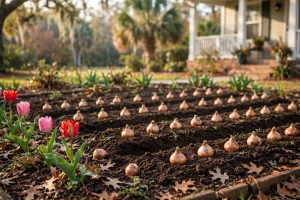
Plant divisions in a contained spot. This is the critical decision. Costmary spreads by creeping rhizomes and will wander across the herb bed if you let it. Plant in a bottomless pot sunk in the ground, a bed with deep edging, or a corner where spreading does not matter. Space plants 18 inches apart.
Give it full sun and average soil. It reaches 3 to 4 feet, so put it at the back of the herb bed where its height works. Start seeds indoors about eight weeks before the last frost, or direct-sow two weeks after the last frost, barely covering the seed. Divisions establish fastest. The Old Farmer's Almanac herb guides cover the contained-planting technique for spreaders.
When and How to Plant
Many homeowners find that how to grow costmary is easier than they expected once they know the basics.
The key to how to grow costmary is choosing the right approach for your space and budget.
Set out transplants in spring after all danger of frost has passed, about two weeks after the last frost date. The plants establish fast in warming soil. Direct-sow at the same time, once the soil has warmed.
Costmary dies back in winter and returns from the roots in spring, so do not panic at the bare ground. Mark the spot so you do not dig into it. Check your frost dates on the Old Farmer's Almanac planting calendar or your USDA zone planting dates.
Soil and Sun
The key to how to grow costmary is choosing the right approach for your space and budget.
With a little planning, how to grow costmary can fit even a busy schedule.
Full sun to partial shade and well-drained, average soil. Costmary is not fussy. Average garden soil suits it; rich soil grows lanky plants, poor soil grows compact ones. Good drainage matters more than fertility. It tolerates a range of conditions, which is why it survived centuries of cottage gardens.
Water during dry spells; otherwise it asks for little. Mulch lightly to hold moisture. The plant is tougher than it looks, with deep roots that find water. The Missouri Botanical Garden plant profiles describe the easy culture plainly.
Fellow spreading herbs need the same containment thinking. Mint and southernwood share the bed's back row, each in its own contained space.
Watering and Feeding
With a little planning, how to grow costmary can fit even a busy schedule.
Before you start, it helps to understand how how to grow costmary works in real homes.
Water during dry spells. Established costmary is quite drought tolerant. A deep watering in extended drought keeps the foliage fresh; normal rainfall usually suffices. Mulch lightly to hold moisture and suppress weeds.
Feed rarely or never. Average soil supplies everything costmary needs. Heavy feeding grows soft, floppy plants. If the bed is truly poor, a light compost top-dressing in spring helps, but restraint is the rule. The Clemson Home & Garden Information Center lists costmary among herbs that want no coddling.
Care Through the Season
Before you start, it helps to understand how how to grow costmary works in real homes.
A good plan for how to grow costmary saves time, money, and frustration.
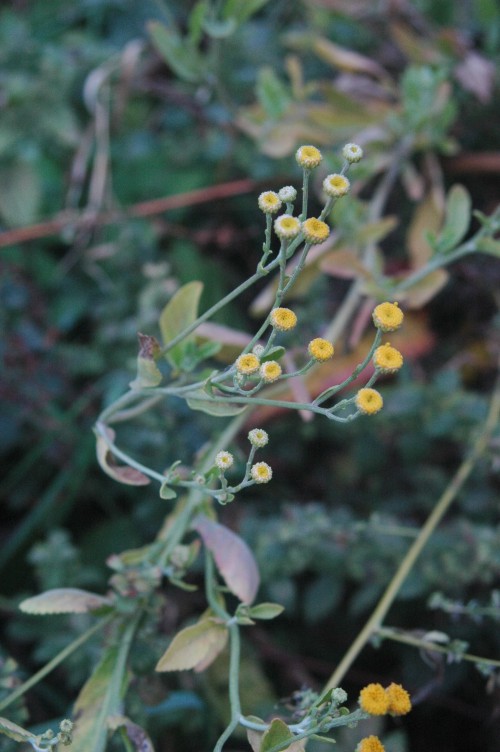
Cut the flower stalks as they appear if you want leaf production to continue. Flowering weakens the foliage and shifts the plant's energy to seed. Snip the stalks at the base when they emerge. Or leave a few for the bees; the small button flowers attract pollinators.
Few pests bother it. The aromatic foliage repels most insects. Watch the boundaries; the rhizomes creep steadily outward. Pull escapees in spring when the soil is soft. Divide the clump every three or four years to keep it vigorous and to share divisions with other gardeners. Clemson Cooperative Extension notes that dividing rejuvenates most spreading perennials.
Harvest
A good plan for how to grow costmary saves time, money, and frustration.
For most people, how to grow costmary comes down to a few smart choices.
Pick young leaves before flowering for the best balsam-mint flavor. The scent intensifies as the leaves dry, so dried costmary is more potent than fresh. Harvest lightly the first year so the clump establishes; from the second year on, cut freely.
Dry the leaves for tea. Spread them in a single layer in a warm, dark, airy place until crisp, then store in sealed jars. The dried leaves keep their scent for a year. Fresh leaves once flavored salads and ale; modern gardeners mostly use the dried leaf for tea.
A single contained clump supplies a household for years. The harvest is generous, and the plant asks only for boundaries in return.
Costmary Through the Seasons
For most people, how to grow costmary comes down to a few smart choices.
If you are new to how to grow costmary, start with the simplest option and build from there.
Spring wakes costmary from its winter dormancy; the plant dies back fully and returns from the roots. Divide crowded clumps as shoots emerge, replanting divisions in contained spots. Set out new transplants after the last frost. Mark the bed; bare spring soil hides the sleeping crowns.
Summer is the growing season. The plants reach three to four feet, with balsam-scented foliage at its peak. Cut flower stalks as they appear to keep leaf production going, or leave a few for the bees. Water in dry spells; otherwise the plant asks little. Watch the boundaries and pull escaping runners.
Fall is harvest time. Pick young leaves before flowering for the best flavor, and dry them for tea; the scent intensifies as they dry. After frost kills the tops, cut them down and mulch the crowns lightly.
Winter needs nothing beyond the mulch. The roots rest in zones 5 through 9. In spring they return, a little wider each year, which is why containment matters from the start.
Brewing Costmary Tea
If you are new to how to grow costmary, start with the simplest option and build from there.
When it comes to how to grow costmary, getting the details right makes all the difference.
Dry the leaves in a warm, dark, airy place until crisp, then store in sealed jars. The balsam-mint flavor strengthens in drying. Brew a teaspoon of dried leaf per cup, steeped five minutes. The tea is aromatic and soothing, unlike any common herb tea. A single contained clump dries enough for a year's worth of cups.
Troubleshooting
When it comes to how to grow costmary, getting the details right makes all the difference.
Rampant spreading means the containment failed. Dig a trench, install deep edging, and replant inside it. Pulling runners without a barrier is a holding action, not a solution. Weak, floppy growth means too much shade or too much fertility; move to sun and stop feeding.
No regrowth in spring might mean winter killed the crown in a cold, wet spot. In zone 5, mulch the crown after the ground freezes. Crown rot in wet soil is the main killer; improve drainage. Outside zones 5 through 9, costmary struggles: too cold in the far North, too hot in the deep South. The USDA National Agricultural Library indexes herb research, and Gardenia.net growing guides note the spreading habit.
Rampant spreading means the containment failed. Dig a trench, install edging six inches deep, and replant inside it. Pulling runners without a barrier is a holding action; the rhizomes always win eventually.
Weak, floppy growth means too much shade or fertility. Costmary wants full sun and average soil. Move divisions to a brighter spot and stop feeding.
No spring regrowth might mean winter killed the crown in a cold, wet spot. Mulch after the ground freezes in zone 5, and improve drainage. Crown rot in wet soil is the main killer; dry winter crowns survive.
For the strongest tea, harvest leaves in the morning after the dew dries, when the aromatic oils peak. Dry quickly in darkness; slow drying in light dulls the flavor. Well-dried costmary keeps its balsam punch for a full year in sealed jars.
Share divisions freely; every gardener who grows costmary got it from someone's extra clump. A divided piece establishes fast in spring and gives a full harvest by its second year.
Watch for the first shoots in spring and mark them; the bare bed is easy to dig into accidentally. A small stake with the plant's name saves the crowns from an overzealous spring cleanup. The shoots emerge late, so patience beats replanting.
Cut flower stalks for drying too; the small button blooms dry well and add scent to potpourri mixes. Hang them with the leaf harvest and strip everything once crisp. Nothing from the plant goes to waste.
A contained clump by the back door puts fresh leaves within reach for tea all summer. Convenience determines use; the handiest plant gets harvested, the distant one gets admired. Plant for the kettle, not just the eye.
References
Clemson University Cooperative Extension. (n.d.). Home & Garden Information Center. https://hgic.clemson.edu/
Missouri Botanical Garden. (n.d.). Plant finder. https://www.missouribotanicalgarden.org/
U.S. Department of Agriculture. (n.d.). PLANTS database. https://plants.usda.gov/home
University of Minnesota Extension. (n.d.). Yard and garden. https://extension.umn.edu/
Was this guide helpful?

About My Garden US
The My Garden US editorial team writes practical, in-depth home and garden guides for American homeowners — tested advice, no fluff.