Introduction
The phrase tulip bulbs fall florida homes usa sounds odd to many gardeners. Tulips belong to cold lands. Florida belongs to palms and warm rain. But Florida gardeners can still grow tulips. The trick is to give the bulbs the cold winter they never get outside. This guide shows how to buy, chill, and plant tulip bulbs in fall so Florida homes can enjoy spring color like the rest of the country. Every step is written in plain words for home gardeners in the USA.
Why Fall Planting Matters for Florida Homes: Tulip Bulbs Fall Florida Homes Usa
In most states, tulip bulbs go into the ground in fall. The cold soil of winter tells the bulb when to rest and when to wake. Florida soil rarely gets cold enough. Without help, a tulip bulb planted in Florida may send up weak leaves and no flower. Or it may rot in the warm, wet ground.
That is why fall planting matters even more for Florida homes. Fall is when you buy the bulbs and start the chill. The work you do in fall sets up the bloom you will see in spring. A little planning in October and November pays off with bright flowers in February and March. For anyone searching for tulip bulbs fall buying guide usa, this Florida method starts the same way: buy firm, healthy bulbs from a trusted source.
The Chill Trick: Why Florida Bulbs Need a Cold Spell
Tulip bulbs need six to eight weeks of cold, about 35 to 45 degrees Fahrenheit. This cold spell is called chilling or vernalization. In northern states, nature does the work. In Florida, you must do it in a refrigerator.
Chilling is not a choice. It is the single most important step for fall-planted tulip bulbs for Florida yards. Without it, the flower bud inside the bulb never forms right. With it, the bulb behaves as if it spent winter in Holland.
How Long to Chill
Most tulip varieties need six to eight weeks of chill. Some need as little as six. Buy bulbs labeled as good for warm climates when you can. They often need less chill time. Start chilling in October. Count back from your planned planting date. If you plan to plant on December 15, start chilling around October 20.
Mark the date on the bag with a pen. It is easy to forget. Garden guides at Gardening Know How and The Old Farmer’s Almanac both stress this point. The bulb cannot tell time. It only feels cold. Six full weeks of steady cold is what it needs.
Where to Store Bulbs While They Chill
Use the vegetable drawer of a spare refrigerator. Do not use a freezer. Freezing kills bulbs. Place the bulbs in a paper bag or a mesh sack. Never use a sealed plastic bag. Air must move around the bulbs.
Keep the bulbs away from fruit. Apples, pears, and bananas give off a gas called ethylene. This gas harms flower buds inside bulbs. One apple in the same drawer can ruin a whole bag of tulips. Check the bulbs once a week. Throw out any bulb that feels soft or smells bad. One rotten bulb can spread mold to the rest.
Choosing Tulip Bulbs for a Florida Yard
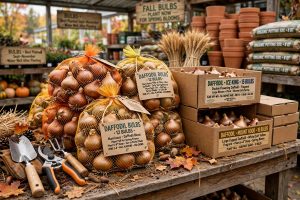
Buy bulbs as early as fall shipments allow. The best bulbs sell out first. Look for bulbs that are firm, heavy, and free of soft spots. The paper skin should be dry and tight. A bulb that feels light for its size may be dried out.
Size matters. Large bulbs make large flowers. Most good garden centers grade tulip bulbs by size. Choose the largest bulbs you can find. They cost a bit more, but they give better blooms. When you look for tulip bulbs fall for sale usa, read the size grade on the package before you buy.
Pick varieties known to do well in warm places. Darwin hybrids, single early types, and some Triumph types are good picks. Avoid very tall, late varieties. They struggle in Florida heat. Nursery catalogs like White Flower Farm and Gurney’s often mark which bulbs suit warm zones.
Types of Tulips That Do Best in Warm Climates
Not all tulips act the same in Florida. Some handle short winters better than others. Here are the types most Florida gardeners trust.
Darwin hybrid tulips are the top pick. They are tall, strong, and bloom in bright reds, pinks, and yellows. They handle chill well and come back stronger than most types in warm ground.
Single early tulips bloom sooner than other types. They are shorter and finish before the worst spring heat arrives. This makes them a smart match for Florida.
Triumph tulips sit in the middle. They bloom mid-season and come in many colors. Many Florida gardeners grow them as one-year flowers. They plant fresh bulbs each fall and enjoy one strong show.
Fosteriana tulips, sometimes called Emperor tulips, have very large flowers on short stems. They need less chill than many types. They work well for gardeners who want big color with less fuss.
Double late and parrot types look fancy, but they often flop in Florida warmth. Save those for cooler states, or grow them in pots where you can move them into shade.
When and How to Plant
Plant chilled bulbs in late December or early January in most of Florida. The soil should be cool to the touch. In south Florida, wait until January. In the panhandle, late December works well. Night air that feels crisp tells you the time is right.
Choose a spot with full morning sun and light afternoon shade. Florida sun in late winter can be strong. A bed on the east side of the house is often perfect. The soil must drain well. Tulips hate wet feet. If your yard holds water after rain, plant in raised beds or large pots.
Step by Step Planting
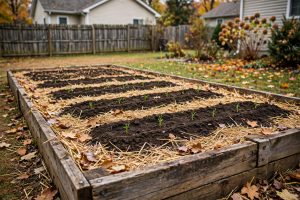
First, work the soil. Dig the bed about eight inches deep. Mix in compost or aged bark. This loosens the soil and feeds the bulb. Sandy Florida soil drains fast but holds little food. Compost fixes both problems.
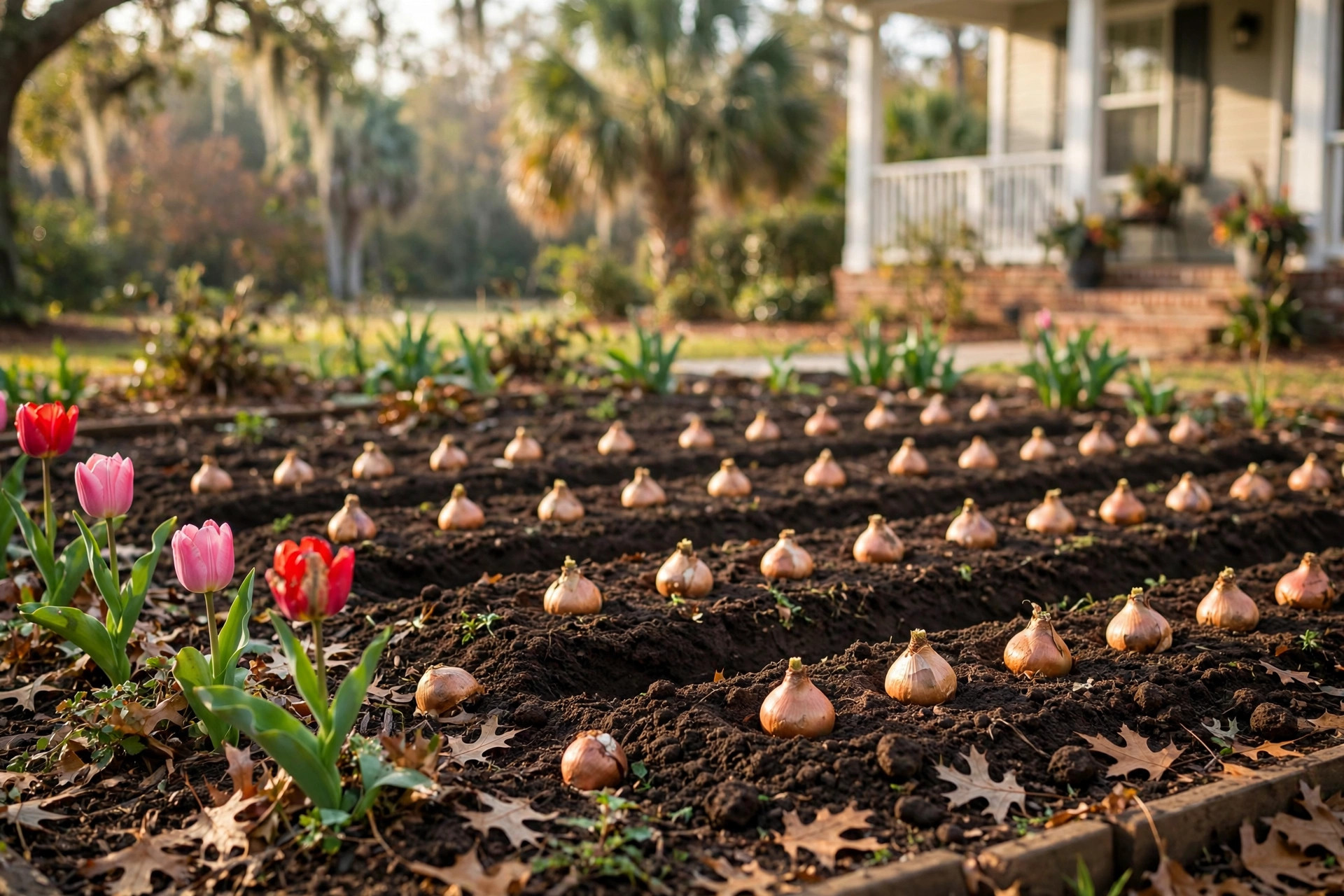
Second, dig each hole six to eight inches deep. That is about three times the height of the bulb. Space bulbs four to six inches apart. Place each bulb with the pointed end up. The flat end, where roots grow, goes down.
Third, cover with soil and press it down gently. Water well right after planting. This settles the soil around the bulbs and starts root growth.
Fourth, add two to three inches of mulch. Pine straw, bark chips, or shredded leaves all work. Mulch keeps the soil cool and holds moisture. It also keeps the bed neat through winter.
Finally, mark the bed. Small plant stakes or a simple map on paper will do. In six weeks, when green tips push up, you will be glad you know where each color sits.
Cost and Price
Tulip bulbs are one of the cheapest ways to add spring color. In the USA, prices for fall tulip bulbs usually run from about one dollar to six dollars per bulb. The cost depends on variety, bulb size, and how many you buy.
Common Darwin hybrids often cost two to three dollars each in small packs. Rare colors and new introductions cost more. Bulk bags of fifty or one hundred bulbs bring the per-bulb price down. If you want a big bed of one color, bulk buying saves real money.
Add the cost of compost and mulch. A bag of compost covers a small bed and costs a few dollars. Pine straw is cheap in Florida and often free if you rake your own yard. Pots cost more than bed planting, but pots let you control the soil fully.
For most Florida homes, a bed of fifty bulbs costs between fifty and one hundred fifty dollars all in. That is a fair price for six weeks of bright spring flowers.
Care and Upkeep After Planting
Once planted, tulips ask for little. Water when the soil feels dry an inch below the surface. Winter rain in Florida often does the job. Do not overwater. Soggy soil rots bulbs fast.
Do not fertilize at planting time beyond the compost you mixed in. A light feeding with bulb food in early spring, when shoots are a few inches tall, helps the bloom. Follow the label. More is not better.
Watch for pests. Squirrels and rats love tulip bulbs. If digging animals are a problem in your yard, lay a sheet of chicken wire flat over the bed after planting. Cover it with mulch. Shoots grow through the wire, but paws cannot dig.
When flowers fade, cut off the dead flower head. Leave the leaves alone. The leaves feed the bulb for next year. Let them turn yellow and dry on their own before you pull them. This step matters most if you hope for a second year of blooms.
In Florida, most tulips are best grown as annuals. The heat and wet summer soil wear bulbs out. Many gardeners simply plant fresh chilled bulbs each fall. This gives a full, even show every spring. If you want to try for a second bloom, lift the bulbs after the leaves die, dry them in shade, and store them cool and dry until fall chilling time.
Safety Notes
Tulip bulbs are not food. Every part of the tulip plant can cause harm if eaten. The bulbs hold the most toxins. Keep bulbs away from children and pets during planting. Wash your hands after handling bulbs. Some people get a skin rash from bulb dust. Gloves solve this.
Store chilling bulbs where children cannot reach them. A refrigerator drawer full of bulbs can look like onions to a small child. Label the bag clearly.
Check local rules before you plant near wells or waterways. Fertilizer and mulch runoff can reach water. Keep beds a safe distance from wells. The U.S. Department of Agriculture offers free guidance on safe home gardening through local extension offices in every state.
Frequently Asked Questions
Can tulip bulbs really grow in Florida?
Yes, with pre-chilling. Florida winters are too warm to chill bulbs in the ground. Chill them in a refrigerator for six to eight weeks, then plant in late December or January. You will get strong spring blooms.
Do I need to chill bulbs every year?
Yes. Florida soil never gets cold enough on its own. Each fall, buy fresh bulbs or save your own, chill them in the fridge, and plant in winter. This is the heart of growing pre-chilled tulip bulbs in warm climates.
What month should I plant tulip bulbs in Florida?
Late December to early January for most of the state. South Florida gardeners can wait until mid-January. The key is cool soil and six to eight weeks of fridge chill before planting.
Can I plant tulips in pots in Florida?
Yes, and pots work very well. Use pots at least eight inches deep with drain holes. Fill with good potting mix, not garden soil. Pots warm up and cool down faster than beds, so watch watering. Move pots into light shade on hot spring afternoons.
Will tulips come back the next year in Florida?
Sometimes, but not always. Florida summers are hard on bulbs. Many gardeners treat tulips as one-season flowers and plant fresh bulbs each fall. Darwin hybrids have the best chance of returning.
Are tulips safe around dogs and cats?
No. Tulips are toxic to pets if chewed or eaten. The bulb is the most dangerous part. Plant bulbs where pets cannot dig them up, and clean up any dropped bulbs right away.
A Short Final Word
Growing tulip bulbs fall florida homes usa style takes one extra step that northern gardeners skip. You become the winter. Six weeks in the refrigerator stands in for six weeks of frost. Do that one thing right, and the rest is simple garden work: good soil, right depth, water, and mulch.
Florida gardeners who try this once often make it a yearly habit. The sight of red and yellow tulips against green winter grass is worth the small trouble. Start with fifty bulbs of one strong variety. Learn the rhythm of chill and plant. Next fall, you will know exactly what to do.
For more ideas on fall bulb planting beyond tulips, see our guide to daffodil bulb packs buying guide usa. Daffodils need less chill and pair well with tulips in Florida beds. Plant suppliers like Burpee, Park Seed, Monrovia, Proven Winners, and The Spruce all carry fall bulb collections worth a look each autumn.
References
Burpee. (n.d.). Seeds, plants, and gardening supplies. https://www.burpee.com Gardening Know How. (n.d.). Gardening guides and plant care. https://www.gardeningknowhow.com Gurney’s Seed & Nursery Co. (n.d.). Seeds, plants, and garden supplies. https://www.gurneys.com Monrovia. (n.d.). Plants for home gardens. https://www.monrovia.com National Institute of Food and Agriculture. (n.d.). Agricultural research and extension. https://www.nifa.usda.gov Park Seed. (n.d.). Seeds, plants, and gardening supplies. https://www.parkseed.com Proven Winners. (n.d.). Plants and gardening inspiration. https://www.provenwinners.com The Old Farmer’s Almanac. (n.d.). Gardening calendars and advice. https://www.almanac.com The Spruce. (n.d.). Home and garden advice. https://www.thespruce.com White Flower Farm. (n.d.). Plants, bulbs, and garden supplies. https://www.whiteflowerfarm.com
Was this guide helpful?

About Jennifer Lee
The My Garden US editorial team writes practical, in-depth home and garden guides for American homeowners — tested advice, no fluff.