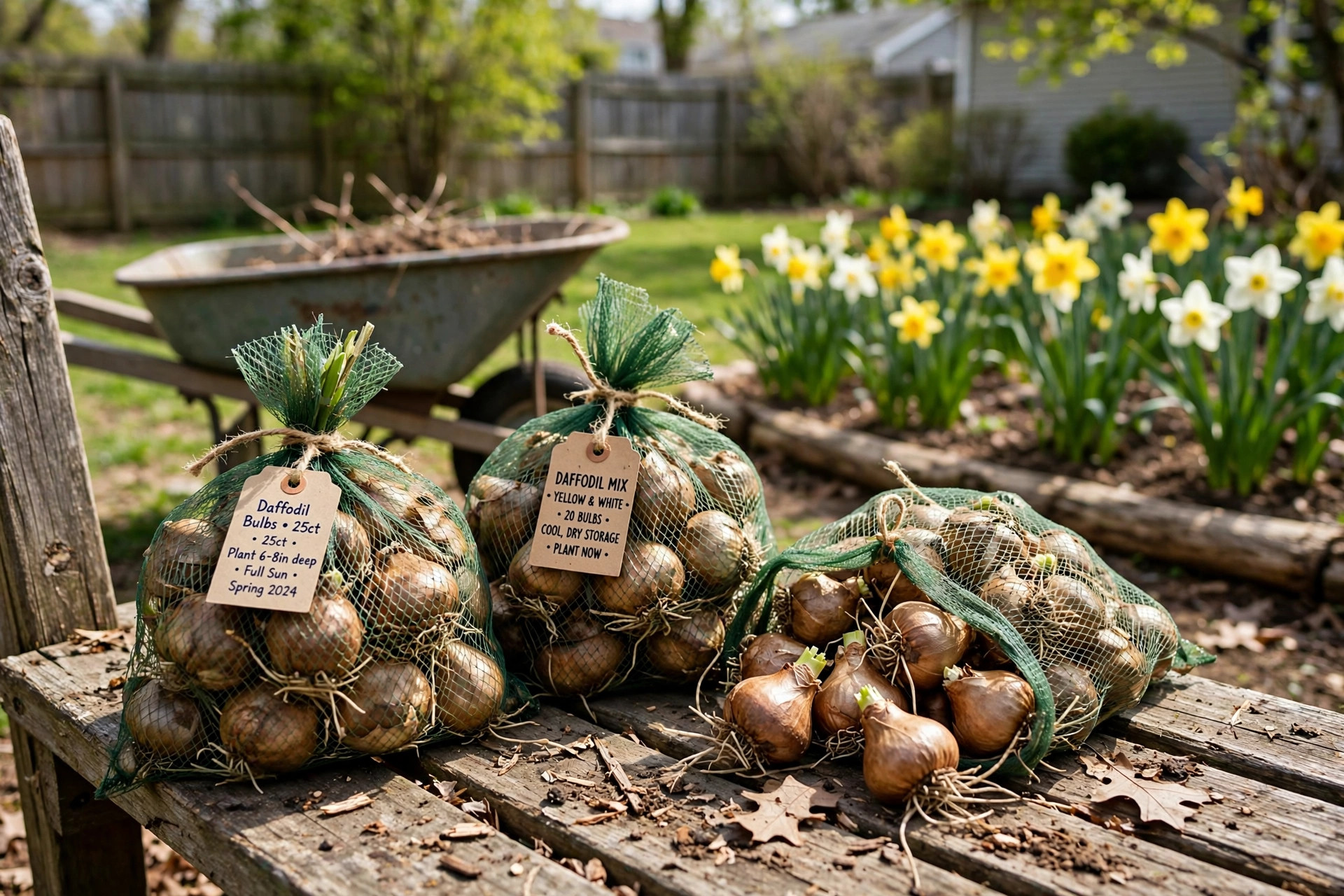
Daffodils are among the most loved flowers in the United States. They return each spring with little work. They need no digging up in winter. They spread on their own. This daffodil bulb packs buying guide usa will help you buy with care. You will learn what a pack holds, what sizes mean, what the price should be, and when to plant. By the end, you will know how to fill your yard with yellow, white, and pink blooms without waste or regret.
Daffodils have grown in American gardens for more than a century. They suit cold winters and mild winters alike. Deer and rabbits leave them alone. That makes them a safe pick for open yards. A single pack of bulbs can give color for ten years or more.
Why Daffodil Bulb Packs Matter
A bulb pack is the simplest way to buy daffodils. Nurseries and shops sell bulbs loose or in packs. Loose bulbs let you pick each one by hand. Packs give you a set count at a set price. Packs often cost less per bulb. They also carry a label with the variety name, the bloom time, and the plant height. That label helps you plan your beds.
Fall is the main season for bulb packs. Shops stock them from late August to late October. The best kinds sell out first, so buy early. Ordering from a mail-order nursery in summer also works well. The firm ships the bulbs at the right planting time for your zone.
Daffodils bloom in early to mid spring. They come in many forms. Some have large trumpet cups. Some have flat cups. Some bloom in clusters on one stem. The packs you see in shops often mix several kinds. Mixed packs give a long season of bloom. They cost less than single-variety packs. But they do not tell you exactly where each color will land. If you want a neat design, buy single-variety packs instead.
What to Look For When You Buy: Daffodil Bulb Packs Buying Guide Usa
Bulb Size and Grade
Bulb size matters more than most buyers think. A big bulb holds more food for the flower. Big bulbs give bigger blooms in the first year. Shops grade bulbs by size. Top-size bulbs are the largest. They cost more but perform best. Small bulbs may take a year or two to bloom well. For quick spring color, choose the largest bulbs you can afford.
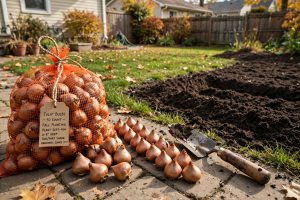
Pick up a pack and look through the mesh bag if you can. The bulbs should feel firm. They should feel heavy for their size. The skin, called the tunic, should be dry and whole. Skip any pack with soft spots, mold, or a sour smell. A bulb that feels light or hollow will not bloom. Trust your hands more than the photo on the bag.
Variety Name and Bloom Time
A good pack lists the variety name, not just “yellow daffodils.” Named varieties tell you what you are getting. You can look up the height, the bloom time, and the flower form. Early types bloom in March. Late types bloom in May. Plant early, mid, and late types together for weeks of color. The label should also state the hardiness zone. Most daffodils grow in zones 3 to 8. Check that the kind fits your area. The Old Farmer’s Almanac gives clear zone maps and frost dates for each state.
Count, Price, and Value
Packs run from 10 to 100 bulbs. A pack of 25 suits a small border. A pack of 50 fills a large bed. Large drifts look best with odd numbers in groups. Do not scatter single bulbs alone. Plant in groups of seven or more for a full look.
Prices vary by count and variety. A pack of 25 common daffodils may cost ten to twenty dollars. A pack of 25 rare or double types may cost thirty dollars or more. Price per bulb drops in larger packs. Compare the per-bulb cost, not just the pack price. The big pack gives the best value if you have the space.
Watch for mixed packs that hide weak bulbs. Some very cheap packs add small, old bulbs to raise the count. A fair seller states the bulb size on the pack. Look for words like “top size.” These marks mean the bulbs meet a set grade.
Types of Daffodils Sold in Packs
Daffodils fall into several classes. Trumpet daffodils have long cups. They give the classic spring look. Large-cupped types have shorter cups and wide petals. Small-cupped types suit natural lawns and woods. Double daffodils carry extra petals. They look lush but may fall flat in heavy rain.
Jonquils and tazettas suit warm states. They bloom in clusters and carry a sweet scent. They need less winter chill than other types. If you live in Florida, Texas, or southern California, choose these warm-climate kinds.
Many packs mix kinds on purpose. A “naturalizing mix” holds types that spread year after year. These packs suit lawns, field edges, and woods. A “show mix” holds large, bold flowers for beds and cut stems. For spring bed plans and color pairings, Monrovia and Proven Winners post free design guides each fall.
Where to Buy Daffodil Bulb Packs in the USA
Garden Centers and Big Box Stores
Local garden centers sell fresh packs in fall. You can touch the bulbs and check the size. Staff can tell you what grows well in your town. Big box stores carry large packs at low prices. Buy from stores that keep bulbs cool and dry. Heat and damp air harm bulbs fast.
Mail-Order Nurseries
Mail-order firms ship bulbs in season. Their catalogs list many more varieties than a store shelf. They grade bulbs by size and state the count. Gurney’s and Burpee are old names with wide fall bulb lists. Park Seed and White Flower Farm also sell graded daffodil packs each fall. Read the shipping dates. Bulbs should arrive four to six weeks before the ground freezes in your area.
Online Marketplaces
Online shops offer low prices and home delivery. Read the seller ratings first. Check the return policy. Be wary of prices far below the market. Very cheap bulbs are often old stock from last year.
Cost and Price Guide
Here is what most buyers pay in the United States:
– Small pack (10 to 15 bulbs): 5 to 12 dollars – Medium pack (25 bulbs): 10 to 25 dollars – Large pack (50 bulbs): 18 to 40 dollars – Bulk pack (100 bulbs): 30 to 70 dollars – Rare or double varieties: add 50 to 100 percent to the prices above
Mail order may add shipping of five to fifteen dollars. Buying 100 or more bulbs often brings free shipping. Plan your total cost per bulb, not just the sticker price. Store brands cost less but may mix sizes. Premium brands cost more but grade each bulb. Both can work. The key is firm, healthy bulbs at a fair per-bulb price.
Keep your receipt. Some sellers give a one-year bloom pledge. If a pack fails to bloom, you can ask for a refund or a new pack. This pledge adds real worth to a slightly higher price.
How to Plant Daffodil Bulbs
Plant in fall, six to eight weeks before hard frost. In the North, that means September or October. In the South, plant in November or December. The soil should feel cool but not frozen. Daffodils need the cold of winter to set buds. Without a chill period, they will not bloom.
Pick a spot with full sun or light shade. The soil must drain well. Daffodils rot in standing water. Dig each hole three times as deep as the bulb is tall. Set the bulb with the pointy end up. Space bulbs four to six inches apart. Cover with soil and press it down. Water well after planting.
For a natural look, toss handfuls of bulbs on the ground and plant them where they land. For beds, mark tall kinds at the back and short kinds at the front. The National Institute of Food and Agriculture offers free guides on soil health that help bulbs root well.
Feed bulbs at planting time with a low-nitrogen bulb food. Scratch it into the soil above the bulbs, not in the hole under them. Do not use fresh manure. It can burn the roots and bring disease. A light mulch of shredded leaves keeps the soil cool and moist. If this is your first time planting bulbs, Gardening Know How has plain step photos that show each stage of the work.
Care and Upkeep Through the Year
Daffodils need little care once planted. Water in fall if rain is scarce. After bloom, leave the leaves alone. The green leaves feed the bulb for next year. Do not cut them, tie them, or braid them. Wait until they turn yellow and pull free with ease. This wait takes about six weeks.
You may feed again in early spring when shoots first show. Use a balanced garden food at half strength. Dig and divide clumps every three to five years. Lift them after the leaves die back. Pull the bulbs apart. Replant the largest ones at once. Dense clumps bloom less each year, so this task pays.
Watch for basal rot in hot, wet soil. The bulb turns soft and brown from the base up. Throw away sick bulbs. Do not compost them. Plant in a new spot with better drainage.
Safety Notes for Homes and Pets
Daffodil bulbs hold a toxin that can upset the stomach. The bulbs are the most toxic part. Keep packs out of reach of small children and pets. Wash your hands after handling bulbs. If a child or pet eats a bulb, call poison control or your vet at once. Do not wait for signs.
Some people get skin rash from bulb dust. Wear gloves if your skin is tender. Work in fresh air. Store packs in a cool, dry place away from food. Label stored bulbs so no one mistakes them for onions.
Note on other bulbs: garlic sets look much like small daffodil bulbs. Store them apart and label each bag. Our garlic bulbs planting buying guide usa explains safe handling and storage for edible bulbs.
Daffodils Compared With Other Fall Bulbs
Daffodils stand out for their ease. Tulips give bold color but fade after a few years in many states. You must replant tulips more often. Daffodils live on for decades with no extra cost. Deer eat tulips but shun daffodils. For fall bulb shopping tips, see our tulip bulbs fall buying guide usa.
Dahlias bloom in summer and fall. They need lifting and storing in cold states. Daffodils stay in the ground all winter. If you want flowers from March to frost, plant both. Start with daffodil packs for spring, then add summer bulbs. Our dahlia bulbs bulk buying guide usa covers the summer side of the plan.
Crocus and hyacinths suit small spots and pots. Daffodils suit large drifts and beds. Plant crocus shallow and daffodils deep in the same bed for a layered spring show.
Common Buying Mistakes to Avoid
Many buyers shop too late. They find only picked-over packs. Shop in early fall for the best pick. Others buy bulbs that feel soft. Soft bulbs never bloom. Squeeze each pack through the bag. It should feel firm and full.
Some buyers plant too shallow. Shallow bulbs bloom small and may split. Dig deep. Others plant in soggy soil. Wet soil rots bulbs. Fix drainage first. Add compost to heavy clay. Raise beds in low spots.
A last mistake is cutting the leaves too soon. The leaves may look messy for a month. Leave them. They build next year’s flower. Plant late-blooming perennials in front to hide the fading leaves.
FAQ
When is the best time to buy daffodil bulb packs in the USA?
Buy from late August to early October. This window gives the best choice. Mail-order firms ship in time for your zone. Late buyers get lower prices but less choice. The bulbs still bloom if planted before the ground freezes.
How many bulbs do I need for a flower bed?
A bed four feet wide and ten feet long holds about 50 bulbs at good spacing. Small borders need 15 to 25 bulbs. For a bold drift, use 100 bulbs or more. It is better to have a few left over than to leave bare spots.
Can I plant daffodil bulbs in pots?
Yes. Use a pot at least 12 inches deep with drain holes. Fill with good potting mix. Plant bulbs two inches apart and three times their height deep. Keep pots in a cool spot over winter. They need the cold to bloom.
How long do daffodil bulbs last in the ground?
Most last ten years or more. Some old clumps bloom for decades. Divide crowded clumps every three to five years. Feed lightly each fall. Leave the leaves until they yellow. For photo guides on dividing and replanting, The Spruce keeps a large free library.
Why did my daffodils grow leaves but no flowers?
The most common cause is cutting the leaves too soon the year before. The bulb did not store enough food. Other causes are shallow planting, too much shade, or crowded clumps. Feed in fall, leave the leaves, and divide thick clumps. Blooms should return the next spring.
Are daffodil bulbs safe around dogs and cats?
No. All parts hold toxins, and the bulb is the most toxic. Keep packs stored high and sealed. Plant where pets do not dig. If a pet eats any part, call your vet at once.
A Short Final Word
Daffodil bulb packs are a simple deal. You pay a few dollars in fall. You get weeks of spring color for years. Choose firm, top-size bulbs. Plant them deep in well-drained soil. Leave the leaves to feed the bulb. Avoid the common mistakes above. Do this, and each March will bring a fresh reward for a small fall task. Happy planting.
References
Burpee. (n.d.). Seeds, plants, and gardening supplies. https://www.burpee.com Gardening Know How. (n.d.). Gardening guides and plant care. https://www.gardeningknowhow.com Gurney’s Seed & Nursery Co. (n.d.). Seeds, plants, and garden supplies. https://www.gurneys.com Monrovia. (n.d.). Plants for home gardens. https://www.monrovia.com National Institute of Food and Agriculture. (n.d.). Agricultural research and extension. https://www.nifa.usda.gov Park Seed. (n.d.). Seeds, plants, and gardening supplies. https://www.parkseed.com Proven Winners. (n.d.). Plants and gardening inspiration. https://www.provenwinners.com The Old Farmer’s Almanac. (n.d.). Gardening calendars and advice. https://www.almanac.com The Spruce. (n.d.). Home and garden advice. https://www.thespruce.com White Flower Farm. (n.d.). Plants, bulbs, and garden supplies. https://www.whiteflowerfarm.com
Was this guide helpful?

About Robert Taylor
The My Garden US editorial team writes practical, in-depth home and garden guides for American homeowners — tested advice, no fluff.