Introduction
Every homeowner who wants a fresh lawn faces the same first question. Should you lay sod or plant seed? This sod vs seed cost comparison guide will walk you through both choices step by step. You will learn what each method costs, how long each one takes, and what kind of care each one needs. The answer is not the same for every yard.
Why This Choice Matters: Sod vs Seed Cost Comparison Guide
A lawn is one of the first things people see when they look at a house. A thick, green lawn lifts the whole look of a home. A thin, patchy lawn can drag it down. The choice between sod and seed shapes how fast you get that green lawn, how much you pay for it, and how much work you will put in during the first year.
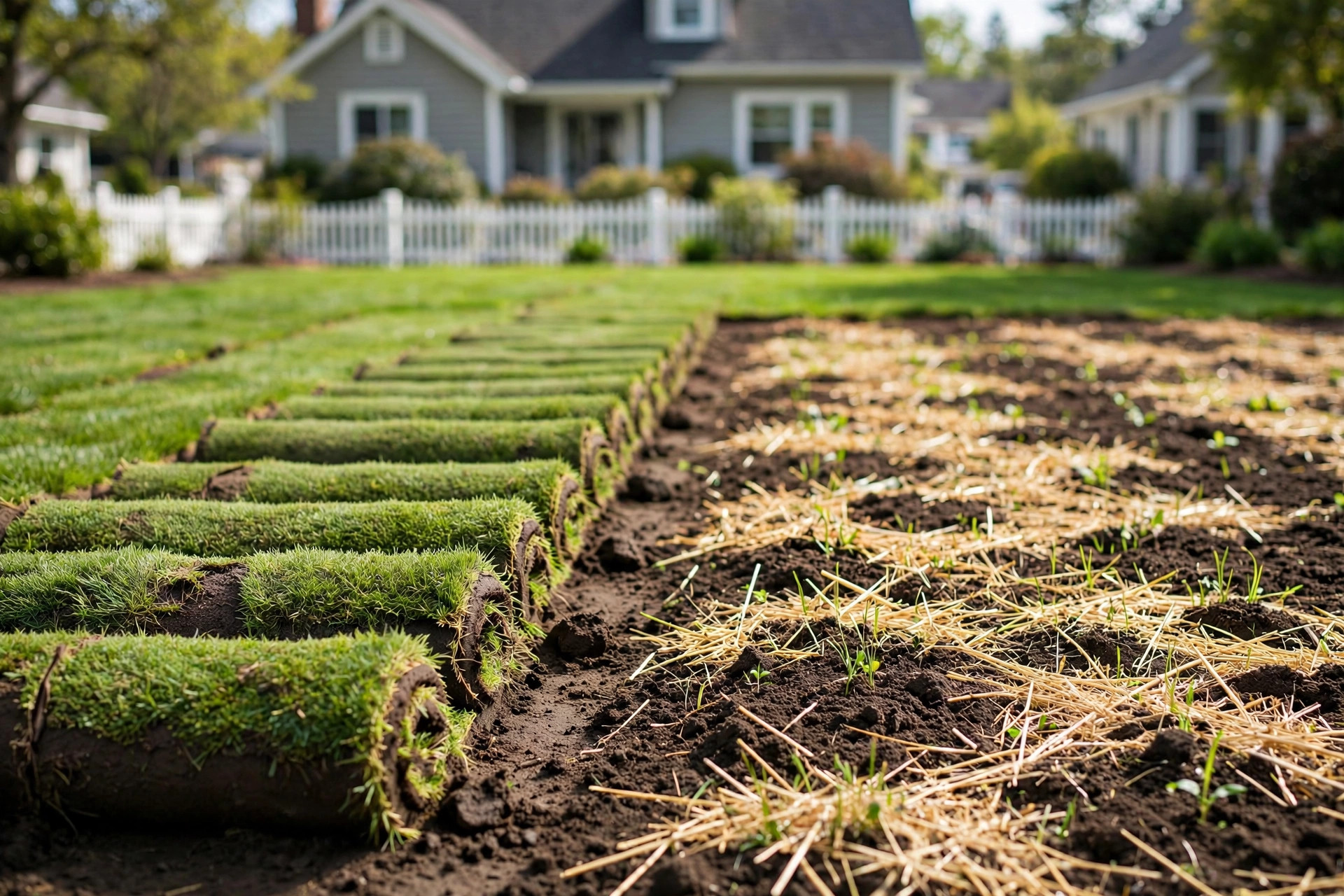
Sod is grass that has already been grown on a farm. Workers cut it into strips or rolls, and you lay those strips on your soil. Within hours, you have a full green lawn. Seed is a bag of grass seed that you spread on bare soil. The seed must sprout, grow roots, and fill in. That takes weeks, sometimes months. Both paths end with a real lawn, but the road to get there is very different.
The money gap between the two can be wide. Sod often costs five to ten times more than seed for the same patch of ground, which is why honest numbers matter before you commit.
What to Look for Before You Decide
Before you price anything, look at your yard with honest eyes. Measure the area. Walk it off with a tape measure or pace it out. Multiply the length by the width. Most homes in America have lawns between 2,000 and 10,000 square feet. Your total area drives the cost more than anything else.
Next, look at your soil. Pick up a handful. Is it loose and dark, or hard and pale? Grass seed needs soft, loose soil to sprout. Sod needs firm, level ground to make root contact. If your soil is rocky or thin, you may need to bring in topsoil either way. A soil test from your county office is cheap and tells you the pH and nutrients. Grass likes soil near neutral, between 6.0 and 7.0 on the pH scale.
Think about your season too. Sod can go down in almost any growing season, from spring through early fall. Seed has a tighter window. Cool-season grasses want early fall. Warm-season grasses want late spring. If you are starting a lawn in mid-summer, seed is a risky bet. If it is early September, seed is a great bet.
Finally, be honest about your time. Seed demands weeks of careful watering. New sod demands heavy watering too, but for a shorter stretch. If you travel often or cannot water daily, sod may be the safer choice even though it costs more. Homeowners who plan to water new grass by hand should also think about the long run, because a steady water supply keeps any lawn alive. A fair look at an affordable lawn sprinkler installation cost estimate can help you plan the watering side of the job.
Types of Sod and What They Offer
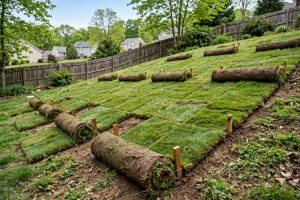
Sod comes in strips, rolls, or big slabs cut from a sod farm. The farm grows the grass for a year or more before cutting. You get a finished product with roots already formed. When you lay it, the roots knit into your soil within two to three weeks.
Common sod grasses include Kentucky bluegrass, tall fescue, Bermuda grass, and St. Augustine grass. Kentucky bluegrass is thick and soft, a favorite in the North. Tall fescue handles heat and shade better than bluegrass. Bermuda grass loves hot southern yards and bounces back fast from wear. St. Augustine grass is the classic warm-coast lawn with broad blades. Each one has a price. In most markets, common Bermuda sod is among the cheapest, while premium fescue blends cost more.
Sod quality matters. Fresh sod is moist and green, with roots that look white and alive. The strips should fit tight with no gaps. Old sod that sat in a truck too long turns yellow and weak. Ask the farm when the sod was cut. Good farms cut in the morning and sell the same day. You should lay sod within 24 hours of cutting if you can. Heat kills stacked sod fast.
That clean start is one more reason buyers pay the higher price.
Types of Grass Seed and What They Offer
Grass seed comes in bags at any garden center. You pay by the pound, and one bag covers a lot of ground. A five-pound bag of bluegrass seed can cover 1,000 square feet. That is why seed is so cheap. The raw material costs far less than growing and cutting sod on a farm.
Like sod, seed comes in many grass types. Kentucky bluegrass seed is slow to sprout, often 14 to 21 days. Tall fescue seed sprouts faster, usually 7 to 12 days. Perennial ryegrass is the sprinter of the bunch, coming up in 5 to 10 days, but it may not last as long in harsh climates. Many bags are blends. A blend mixes grasses so the lawn can handle sun, shade, and stress at once. Blends are a smart buy for most yards.
Seed quality matters as much as sod quality. Read the label. Look for the germination rate, which tells you what share of seeds will sprout. Good seed shows 85 percent or higher. Check the weed seed content too. Cheap bags hide weed seeds in the fine print. You do not want to plant crabgrass with your bluegrass. Pay a little more for seed from a trusted brand with a clean label.
New seed has one big weak point: birds and washout. Birds love fresh seed. Heavy rain can wash seed into puddles, leaving bare spots. You can cover the seed with straw or a light mulch to fight both problems. Some homeowners go one step further and look at hydroseeding cost per square foot usa to see if sprayed-on mulch fits their budget. That middle option lands between plain seed and full sod in both price and results.
Cost and Price Breakdown
Now we reach the heart of this sod vs seed cost comparison guide. Numbers change by region, but the pattern holds across the country. Seed is cheap. Sod is costly. Labor and prep can push either one higher.
Seed costs run about 3 to 10 cents per square foot for the seed alone. A 5,000-square-foot lawn might need 15 to 25 pounds of quality seed, costing 60 to 150 dollars. Add starter fertilizer, straw mulch, and soil prep, and a do-it-yourself seed job often lands between 200 and 500 dollars for a mid-size yard. Hired seed jobs, called slit seeding or overseeding services, run higher but still far below sod.
Sod costs run about 30 to 70 cents per square foot for the material alone. That same 5,000-square-foot lawn needs 5,000 square feet of sod, and you should buy 10 percent extra for cuts and waste. Material cost lands near 1,700 to 3,800 dollars. Pro-installed sod for a mid-size yard often runs 4,000 to 8,000 dollars total. Shoppers comparing bulk prices often check a cheap sod installation cost per pallet page to see how pallet pricing changes the math.
Labor is the big lever. Doing the work yourself cuts sod costs in half or more. Laying sod is heavy work, though. A pallet of sod weighs over a ton. You will roll, lift, cut, and fit every strip. Many homeowners split the job: they prep the soil themselves and pay a crew just for laying. For seed, labor is lighter but spreads over many days of watering.
Site prep costs apply to both methods. Clearing old grass, grading, and adding topsoil can cost 500 to 2,000 dollars depending on the yard. Do not skip the soil test. Lime or sulfur amendments are far cheaper than a failed lawn.
Let us put a sample side by side for a 5,000-square-foot yard, do-it-yourself:
| Item | Seed | Sod | |—|—|—| | Grass material | 60–150 dollars | 1,700–3,800 dollars | | Soil prep and topsoil | 200–600 dollars | 200–600 dollars | | Starter fertilizer and mulch | 50–120 dollars | 50–100 dollars | | Extra water for first month | 30–80 dollars | 60–120 dollars | | Total | 340–950 dollars | 2,010–4,620 dollars |
Hired work roughly doubles or triples both columns. The pattern stays the same. Seed asks for time and patience. Sod asks for money up front. Neither is wrong. Match the column to your life.
Care and Upkeep in the First Year
The first year decides the life of your lawn. New grass of either kind needs steady water. The soil should stay damp, not soaked. For seed, light watering two or three times a day keeps the top layer moist while roots form. Once the grass reaches mowing height, cut back to deeper, less frequent watering. That trains roots to grow down.
Sod needs deep watering from day one. The water must soak through the sod layer into the soil below. Lift a corner after watering and check. If the soil under the sod is dry, you did not water enough. Keep foot traffic off new sod for two to three weeks. The roots are fragile until they knit.
Mowing starts when the grass reaches about three inches. For seed, that may take four to six weeks. For sod, it may take two weeks. Never cut more than one-third of the blade at once. Sharp mower blades matter. Dull blades tear the grass and open the door to disease. Keep your blades sharp each season, and if you need new ones it helps to check where to buy lawn mower blades near me before your first mow of the season.
Fertilizing follows a schedule. New seed gets starter fertilizer at planting, then a feeding in six to eight weeks. New sod gets a light feeding after three to four weeks, once roots are set. After the first year, most lawns need three to four feedings a year. A simple spreader from a maker like Toro or John Deere makes the job even and fast. Follow the bag rate. More is not better. Too much fertilizer burns young grass.
Weeds are the main enemy of new seed. Crabgrass, dandelion, and broadleaf weeds move into thin spots fast. Most weed killers cannot be used on brand-new seed. They can harm young grass. Wait until the new grass has been mowed at least three times before using weed control. Sod faces far less weed pressure because the mat blocks light from weed seeds. Hand-pull any weeds that do appear in the seams.
Safety Notes for the Family and the Yard
Lawn work is safe when you take simple care. Fertilizers and weed killers are chemicals. Read the label every time. Wear gloves and closed shoes when you spread them. Keep children and pets off the treated grass until the label says it is safe, often 24 to 48 hours. Store bags on a high shelf in a dry shed, away from kids.
Mowers and trimmers deserve respect. Unplug electric tools and pull the spark plug wire on gas mowers before you work near the blade. Never reach under a mower deck while it is connected to power. For gas equipment, makers such as Briggs and Stratton print clear safety steps in their engine manuals. Read them once before the season starts.
Water and electricity do not mix. If you use an electric sprinkler timer or outdoor outlet, make sure it is rated for outdoor use and protected by a ground-fault circuit. Keep cords away from mower paths.
Sun and heat matter too. Laying sod or spreading seed is outdoor labor. Work in the morning. Drink water. Wear a hat. A new lawn is not worth heat sickness. Pace the job across two days if the yard is large.
Frequently Asked Questions
How long does sod take to root?
Most sod roots into the soil in two to three weeks under good watering. Cool weather slows it down. Hot weather speeds it up but demands more water. Test by tugging a corner. If it resists, roots have taken hold.
How long does grass seed take to fill in?
Expect sprouts in 5 to 21 days depending on the grass type. A thin cover appears in a month. A full, thick lawn often takes a full growing season, sometimes into the next spring. Overseeding thin spots in the fall speeds the process.
Which is better for a shady yard?
Seed gives you more choices for shade. Fine fescue seed blends are made for shade and are easy to find. Shade-tolerant sod exists, such as tall fescue sod, but it costs more and can be hard to find at local farms. Either way, trim tree branches to let in more light.
Can I lay sod over existing grass?
It is not advised. Sod laid on old grass roots poorly. The old grass forms a spongy layer between the sod and the soil. Roots struggle to reach down. Strip or kill the old grass first, then level the soil. The extra prep day is worth it.
Is fall better than spring for a new lawn?
For seed, fall is often best for cool-season grasses. The soil is warm, the air is cool, and weeds are fading. For sod, both spring and early fall work well. Avoid laying sod in the heat of high summer if you cannot water it well.
A Final Word
This sod vs seed cost comparison guide comes down to a simple trade. Seed trades your time and patience for low cost. Sod trades your money for speed and a clean start. Both can give you a lawn you are proud of. Measure your yard, test your soil, and pick the path that fits your life.
References
Toro. (n.d.). Lawn mowers and yard equipment. https://www.toro.com Deere, J. (n.d.). Agricultural and lawn care equipment. https://www.deere.com Briggs & Stratton. (n.d.). Small engines for outdoor power equipment. https://www.briggsandstratton.com
Was this guide helpful?

About Sarah Mitchell
The My Garden US editorial team writes practical, in-depth home and garden guides for American homeowners — tested advice, no fluff.